Atlanta Bermuda Lawn Care: A Month-by-Month Calendar
Bermuda grass can handle Atlanta's summer heat, but it won't look its best on autopilot. The same lawn that needs regular mowing and water in July may need almost no feeding in January.
A reliable Atlanta Bermuda lawn care plan follows the grass's growth cycle. Use the calendar below as a working guide, then adjust each task when temperatures, rainfall, or local watering rules change.
Key Takeaways
- Bermuda grass usually goes dormant during Atlanta's cool season, so avoid fertilizer while the turf is brown and inactive.
- Spring green-up is the time to clean up, begin mowing, check irrigation, and gradually increase care.
- Hot, humid summers call for early-morning watering, sharp mower blades, proper mowing height, and close disease monitoring.
- Fall is the right time to manage leaves, prepare for winter dormancy, and apply seasonal weed control only when the product label allows it.
- Rainfall and current county or state watering restrictions should guide irrigation decisions every month.
How Atlanta Weather Shapes Bermuda Grass Care
Bermuda is a warm-season grass. It grows best during Atlanta's warm months and slows sharply when cold weather arrives. Most lawns begin losing color in fall, enter dormancy after repeated cold nights, and start waking up in spring.
The exact schedule varies across Metro Atlanta. A south-facing yard may green up earlier than a shaded property. Soil type, drainage, tree cover, mowing height, and winter temperatures also affect the timing. A warm March doesn't always mean the roots are ready for fertilizer or heavy traffic.
Watch the grass before following a date on the calendar. New green blades, active growth, and consistently mild temperatures are better signs than a specific day. If a late freeze follows early spring growth, delay major feeding and avoid aggressive mowing.
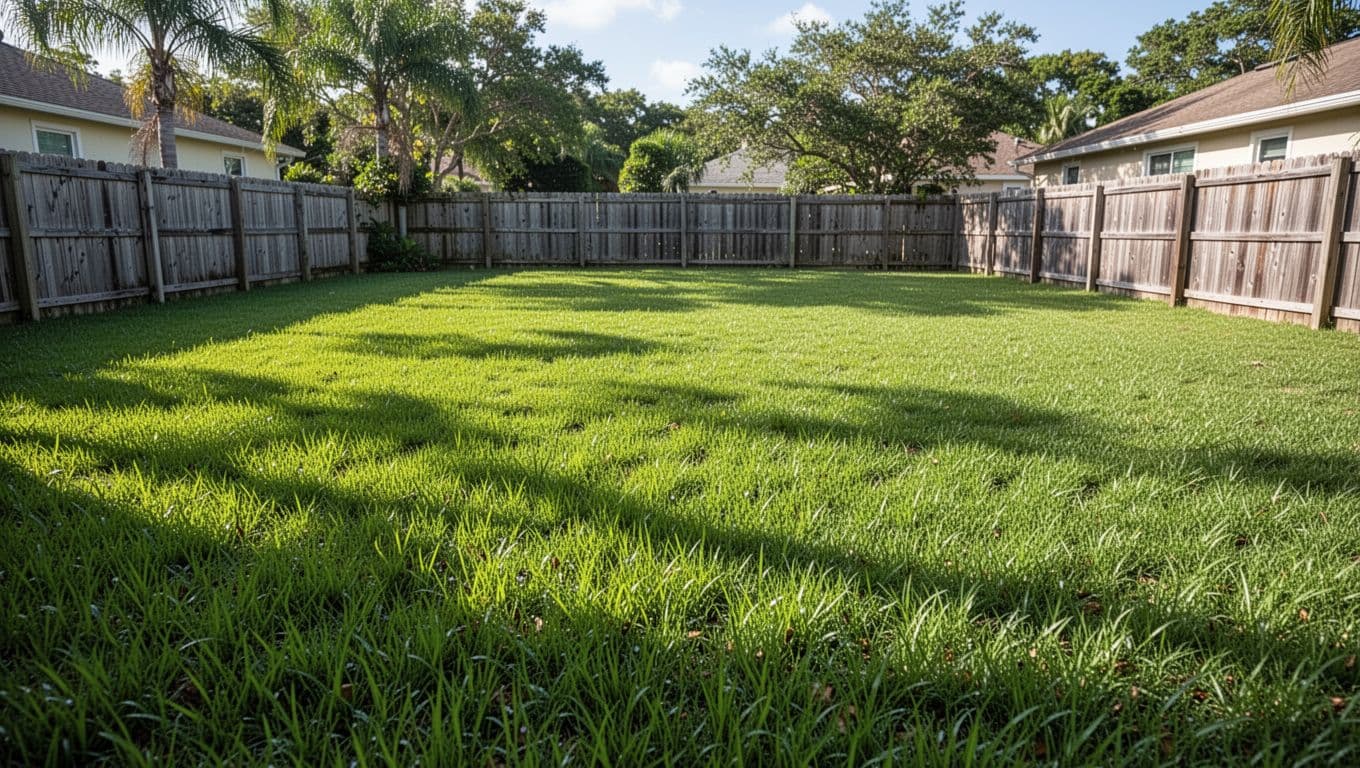
Bermuda also responds quickly to summer stress. Compacted soil, poor drainage, dull mower blades, and shallow watering can cause thinning even when the lawn receives plenty of sun. A calendar helps, but regular observation keeps small problems from becoming expensive repairs.
The goal is steady care, not constant treatment. Mow according to growth, water according to need, and apply products only when the turf and weather conditions fit the label directions.
January: Protect Dormant Turf
January is usually a low-growth month for Bermuda grass in Atlanta. Brown or tan turf is normal during dormancy, and fertilizer won't make dormant grass green. Applying nitrogen now can waste product, encourage weeds, or wash nutrients into stormwater.
Remove heavy leaf piles, fallen branches, and other debris that block light and trap moisture. However, don't rake aggressively across frozen or saturated soil. Repeated foot traffic can compact wet ground and leave bare paths that show when spring growth begins.
Inspect the yard for drainage problems. Check downspouts, low spots, and areas where water sits after rain. Winter is a good time to plan grading or soil improvements because you can see standing water without dense summer growth hiding it.
Keep mowing to a minimum. If the grass has stopped growing, the mower can stay stored. Use January for blade sharpening, oil changes, air-filter checks, and safety inspections. A clean, sharp blade will make spring mowing easier and reduce torn grass tips.
February: Test Soil and Prepare Equipment
Bermuda will usually remain dormant through much of February, although sunny areas may show early color changes during a warm stretch. Hold fertilizer until the lawn has clearly resumed active growth. A few green blades don't mean the entire root system is ready for feeding.
Use this month to test the soil through your local UGA Cooperative Extension office or another reliable soil-testing service. The results can show whether the lawn needs lime, phosphorus, potassium, or no amendment at all. Avoid adding products based on guesswork, especially when a soil test doesn't support them.
Walk the property after winter storms. Mark thin areas, exposed roots, damaged edging, and branches that shade the turf. Bermuda needs strong sunlight, so trimming back excessive shade may help more than adding fertilizer.
If you plan to use a pre-emergent herbicide for warm-season weeds, read the label carefully and apply only during the stated timing and weather conditions. Don't combine it with fertilizer unless the product label specifically allows that use. Keep all treatments away from ponds, drains, and areas where runoff can occur.
March: Watch for Spring Green-Up
March can bring warm afternoons, but Atlanta's soil may still be too cool for steady Bermuda growth. The lawn may look uneven, with green patches in sunny locations and dormant turf under trees. Wait for consistent growth before starting a full spring program.
Clear winter debris and lightly rake matted areas once the soil is firm. If thatch is thick, avoid tearing into the crowns with a hard rake. Excessive thatch can restrict water movement, but removing it too aggressively can damage grass that hasn't recovered from winter.
Check irrigation components before summer arrives. Run each zone briefly and look for broken heads, clogged nozzles, leaks, and overspray onto sidewalks. Set the system to manual testing instead of starting a fixed watering schedule.
Late winter or early spring weed control depends on the weeds present, the product, and current temperatures. Read the label before treating. Some herbicides can injure Bermuda during green-up or under heat stress. If you're unsure, pull a few weeds by hand and wait for active turf growth before using a chemical treatment.
April: Begin Mowing Carefully
April is often the month when Atlanta lawns begin waking up, but green-up can occur earlier or later. Once the Bermuda is growing across most of the yard, mow when needed rather than waiting for a particular date.
Start with a moderate mowing height. Remove no more than one-third of the blade length at a time. A sudden, very low cut can expose soil, scalp uneven areas, and stress turf that is still rebuilding its leaf growth.
Many homeowners give dormant Bermuda a low cleanup cut in spring. That can remove old tan tissue, but only do it after the threat of hard freezes has passed and the ground is firm. Set the mower high enough to avoid scraping soil or cutting into crowns.
Recheck your mower before the season becomes busy. Sharpen the blade, inspect the deck, and confirm that the discharge direction won't send clippings into beds or streets. If you prefer to leave mowing to a professional, professional lawn mowing in Atlanta can keep the schedule consistent as growth accelerates.
May: Feed Active Bermuda Grass
By May, Bermuda grass usually enters a stronger growth period. This is often the first practical window for seasonal fertilization, but wait until the lawn is actively growing and follow your soil-test recommendations.
Choose a fertilizer that matches the soil results. Apply the amount listed on the product label, not an extra dose intended to produce faster color. Overfertilizing can create soft, lush growth that needs more mowing and may increase disease pressure during humid weather.
Mow regularly as the lawn thickens. Keep blades sharp and vary your mowing direction so tire tracks and ruts don't develop. Return fine clippings to the lawn when they don't form piles. Clippings don't cause thatch when mowing is regular, and they return small amounts of nutrients to the soil.
May is also a useful time for core aeration if the soil is compacted and the grass has fully greened up. Aeration removes small soil plugs and opens pathways for air, water, and roots. Water the lawn lightly beforehand if the ground is too hard, but don't aerate saturated soil.
June: Manage Heat, Water, and Growth
June brings longer days, hotter temperatures, and faster mowing growth. Bermuda can tolerate this weather, but it still needs a deep, well-timed watering routine when rainfall doesn't meet demand.
Water early in the morning so the soil can absorb moisture before the hottest part of the day. A rain gauge or straight-sided container can help you measure irrigation rather than guessing. Allow the lawn to dry between watering cycles, and reduce or skip irrigation after substantial rain.
Keep mowing within the height range your equipment and lawn can handle. Many Atlanta residential lawns perform well when maintained around 1 to 2 inches, although the correct height depends on the site and mower. Taller grass can shade soil, while an excessively low cut can expose crowns and roots.
Watch for pale patches, thinning, and circular discoloration. Heat stress, insects, poor coverage, and fungal disease can look similar. Don't apply an insecticide or fungicide without identifying the problem and checking the label. Product instructions cover application rates, protective equipment, weather limits, and re-entry periods.
July: Keep the Lawn Healthy During Humid Heat
July often delivers Atlanta's toughest lawn conditions. High temperatures, heavy humidity, sudden thunderstorms, and dry intervals can all occur within the same week. A fixed irrigation timer may overwater one week and leave the lawn dry the next.
Check the soil before watering. If the surface is dry and footprints remain visible after walking across the grass, the lawn may need moisture. If the soil is wet several inches below the surface, wait. Adjust the schedule after rain, and check current outdoor watering rules for your county and water provider.
Mow often enough to avoid removing a large portion of the blade. Never mow wet grass when doing so creates clumps, ruts, or unsafe footing. Clean clippings from paved areas after mowing so they don't wash into drains during the next storm.
Humidity can increase disease risk, especially where irrigation runs at night or air movement is poor. Watering at dawn gives foliage time to dry. Pick up fallen fruit, limbs, and other debris that can smother small sections of turf.
August: Prepare for Late-Summer Weeds
August can be as hot as July, but the lawn may show more stress after weeks of mowing and foot traffic. Continue checking soil moisture, especially on slopes, sandy areas, and turf beneath large trees.
Keep irrigation targeted to the root zone. Sprinklers that water sidewalks or driveways waste water and can create wet edges where weeds thrive. Repair misaligned heads and use a rain sensor if your system supports one.
Late August may be the right time for a fall pre-emergent application aimed at winter annual weeds. Timing depends on soil temperatures, weather, and the product label. Apply too early and protection may fade before weeds germinate. Apply too late and weeds may already be established.
Never spread fertilizer on brown, dormant Bermuda simply because the calendar says late summer. If the grass is still green and actively growing, use soil-test results and the label to guide feeding. If drought has caused dormancy, correct the watering problem first instead of pushing stressed turf with fertilizer.
September: Finish Summer Feeding and Weed Control
September usually brings slightly cooler nights, but Bermuda can continue growing well into the month. Mow while the grass is active, and keep removing no more than one-third of the blade at each cut.
If the lawn needs a final fertilizer application, make that decision based on active growth, soil-test results, and the product label. Avoid late nitrogen applications that encourage tender growth as temperatures fall. Stop feeding when the grass is no longer growing steadily.
Fall pre-emergent timing deserves attention because winter weeds can establish before Bermuda turns fully brown. Treat only the areas and turf types listed on the product label. Water the product in only when the label directs you to do so, and account for forecasted rain.
Look for thinning caused by shade, compaction, or summer wear. Bermuda repairs itself during active growth, so September can provide a final opportunity to improve soil conditions or address small bare areas before dormancy.
October: Reduce Mowing and Manage Leaves
October often brings slower growth and the first clear signs of dormancy. Lower temperatures may turn Bermuda tan, while shaded areas lose color sooner than sunny sections. The change is normal and doesn't call for fertilizer.
Continue mowing as long as the grass grows. Gradually reduce mowing frequency instead of forcing a final low cut. A clean, moderate-height lawn enters winter with less leaf clutter and fewer places for moisture to remain trapped.
Begin a regular leaf-removal routine. A thin layer of shredded leaves can remain on the lawn, but thick piles block light and hold moisture against the turf. Mulch leaves with a mower when they break into small pieces. Remove heavier accumulations from shaded or poorly drained areas.
Inspect edging, mower equipment, and irrigation before winter storage. Drain or protect equipment according to the manufacturer's directions. If you use a lawn service, October is a good time to schedule seasonal cleanups before leaf volume increases.
November: Protect the Dormant Lawn
By November, much of Metro Atlanta's Bermuda grass has entered dormancy. Brown turf is expected, and fertilizer should stay off the lawn. Applying nitrogen to inactive grass won't produce useful growth and may feed cool-season weeds instead.
Keep leaves under control, particularly around trees, fences, and shaded corners. Wet leaf mats can block air and light, stain hard surfaces, and create weak spots that become obvious in spring.
Limit traffic across saturated or frosted turf. Dormant Bermuda may look tough, but wet soil compacts easily under repeated walking, vehicle parking, or equipment storage. Move heavy items off the grass and use established paths when possible.
This month also works well for correcting drainage and planning larger property work. Addressing runoff, standing water, or soil erosion during the slower season can protect the lawn before spring rain and summer storms arrive. Avoid disturbing healthy turf without a clear plan for soil repair and regrowth.
December: Maintain, Inspect, and Plan
December is usually a maintenance month for Atlanta Bermuda lawns. Keep the grass free of thick leaf cover, but don't chase green color with fertilizer. Dormant Bermuda needs protection from compaction and debris more than added nutrients.
Check the property after heavy rain. Note puddles, washed-out soil, exposed roots, and areas where water flows across walkways. Take photographs so you can compare conditions after winter and plan repairs when the ground is workable.
Clean and store the mower, trimmer, spreader, and irrigation tools. Sharpen mower blades before storage or arrange service before spring demand increases. Empty leftover products only according to their labels, and store them in their original containers away from children, pets, heat, and moisture.
Review the past season while details are fresh. Record where the lawn dried first, where weeds appeared, and which areas stayed thin. That information makes the next Atlanta Bermuda lawn care season more precise than repeating the same routine every year.
Watering and Product Safety Rules for Every Month
Irrigation should respond to weather rather than run on a permanent schedule. Atlanta can receive heavy summer rain, then experience a dry stretch soon after. Check the soil and recent rainfall before turning on sprinklers.
A simple rain gauge gives you a better record than a weather app alone, especially when storms drop different amounts across the metro area. Water slowly enough to avoid runoff, and pause the system if water begins flowing down a slope or into a street.
Always check current outdoor watering restrictions through the Georgia Environmental Protection Division and your local county or water provider. Restrictions can change with drought conditions, and local schedules may limit watering days or hours.
Product labels contain the application rate, approved turf types, required protective equipment, weather limits, storage instructions, and re-entry guidance. Read the entire label before using fertilizer, weed control, insecticide, or fungicide. Keep people and pets away for the time stated on the label, and don't spray during wind or before heavy rain when runoff is likely.
Avoid fertilizer on dormant Bermuda. Also avoid applying products to drought-stressed, recently mowed, or newly treated turf when the label warns against those conditions. When two problems look alike, such as drought stress and disease, identify the cause before selecting a treatment.
Watering and fertilizer decisions should follow the lawn's condition, recent rainfall, and the product label, not a rigid date.
When to Call for Professional Lawn Care
A monthly calendar works well for routine care, but some properties need more detailed attention. Dense shade, steep slopes, compacted clay, irrigation problems, and drainage issues can make a standard schedule unreliable.
Professional help may make sense when:
- The lawn develops bare or thinning areas that don't recover during active growth.
- Water pools after storms or runs toward the foundation.
- Weeds return despite correct mowing and watering.
- Brown patches continue to spread after irrigation changes.
- You don't have time to mow safely during rapid summer growth.
- Product selection or application timing feels uncertain.
A lawn service can handle mowing, trimming, edging, debris removal, and seasonal adjustments. RW Lawn Co provides Atlanta home lawn care services along with related property-maintenance work for homeowners in the metro area.
Before hiring a company, ask how it handles weather delays, mowing height, clippings, irrigation concerns, and product communication. A dependable provider should explain what it plans to do, when it will do it, and what conditions could change the schedule.
Conclusion
A healthy Atlanta Bermuda lawn follows the seasons. Winter dormancy calls for protection and cleanup, spring requires patience during green-up, and summer rewards careful mowing, measured watering, and quick attention to stress.
Use the January-through-December calendar as a guide, then adjust it for rainfall, temperature, shade, and local restrictions. The strongest results come from matching each task to active turf growth , rather than forcing the lawn to follow an exact date.