Atlanta Fence Removal Cost Guide for 2026
Fence removal looks simple until the estimates start coming in. In Atlanta, the price can shift fast based on the fence type, the length, the condition of the posts, and how much debris has to leave the property.
If you're planning a project this year, knowing the Atlanta fence removal cost helps you budget before surprises show up. The numbers below are realistic for 2026, and they reflect the kind of details that can push a quote up or down.
What Atlanta homeowners usually pay in 2026
Most residential fence removal jobs in Atlanta land around $3 to $10 per linear foot . For many homes, that works out to roughly $400 to $1,500 total once labor and disposal are included.
Small jobs can cost more per foot because crews still have to show up, load tools, and haul debris. Larger projects often look cheaper per foot, but the total bill still rises with length.
A quick breakdown by fence type gives you a better starting point.
| Fence type | Typical cost per linear foot | What usually affects the price |
|---|---|---|
| Wood | $3 to $7 | Easier to cut and pull apart if posts are not buried deep |
| Chain-link | $3 to $8 | Wire comes down fast, but old posts and concrete raise labor |
| Vinyl | $5 to $10 | Panels can crack, so removal takes more care |
| Metal or wrought iron | $7 to $15+ | Heavy sections, rusted fasteners, and tougher hauling all add time |
These ranges are a planning tool, not a promise. A short wood fence with open access may stay near the low end, while a heavy metal run with concrete footings can climb well above it.
What changes the price most
A fence is never just a fence. The material, the posts, and the way the yard is laid out all affect labor.
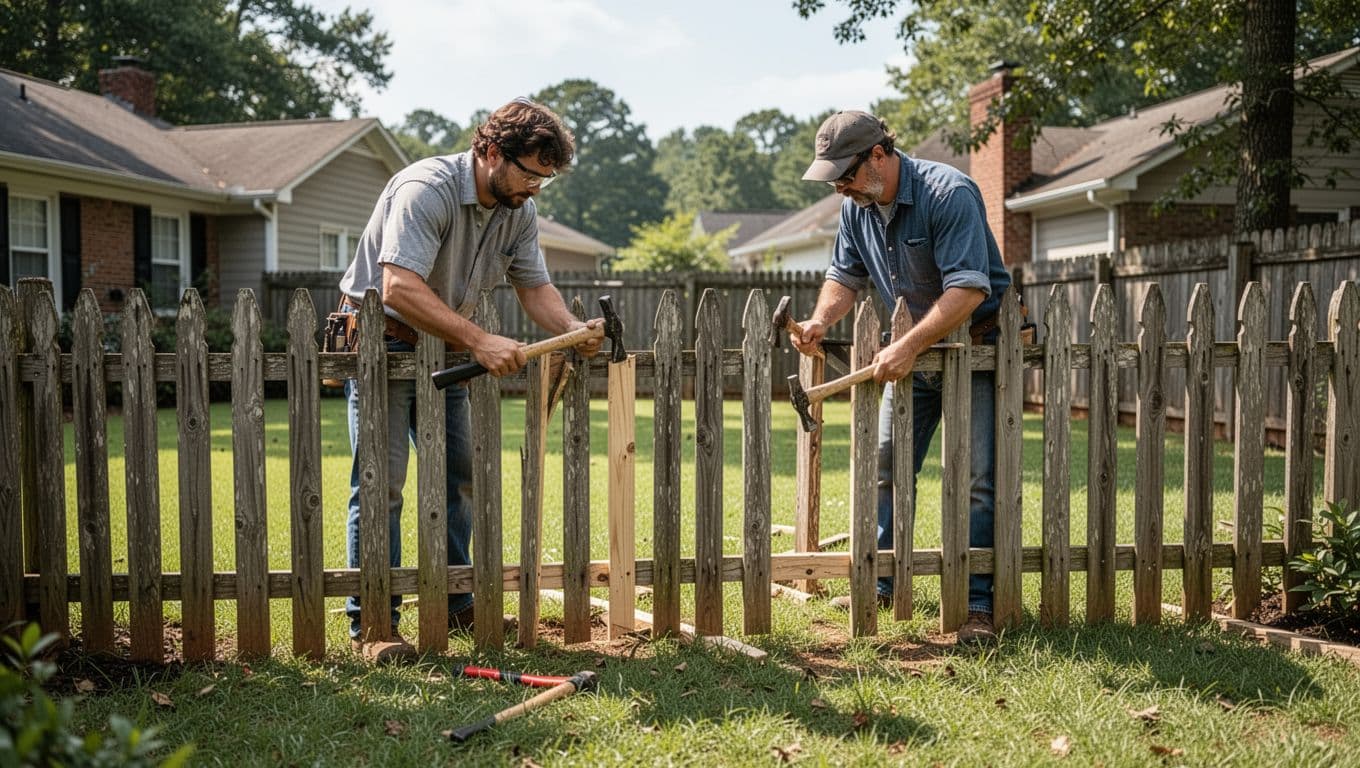
Fence material
Wood is usually the easiest and cheapest to remove. Boards come apart quickly, and crews can often stack them for haul-away without much trouble.
Chain-link is also common, but the price depends on the posts. If the wire is rusty and the fittings are old, the job slows down.
Vinyl and metal cost more because they take more effort to cut, separate, and load. Once a fence is heavy, the labor starts to matter as much as the material itself.
Length and height
Longer fences cost more because they take more time and create more debris. A 4-foot border around a small yard is a different job from a full 6-foot privacy fence around the back lot.
Height matters too. Taller panels usually weigh more, and that means more handling. Even a simple project can stretch out if the fence runs around the whole property.
Posts and footings
Posts are one of the biggest price drivers. If they pull out of the ground cleanly, the work goes faster. If they are set in concrete, the crew has to break, dig, or cut them out.
That extra labor changes the quote fast. It also affects the cleanup at the end, since holes, concrete chunks, and disturbed soil may need attention before the yard looks finished.
Access and disposal
Tight side yards, locked gates, steep grades, and narrow driveways all add time. Atlanta neighborhoods vary a lot, so one house may be easy to work on while the next needs more hand carrying.
Disposal matters too. Some jobs include haul-away, while others charge it separately. If the fence is mixed with concrete, metal, or heavy debris, the dump cost can rise.
Planning your removal project
The best quotes start with good measurements. Measure the fence in linear feet, note the height, and count any gates or corners. Photos help too, especially if the fence is leaning, broken, or partly buried.
Before you ask for bids, write down a few details:
- Fence type . Wood, vinyl, chain-link, or metal all price differently.
- Linear footage . A precise measurement gives you a cleaner estimate.
- Post setting . Ask whether the posts are in soil or concrete.
- Disposal needs . Find out if haul-away, dump fees, and cleanup are included.
That kind of prep helps you compare quotes side by side. It also keeps a contractor from guessing at the scope.
If the removal is part of a wider yard refresh, residential lawn care and landscaping services can help with the cleanup, grading, or bed prep that often follows fence work.
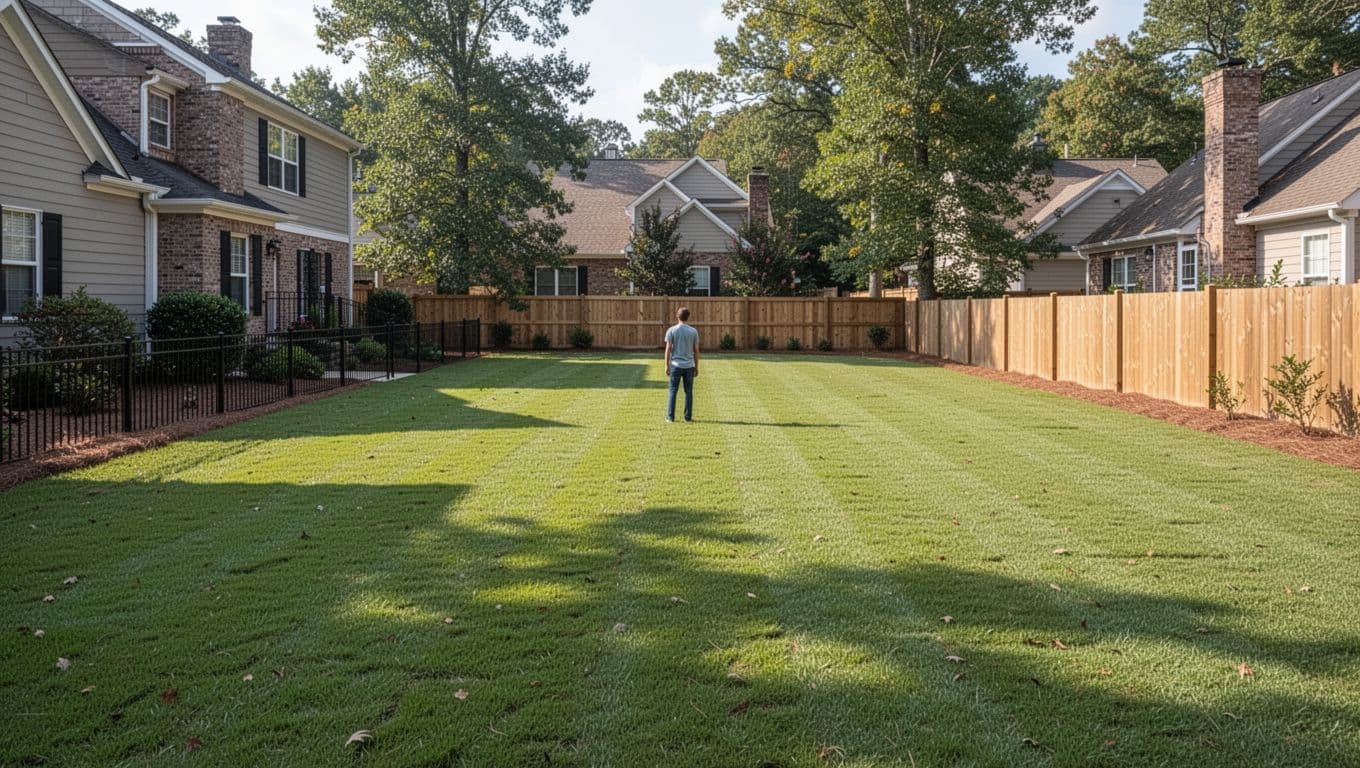
Once the fence is gone, the yard opens up fast. That makes it easier to spot uneven ground, drainage issues, or areas that need a fresh plan before the next project begins.
DIY or hire a crew
DIY fence removal can save money on small, simple jobs. It works best when the fence is short, the access is easy, and the posts are not set in concrete.
Even then, the hidden costs show up quickly. You may need pry bars, bolt cutters, post pullers, a saw, gloves, a truck, and a place to dump the debris. If you rent equipment or pay landfill fees, the savings shrink.
Hiring a crew makes more sense for larger or heavier jobs. It also helps when the fence is old, unstable, or close to a structure you do not want damaged. A trained team can remove sections faster and leave the yard cleaner.
For most homeowners, the real question is time. If a weekend project turns into two weekends, the lower price starts to lose its edge.
Local rules, HOA limits, and debris pickup
Fence removal itself may not need a permit in every case, but fence replacement, boundary changes, and bigger demolition jobs can trigger local requirements. Confirm current city, county, and HOA rules before work starts.
Utility marking matters too. Call for marking before any digging around posts, especially if the fence is near gas, power, or irrigation lines. That step is simple, and it can prevent a costly mistake.
A low quote can hide add-ons. Ask what happens if the posts are set in concrete or if the crew finds extra cleanup work.
Disposal is another place where costs shift. Some facilities charge differently for wood, metal, and mixed debris. In Atlanta, tight driveways and limited truck access can also affect how long pickup takes. Rain adds another wrinkle, since clay soil gets slick and cleanup takes more time.
How to read a fence removal quote
A fair quote should tell you what is included, not just the total. If one estimate includes haul-away and another does not, the cheaper number may not be cheaper at all.
Ask for clear line items when possible. The most useful quotes explain the footage, the material, the post type, and the disposal plan. They also spell out whether the crew will fill holes, rake the area, or leave the site rough.
That matters because the final invoice often depends on small details. A few extra concrete footings or a hidden section behind shrubs can change the job. Clear scope protects both sides.
Fixed pricing usually works best for fence removal. It gives you a cleaner comparison and keeps the budget from drifting once the work begins.
Conclusion
Fence removal in Atlanta is straightforward only when the fence is short, light, and easy to reach. In most cases, material, concrete footings, access, and haul-away decide the final price more than anything else.
A realistic plan keeps the Atlanta fence removal cost under control. Measure the fence, ask what the quote includes, and confirm local rules before the first post comes out.
Once the old fence is gone, the next step is easier to plan, whether that means a new fence, a cleaner yard, or a full property refresh.