Atlanta Sandspur Control for Bermuda and Zoysia Lawns
Sandspurs can turn a good lawn into a barefoot hazard fast. The burs hide low in the grass, then catch on shoes, socks, pet fur, and mower tires.
In Metro Atlanta, they show up most often where Bermuda or zoysia has thinned out. Hot weather, compacted soil, and patchy watering give them room to move.
Good sandspur control in Atlanta starts with the right timing and the right turf care. If you treat them like a simple weed problem, they usually come back. If you handle prevention and active growth differently, you get better results.
How Sandspurs Spread in Warm-Season Lawns
Sandspurs are summer annual weeds, which means they germinate, grow, set seed, and die in one season. In Atlanta, they get going when soil temperatures warm in spring and early summer.
The plants often begin in thin areas, along driveway edges, beside sidewalks, and in spots that dry out faster than the rest of the yard. Once they mature, the burs dry and break loose easily. That is when the lawn stops feeling like a lawn and starts feeling like a trap.
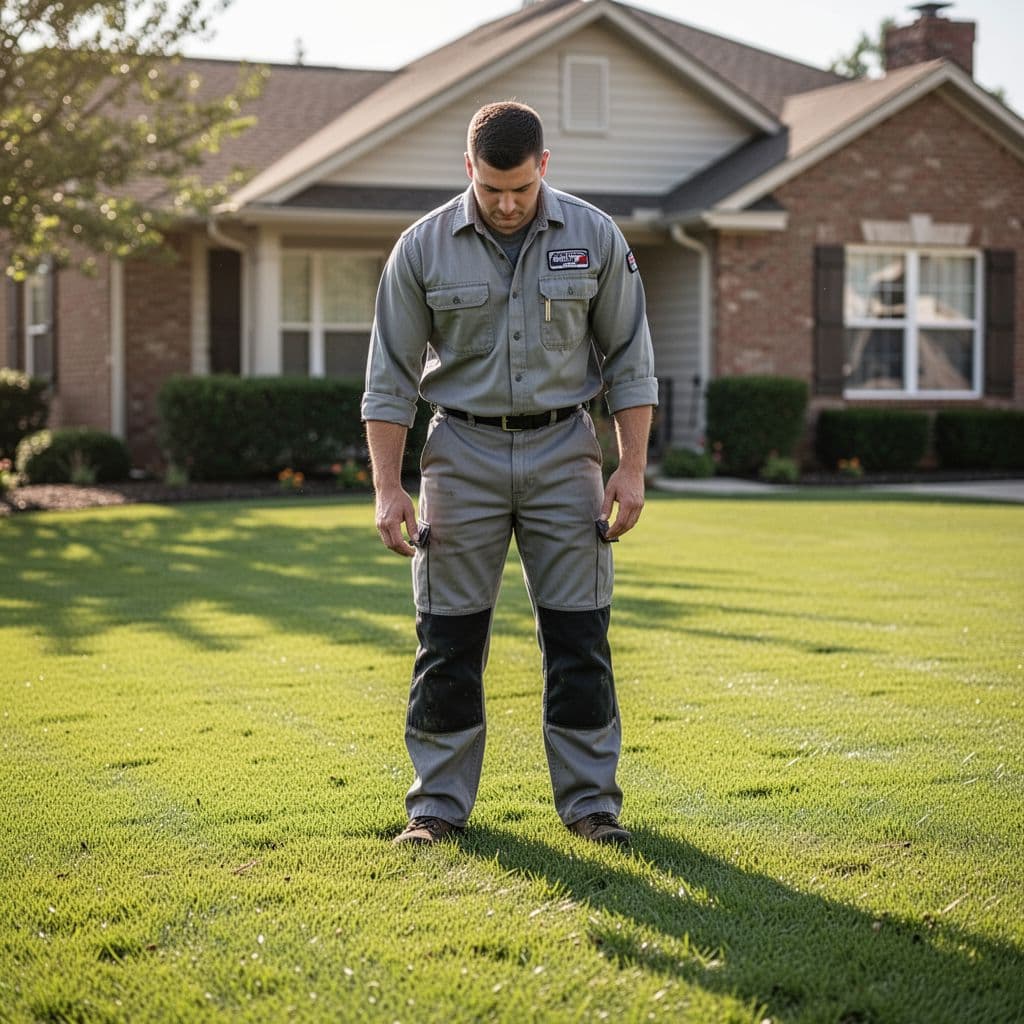
A healthy lawn can still get hit if the turf gets stressed. Heat, low mowing, and poor soil coverage all make sandspurs more likely. So do open borders near bare ground or disturbed areas.
The bur itself is the giveaway. It feels like a tiny sticker with attitude, and by the time you notice it, the plant has usually already seeded.
Bermuda and Zoysia Need Different Care
Bermuda and zoysia are both warm-season grasses, but they do not respond the same way to stress or repair. That matters when you choose a treatment plan.
Here is a quick side-by-side look.
| Turf type | Sandspur control focus | Common weak spots |
|---|---|---|
| Bermuda | Recovers faster, but thin spots invite weeds quickly | Scalped areas, dry slopes, worn traffic lanes |
| Zoysia | Grows dense, but fills in more slowly after damage | Shade, heavy traffic, compacted soil |
The main takeaway is simple. Bermuda can rebound faster after light damage, but it also shows thin spots quickly. Zoysia usually holds weeds back better when it is thick, yet it takes longer to recover if you injure it.
That is why a product that works on one lawn may not fit the other. Some herbicides are labeled for Bermuda but not zoysia, and some are the other way around. Always check the label, confirm turf tolerance, and test a small area first if the product allows it.
Prevention That Keeps Sandspurs Out
The best sandspur control is a thick lawn that leaves no opening for weeds. That means the day-to-day care matters more than many homeowners expect.
Start with mowing. Keep Bermuda and zoysia at the right height for the variety you have, and avoid scalping. Cutting too low opens the canopy and exposes soil, which is exactly what sandspurs want.
Watering matters too. Deep, less frequent watering is better than a daily sprinkle. It helps the turf root deeper and stay steadier through dry stretches. Shallow watering does the opposite, since it keeps the top layer weak and easy to invade.
A steady mowing schedule helps, and routine residential grass cutting keeps Bermuda and zoysia thick enough to crowd out new weeds.
A few other habits make a difference:
- Fill bare spots fast. Open soil is an invitation.
- Keep mower blades sharp. Ragged cuts stress turf.
- Check edges and drains. Weeds often start where grass meets hardscape.
- Clean up burs and seedheads. One missed patch can spread the problem.
- Watch traffic zones. Paths, play areas, and pet runs thin out first.
Thick turf is the long-term fix. If the lawn stays open, sandspurs keep finding a way back.
Fertilizer also plays a role, but only when it fits the grass type and season. Too little feed leaves weak turf. Too much can cause growth bursts that are hard to maintain. Keep the plan steady and turf-specific.
What To Do When Burs Are Already There
Once sandspurs are visible, you are no longer in prevention mode. At that point, the goal is to stop more seed from dropping and remove the plants already in place.
If you only see a few plants, hand-pulling can work. Pull them before the burs dry and break off. Wear gloves, and bag the weeds so you do not spread seed while cleaning up.
For larger outbreaks, use a product that is labeled for sandspurs and safe for your turf. That label matters more than the brand name. Different products have different turf tolerance, and Bermuda and zoysia do not always react the same way.
A pre-emergent helps before the seeds sprout, but it will not erase plants that are already growing. For an active patch, you need either a labeled post-emergent treatment or physical removal. Some homeowners spray too late, then wonder why the burs still show up. By then, the seed may already be in the soil.
Heat stress is another concern in Atlanta. Avoid spraying when the lawn is already stressed by drought, disease, or recent scalping. Turf under stress can brown out faster and recover slowly.
Seasonal Timing for Metro Atlanta Lawns
Timing is where many sandspur problems begin. Atlanta weather can shift the window by a few weeks, so watch soil warmth and lawn growth, not just the calendar.
| Season in Metro Atlanta | What is happening | Best move |
|---|---|---|
| Late winter to early spring | Soil starts warming, new seedlings are getting ready | Apply a labeled pre-emergent before germination begins |
| Late spring to early summer | Existing sandspurs start showing up in thin turf | Mow correctly, water well, and spot treat only where the label allows |
| Late summer | Burs dry out and spread fast | Remove plants, collect burs, and keep traffic off the worst areas |
| Fall and winter | Weed pressure slows, turf still needs repair | Fill bare spots, improve soil coverage, and plan next spring's prevention |
Spring is the most important window for prevention. Once summer heat settles in, you are often chasing plants that already have a head start. Fall is still useful, though, because you can repair the damage before next season begins.
Weather also changes the schedule. A warm February may move everything up. A cool spring may buy you a little time. Either way, the lawn tells the story faster than the date on the calendar.
When a Lawn Crew Makes the Difference
Some sandspur problems keep coming back because the lawn itself is the real issue. Thin turf, compacted soil, uneven watering, and bad mowing habits all create repeat trouble.
That is where regular maintenance helps. A crew can keep mowing on schedule, watch for weak spots, and handle cleanup before burs spread across the yard. It also helps when Bermuda and zoysia are mixed across the property, since each area may need a different pace of care.
If you have recurring sandspurs around driveways, play areas, or slopes, the fix may be part weed control and part turf repair. In many Atlanta yards, that combination works better than chasing every plant one at a time.
Conclusion
Sandspurs are stubborn, but they are not mysterious. They thrive where turf is thin, soil is stressed, and timing is off. Bermuda and zoysia can handle them better when the lawn stays dense and the treatment matches the grass type.
The strongest plan is still the simplest one. Prevent new weeds before they sprout, treat active plants with labeled products, and keep the lawn thick enough to close the gaps. When the burs show up, quick action and label-safe treatment make the biggest difference.