Atlanta Smutgrass Control for Bermuda and Zoysia Lawns
Smutgrass can hide in plain sight until a lawn starts to look rough in patches. In Atlanta, that happens fast in summer because warm-season turf and thin spots give weeds room to move.
Good Atlanta smutgrass control starts with two things, accurate identification and the right timing for your turf. Bermuda and Zoysia do not react the same way, so a one-size plan often wastes time and can hurt the lawn.
Why smutgrass shows up in Atlanta lawns
Atlanta's heat helps smutgrass gain a foothold when turf gets stressed. It likes open soil, thin grass, and spots that dry out fast.
The weed usually shows up first where the lawn is already weak:
- along driveways and sidewalks
- near compacted soil and foot traffic
- in thin spots after drought or disease
- around irrigation gaps, slopes, and tree roots
Once it settles in, smutgrass can blend into a warm-season lawn until it starts forming clumps. That is why homeowners often mistake it for a normal patch of grass at first.
Mowing habits matter too. Turf that stays too tall, too short, or uneven often thins out. When that happens, smutgrass gets more sunlight and more room to spread.
How to identify smutgrass before you treat
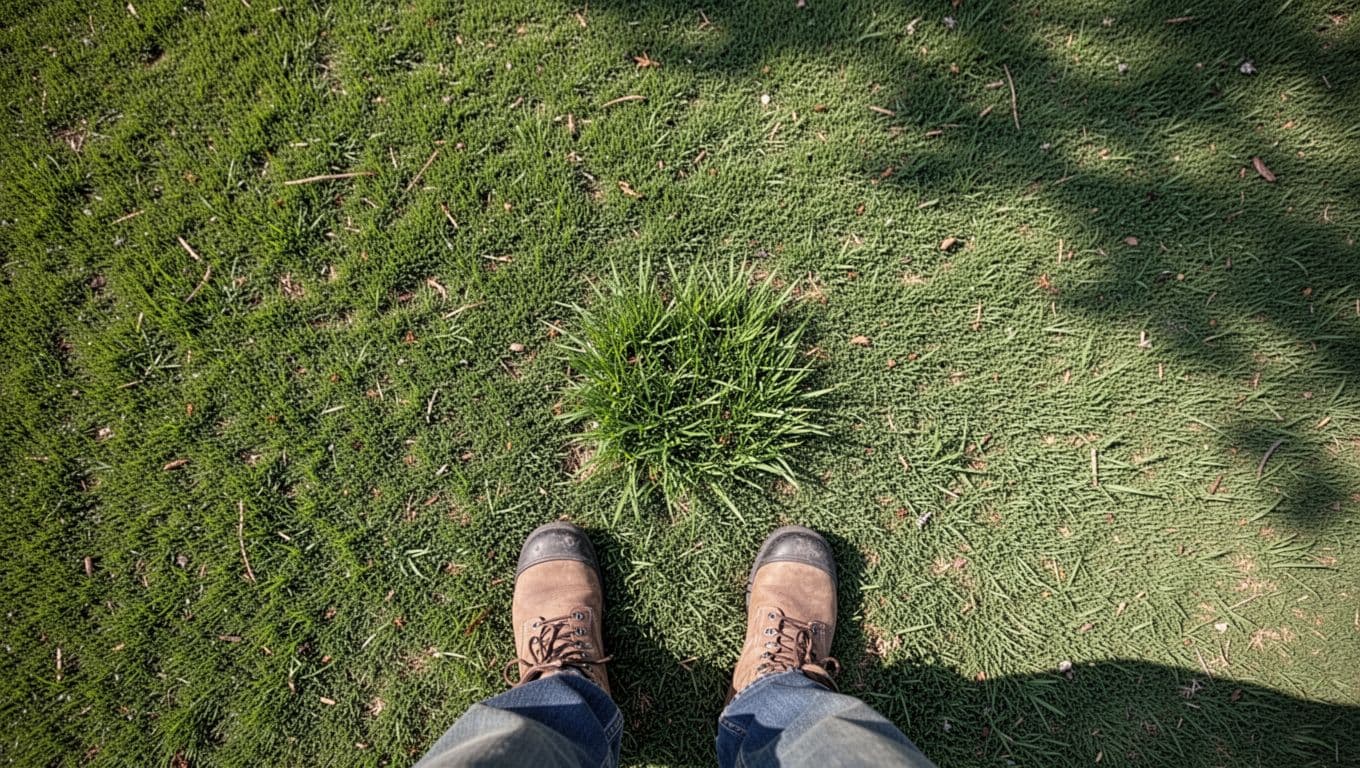
Smutgrass is a bunch-type weed, so it grows in clumps instead of spreading like Bermuda. The blades are usually coarser than the lawn around them, and the color can look lighter or duller.
Look for these signs:
- upright clumps that stand above the turf
- a rough texture compared with Bermuda or Zoysia
- airy seedheads in warm weather
- patches that do not blend into the rest of the lawn
If you are unsure, wait and identify it first. A wrong spray can injure Bermuda or Zoysia faster than smutgrass will.
Smutgrass is often confused with crabgrass, dallisgrass, or even a stressed patch of turf. That mistake matters, because the best treatment depends on what you are really seeing.
A quick tug test can help. If the clump pulls up from a single crown and feels separate from the surrounding lawn, that is a strong clue. Still, the safest move is to confirm the weed before spraying.
Bermuda and Zoysia need different control plans
The same herbicide schedule does not fit both lawns. Bermuda usually tolerates more recovery, while Zoysia needs a lighter touch and tighter label reading.
| Turf type | Best control window | Main caution |
|---|---|---|
| Bermuda grass | When smutgrass is actively growing and Bermuda has fully greened up | Avoid spraying drought-stressed turf |
| Zoysia grass | When the lawn is actively growing and the label allows treatment | Watch for injury, and favor spot treatment when possible |
That difference drives the whole plan. Bermuda often gives you more room for follow-up treatments, while Zoysia punishes rushed applications.
Bermuda grass control: act while the weed is growing
Bermuda lawns usually handle weed control best when the turf is healthy and actively growing. That means late spring through summer in Atlanta, after the lawn has greened up well.
Target smutgrass early, while the clumps are still small. Spot-treating works better than blanket spraying when the infestation is light. If the first treatment only burns the top growth, expect a second round later.
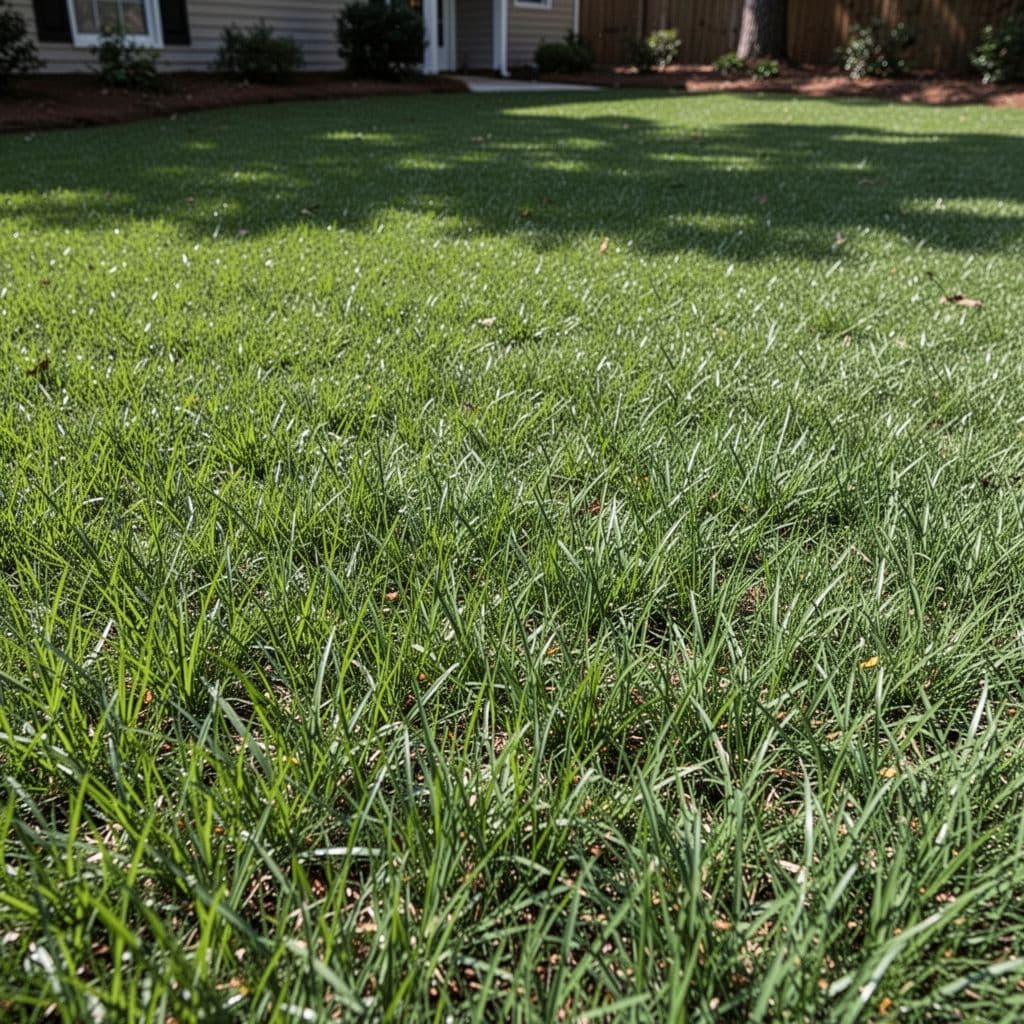
Healthy Bermuda can recover fast, but it still needs support. Keep mowing on a steady schedule, water deeply instead of lightly every day, and avoid scalping the lawn. If the turf is thin because mowing has been irregular, residential lawn care and mowing can help rebuild density so new weeds have less room to settle in.
A strong Bermuda lawn is one of the best weed controls you have. The thicker the turf, the harder it is for smutgrass to hold on.
Zoysia grass control: slower, safer, and more selective
Zoysia gives you less margin for error. Some products that work well on Bermuda can be too harsh on Zoysia, especially in hot weather or on stressed turf.
That is why label reading matters more here. Use only a product that names Zoysia as safe, and follow the timing window closely. If the lawn is under heat stress, wait. If the infestation is small, spot-treat instead of covering the whole yard.
Zoysia also grows more slowly than Bermuda, so recovery takes longer. A treated patch may look messy for a while before it fills back in. That does not mean the treatment failed. It often means the lawn needs more time.
For many Zoysia yards, the best result comes from patience and a second look a few weeks later. Smutgrass control is often a process, not a one-time fix.
How to keep smutgrass from coming back
Once you knock down smutgrass, the next job is keeping the lawn dense. That starts with the basics.
Mow at the proper height for your turf. Water deeply, but not too often. Feed the lawn based on its growth, not on a random calendar. Thin turf almost always invites weeds back.
Soil compaction matters too. If water runs off fast or foot traffic keeps the same areas bare, smutgrass will return there first. Aeration, topdressing, and filling in thin spots can help more than another spray alone.
A few habits make a big difference:
- Inspect edges, slopes, and driveways every few weeks.
- Catch new clumps before they seed.
- Keep blades sharp so mowing doesn't shred the turf.
- Treat only when the weed and the lawn are both actively growing.
Multiple treatments are common. Smutgrass can survive a weak hit, then regrow from the crown. If the first application works slowly, give it time before re-treating.
Safety matters too. Read the label every time, wear gloves, and keep kids and pets off treated areas until the product has dried. Skip windy days so spray doesn't drift into beds or onto the wrong part of the lawn.
Conclusion
Smutgrass control in Atlanta starts with a close look, then a plan that matches the turf. Bermuda can usually take a more direct approach, while Zoysia calls for more caution and better timing.
If you focus on accurate identification , treat only when the weed is actively growing, and keep the lawn thick, you give the weed fewer chances to return. That is the kind of steady lawn care that pays off through another hot Georgia summer.
FAQ
When should you treat smutgrass?
Treat it when the weed is actively growing and the lawn has greened up well. In Atlanta, that usually means late spring through summer. Avoid spraying drought-stressed or dormant turf.
Does smutgrass die in winter?
The top growth often browns in winter, but that does not mean the plant is gone for good. It can return from surviving crowns or new seed when warm weather comes back.
Does smutgrass spread by seed?
Yes, seed is the main way it spreads into new areas. That is why seedheads matter. If you stop it before it seeds, you usually have an easier cleanup later.