
Rose Rosette Disease in Knock Out Roses: An Atlanta Guide
Rose rosette disease can turn a healthy Knock Out rose into a twisted mess fast. In metro Atlanta, where roses stay active for a long season, that matters even more. A plant that looks fine in spring can show strange growth by summer, and the right response is usually simple, but not easy: spot it early and remove the infected bush.
For Atlanta homeowners, the hard part is that the first signs can look like heat stress, herbicide drift, or rough pruning. Still, when several symptoms show up together, rose rosette disease moves to the top of the list. The sooner you act, the better chance you have of protecting the roses around it.
Why Atlanta gardens see this problem so often
Knock Out roses are everywhere in metro Atlanta because they bloom hard, handle heat, and fit almost any landscape. That popularity is part of the problem. When one disease likes a plant that many neighbors grow, it gets room to move.
Atlanta's long growing season gives rose rosette disease plenty of time to show itself. Warm spring weather, humid summers, and mild falls keep roses pushing new growth, and that new growth is what often looks odd first. A plant may seem fine in March, then start putting out red, tangled shoots by June or July.
That is why weekly or biweekly checkups matter here. Fast growth can hide a problem until the canes start to fork and crowd each other. A broad property-care routine helps too, because roses are easier to inspect when the rest of the yard stays trimmed. Professional lawn maintenance keeps clutter down and makes problem plants stand out.
Symptoms that deserve a closer look
The first clue is often growth that looks out of place. Healthy Knock Out roses usually make sturdy canes and clean, full blooms. An infected plant starts to look messy in a way that can't be blamed on one bad afternoon.
Watch for these signs on a rose bush:
- New growth that turns red or purple and stays that way instead of maturing normally
- Clusters of short, stubby shoots that grow close together, often called witches' broom
- Extra-thick thorn growth along the stems
- Leaves or flowers that twist, shrink, or look misshapen
- Weak, rushed growth that looks soft and out of balance
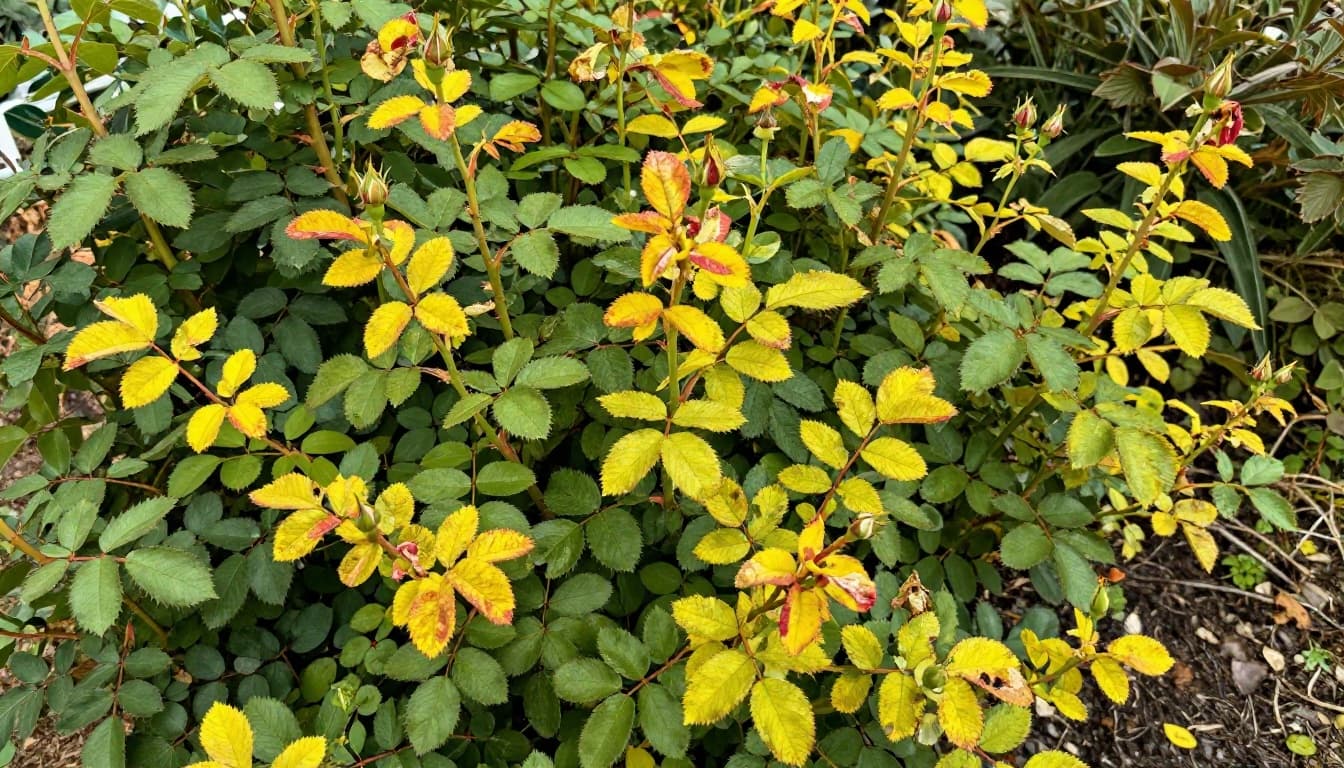
A single odd leaf doesn't mean the plant has rose rosette disease. Drought, herbicide drift, heat, and pruning can all cause stress. However, when the red growth, strange thorns, and twisted shoots show up together, the plant deserves a hard look.
If several symptoms show up at once, treat the rose as suspicious and move fast.
That simple pause can save the rest of the bed.
How rose rosette disease spreads
Rose rosette disease is caused by a virus, but the real mover is a tiny eriophyid mite. You usually won't see it without close inspection. It feeds on the plant and carries the disease from one rose to another.
That matters in neighborhood landscapes, where roses sit close together. A healthy-looking bush can be near an infected one for a while before the problem becomes obvious. By then, nearby plants may already be at risk.
This is also why Georgia Extension and university sources keep getting mentioned in local rose conversations. They point homeowners back to the same idea, watch closely, confirm carefully, and remove infected plants quickly. There is no simple spray that fixes the problem.
The disease is not the same as black spot or powdery mildew. Those can often be managed. Rose rosette disease is a different fight, and it needs a different response.
What to do when a Knock Out rose looks infected
Once a plant shows classic symptoms, don't try to nurse it back to health. Rose rosette disease is generally considered incurable, and the safest move is removal.
A simple response plan works best:
- Confirm the pattern first. Compare what you see with photos from Georgia Extension or a university factsheet. One symptom alone is not enough.
- Remove the entire plant. Dig out the bush, roots and all, so the infected rose is gone.
- Bag and dispose of the material. Don't compost it or leave pieces in the bed.
- Clear the area. A clean bed makes it easier to watch nearby roses and spot new trouble early.
Do not save cuttings for later pruning jobs, and do not share them with neighbors. If you want a replacement, wait and ask a local extension office before planting another rose in the same spot.
If the removal leaves the bed messy, spring and fall clean-up Atlanta can help reset the space and remove leftover debris.
The goal is simple. Get the problem plant out before the mites move farther through the landscape.
Prevention steps for metro Atlanta landscapes
Prevention starts with distance and routine care. If you plant roses, give them room to breathe, and avoid crowding them into tight beds where problems are hard to see. Good airflow helps the bed stay dry, and dry foliage is easier to inspect.
It also helps to build a habit around maintenance. Walk the yard after storms, after pruning, and during the peak bloom months. In Atlanta, that means checking roses often from late spring through fall. A monthly glance is not enough when the plant is pushing new growth for so much of the year.
A few practical habits make a real difference:
- Buy roses from a reliable nursery and inspect them before planting.
- Avoid bringing in a plant that already looks weak or oddly red.
- Keep the bed neat so new growth is easy to spot.
- Remove any rose that starts showing the full symptom pattern.
- Watch nearby roses for a few weeks after a removal.
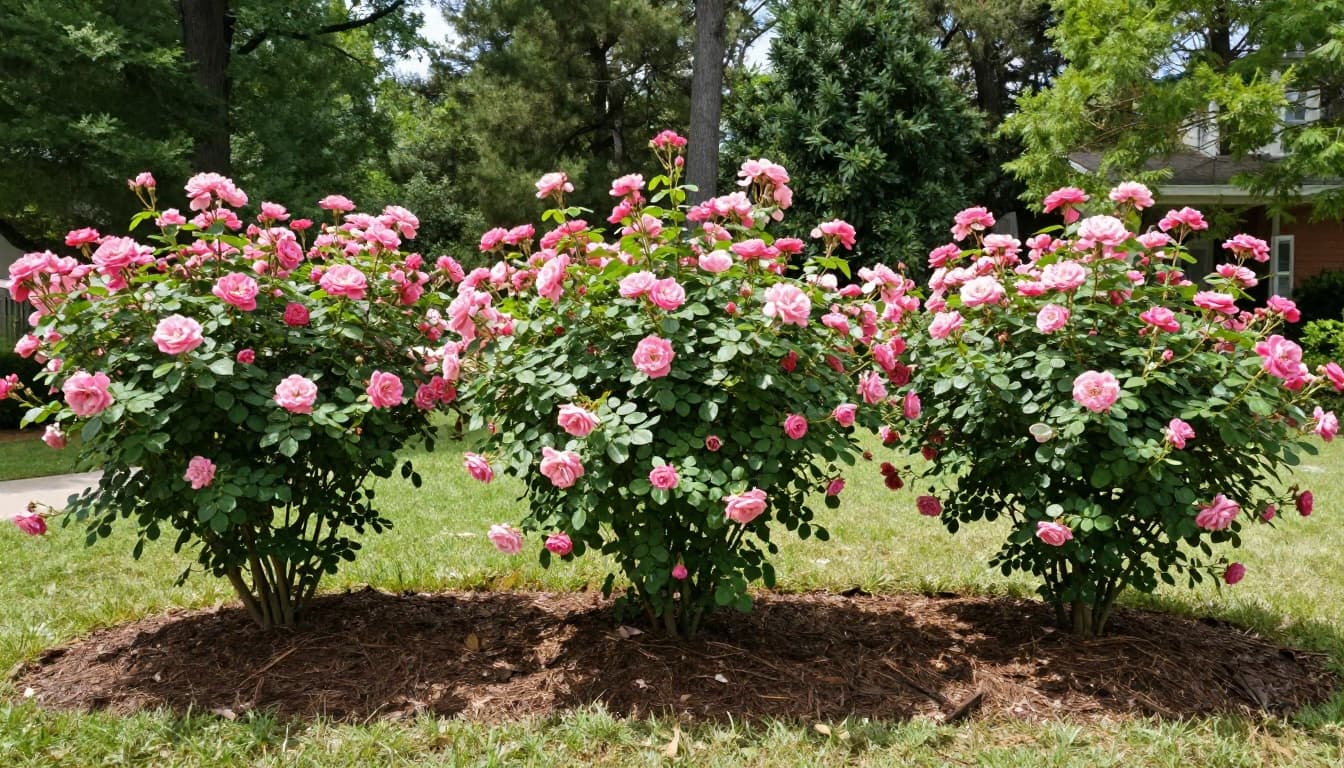
Mulch helps too. It won't stop rose rosette disease on its own, but it does keep the area cleaner and easier to monitor. A fresh bed also makes stress easier to read, which helps you tell disease apart from simple neglect. If your landscape beds need a refresh, fresh mulch for healthy yards can support that routine.
Healthy roses and well-kept beds go hand in hand. When the landscape is maintained, odd growth stands out faster, and fast detection is the whole game here.
Conclusion
Rose rosette disease is one of those problems that rewards quick action. A Knock Out rose that shows red, twisted, thorny growth usually won't recover, and waiting only gives the disease more time to spread.
For Atlanta homeowners, the best defense is simple, regular eyes-on inspection and prompt removal of infected plants. That approach protects the rest of the bed and keeps the landscape looking clean through a long growing season.
FAQ
Can I save a rose if I prune it hard?
No. Hard pruning won't cure rose rosette disease. If the symptom pattern fits, removal is the safer choice.
Is rose rosette disease the same as herbicide damage?
No, although the symptoms can look similar at first. Herbicide drift often hits several plants or leaves a broader pattern, while rose rosette disease usually shows a mix of red growth, extra thorns, and distorted shoots on the rose itself.
Should I check nearby roses after I remove one?
Yes. Keep an eye on the surrounding plants for a few weeks, especially in a mixed rose bed. Early spotting is the best way to limit trouble.
Can mulch help prevent it?
Mulch does not stop the disease, but it helps keep the bed neat and easier to inspect. That makes early detection simpler, which matters a lot with rose rosette disease.