Atlanta Bed Edging Guide For Crisp Lines That Stay Put
A sharp bed edge is like a picture frame for your yard. It makes mulch look cleaner, plants pop more, and mowing feels easier.
If you've tried bed edging atlanta style before, you already know the challenge: our heavy rains, fast-growing warm-season grass, and compacted soil can soften a "perfect" edge in a hurry.
This guide walks you through picking the right edge style, cutting it cleanly, and keeping it crisp through storm season, weekly mowing, and everyday foot traffic.
Why bed edges blur out in Atlanta yards
Edges don't fail because you "did it wrong." They fail because the border is a high-traffic, high-water line where turf, soil, and mulch constantly compete.
Common Atlanta-area edge wreckers:
- Summer downpours : Heavy rain can undercut a freshly cut trench, especially on slopes. As water rushes along the bed, it carries soil and mulch with it, then your crisp line caves in.
- Clay-heavy soil : When soil is sticky wet, it smears instead of slicing clean. When it dries, it can crack and crumble. Both make edges lose definition.
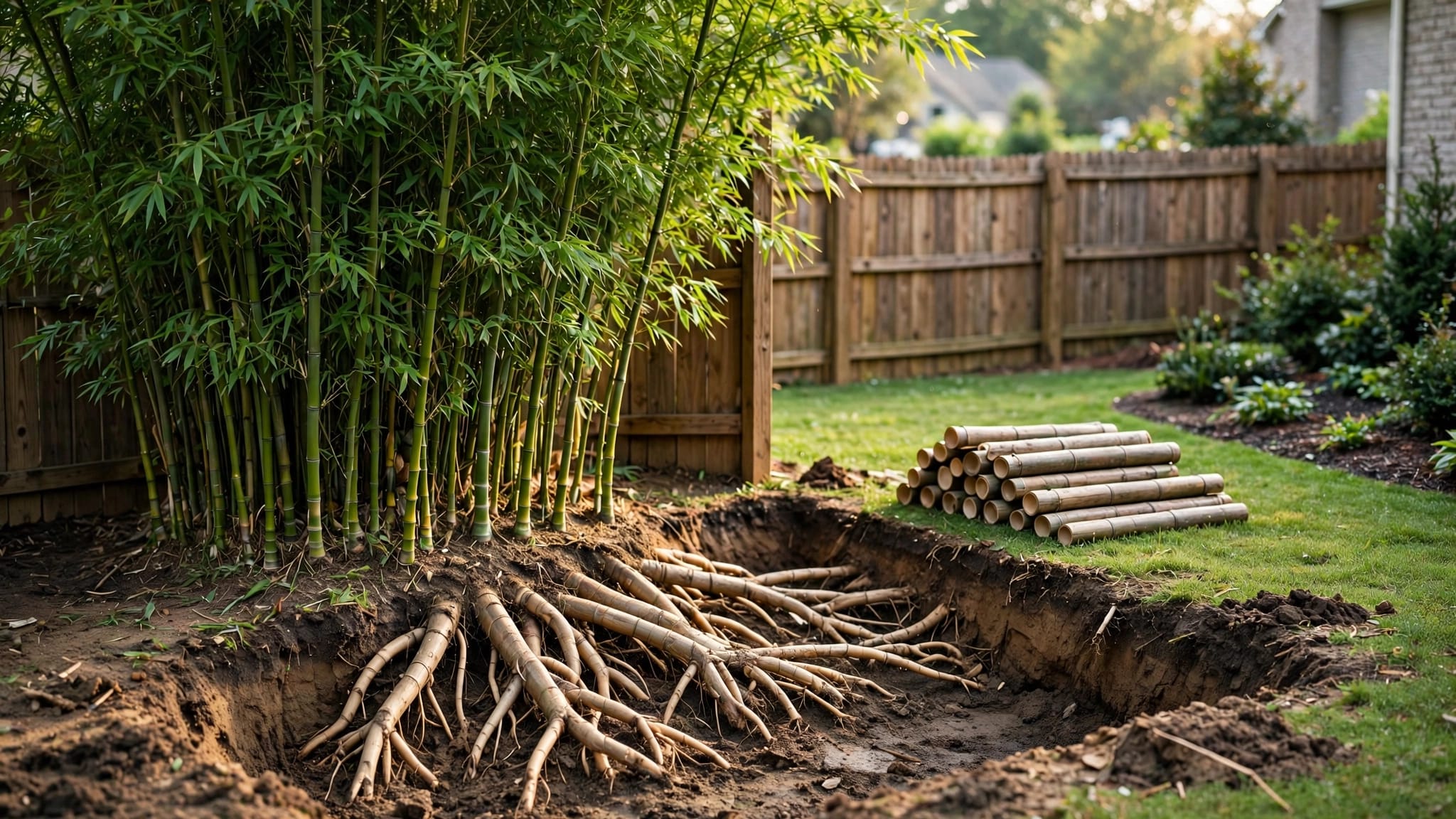
- Aggressive turf (Bermuda and zoysia) : These grasses spread sideways. If your edge isn't deep and maintained, runners creep right back into beds.
- String trimmer damage : Trimmers can "eat" the bed wall, fray the edge, and fling mulch into the grass. The result is a wavy, scalloped border.
- Mower wheels riding the edge : One pass too close compresses the lip and breaks it down over time.
A bed edge lasts longer when it controls water first, grass second, and looks third. If you reverse that order, storms and growth will undo your work.
Choosing the right bed edging method (trenched vs hard edging)
You've got two practical paths: a natural trenched edge (a cut soil trench) or installed hard edging (metal, plastic, brick, or stone). The best choice depends on how formal you want the lines, how often you mow, and whether runoff hits that bed.
Right after you decide, set one rule for the season: don't keep changing the bed shape . Consistent maintenance beats "redoing" the edge every few months.
Here's a quick way to compare options:
| Edging option | Best for | What to watch out for |
|---|---|---|
| Natural trenched edge | Most homes, curved beds, fast refreshes | Can slump after big rains, needs touch-ups |
| Steel edging | Crisp straight lines, long runs, modern look | Needs careful install depth, can heave if shallow |
| Plastic edging | Budget installs, gentle curves | Can pop up, looks wavy over time |
| Brick/stone border | Formal beds, front entries | Requires level base, can redirect runoff |
If you manage an HOA entrance, storefront, or shared green space, consistent edge detailing matters even more because every visitor sees it first. That's where recurring upkeep from an Atlanta crew can pay off. RW Lawn Co covers that kind of work through their edge detailing and bed upkeep in Atlanta service line for high-visibility properties.
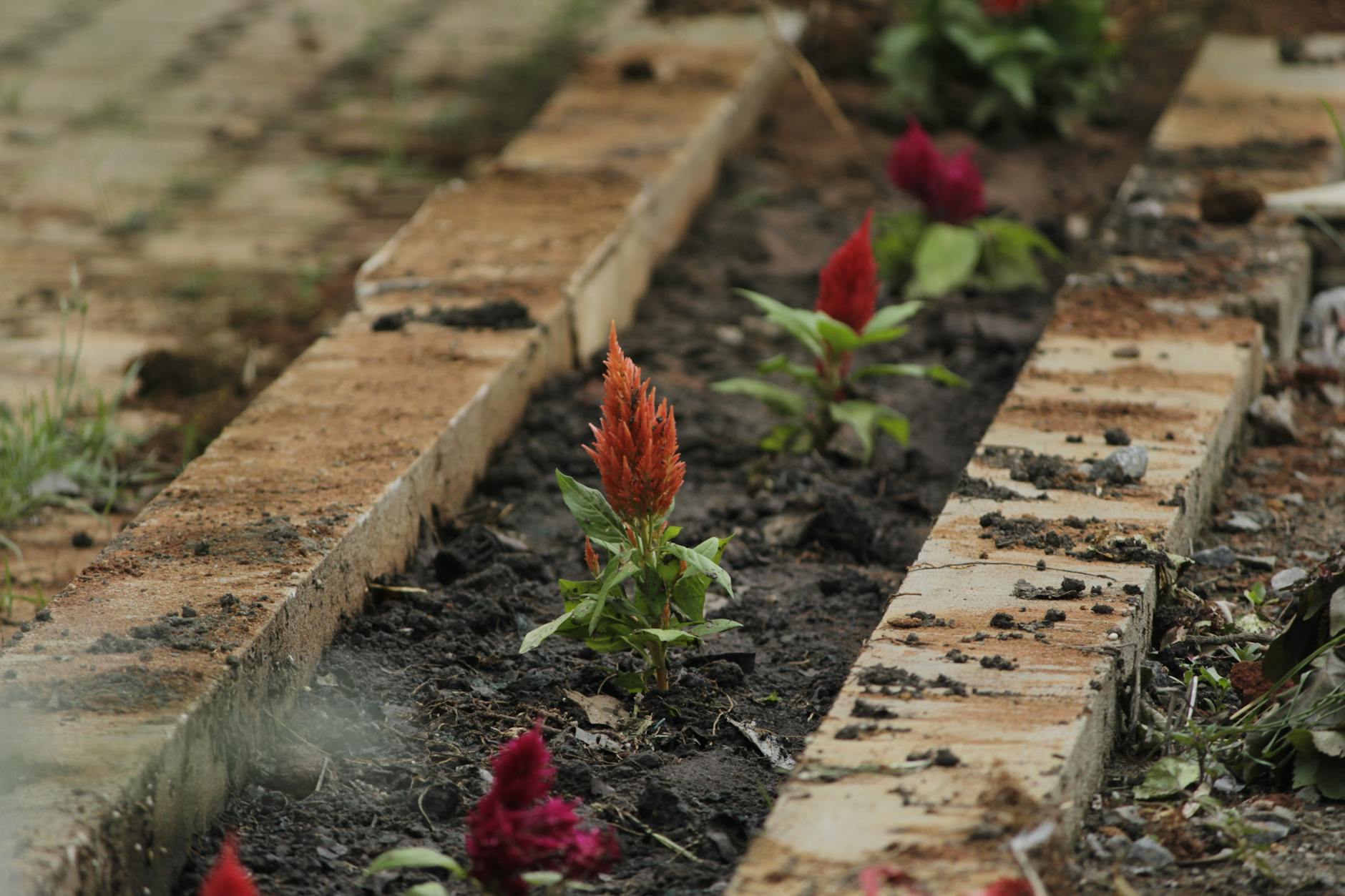
Photo by Saravanan Narayanan
Step-by-step: bed edging that stays crisp through mowing and storms
Clean edging is mostly about layout, depth, and a stable bed wall . Don't rush the setup. A few extra minutes now saves hours later.
Tools and materials checklist
Keep this simple. Use what you'll actually maintain.
- Half-moon edger or sharp spade
- Hand weeding tool (for runners at the edge)
- String line or garden hose (for layout)
- Rake and broom (cleanup makes the edge look sharper)
- Mulch (or pine straw), plus a shovel
- Optional: manual tamp, small level (for hard edging installs)
Safety notes: Wear eye protection when trimming and edging. Use ear protection with power edgers. If you're installing any hard edging that needs digging, call 811 to locate utilities before you cut trenches or drive stakes.
Numbered edging steps (natural trench edge)
- Mark the line you want.
Use a hose for curves and a string line for straight runs. Step back and check it from the street. - Cut a clean outline first.
Press the spade straight down along the line. Take your time here because this cut becomes the "face" everyone sees. - Create a trench with real depth.
Remove a narrow wedge of soil from the turf side, aiming for a trench about 3 to 4 inches deep. That depth slows grass spread and helps mulch stay put. - Shape the bed wall, not just the trench.
Slice the bed side so it's slightly angled back (not undercut). A vertical wall looks sharp, but a slight angle holds better after rain. - Pull turf runners and roots at the border.
Don't just cut them. Remove them from the first few inches inside the bed so they don't reconnect. - Refresh mulch the right way.
Keep mulch off the edge face. Build mulch up inside the bed, then taper down toward the trench. That taper helps rain settle mulch instead of pushing it out. - Clean the line.
Rake loose soil into the bed, then broom hard surfaces. That final cleanup is what makes the edge read "crisp" from 20 feet away.
If your yard has a slope, watch how water moves during the next storm. When runoff cuts across a bed, add a small berm inside the bed or redirect downspouts so water doesn't hammer the edge.
Keeping lines sharp: a realistic maintenance rhythm (plus quick fixes)
A good edge isn't "set it and forget it." Think of it like a haircut. The shape holds, but it needs trims.
Simple upkeep that prevents rework
Plan on a light touch-up during the growing season:
- Every 2 to 4 weeks (spring through early fall): hand-pull runners that cross the line, then spot-cut shallow sections that softened.
- After heavy rain: rake mulch back into place before it mats into the turf.
- When mowing: keep mower wheels off the bed lip, and avoid scalping turns near borders.
Troubleshooting callouts (common Atlanta problems)
If your edge keeps failing in the same spot, treat it like a drainage clue, not an edging problem.
- Edge collapses after rain: Your trench wall is likely undercut, or runoff is hitting that section. Recut the wall with a slight backward angle, then reduce water flow across the line (downspout extensions and better grading help).
- Grass creeps back fast: The trench isn't deep enough, or runners weren't removed. Recut to a consistent 3 to 4 inches and pull runners 2 to 3 inches into the bed.
- String trimmer frays the edge: Switch to light "top-only" trimming and keep the trimmer head vertical. Better yet, rely on the trench as the barrier and trim less.
- Mulch keeps washing out: Mulch may be too fine, applied too thick, or placed right on the edge face. Pull it back from the lip and taper it inward. On slopes, consider a heavier mulch or pine straw that knits together.
In February, it's smart to edge before spring growth takes off, then touch it up once the mowing cycle begins. That timing keeps bed lines clean when lawns green up and weeds start pushing.
Conclusion
Crisp bed lines don't come from one big weekend. They come from a solid cut, the right depth, and small touch-ups that keep turf from taking over. If you focus on water flow and trench shape, your bed edging will hold up far longer through Atlanta's storms and fast growth. Pick one method you can maintain, cut it clean, and keep mower and trimmer damage off the edge. Your beds will look framed, not fuzzy, all season.