Atlanta Boxwood Blight Guide for Foundation Shrubs

RW Lawn Co • May 1, 2026

Share this article

Boxwood blight can turn a tidy foundation bed into a patchy mess fast. In Atlanta, warm rain, thick shade, and long humid stretches give the disease a real advantage, especially where shrubs sit close to walls or crowd each other.

The good news is that you can catch it early, limit spread, and know when a shrub should come out instead of being babied. The trick is to read the plant, then act with a clear plan.

What boxwood blight looks like on Atlanta shrubs

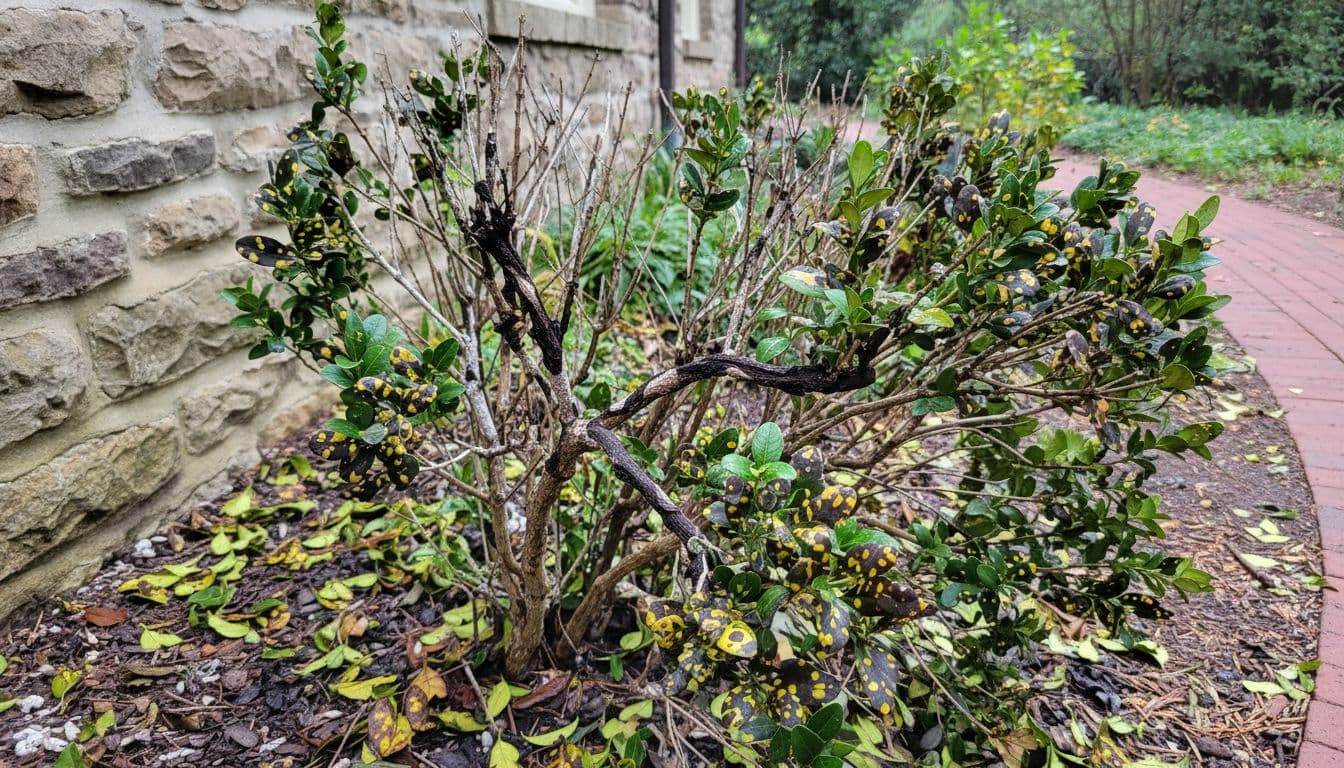
Early symptoms are easy to miss if you only glance at the tops of the shrubs. Look closer for small tan spots on leaves, dark purple or brown edges, and leaves that drop faster than normal.

A helpful clue is the stem. UGA's boxwood blight alert shows that black stem streaks and rapid defoliation are two of the clearest signs. When a boxwood starts looking thin from the inside out, that is a warning worth taking seriously.

Other problems can mimic blight at first. Winter burn, root stress, and some leaf spots can look similar. Still, black stem lesions plus fast leaf drop point toward boxwood blight more than most other issues.

Why Atlanta foundations are such a good fit for the disease

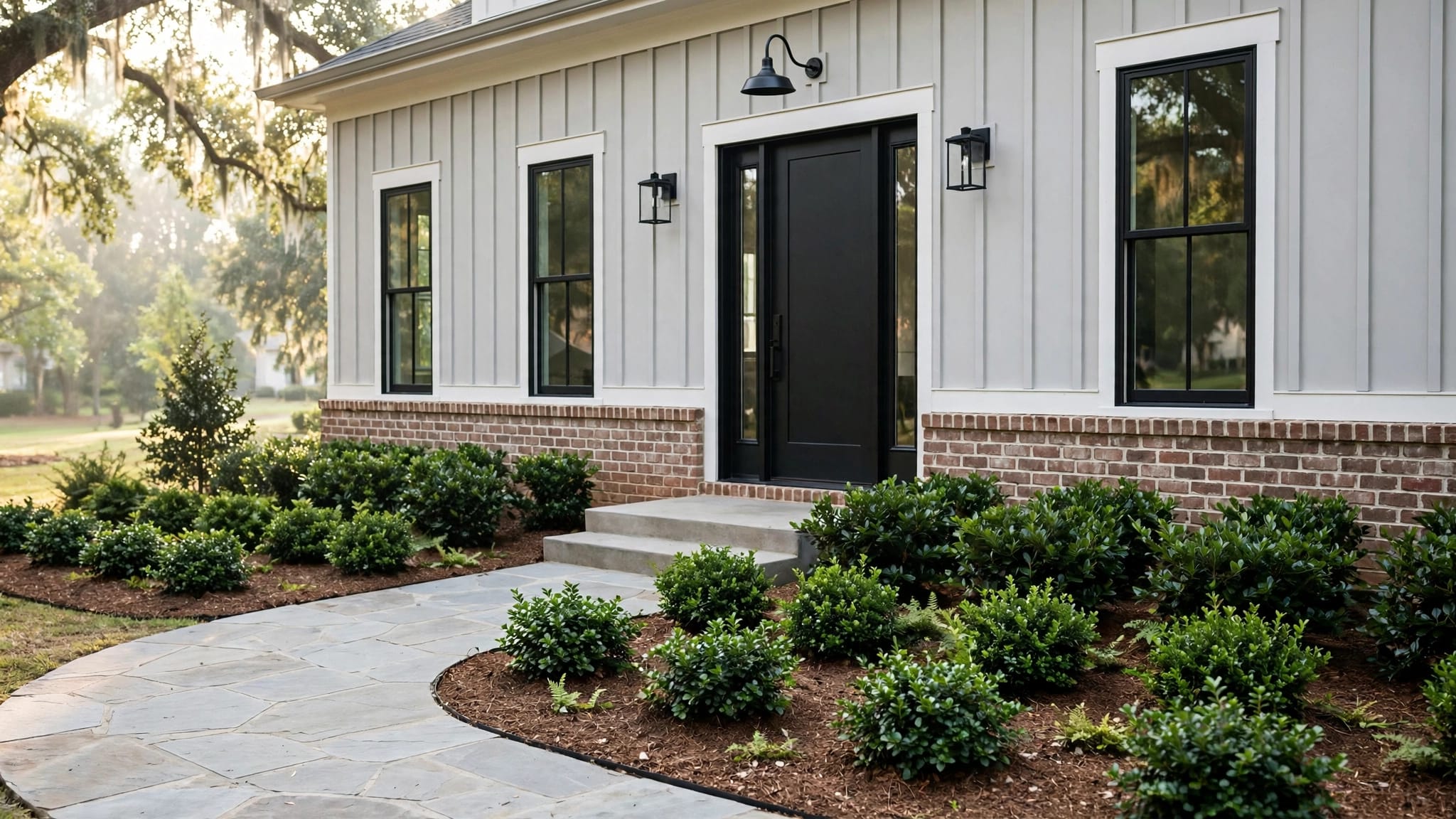
Foundation beds often hold moisture longer than open yard areas. Morning shade, reflected heat from walls, and tight planting spaces trap humidity around the leaves. That is bad news for boxwoods.

In North Georgia, rain can keep shrubs wet for hours, and dense hedges slow airflow. Once spores move in, they spread by splashing water, pruning tools, shoes, and even hands. Georgia's recent boxwood blight update notes that wet weather helps the disease move fast through landscapes.

Poor drainage makes the risk even higher. If water lingers near the bed, start with the site, not the shrub. Proper yard grading for drainage can help foundation plantings dry out faster after heavy rain.

For property managers, this matters even more. One sick plant in an entry bed can become a whole-row problem if crews keep moving from shrub to shrub without cleaning up.

Decide whether to monitor, confirm, or remove

Not every tired-looking boxwood needs to come out right away. Some shrubs just need a close watch. Others need to be removed quickly so the rest of the bed stays safe.

Situation What to do Why it matters
A few spotted leaves, no stem lesions, no spread Monitor weekly and prune only when dry Other issues can look similar
Spots plus black stem streaks or heavy leaf drop Send a sample through a county extension office Confirmation keeps you from guessing
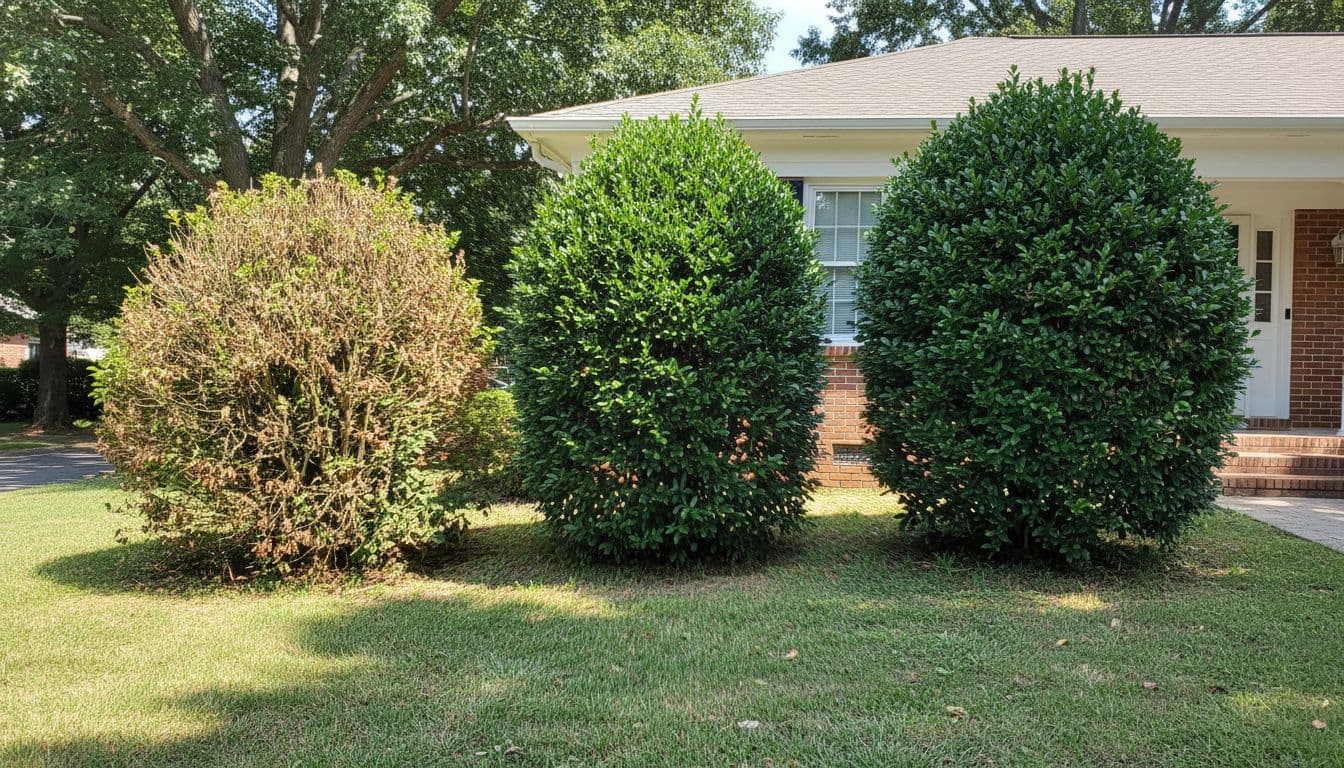
Plant is mostly bare, tan, or dropping fast Remove it and nearby infected debris Severely infected shrubs are hard to save

Once boxwood blight is confirmed, the goal shifts from saving that shrub to protecting the rest of the bed.

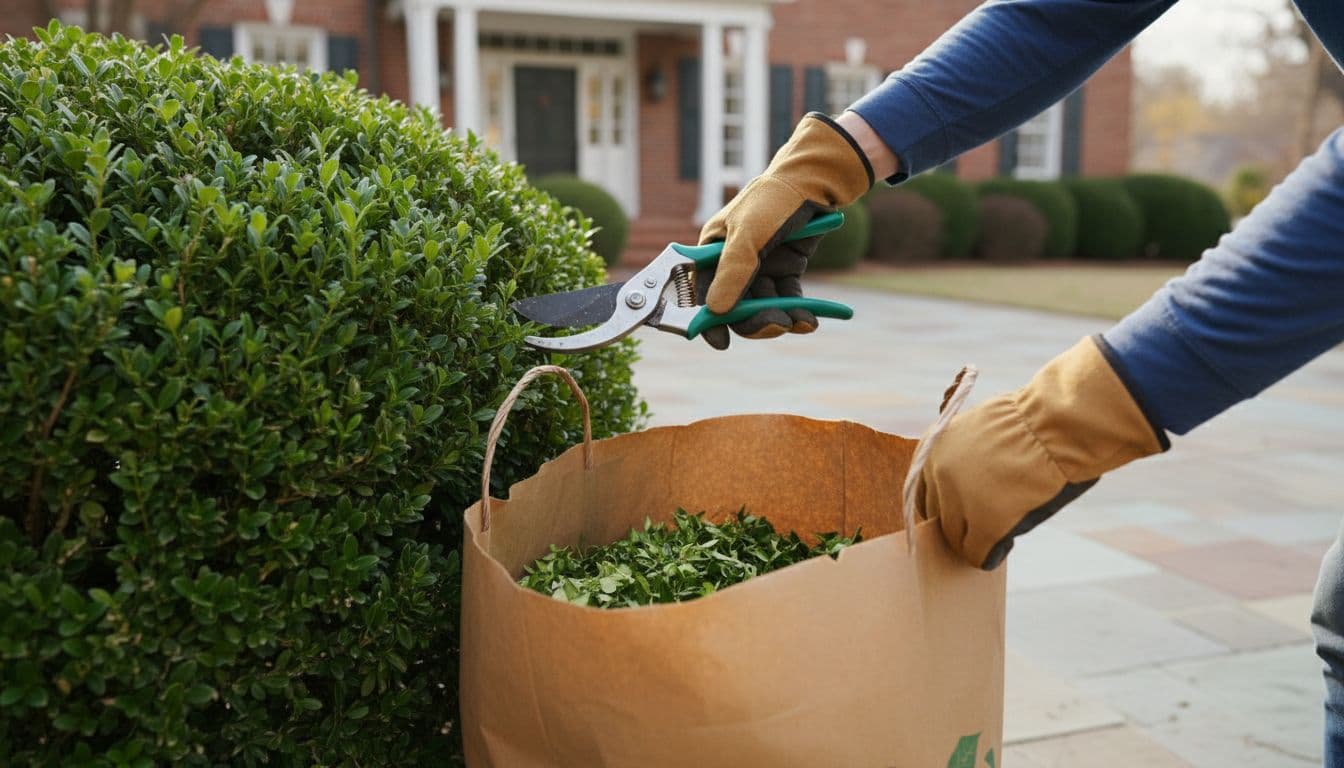
If a plant looks suspicious, do not keep clipping it and moving on. Use clean pruners, bag the debris, and keep that material out of compost piles. UGA also recommends disinfecting tools and shoes with products such as 70% alcohol, Lysol spray, or bleach solutions used according to the label.

For larger cleanups, it helps to clear fallen leaves and broken twigs quickly. A seasonal yard debris removal service can save time when a bed needs a full reset.

Prevention that works in Atlanta heat and humidity

Prevention starts before you buy the shrub. Inspect new boxwoods closely, especially inside the canopy and near the stems. If possible, keep new plants separate for a few weeks so hidden symptoms have time to show.

After planting, keep the bed open and dry. Water the soil, not the leaves. Prune only in dry weather. Thin crowded shrubs so air can move through them. Light mulch also helps by reducing soil splash onto the lower foliage.

Fresh mulch is useful here, but it should not pile against stems. If your bed needs a clean refresh, Atlanta landscaping mulch services can help reset the look while protecting the root zone.

Fungicides can help protect healthy plants in some settings, but they do not cure infected shrubs. That is why sanitation and spacing matter more than a rescue spray. If a crew moves through an HOA bed or a row of foundation shrubs, clean tools between properties and between suspect plants.

Smart replacement plants for boxwood beds

If boxwood blight takes hold, replacing the shrub is often the best long-term move. UGA's alternative plants guide is a good place to start, and it also warns against reusing plants from the boxwood family.

For Atlanta foundations, look for shrubs that stay compact and handle heat well. Good options often include:

  • Dwarf yaupon holly for a neat, formal shape
  • Inkberry holly for part shade and a softer look
  • Compact abelia for long bloom and easier texture
  • Camellia in filtered shade
  • Dwarf loropetalum where color and size fit the bed

Pick plants for mature width, not just the look on day one. A tight bed looks clean at planting, then becomes crowded and humid later if the shrubs are too big for the space.

Conclusion

Atlanta boxwood blight is mostly a prevention and cleanup problem. Once the disease shows clear signs, the safest move is often removal, not rescue.

If you catch symptoms early, keep tools clean, and manage moisture around the foundation, you can protect the rest of the landscape. In a humid Atlanta summer, that kind of attention matters more than any quick fix.

By RW Lawn Co April 30, 2026
A spotted azalea can look like a watering problem, a nutrient issue, or plain old summer stress. In Atlanta, though, the classic culprit is often azalea lace bug damage , especially on shrubs planted in hot, open beds. The tricky part is that the leaves do not all look damaged...
By RW Lawn Co April 29, 2026
A brushy lot can look simple from the street and turn expensive once work starts. In Atlanta, the brush clearing cost in 2026 depends on far more than square footage, and a small change in terrain can move a quote by a lot. If you're comparing estimates, the goal is to spot wh...
SHOW MORE