Atlanta Entomosporium Leaf Spot Guide for Indian Hawthorn Shrubs
A healthy Indian hawthorn can turn thin and ragged fast in an Atlanta spring. Entomosporium leaf spot loves the same warm, wet weather that helps other plants grow.
If your shrubs are full of small round spots, yellowing leaves, and early leaf drop, don't wait for the problem to sort itself out. The fastest fix is usually a mix of cleanup, better water habits, and a clear call on whether the shrub is still worth saving.
What entomosporium leaf spot looks like on Indian hawthorn
The first signs are easy to miss. Tiny red, purple, or brown spots show up on new leaves, then the centers may turn tan or gray as the spots spread.
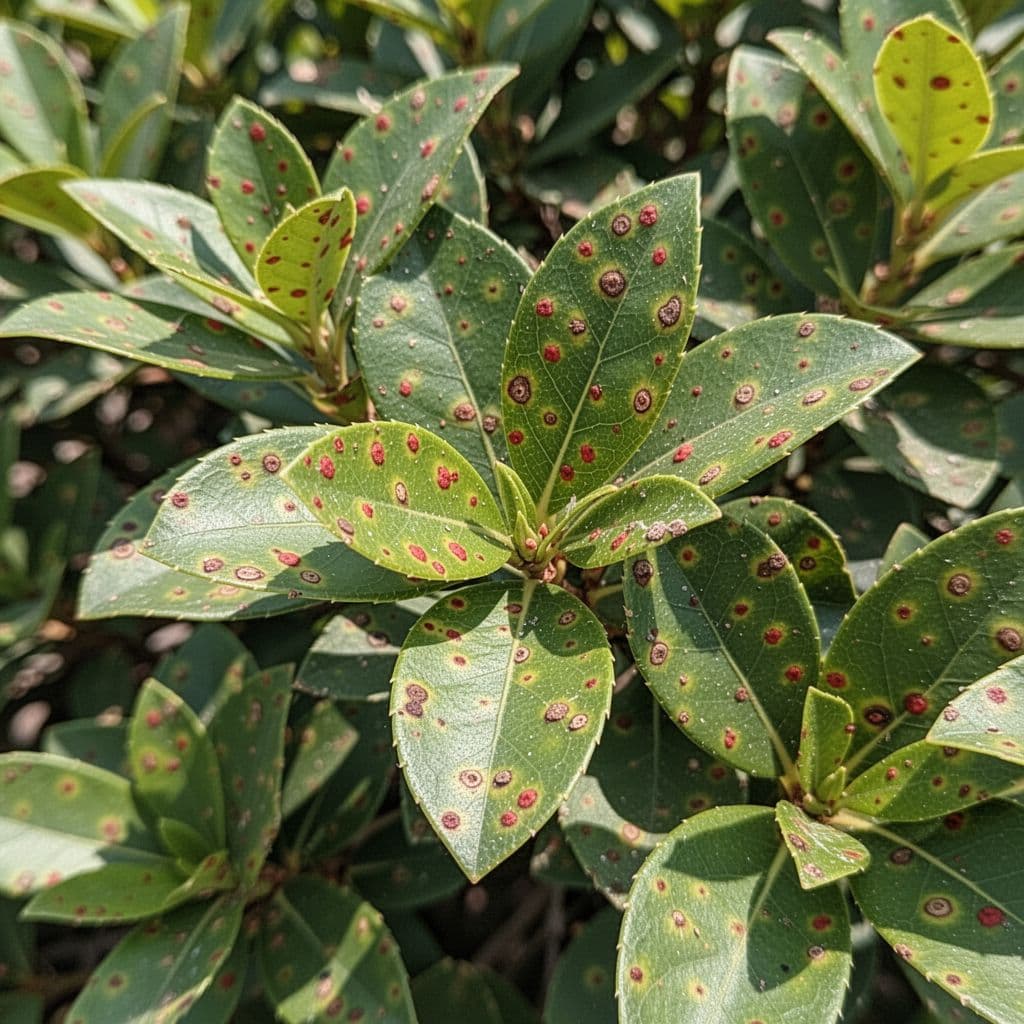
As the disease moves along, leaves often yellow and fall before they should. On older shrubs, the lower part of the plant usually looks worst because it stays shaded and damp longer.
A few clues help separate this from other problems:
- The spots are round, not jagged.
- They appear first on tender new growth.
- Rainy weather makes the problem spread faster.
- The shrub drops leaves even when the soil is not dry.
If the plant looks as if it has been peppered with tiny spots, then thinned out from the bottom up, leaf spot is a strong suspect. In Atlanta and North Georgia, that pattern is common in spring.
Why Atlanta weather makes the problem worse
Atlanta spring weather gives this fungus a big advantage. Morning dew, frequent rain, and sticky humidity keep leaves wet for long stretches.
That matters because the disease spreads best when foliage stays damp. Overhead irrigation makes it worse, and crowded shrubs dry even slower. Dense beds, brick walls, and shady foundation plantings all trap moisture.
University of Georgia Extension warns that wet weather and wet leaves are a bad mix for this disease. That lines up with what homeowners see every year, especially from March through May.
Mulch helps, but only when the bed is managed well. Fresh mulch can reduce soil splash, which cuts one source of spread. If your beds are full of old debris or the shrubs are buried too deep, a bed refresh can help reset the whole area. Landscape bed maintenance services are useful when the shrubs need cleanup, mulch, and a better drainage setup.
What to do the moment you spot it
Start with cleanup. Old spots won't heal, and fallen leaves can keep feeding the problem.
Fungicide sprays protect new leaves. They do not erase damage that already happened.
Use this order instead:
- Rake up fallen leaves right away. Bag them and put them out with yard waste.
- Remove the worst spotted leaves and twigs. Cut back to healthier growth if the shrub is thin.
- Prune on a dry day. Open the center a little so air can move through the plant.
- Water the soil, not the leaves. A soaker hose or drip line is better than overhead spray.
- Check nearby shrubs. Indian hawthorn planted in the same bed may already be carrying spots.
If the plant is only lightly hit, this cleanup can slow the spread enough for new growth to stay clean. If the shrub is almost bare, cleanup still helps, but it may not be enough on its own.
Fungicide timing that makes sense in spring
Sprays work best as protection. They are much less helpful after the shrub is already covered in spots.
For Atlanta, the best timing is late winter into early spring, then repeat during wet periods through mid-spring. If spring stays rainy, the spray schedule usually needs to stay tighter.
A few labeled active ingredients are commonly used on ornamentals:
| Active ingredient | Best use | What to keep in mind |
|---|---|---|
| Chlorothalonil | Preventive protection | Works best before heavy spotting starts |
| Propiconazole | Early protection on new growth | Follow the label closely |
| Tebuconazole | Preventive or early disease control | Good coverage matters more than a heavy mix |
| Myclobutanil | Homeowner-friendly option | Helps protect clean foliage, not damaged leaves |
The label always comes first. Follow it for plant type, rate, and reapply timing.
Coverage matters more than people expect. Spray the tops and undersides of leaves, because missed spots can become new infection points. Then keep the plant as dry as possible after application.
If your spring has already been warm, wet, and sticky, don't wait for perfect conditions. Start with cleanup now, then protect the new growth that follows.
How to keep it from coming back
Long-term control depends on plant spacing and bed care. If the shrub stays crowded and damp, the disease usually returns.
Keep these habits in place:
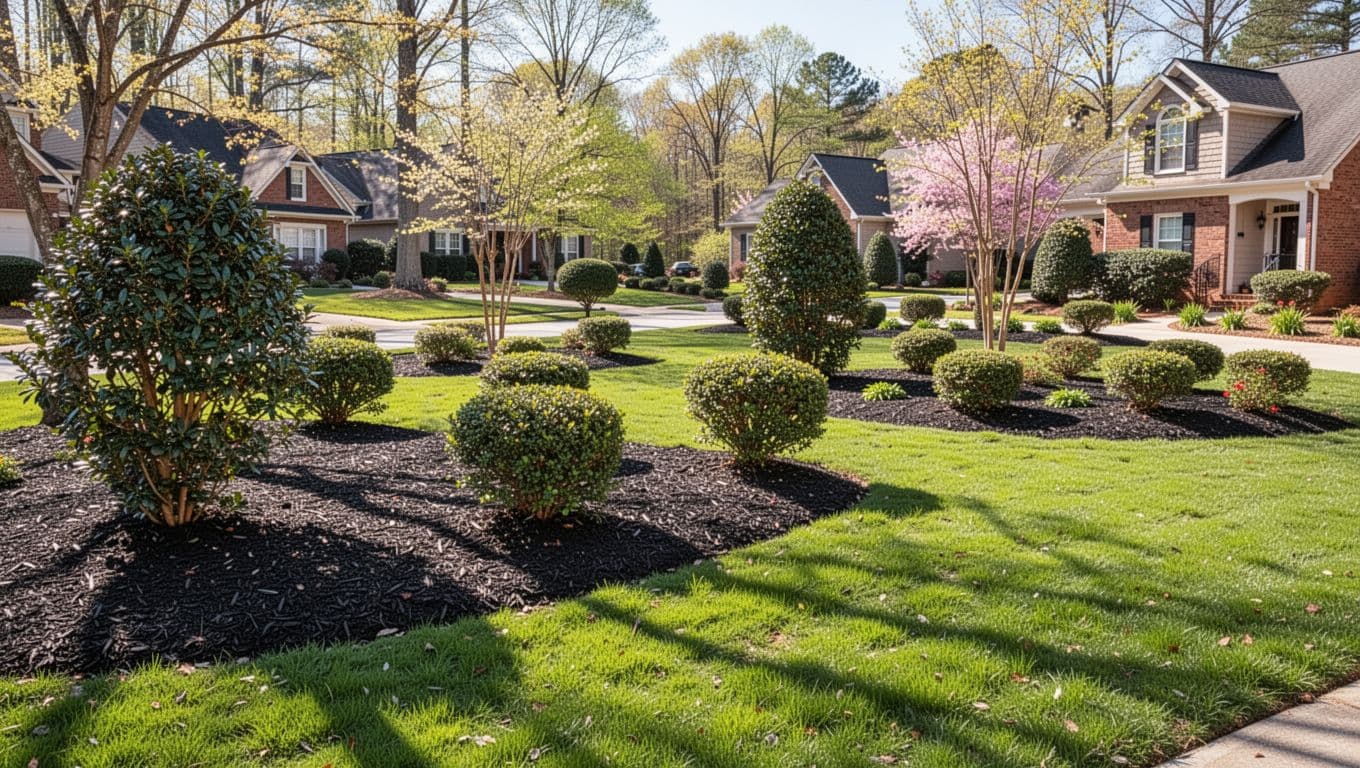
- Give the shrub room to breathe.
- Avoid heavy spring fertilizer that pushes soft growth too fast.
- Water early in the day so leaves dry sooner.
- Prune lightly after the bloom cycle, not into a messy hedge.
- Keep mulch a few inches away from the stems.
Fresh mulch helps, but it should never pile against the plant. Clean edges and open air around the base make a real difference in humid Atlanta beds. That is one reason a tidy mulch refresh often helps more than a quick cosmetic touch-up.
If you are reworking the whole bed, choose a plant that fits the site. Indian hawthorn in a damp, shady corner will keep fighting the same battle.
When replacement is the better move
Some shrubs can be saved. Others keep slipping back into the same cycle.
Use this simple test:
| What you see | Better move |
|---|---|
| A few spotted leaves, plant still full | Clean up and spray |
| Repeat leaf drop every spring | Stronger treatment plan or replacement |
| Most stems bare by early summer | Replace the shrub |
| Plant sits in shade with poor airflow | Fix the site or choose a different plant |
If the shrub has lost most of its leaves for more than one season, replacement usually makes more sense. You get better curb appeal, less spray work, and a healthier bed.
For Atlanta landscapes, good replacement choices often include yaupon holly, abelia, tea olive, oakleaf hydrangea, and dwarf distylium . If you want to stay with the same look, more tolerant Indian hawthorn selections such as "Georgia Petite" or "Eskimo" may also be worth a look. The best pick depends on sun, shade, and how much room the shrub gets.
Conclusion
Atlanta's humid spring weather gives Indian hawthorn a rough run, but you can still stay ahead of it. Catch the spots early, clean up the debris, and change the way the bed handles water and air.
When the shrub is only lightly affected, treatment can work. When it keeps defoliating year after year, replacement is the cleaner choice. In either case, dry leaves, good airflow, and steady bed care do more than a rushed spray ever will.