Atlanta Landscape Bed Renovation Cost Guide for 2026
A landscape bed renovation in Atlanta can cost a few thousand dollars or a lot more, depending on how much the beds need. The difference usually comes down to cleanup, plant replacement, soil work, and how much design change you want.
If your beds are tired, overgrown, or washed out after a few seasons, a reset can make the whole property look cleaner fast. The key is knowing what a fair price looks like before you compare bids.
For Metro Atlanta homeowners, the smartest budget starts with the scope of work, not a random number. That way, you can tell when a quote is fair and when it leaves out important steps.
What a landscape bed renovation usually includes
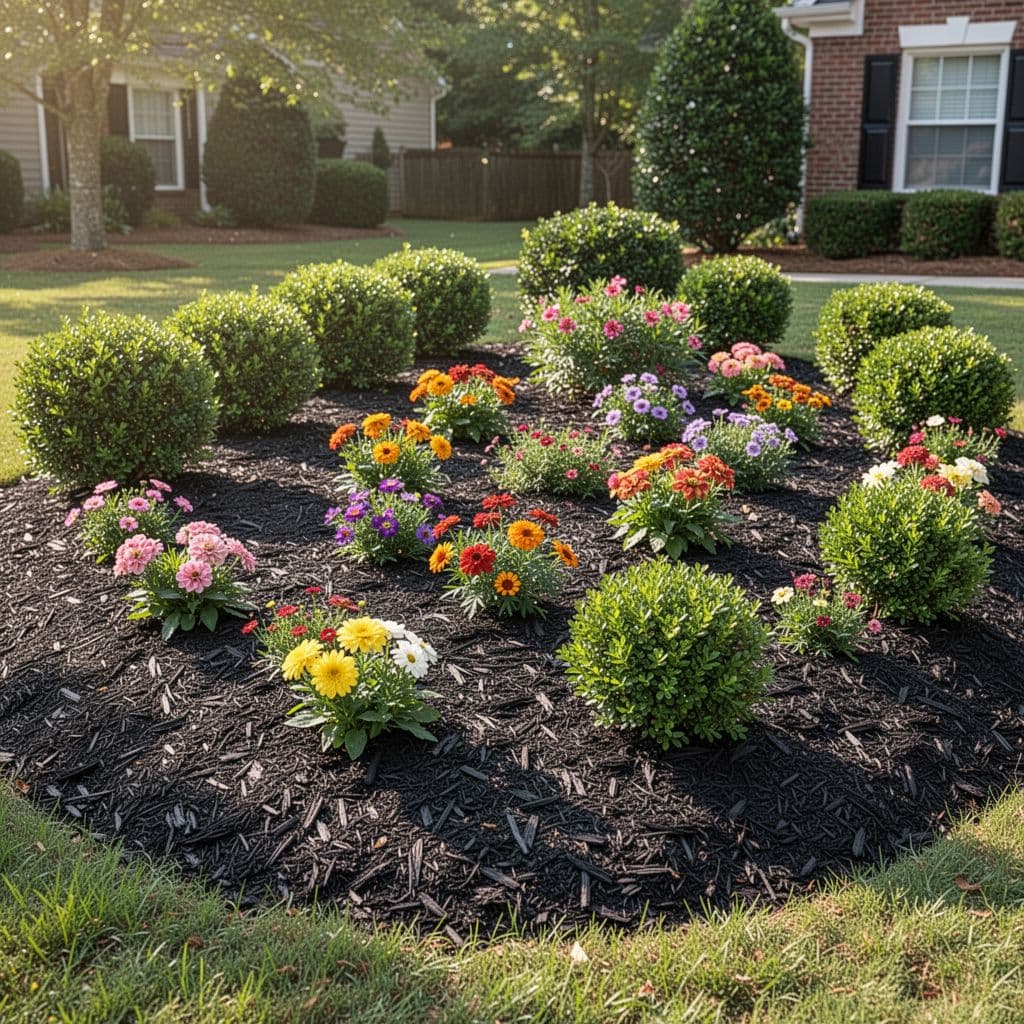
Most bed renovations do more than spread new mulch. A proper project usually clears the space, fixes the edges, improves the soil, and then brings the bed back to life with the right plants and shape.
Here's what often shows up in a landscape bed renovation in Atlanta :
- Bed clearing removes weeds, dead plants, roots, and debris.
- Edging sharpens the border and keeps grass from creeping in.
- Soil amendment adds compost or topsoil where the ground is tired or compacted.
- Mulch installation helps lock in moisture and gives the bed a finished look.
- Plant replacement swaps in shrubs, flowers, or groundcover that fit the site.
- Drainage fixes move water away from low spots, foundation edges, or soggy beds.
- Design refreshes change bed shape, layer height, or plant layout for better curb appeal.
A small cleanup can change the look of a front yard. A full renovation can make the bed easier to maintain for years. If you want a polished finish without starting over, residential landscape bed maintenance can help keep the beds in better shape between bigger projects.
2026 price ranges for Atlanta homeowners
Atlanta pricing in 2026 lines up with scope. A basic landscape bed renovation usually lands around $2,500 to $5,000 , while larger or more detailed projects climb fast.
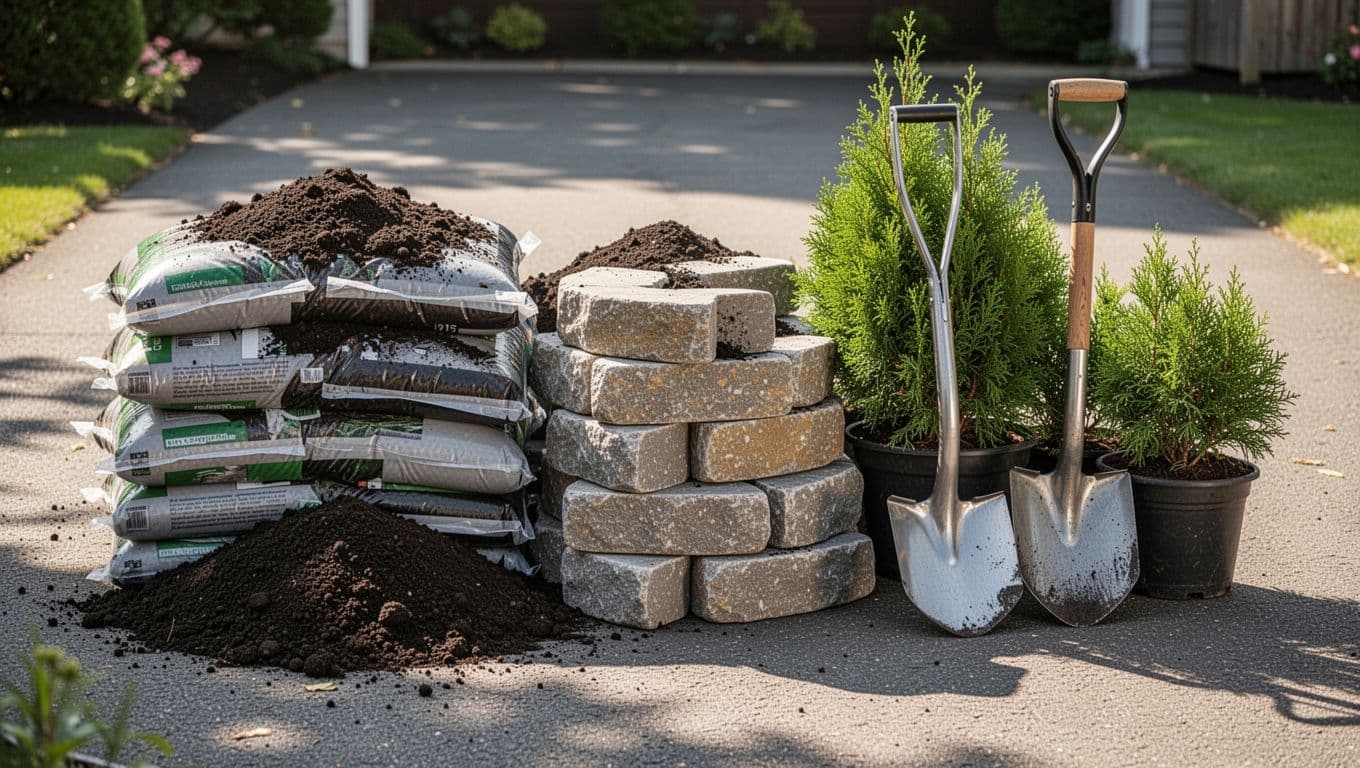
Use the ranges below as a planning guide.
| Project type | Typical 2026 cost in Atlanta | What it usually includes |
|---|---|---|
| Small refresh | $2,000 to $3,500 | Cleanup, light edging, mulch, soil top-off, a few plant swaps |
| Mid-range renovation | $3,500 to $6,500 | Bed clearing, new edging, soil amendment, several plants, mulch, light re-shaping |
| Premium renovation | $6,500 to $12,000+ | Larger redesign, more plant material, drainage work, stone or border updates, deeper soil correction |
The biggest jump happens when the project moves past a refresh and into a true redesign. Once you add drainage correction, new borders, and heavier plant work, the price climbs because labor time climbs too.
A low quote is only a good deal if it includes cleanup, haul-away, and the finish work you expect.
What changes the price on a bed renovation bid
Several things push the price up or down, and Atlanta yards can vary a lot from one house to the next.
- Bed size and shape matter because curved beds and deep front-yard beds take more labor than simple straight edges.
- Soil condition matters because hard, root-filled, or clay-heavy soil takes more time to correct.
- Plant size and quantity change the budget fast. A few small shrubs cost far less than a layered planting plan with larger specimens.
- Access to the yard matters when crews have to carry debris through narrow side yards or around tight gates.
- Disposal needs add cost when old shrubs, roots, and soil must be hauled off the property.
- Drainage work can add a lot because water problems need grading, drains, or soil changes.
- Season and timing can affect pricing if you want the job done during a busy spring or fall window.
The cheapest bid often leaves out one or more of those items. That can make the project look affordable on paper, then expensive once the missing work gets added back in.
Three realistic budget examples
Small front-bed refresh
A small job often covers one front or corner bed that needs a cleanup, a clean edge, fresh mulch, and a few replacement plants. In Atlanta, that kind of project often fits in the $2,000 to $3,500 range.
This works well when the bed layout is already decent. You are paying to reset the look, not rebuild the space.
Mid-range whole-front-yard update
A mid-range renovation usually includes multiple beds, some soil amendment, a stronger edge, a fuller plant swap, and a cleaner layout. Many Atlanta homeowners spend $3,500 to $6,500 on this kind of work.
This is the sweet spot for curb appeal. The yard feels newer, but the project still stays focused.
Premium renovation with drainage and design changes
A premium project goes beyond cleanup. It may include reshaping beds, correcting low spots, adding larger shrubs, upgrading borders, and changing the planting design across the front of the home.
Those projects often start around $6,500 and can move much higher if drainage or hardscape details are involved. The price makes sense because the work is more like a rebuild than a refresh.
Getting a quote that actually compares
The best estimate spells out exactly what the crew will do. That should include bed clearing, edging, mulch depth, plant count, soil work, and haul-away. If drainage is part of the job, the quote should say how the water issue will be handled.
Ask whether the price covers old plant removal, delivery fees, and cleanup after installation. Those details matter because they change the final total more than people expect.
It also helps to ask how the new beds will fit the rest of your yard. A good renovation should match the home, the sunlight, and the maintenance level you want. A polished bed that grows too fast can become a headache next season.
Conclusion
A fair Atlanta landscape bed renovation price starts with scope, not guesswork. For most homeowners, the real decision is whether the project is a simple refresh, a mid-range reset, or a full redesign.
If you keep an eye on bed clearing, edging, soil work, mulch, plant replacement, and drainage, the estimate becomes much easier to judge. The right bid should read like a plan, not a surprise.
When the beds are built for Atlanta's soil and weather, they look better and stay easier to manage. That saves money later, which is the part most homeowners want most.