Atlanta Nimblewill Control for Tall Fescue and Shady Lawns
Nimblewill can slip into a shady Atlanta lawn and stay hidden for a long time. By the time you notice the thin, wiry patches, tall fescue around them may already be weak.
That makes nimblewill control in Atlanta a timing problem as much as a weed problem. In North Georgia, the best results come from correct ID, the right season, and a repair plan that helps fescue compete again.
How nimblewill shows up in tall fescue
Nimblewill is a warm-season grass weed that often invades cool-season turf. In Atlanta lawns, it usually shows up in thin, damp, shaded spots where tall fescue has lost density.
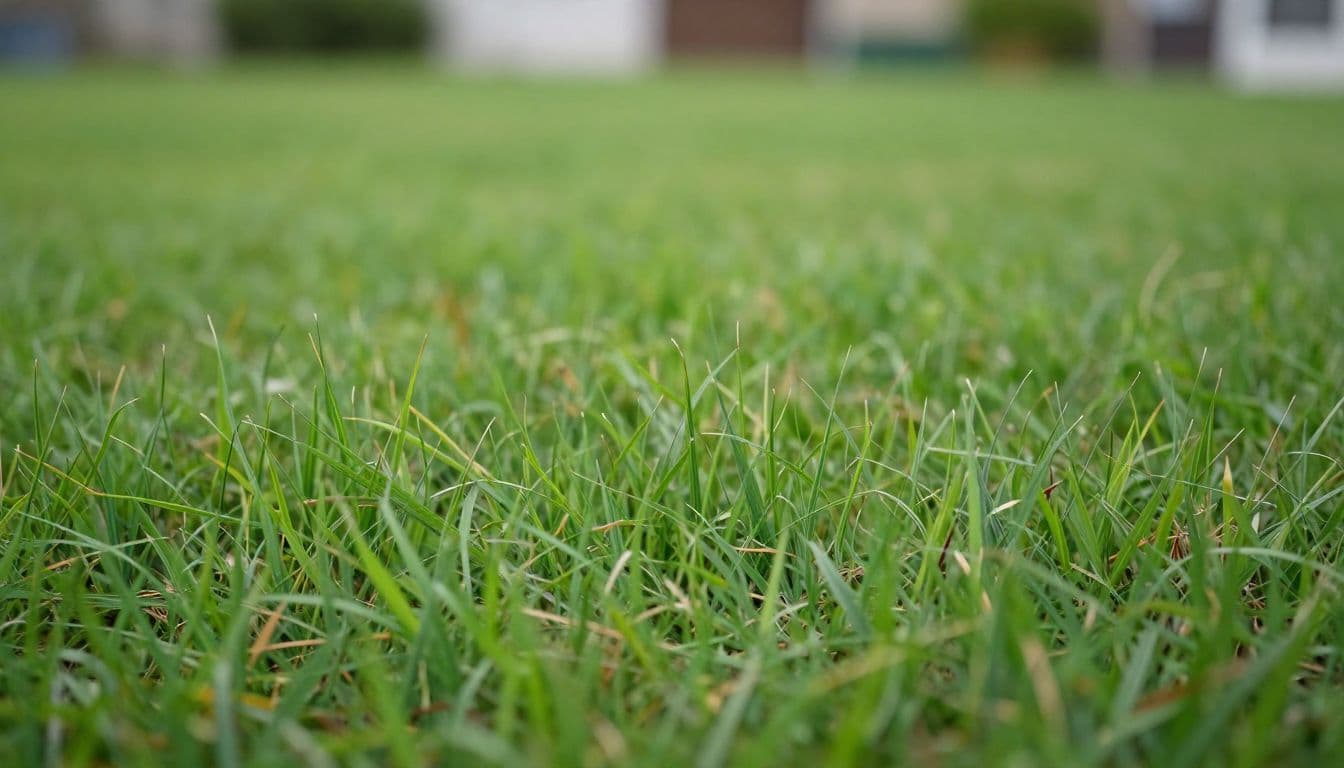
Look for these signs before you treat anything:
- Fine, wiry blades that look softer and thinner than fescue.
- Low, spreading mats instead of upright clumps.
- Tan or brown color in cool months , then green growth in warm weather.
- Patches that feel loose when you pull on them.
Nimblewill often hides near fence lines, under trees, along driveways, and in areas that stay wet after rain. It can also blend into mowed turf, which is why so many homeowners mistake it for stressed grass.
A clean ID matters because dead spots, disease, and other grasses need different fixes. If you spray first and ask questions later, you can damage the lawn and still leave the weed behind.
Why shady Atlanta lawns get hit first
Tall fescue likes more light than many Atlanta yards can give it. When trees block the sun, the turf thins, and nimblewill gets room to spread.
Shade brings three common problems together. First, the grass grows more slowly. Second, the soil often stays damp longer. Third, airflow drops under the canopy. That combination favors a weed that likes weak turf and moist soil.
North Georgia summers make the problem worse. Tall fescue struggles in heat, especially in areas with afternoon shade followed by humidity. The lawn may look okay in spring, then thin out by midsummer.
Mowing habits matter too. Cutting fescue too short removes the leaf area it needs to recover. In shade, that short cut is even harder on the lawn. Keep fescue higher, and avoid scalping the corners where the mower leans.
Overwatering can also feed the problem. Shady turf dries slowly, so it does not need the same water schedule as full-sun turf. If the area stays soggy, nimblewill and other weeds gain an opening.
The best time to treat nimblewill in North Georgia
Timing is the biggest difference between a clean result and a damaged lawn. Atlanta weather gives you a few useful windows, but each one has tradeoffs.
| Season | Best move | Why it matters |
|---|---|---|
| Late winter | Map patches and plan repairs | Fescue is easier to protect before heat arrives |
| Late spring through summer | Treat only if the turf is not stressed | Hot, dry fescue can suffer from the wrong spray |
| Fall | Overseed thin spots and thicken turf | Cool weather helps fescue recover and fill in |
| Winter dormancy | Spot-treat only fully dormant fescue | This can reduce damage to the cool-season grass |
Pre-emergent products won't fix an existing nimblewill patch. Once the weed is growing, you need a post-emergent plan or a dormant-season spot treatment.
Heavy shade plus moist soil gives nimblewill an opening. If the canopy never opens up, control alone won't hold the line.
The fall window matters most for tall fescue. That is when the lawn can recover, fill bare spots, and build density before next summer's stress arrives. If you miss that window, you may spend the next warm season fighting the same patch again.
A control plan that protects tall fescue
A good plan starts with the turf you want to keep. Tall fescue can tolerate some repair work, but it hates careless spraying and heat stress.
- Confirm the weed before you spray.
Nimblewill grows as a low, mat-like grass with fine blades. If you see a flat patch that greens up late and browns out early, you are on the right track. - Check the condition of the fescue.
If the lawn is already stressed by heat or drought, wait if you can. A weak lawn takes more injury from treatment. If the turf is fully dormant, a limited spot treatment may be safer than spraying active fescue in the heat. - Treat the smallest area possible.
Spot treatment protects the rest of the lawn. Use careful application near the edges, especially where nimblewill touches healthy fescue. Blanket spraying a whole shady lawn can create more damage than the weed itself. - Give the treatment time to work.
Nimblewill does not disappear overnight. Some patches need repeated attention, especially in thick shade. Recheck the area before you decide to spray again. - Repair the opening after control.
Dead weeds leave thin spots behind. Seed or overseed in fall, then keep the area watered and mowed correctly so fescue can fill the gap.
If you want the rest of the lawn to recover well, maintenance still matters. Keeping fescue at the right height with routine residential grass cutting can help the lawn stay dense after the weed is gone.
Rebuild thin shade so the weed doesn't return
Nimblewill control works best when the lawn gets stronger afterward. Otherwise, the same bare spots invite the weed back.
Start with the shade itself. If low limbs block most of the light, trimming the canopy can help more than another spray. Even a little extra sunlight gives tall fescue a better chance to thicken.
Next, improve the soil surface. Compaction is common under trees and along walk paths. Core aeration can help water and air move into the root zone. That is useful in Atlanta, where summer storms can leave shaded soil sealed up and wet.
Then choose the right seed. Use a tall fescue mix suited to shade, but keep expectations realistic. Deep shade will never look like full sun. A thin but healthy lawn is better than a stressed lawn that keeps failing.
Water on a sensible schedule. Early morning is best. Shaded turf usually needs less water than sunny turf, and too much moisture can slow recovery. Feed the lawn in the right season, not during peak heat, so you support growth instead of pushing stress.
Sometimes the best fix is a change in strategy. If a spot gets too little sun for fescue to hold, a mulch bed or another landscape solution may make more sense than repeated reseeding. That is especially true under dense tree cover where the same area stays thin every year.
A renovated shade area needs patience. Fescue can improve there, but it rarely snaps back in one season.
Conclusion
Atlanta nimblewill control works best when you get three things right: identification, timing, and follow-up. The weed is easier to manage when you treat it with the fescue's growth cycle in mind, not against it.
Shade makes the job harder, so the long-term fix is a healthier, thicker lawn. If the area stays thin, the weed will keep looking for a way back. The goal is not just to kill nimblewill once, but to give tall fescue enough light, height, and room to win the space next year.