Atlanta Rescuegrass Control for Bermuda and Zoysia Lawns
Rescuegrass shows up when Bermuda and zoysia are least ready to fight back. In Atlanta, that usually means a cool stretch in fall, then a long winter where the weed keeps growing while your lawn slows down.
That timing makes the problem easy to miss at first. A few bright green clumps can turn into a much wider patch by spring, especially in thin or shady spots.
Good Atlanta rescuegrass control starts with fast ID, then moves into fall prevention and spring cleanup. The right steps depend on your turf type, the season, and the product label.
How rescuegrass shows up in a Bermuda or zoysia lawn
Rescuegrass is a cool-season annual grass, so it likes the same mild weather that gives Atlanta its long fall and winter stretches. In Bermuda or zoysia, it usually stands out before it spreads.
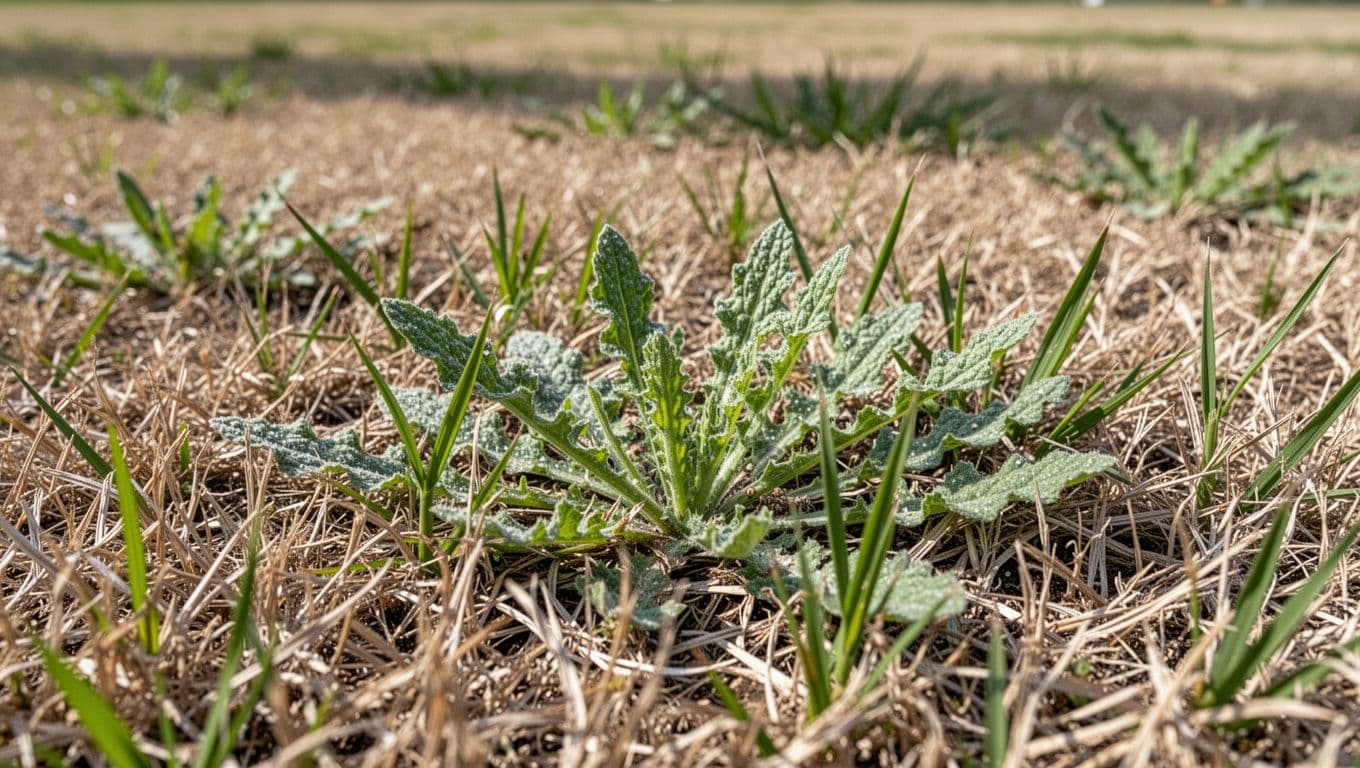
The easiest clue is color. Rescuegrass often looks brighter green than dormant Bermuda or zoysia, almost like someone painted a strip across the yard. It also grows in loose clumps instead of creeping across the lawn with runners.
Common lookalikes in Atlanta yards
A few weeds can look close enough to cause mistakes. Annual ryegrass can seem similar at a glance, and tall fescue can also pop up as a coarse, green patch. Even a healthy tuft of other winter grass can fool the eye.
A quick pull test helps. Rescuegrass comes up as a bunch-type grass, not a creeping runner. If the patch feels loose and the stems rise from one crown, it's a sign the plant is not your Bermuda or zoysia filling in naturally.
Seedheads are another warning sign. Once rescuegrass starts sending up airy heads, it has already settled in. At that point, the goal shifts from stopping germination to limiting spread.
Why Bermuda and zoysia give rescuegrass a foothold
Warm-season turf has a built-in weak spot. Bermuda and zoysia slow down hard when nights cool, and they can go dormant before winter is done. Rescuegrass, on the other hand, likes those cool months and keeps moving.
That contrast creates open ground and sunlight at the soil surface. Rescuegrass seedlings love both. Thin turf, shade, compacted soil, and scalped spots make the problem worse.
Poor mowing habits can help the weed, too. Cut Bermuda too low, and it loses density. Mow zoysia too short, and it thins out fast. Once the canopy opens, rescuegrass gets more room to root and tiller.
A thicker stand built through professional Atlanta lawn mowing gives rescuegrass fewer thin spots to use. Consistent mowing height matters more than many homeowners expect.
Fall prevention works best in north Georgia
Fall is the best time to stop rescuegrass before it becomes obvious. The key is simple, treat before germination, not after green clumps already appear.
In Metro Atlanta, that window often opens as temperatures start cooling in late summer or early fall. Weather shifts by year, so the calendar matters less than the soil and forecast. If the lawn has already started showing bright green patches in fall, the best prevention window has passed for that season.
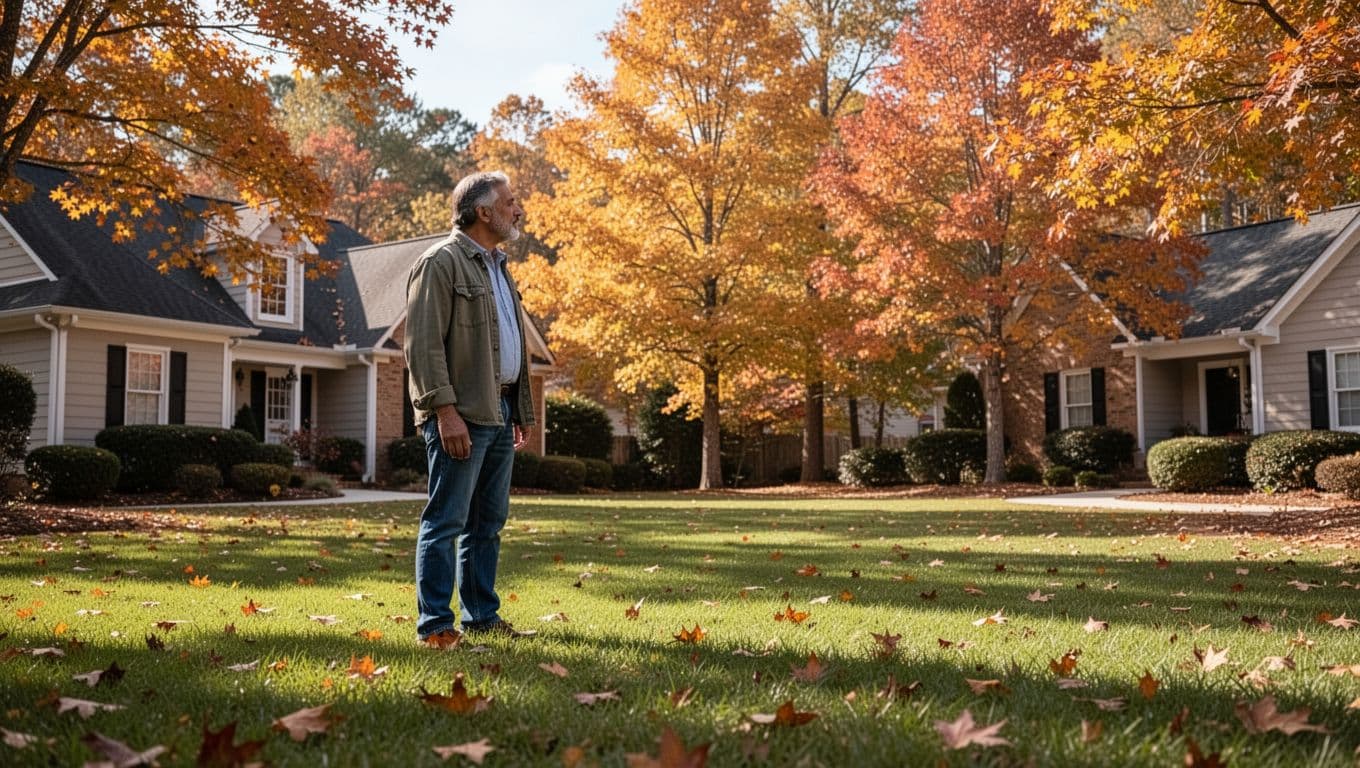
Once rescuegrass is visible in dormant Bermuda or zoysia, prevention has turned into suppression.
The easiest way to think about the season is this:
| Window | What to do | What you can expect |
|---|---|---|
| Late summer to early fall | Apply a labeled preemergent before rescuegrass germinates | Best chance to stop new seedlings |
| Late fall | Scout for small patches and thin spots | You can catch trouble early |
| Winter | Watch for green clumps in dormant turf | Growth may continue through mild spells |
| Early spring | Use labeled postemergent options if needed | Suppression, not a perfect wipeout |
A fall plan matters because rescuegrass follows the weather, not the school calendar. Mild North Georgia winters can keep it active long after your warm-season lawn has gone quiet.
Spring suppression when the weed is already there
Spring is more about damage control than a clean reset. By then, rescuegrass may already be rooted, tufted, and starting to set seed.
Herbicide options vary by turf type and product label. A product that works in Bermuda may not be safe for zoysia, and some products work best only when the turf is dormant or fully awake. Always read the label before spraying.
Here's a simple way to compare the main options.
| Approach | Best use | What it does | Watch-outs |
|---|---|---|---|
| Preemergent in fall | Before seedlings appear | Prevents new rescuegrass | Must go down on time |
| Selective postemergent | Small to moderate patches in spring | Suppresses existing plants | Turf type matters a lot |
| Spot treatment | Tight areas that are easy to isolate | Limits spread without treating the whole lawn | May need follow-up |
| Renovation in thin areas | Heavy, repeated infestations | Resets the area and lets turf recover | Takes more time and work |
The main point is simple. Spring control can reduce the weed, but it rarely makes it vanish in one shot. That's why waiting until March or April often leads to a longer cleanup.
If your Bermuda is still mostly dormant, some options may be safer than they are on active green turf. If your zoysia is already waking up, the label may limit what you can use. That difference matters more than most homeowners realize.
Cultural habits that make next year easier
Chemical control works better when the lawn is thick and steady. Rescuegrass loves stress, so the goal is to make the lawn less inviting.
A few habits help a lot:
- Mow at the right height . Bermuda should stay in its proper range, and zoysia should not be scalped.
- Water deeply, not often . Frequent light watering favors shallow roots and patchy growth.
- Feed based on turf needs . A soil test gives better guidance than guesswork.
- Repair thin spots in warm weather . Weak areas are where winter weeds move in first.
- Keep edges and low areas clean . Leaves, shade, and wet pockets all help rescuegrass settle in.
Good mowing is part of that plan, not an extra. Regular height control helps the grass spread laterally and close open soil. If your lawn needs steady maintenance, routine residential grass cutting keeps the canopy more even and harder for winter weeds to invade.
Soil compaction matters too. Hard, tight ground makes Bermuda and zoysia struggle. Where compaction is severe, core aeration during active growth can help the turf recover faster. Better recovery means fewer spaces for rescuegrass seed to grab hold.
Shade deserves attention as well. Bermuda and zoysia both want sun. If a yard stays thin under trees or beside buildings, rescuegrass pressure often stays high no matter how many times you spray.
When a lawn needs a trained eye
Some lawns only need one good fall plan. Others need a closer look because the weed keeps returning.
That usually happens when rescuegrass covers wide patches, seedheads show up early, or the turf type is mixed and uneven. It can also happen after a season of mowing too low, overwatering, or ignoring compacted soil.
A trained lawn crew can identify the turf, time the treatment, and keep the mowing height where it should be. That matters in Atlanta, where one wrong pass or one mistimed spray can set Bermuda or zoysia back for months.
Conclusion
Rescuegrass takes advantage of the same thing many Atlanta homeowners notice every fall, warm-season lawns slow down while winter weeds keep moving. That is why the strongest rescuegrass control happens before the weed is obvious.
For Bermuda and zoysia, the best plan is a fall preemergent when the label allows it, then careful spring suppression if patches still show up. Add good mowing, smart watering, and thicker turf, and the weed has far less room to spread.
A healthy lawn makes rescuegrass work harder for every inch it steals.