Atlanta Sprinkler Head Replacement Cost in 2026
A single broken sprinkler head can waste water, damage nearby plants, and leave part of your Atlanta lawn dry. The Atlanta sprinkler head replacement cost usually falls between $75 and $165 for a standard, accessible replacement , although the total can rise when a service fee, digging, damaged fittings, or electrical problems are involved.
Local pricing varies because some companies list the part and labor together, while others charge a diagnostic visit first. Before approving work, find out whether the estimate includes the head, labor, testing, excavation, cleanup, and tax. These details explain why two quotes for the same visible problem can differ sharply.
Atlanta sprinkler head replacement cost at a glance
Typical price for one head
For a basic pop-up head or turf rotor that is easy to reach, a practical 2026 Atlanta estimate is $75 to $165 installed . This assumes the existing pipe and riser are usable, the zone operates correctly, and the technician does not need to search for a buried leak or valve.
Local menu prices give useful context. A 4-inch pop-up spray head may be listed around $35 , while a 6-inch head or turf rotor may cost about $45 . A 12-inch head can reach approximately $55 , and a replacement spray nozzle may cost around $20 .
Those figures may cover only the component or a limited repair. A service call can add $75 to $165 , depending on the company and whether the visit includes diagnosis or initial labor.
Why the final bill may be higher
A broader professional estimate for replacing one sprinkler head can reach $130 to $275 , especially when the service fee is separate or the technician must dig around the head. Replacing several heads during one visit may reduce the average labor cost, with additional heads sometimes adding roughly $30 to $75 each .
A complete irrigation repair visit in Metro Atlanta commonly falls between $135 and $415 , with many homeowners paying near $275 when the issue involves more than a simple head swap. These are typical ranges, not guaranteed quotes.
A low parts price does not always mean a low repair bill. The service call and time spent finding the actual failure often make up most of the invoice.
What Atlanta irrigation repairs cost by type
The visible sprinkler head is only one part of an irrigation zone. A cost comparison helps you identify whether a quote covers a small component replacement or a larger system repair.
| Repair or service | Typical 2026 Atlanta range | Main cost factor |
|---|---|---|
| Diagnostic or service visit | $75 to $165 | Whether the fee includes labor or applies to repairs |
| Spray nozzle replacement | About $20 for the part | Nozzle type and cleaning needs |
| Standard pop-up head | About $35 to $55 for the part | Head height, brand, and spray pattern |
| Turf rotor replacement | About $45 for the part | Rotor size and access |
| Accessible head replacement | $75 to $165 installed | Service fee, labor, riser condition, and testing |
| Valve repair or replacement | $75 to $300 | Valve location, wiring, and plumbing |
| Controller or timer repair | $100 to $500 | System age and electrical troubleshooting |
| Nonworking zone repair | $100 to $350 | Valve, wire, controller, clog, or pressure problem |
| Pipe repair | $120 to $400 in many cases | Pipe depth, soil, and trenching time |
The table shows why a head replacement estimate should state exactly what is included. A visible spray head may cost less than a full zone diagnosis, even when both problems first appear as dry grass.
Service calls and diagnostic labor
A technician may charge a visit fee before testing the controller, running the zone, checking pressure, and inspecting nearby heads. Some companies include the first hour of labor, while others list diagnosis separately.
Ask whether the fee is credited toward approved repairs. Also confirm the hourly rate, minimum billing period, and whether emergency or after-hours service costs more. A technician who finds a failed head immediately may finish quickly. Tracking a dead zone wire can take much longer.
Risers, nozzles, valves, and PVC
A broken head does not always mean the head itself failed. The riser beneath it may be cracked, tilted, too short, or damaged by a mower. Raising a head may cost around $25 , lowering one about $30 , while adding a PVC spray riser may cost approximately $125 , depending on the work required.
Valve work has a wider range. An accessible residential valve replacement often costs $125 to $300 in Metro Atlanta. A component repair, such as a solenoid or diaphragm replacement, may fall around $100 to $225 . Buried valves, damaged manifolds, and difficult excavation can push the job to $300 to $600 or more .
Wiring, controllers, and full-zone repairs
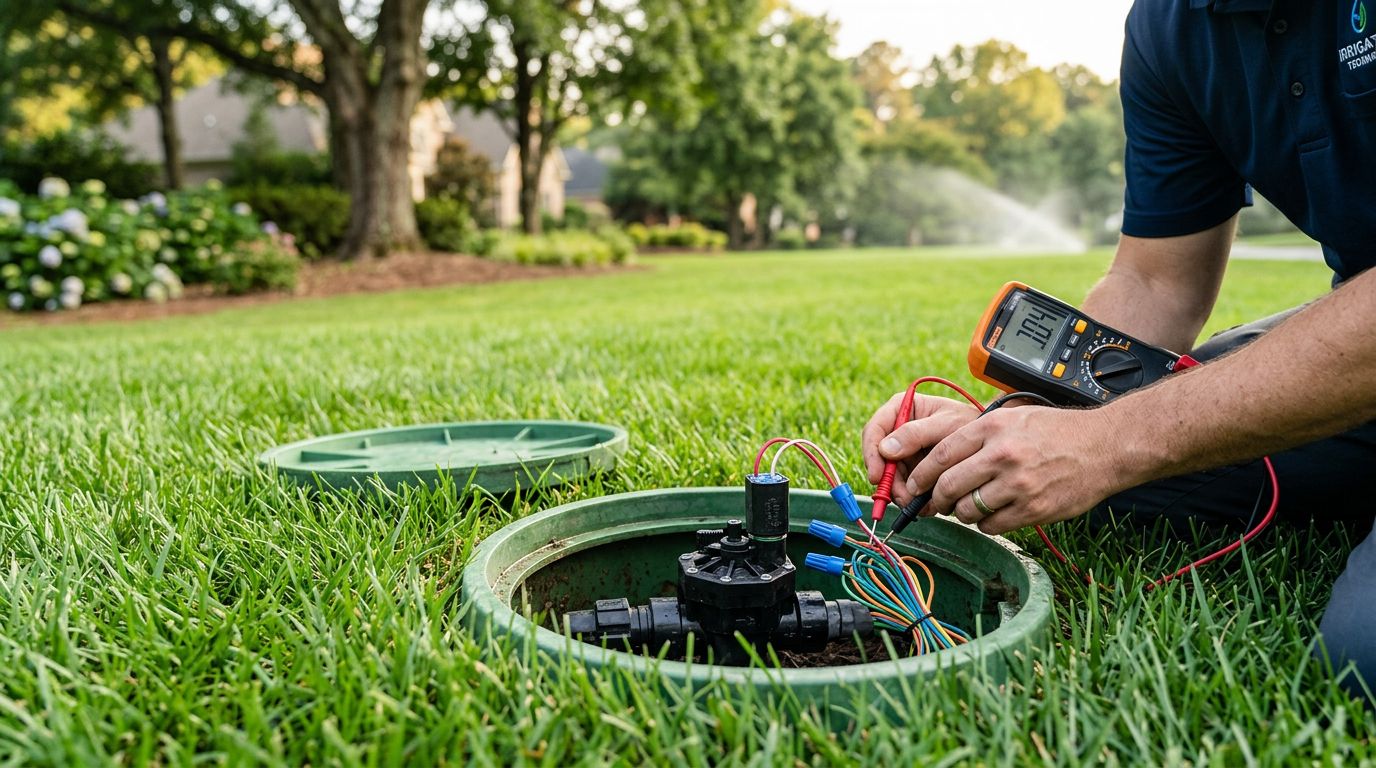
If every head in one zone stays dry, replacing a sprinkler head may not solve the problem. The cause could be a clogged line, failed valve, broken control wire, defective controller, or low pressure.
A nonworking zone often costs $100 to $350 to diagnose and repair. Controller or timer problems can range from $100 to $500 . Electrical troubleshooting may be billed at about $165 per hour , while a basic four-station controller replacement may cost around $300 .
What raises sprinkler repair prices in Atlanta
Digging, roots, clay, and hardscape
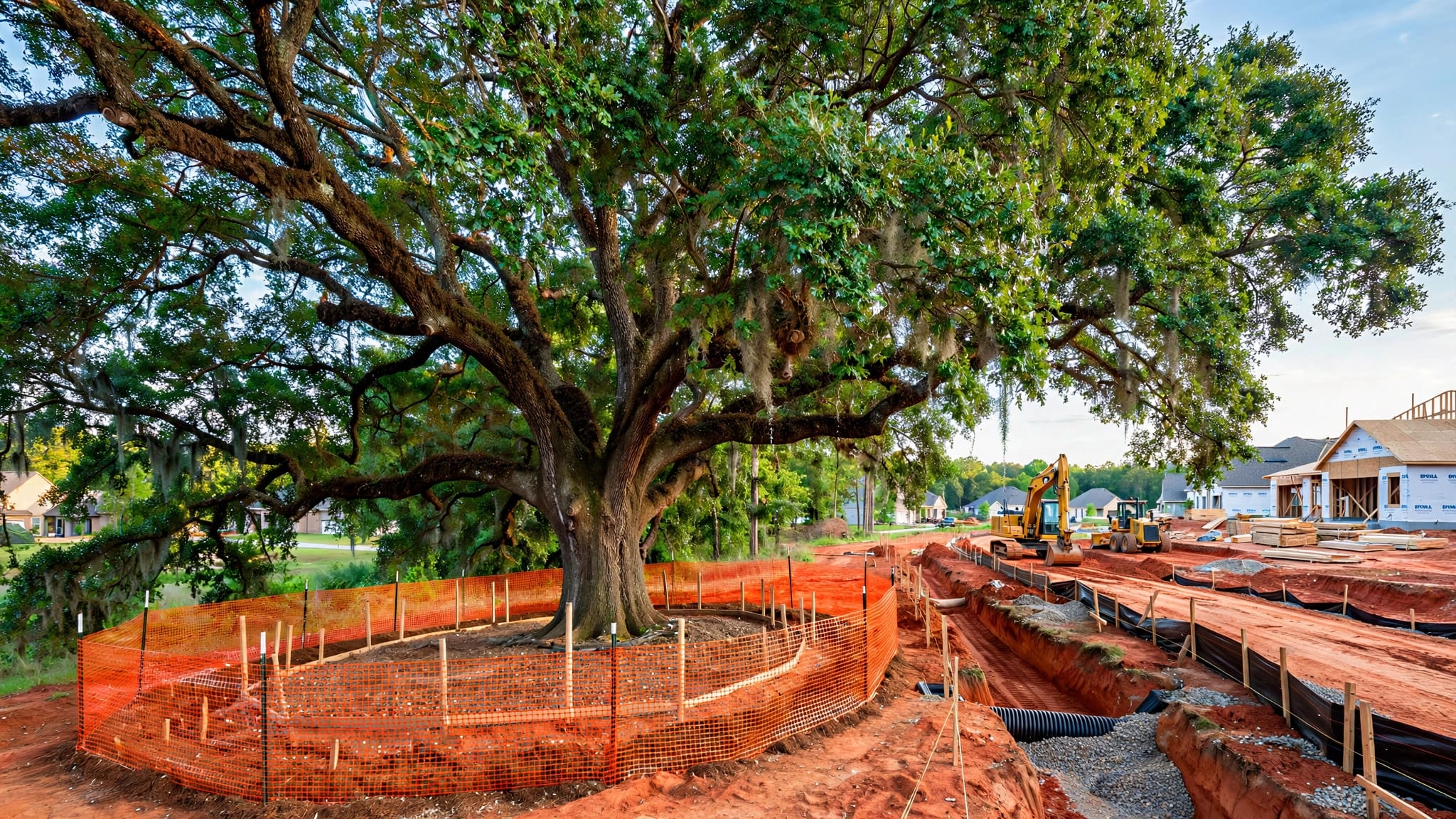
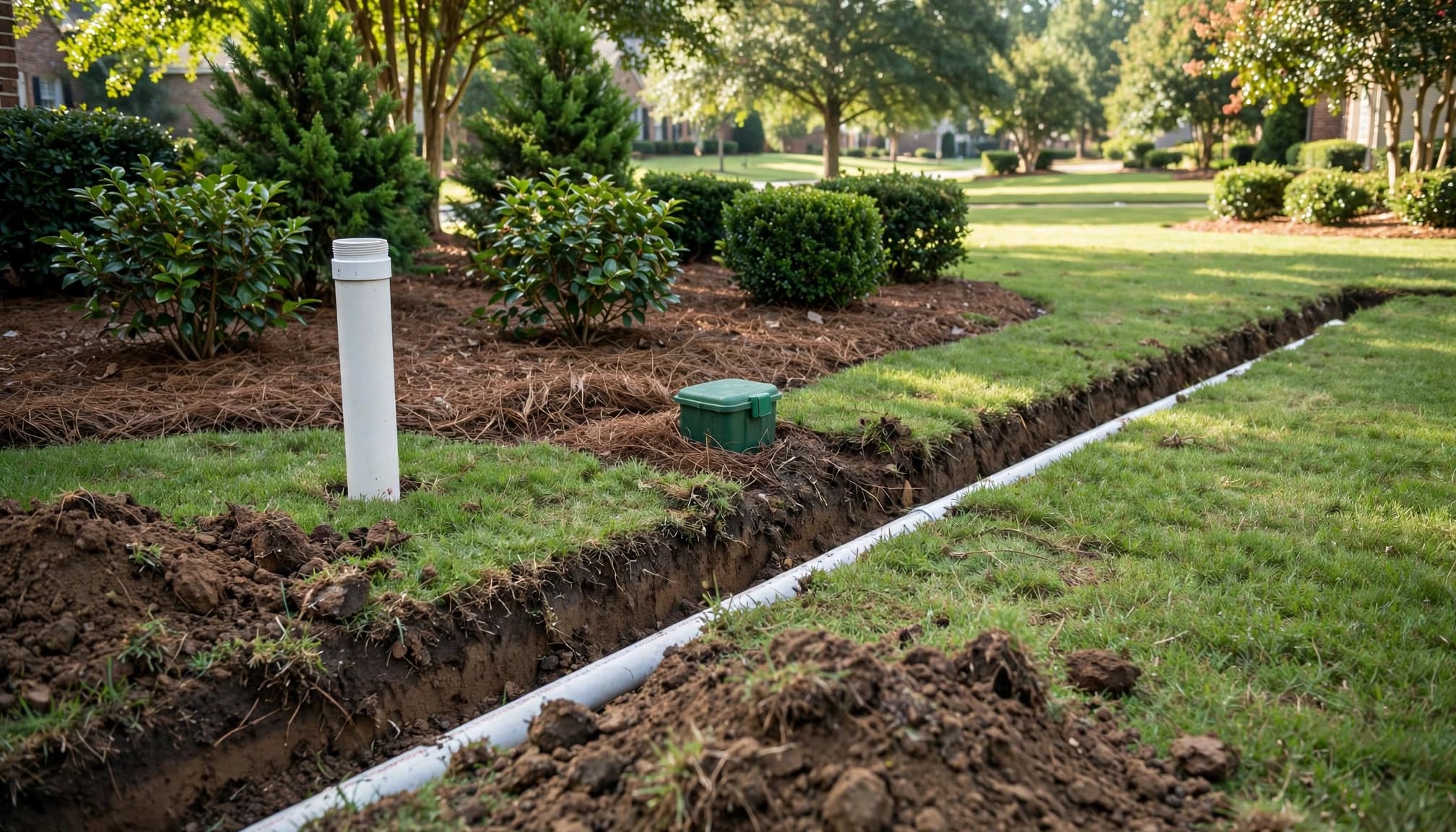
Atlanta's compacted clay soil can make a small excavation slow and messy. Tree roots create another obstacle, especially in older neighborhoods with mature oaks and other established trees. A head beside a driveway, retaining wall, walkway, or dense planting bed also takes longer to reach.
If a valve is buried, the technician may need to locate it before replacing anything. A pipe beneath a sidewalk or paver area may require additional restoration after the repair. Ask whether the quote includes backfilling, sod repair, mulch replacement, and cleanup.
Part type, system age, and water pressure
Spray heads, rotors, shrub risers, and drip components are not interchangeable. The replacement must match the thread, height, flow rate, and spray pattern. Installing the wrong head can create runoff, dry spots, or overspray onto sidewalks.
Older systems may also have brittle PVC, outdated valves, weak wire connections, or controllers with limited replacement parts. Low pressure can point to a leak, clogged filter, failing valve, or supply problem. Testing the zone before replacing parts helps prevent paying for a repair that does not address the cause.
Signs you may need sprinkler head replacement
A damaged head often gives clear warnings before the lawn shows widespread stress. Watch for:
- Water spraying sideways instead of across the intended lawn area.
- A head that remains stuck above or below grade.
- Water bubbling around the base after the zone shuts off.
- A broken cap, cracked body, missing nozzle, or tilted riser.
- Dry grass beside a soggy patch.
- Water reaching a sidewalk, driveway, house wall, or neighboring property.
- A head that fails to pop up while other heads in the zone work normally.
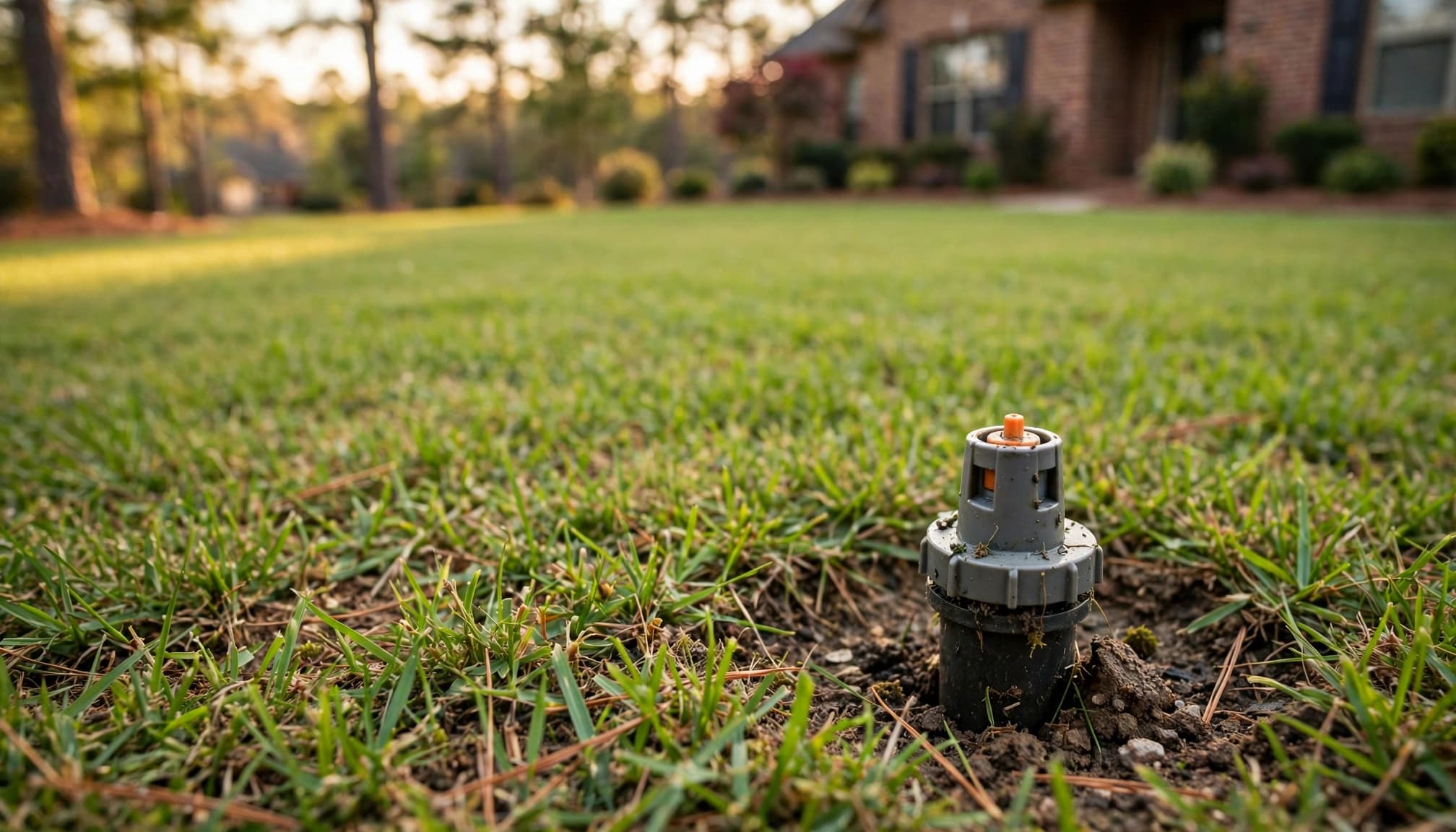
A clogged nozzle may be removable and replaceable without changing the entire head. However, repeated clogging can point to debris in the line or a filtration issue. When several heads fail together, test the zone before buying replacement parts.
DIY replacement versus professional repair
A homeowner can often replace a clearly visible nozzle or sprinkler head when the damage is obvious and the buried connection is intact. Shut off the irrigation water first, then turn off the controller. Remove the old component carefully, match the thread and spray pattern, and flush loose soil away from the connection before installing the new part.
Avoid forcing a head that will not unscrew. Twisting the riser can break the fitting below the soil and turn a small repair into an excavation job. Keep soil and debris out of the open pipe.
Professional help is the safer choice when the work involves:
- Buried valves or leaking manifolds.
- PVC cutting, trenching, or pipe replacement.
- Control wires, solenoids, or controller terminals.
- Unknown utility lines near the digging area.
- Low pressure affecting several zones.
- Water pooling near a foundation, electrical equipment, or pavement.
Never work on irrigation wiring while the controller is energized. If water is spraying toward electrical equipment or entering a structure, shut down the system and arrange service promptly.
How to compare Atlanta sprinkler repair quotes
A useful quote describes the diagnosis and the repair method, not only the final dollar amount. Ask each contractor to separate the following items:
- The diagnostic or service-call fee.
- Parts, including the head, nozzle, riser, valve, fittings, or wire connectors.
- Labor and any minimum charge.
- Excavation, trenching, backfilling, and surface restoration.
- Zone testing, pressure testing, and controller checks.
- Cleanup, warranty coverage, and tax.
- Any emergency, after-hours, or travel fee.
Give each company the same information. Mention the number of affected zones, recent landscaping or mulch work, standing water, dry patches, and whether the issue began after mowing or heavy rain.
A quote near the low end may be appropriate for one accessible head. A higher estimate can still be reasonable when it includes buried valve access, damaged wiring, manifold repairs, or lawn restoration. Compare the scope before comparing the totals.
Key takeaways for Atlanta property owners
- Budget $75 to $165 for a typical accessible sprinkler head replacement in 2026.
- Expect the total to rise when a diagnostic fee is separate or the riser, pipe, or valve is damaged.
- A standard head part may cost about $35 to $55 , while a nozzle may cost around $20 .
- Broader irrigation repairs commonly fall between $135 and $415 .
- A nonworking zone can cost $100 to $350 when the cause is a valve, wire, controller, clog, or pressure issue.
- Dense clay, tree roots, buried components, hardscape, and old systems increase labor.
- Written estimates should include testing, excavation, restoration, and warranty terms.
Frequently asked questions
How much does it cost to replace one sprinkler head in Atlanta?
A typical accessible replacement costs about $75 to $165 in 2026. A separate service fee, damaged riser, difficult soil, or buried pipe can push the total toward $130 to $275 or more .
Is replacing a sprinkler head cheaper than repairing a valve?
Usually, yes. A head is often visible and quick to replace. An accessible valve replacement commonly costs $125 to $300 , while difficult excavation, wiring, or manifold damage can raise the price to $300 to $600 or more .
Should I replace one sprinkler head or several?
Replace several during the same visit when they show similar age, cracking, poor coverage, or repeated leaks. Bundling the work can reduce repeated service fees, but the contractor should test each zone and confirm that replacement is necessary.
Can a dry zone be caused by a bad sprinkler head?
A single dry spot may come from one clogged or broken head. A whole dry zone usually points to a valve, controller, wire, pressure, or supply problem. Diagnose the zone before replacing multiple heads.
Conclusion
The Atlanta sprinkler head replacement cost is manageable when the problem is visible and the underground connection remains sound. The price changes quickly when the technician must locate a buried valve, repair wiring, dig through clay, replace a riser, or restore nearby turf.
Start with a zone test and a written estimate. Knowing whether you are paying for a part, a service call, or a larger irrigation repair will help you choose a fair solution and prevent a small lawn problem from becoming a larger property repair.