Smart Irrigation Controllers for Atlanta Homes: When They Save Water
An Atlanta sprinkler can run on schedule while rain is still soaking into the lawn. If you've watched yours water after a storm, you know the timer is following instructions, not checking whether the grass needs water. Smart irrigation controllers can prevent that waste by adjusting or skipping scheduled cycles.
Savings depend on what your current system does. A controller has more room to help if the sprinklers run through rainy weeks than if you already adjust them carefully. Start with the conditions in your yard, then decide which controls are worth adding.
When smart irrigation controllers save the most water
A conventional timer runs the days and minutes you enter. That works during predictable dry weather, but Metro Atlanta's rain can vary sharply from week to week.
Fixed schedules during rainy stretches
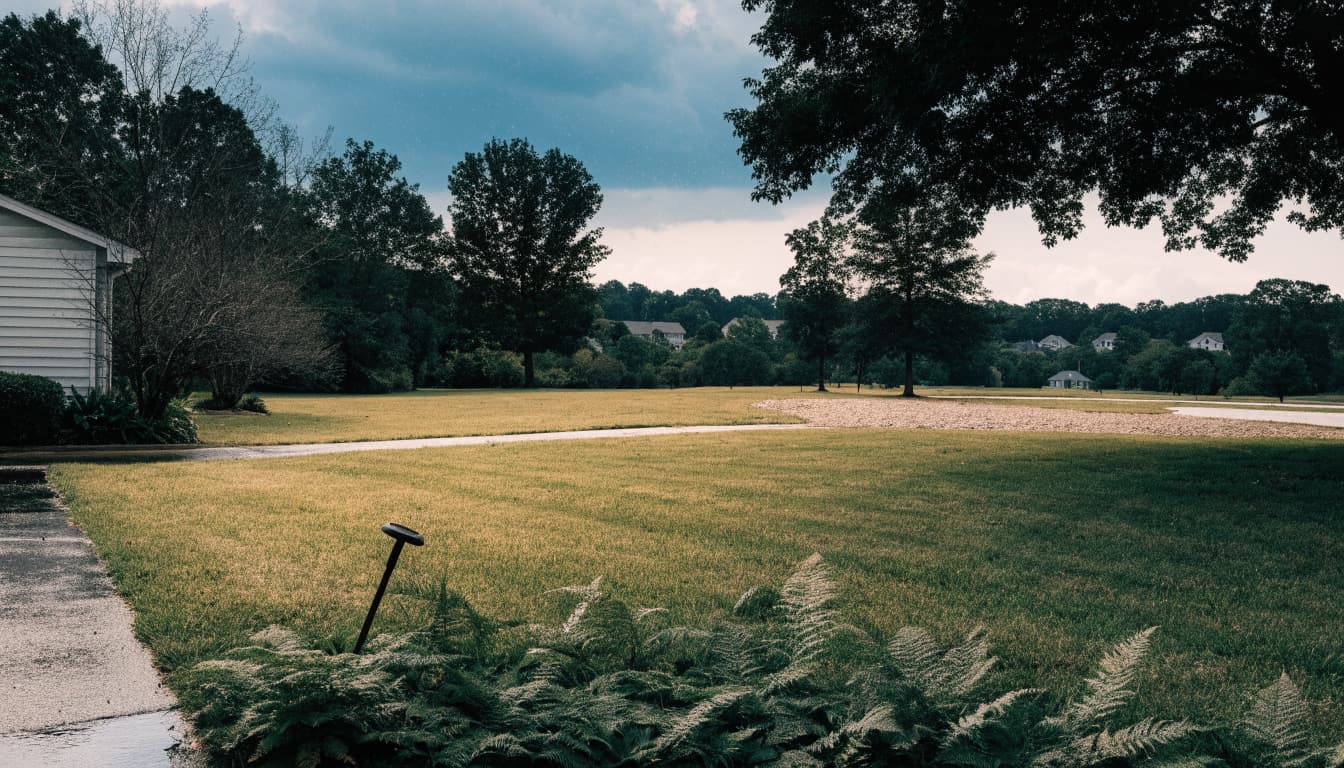
The clearest opportunity is a system that waters after adequate rainfall. A weather-aware controller may reduce or skip a cycle based on recent rain, a forecast, or calculated plant-water demand. An attached rain sensor can stop a cycle when rain reaches the property.
That matters when a storm arrives after you've set a longer summer schedule. The lawn may need irrigation later in the week, but running the next programmed cycle without checking conditions can add water to already wet soil.
Different needs across one property
A sunny Bermuda lawn, shaded fescue, and a shrub bed shouldn't automatically receive the same run time. If they have separate irrigation zones, you can program each for its plants, sprinkler output, and exposure.
Smart control helps most when those zone settings start with a sound plan. If one zone sprays a driveway or covers both thirsty turf and established shrubs, changing the controller alone won't solve the mismatch.
How rainfall and soil moisture change the schedule
Weather data, rain sensors, and soil-moisture sensors answer different questions. Knowing the difference helps you choose equipment that fits your yard.
Weather-based scheduling estimates water need
Weather-based controllers adjust irrigation using conditions such as temperature and rainfall. Some account for predicted weather as well as recent conditions, depending on the model and settings. Their strength is responding without you resetting every seasonal run time.
However, a nearby weather reading may miss a brief storm over your house. Check the controller's rain source and review its behavior after a few local showers. A roof-mounted rain sensor adds an on-site signal, but it only detects rain at its own location.
Soil-moisture sensors check the ground
A soil-moisture sensor can prevent a scheduled run when the measured soil is still wet enough. This can be useful in a shaded yard or a clay-heavy area that holds moisture after a storm.
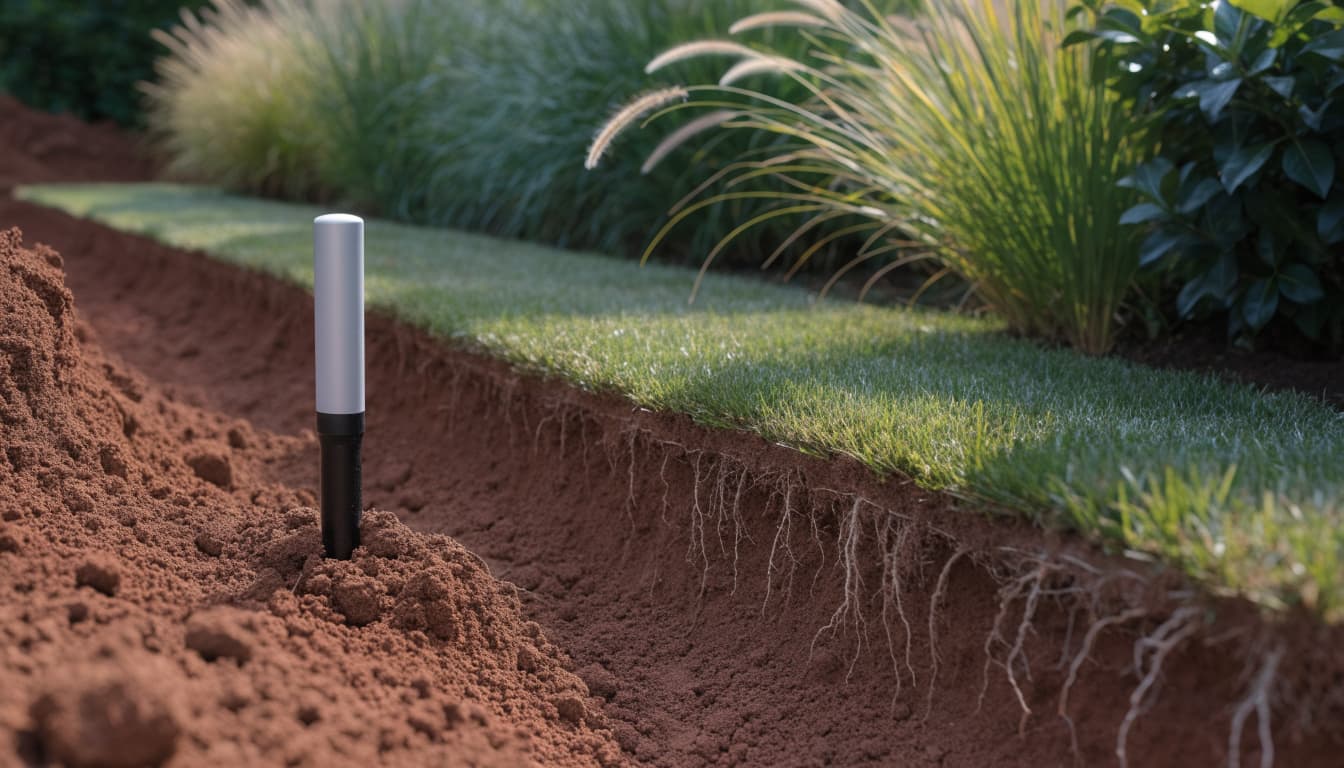
Placement matters. Put the sensor in a representative part of the zone, at the depth specified for the device and plant roots. A probe beside a downspout may keep a dry lawn zone off. One in an unusually sunny patch may trigger unnecessary watering elsewhere.
A rain sensor knows rain reached its mounting point. A soil sensor tells you whether the soil around its probe is still moist.
Match irrigation to Atlanta's grass seasons
UGA Extension uses about 1 inch of total water per week , including rainfall, as a starting guide for many actively growing lawns. One inch across 1,000 square feet is roughly 600 gallons, so unnecessary cycles can add up. The target is a lawn-care guide, not an instruction to apply an inch every week.
Bermuda and zoysia need seasonal changes
Bermuda and zoysia grow most actively in warm weather. During dry summer heat, monitor them for dull bluish-green color, folded blades, or footprints that remain after you walk across the lawn. Those signs can point to moisture stress.
As growth slows in fall, reduce the schedule. Dormant warm-season grass generally needs much less irrigation in winter. Extra watering won't make a dormant Bermuda lawn green, and wet soil can cause other problems.
Fescue and new plantings need separate attention
Tall fescue grows during cooler parts of the year and may struggle in Atlanta's summer heat. Don't copy a Bermuda program onto a fescue zone. Established shrubs can also have different needs from newly installed plants, which require closer attention while their roots establish.
Use an Atlanta lawn watering schedule by season as a starting point, then adjust for rain, shade, and the grass in each zone. A controller can change timing, but it can't identify your turf or tell whether new sod has rooted.
Set run times using water delivered, not minutes copied
A 20-minute cycle says little about how much water reaches the soil. Sprinkler heads, pressure, spacing, and blocked spray patterns all affect the result. Measure the system before relying on its automatic adjustments.
Test each zone with catch containers
Place several shallow, straight-sided containers across a zone and run it for a measured period. Compare the collected water to see both the average amount and whether coverage is even. Repeat on other zones rather than assuming they apply water at the same rate.
For example, if one area collects far less than the others, extending the whole zone's run time will overwater the areas receiving normal coverage. Check for a clogged nozzle, poor head alignment, or a pressure problem first. Then set a reasonable base run time for the controller to adjust.
Give clay soil time to absorb water
Many Atlanta yards have clay-heavy or compacted soil. On a slope, a long sprinkler run may send water across the sidewalk before it reaches the roots. A cycle-and-soak setting splits the planned watering into shorter runs with pauses between them.
Watch the zone while it operates. If runoff starts after several minutes, shorten each cycle and allow more soak time. Persistent puddles around one head may point to a leak instead of slow absorption. Irrigation settings can reduce runoff, but they can't correct damaged equipment or a grading problem.
Follow Georgia's watering rules when programming
Georgia's ordinary statewide rule allows outdoor landscape watering from 4 p.m. to 10 a.m. for water supplied by an EPD-permitted system. Program the controller inside that window. Early morning is usually the practical choice because less water evaporates than during afternoon heat, and foliage has time to dry.
The statewide baseline does not automatically impose odd- and even-address watering days. Those schedules can apply under particular drought-stage rules or local notices. Check your water provider and current local requirements before activating an automatic program, especially during a dry spell.
Also check how the controller handles a delayed cycle. If a rain delay ends at an inconvenient time, the next run still needs to comply with the rules for your address. A saved schedule isn't proof that every future watering day is permitted.
Where the savings may be small
If you already use a rain gauge, turn off irrigation after storms, and water established turf only when needed, a new controller may save little. The same is true if most of your yard has no automatic irrigation. Adding sprinklers for convenience could increase water use compared with careful hand watering.
Poor system condition limits the payoff, too. A broken head, leaking valve, or sprinkler aimed at pavement wastes water regardless of the schedule. Likewise, a controller may respond to a dry weather forecast while compacted soil still holds moisture below the surface.
No controller can promise a fixed savings amount for an Atlanta home. Your starting habits, weather, zone layout, and equipment condition determine the result. To judge whether yours helps, compare irrigation use across similar periods while accounting for rainfall and changes to the lawn. A single lower water bill may reflect a rainy month rather than better control.
Choose, set up, and maintain a system you can trust
Controllers sold under names such as Rachio, Hunter Hydrawise, Rain Bird, and Orbit offer different ways to manage irrigation. Compare the particular model with your existing wiring, number of zones, available sensors, and home Wi-Fi. Confirm any ongoing service costs and whether the functions you want require additional hardware.
Build a useful starting program
Map each zone before entering settings. Note its grass or plants, sun exposure, sprinkler type, and any slope or persistent wet spot. Keep lawn and planting-bed schedules separate wherever the plumbing allows.
Enter measured sprinkler output and a seasonal schedule rather than accepting default minutes without checking them. If you add a rain or soil sensor, follow its placement instructions and test whether it stops a scheduled run. New sod and newly planted beds may need temporary settings, subject to applicable watering rules.
Inspect what the app can't see
Run each zone while you're home a few times each season. Look for broken heads, blocked nozzles, leaking valves, and spray landing on pavement. After a heavy storm, check whether the lawn is draining before overriding a skipped cycle.
If an area keeps looking dry, examine coverage and soil before adding minutes. Uneven moisture can also call for changes to mowing or landscape care. Atlanta lawn care and mowing services can support a routine that responds to the grass's condition, not just the controller's calendar.
Key takeaways
- Smart control has the most room to save water when an existing timer regularly runs after rain.
- Weather data estimates need; an on-site rain sensor detects rainfall, while a soil sensor checks moisture at its probe.
- Measure sprinkler output, program zones separately, and repair leaks before expecting automation to help.
- Follow current watering rules and adjust for the season. A controller can't replace a look at the lawn.
Common questions about smart irrigation controllers
Will a smart controller water less every week? No. During a dry, hot stretch, the lawn may need more irrigation than it did during a rainy week. The goal is to avoid unnecessary cycles while meeting actual plant needs.
Do I need both a rain sensor and a soil-moisture sensor? They provide different information, but every yard doesn't need both. Start by identifying the problem you want to solve, such as sprinklers running during rain or shaded clay soil staying wet afterward. Check sensor compatibility with the controller before buying.
The best savings start with the existing system
That sprinkler running after a storm is a good reason to review your settings. So are repeated puddles, runoff, or zones that water plants with different needs on one schedule.
A smart controller helps when its decisions are based on measured output, suitable zones, and local conditions . Set that foundation first, then let the system skip water your lawn doesn't need.