Atlanta Bare Spot Repair for Bermuda and Zoysia Lawns
Bare spots show up fast in Atlanta lawns, especially after hot stretches, heavy rain, or a rough mowing pattern. If you have Bermuda or Zoysia, the fix needs more than a quick patch of grass.
The real answer starts with the cause. A bare spot from dog urine, shade, or compacted clay needs a different repair than a spot caused by fungus or poor drainage.
Why bare spots show up so often in Atlanta lawns
Atlanta weather puts warm-season grass under pressure. Long, humid summers can stress turf, and sudden storms can wash out thin areas. Add clay soil, tree shade, pets, and weekend foot traffic, and bare spots start to make sense.
Bermuda and Zoysia both grow well here, but they react differently when a section thins out. Bermuda usually bounces back faster in sunny areas. Zoysia takes longer, yet it often keeps a smoother look once it fills in.
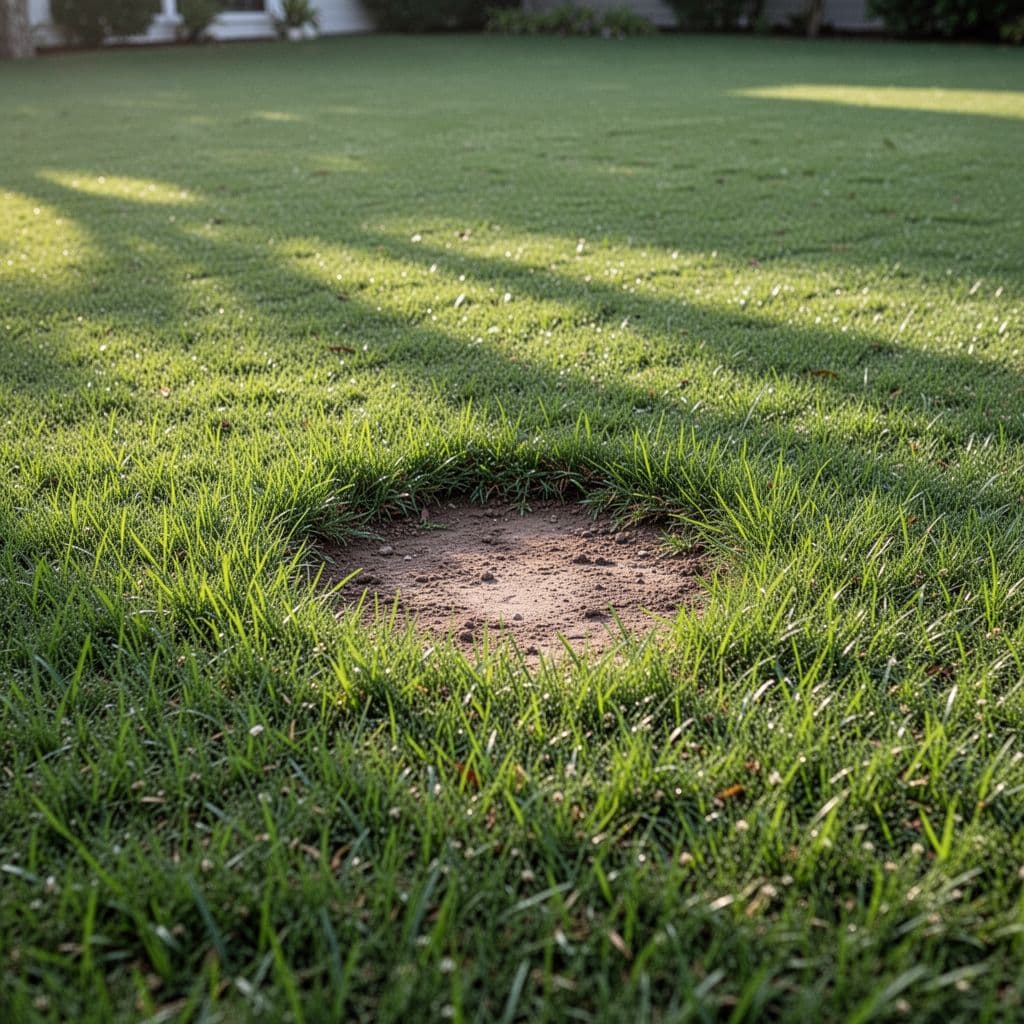
A bare patch can also reveal what the grass around it is telling you. If one corner keeps thinning, the problem may be right below the surface.
Fix the cause before you fill the hole
This part matters more than most homeowners expect. If you patch a bare spot without fixing the reason it formed, the grass may disappear again in a few weeks.
Start by asking a few simple questions. Does the area get enough sun? Does water sit there after rain? Does the spot line up with a downspout, sprinkler head, or pet path? Did someone scalp it with the mower?
A quick look can save you from doing the same job twice. If the area feels soft and spongy, or if the soil stays wet too long, drainage may be the issue. If the grass was scraped down to the dirt after a low mow, you may only need better mowing height and a little patience.
If water pools in the same spot after every storm, patching grass won't solve the problem.
When the bare area sits in a dip, the repair may call for leveling instead of simple reseeding or sodding. In that case, Atlanta lawn leveling for uneven turf may be the better fix before any new grass goes down.
Bermuda and Zoysia don't heal the same way
Bermuda and Zoysia are both warm-season grasses, but their habits are not the same. That difference changes how you repair a bare spot and how long you should expect the fix to take.
Sunlight and spread rate matter
Bermuda is the faster spreader. It fills open space by sending runners across the soil, so small spots can knit back together quickly when the area gets full sun. For that reason, Bermuda repair works best in bright sections of the yard, usually with at least six hours of direct light.
Zoysia spreads more slowly. It forms a denser mat, which can look great, but it also means repairs take longer. Zoysia tolerates a little more shade than Bermuda, yet it still needs enough light to recover well. If the spot is under a tree canopy or near a fence line, patience matters more with Zoysia.
Seed, plugs, or sod?
Bermuda gives you more options. Some lawns can be repaired with seed, while others are better handled with sod pieces or sprigs that match the existing turf. If you want the fastest visual fix, small sod patches often work well.
Zoysia is different. Seed is usually not the first choice for most homeowners because it is slow and often variety-specific. Small sod pieces or plugs usually blend better and recover in a cleaner way. That slower spread rate means you should keep the patch modest and the care steady.
The goal is simple, match the existing lawn as closely as possible. A mismatched patch can stand out like a new tile in an old floor.
A repair process you can follow at home
If the cause is minor and the area gets enough sun, you can repair many bare spots yourself. The steps below work well for Atlanta lawns during the warm growing season.
- Clear the spot completely.
Pull out dead grass, weeds, roots, and loose debris. A clean base helps new turf contact the soil. - Loosen the top layer of soil.
Scratch the surface with a rake or hand cultivator. If the soil is hard, add a thin layer of compost or clean topsoil. Keep it light. Thick fill can smother nearby grass. - Match the repair material to the lawn.
Use Bermuda seed, sprigs, or sod for sunny, fast-filling areas. Use Zoysia plugs or small sod pieces when the lawn is Zoysia. Try to match the variety already in the yard. - Set the new grass at soil level.
Press it in firmly so roots touch the soil. If you can lift the patch easily, it will struggle. The surface should feel even with the rest of the lawn. - Water with care.
Keep the area damp, not soggy. Light watering helps new roots settle. In Atlanta heat, that may mean shorter, more frequent watering at first. - Mow only after the repair takes hold.
Wait until the new grass starts growing across the edges. Then mow with a sharp blade and avoid cutting too low.
The first few weeks matter most. Bare spot repair is a little like stitching fabric, if the thread is loose, the fix falls apart. A tight fit and steady water give the repair a real chance.
Signs the patch needs more than a DIY fix
Some bare spots are bigger than they look. If the same area keeps failing, the problem may be deeper than the turf.
Watch for these signs:
- The spot grows every season instead of shrinking.
- Water stands there after rain or irrigation.
- The area sits in dense shade most of the day.
- The soil feels packed hard and won't loosen easily.
- Insects, fungus, or root damage keep returning.
When the lawn has repeated failures, the issue may be compacted soil, bad grading, or poor drainage. If that's the case, patching the surface only hides the real problem for a short time. A professional can test the soil, inspect the grade, and look at the irrigation pattern before recommending a fix.
That kind of help matters most on slopes, at the edge of driveways, and in low spots near patios or sidewalks. Those places often need a different plan than a simple turf patch.
Keeping Bermuda and Zoysia full after the repair
Once the bare spot fills in, keep the rest of the lawn in better shape so the same problem does not return. Mow at the right height, because scalping warm-season grass opens the door to more damage. Water deeply when the lawn needs it, but do not keep the soil wet all the time.
Sunlight also plays a big part. Bermuda needs open, sunny space to stay strong. Zoysia handles a little more shade, but even it can thin out when trees block too much light. If shade keeps winning, trimming tree limbs or changing the use of that area may help more than another patch job.
Fertilizer can help, but only at the right time and in the right amount. Too much can push weak growth and make the lawn look good for a week, then worse later. A steady maintenance plan usually beats a heavy-handed fix.
Conclusion
Bare spot repair in Atlanta works best when the cause comes first and the patch comes second. Bermuda usually recovers faster in full sun, while Zoysia needs more patience and a tighter match to the existing lawn.
If the area is small and the problem is clear, a careful DIY repair can work well. If the spot keeps coming back, or if drainage and grade are part of the issue, the lawn needs a deeper fix before new grass goes down. A healthy repair starts below the surface, then grows outward.