Atlanta Carpetgrass Control for Bermuda and Zoysia Lawns
Carpetgrass can sneak into a Bermuda or Zoysia lawn when the yard stays wet and thin. By the time it stands out, the turf around it is often stressed too. Atlanta's heat, clay soil, and summer rain make that mix common.
The right Atlanta carpetgrass control starts with identification, then moves to timing, mowing, and the right treatment for the grass you want to keep. Bermuda and zoysia do not respond the same way, so one product plan can help one lawn and hurt the next.
How to spot carpetgrass before it spreads
Carpetgrass is easy to miss at first because it grows low and spreads in flat patches. In Atlanta lawns, it often shows up in wet corners, near downspouts, along driveway edges, or in spots that get afternoon shade.
Look for a light, apple-green patch with a coarse feel. The blades are wider than Bermuda grass blades, and the patch often looks flat instead of upright. In summer, you may also notice seed stalks that rise above the canopy.
Some quick clues help narrow it down:
- The color is usually lighter than the turf around it.
- The blades feel broader and rougher than Bermuda.
- The patch stays dense in wet soil, even when the rest of the lawn looks thin.
- The weed keeps returning in the same low or compacted area.
Carpetgrass often likes poor drainage and compacted soil. That means the weed is not the whole problem. The site conditions are part of it.
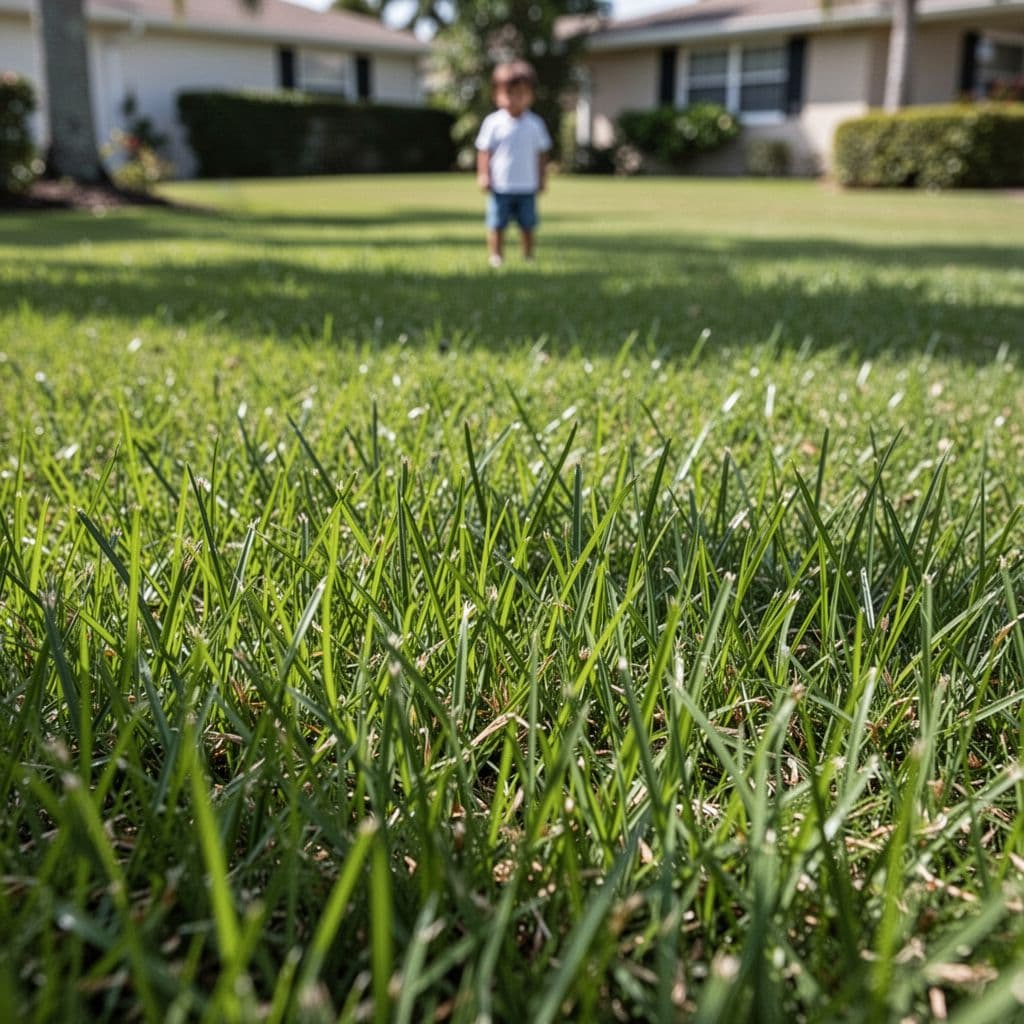
If the patch keeps coming back in the same place, pull a small clump and compare it with the surrounding turf. Bermuda feels finer and more uniform. Zoysia feels thicker, but it still looks more even than carpetgrass.
Why timing matters in Atlanta lawns
Most lawn weed failures come from timing, not from bad luck. Carpetgrass is active in warm weather, so spring through early summer is the best time to tackle it. Once the lawn starts cooling off, treatment gets harder and recovery slows.
Atlanta weather adds a few more wrinkles. Heavy rain can leave low spots soggy, then hot afternoons stress Bermuda and zoysia at the same time. That combination gives carpetgrass a window to fill in weak areas.
A product that looks safe on paper can still injure turf if the lawn is drought-stressed, freshly scalped, or thin from summer heat.
Pre-emergent products do not solve an established carpetgrass patch. They can help with new seedlings, but they will not clean out a weed that is already rooted and spreading. That is why turf condition matters just as much as the spray you choose.
Do not treat during a heat wave or right after a hard mow. Also, always confirm current product labels and local extension guidance before application. Labels change, and turf tolerance changes with weather.
Bermuda and zoysia need different control choices
Bermuda and zoysia both handle Atlanta summers well, but they do not forgive mistakes in the same way. Bermuda usually recovers faster after spot treatment or repair. Zoysia grows more slowly, so a bad cut or a harsh spray leaves a visible mark longer.
Here is a simple comparison that shows where the plan shifts.
| Topic | Bermuda | Zoysia |
|---|---|---|
| Recovery after damage | Usually faster | Usually slower |
| Mowing response | Handles lower mowing better | Needs more caution with scalp damage |
| Herbicide risk | Often has a wider label window, but still check carefully | Fewer safe options, so the label matters even more |
| Repair after removal | Gaps can close faster | Bare spots often need plugs or sod |
| Best cultural support | Frequent mowing and drainage help a lot | Mowing height, shade control, and drainage matter more |
Bermuda can usually take a more direct cleanup when the infestation is small and the turf is strong. Even then, you still need a product that lists your grass type and the weed you are trying to remove.
Zoysia calls for a gentler hand. A product that is safe on Bermuda may thin zoysia, especially in summer heat or dry soil. When the patch is small, digging it out and repairing the spot can be safer than guessing with a spray.
If your mowing height has drifted, compare it with optimal mowing heights for Atlanta grass types. A lawn that is cut too short opens the door wider for carpetgrass.
A safe control plan for Atlanta yards
Once you know what you are dealing with, the process gets simpler. The goal is to remove the weed without weakening the turf around it.
- Confirm the weed and the turf type. Carpetgrass, Bermuda, and zoysia can look similar from a distance. A close look saves a lot of trouble later.
- Fix the mowing height first. A lawn that is too low or uneven is easier to damage. Match the cut to the grass type, then let the turf recover before spraying.
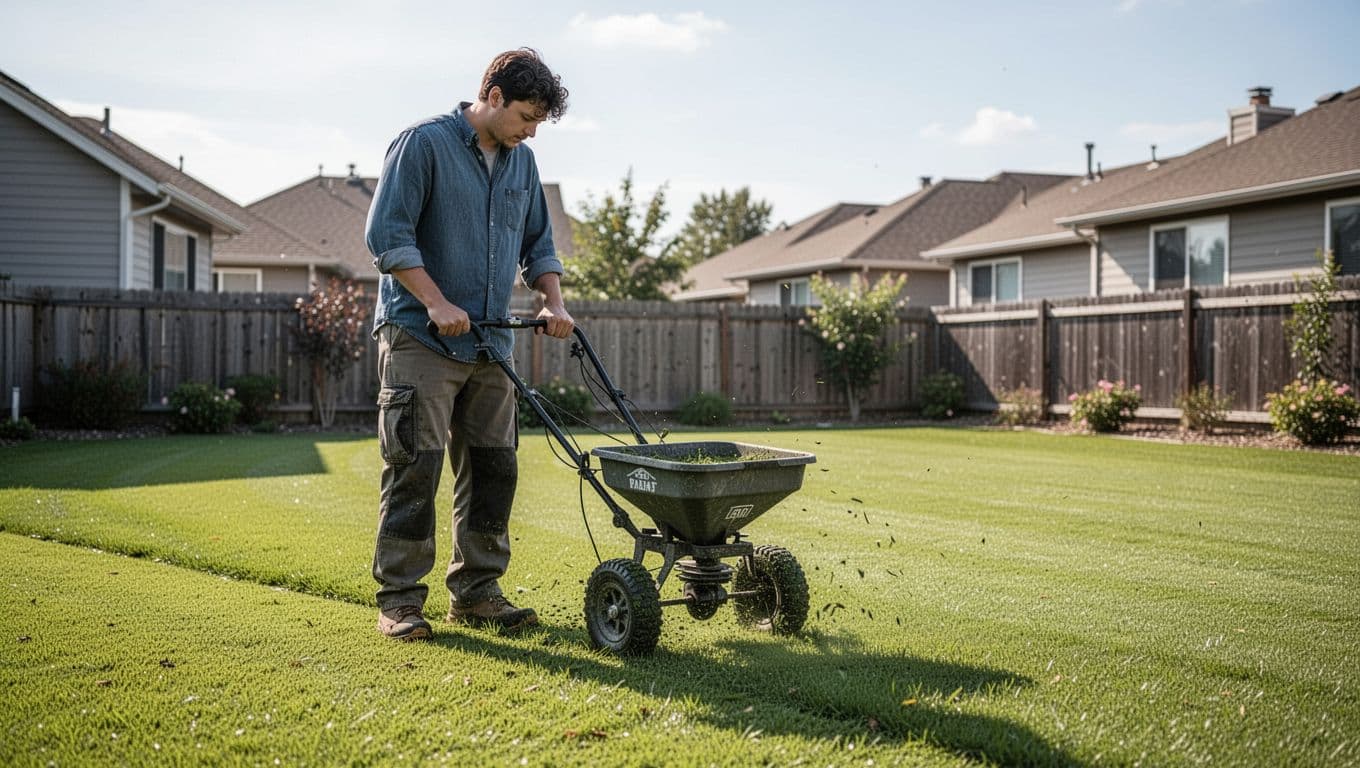
- Treat small patches while the lawn is actively growing. Spot treatment is better than blanket spraying when the weed is isolated. Use only products that are labeled for your turf and the target weed.
- Avoid spraying stressed grass. Skip treatment if the lawn is wilted, thin, recently scalped, or sitting in extreme heat. That is when turf damage becomes more likely.
- Check the results, then repair the gaps. Wait the label-recommended time before judging success. If a patch dies back, replug Bermuda or zoysia during active growth so it can knit back in.
If the patch is large and the safe options are limited, a non-selective spot treatment followed by repair may be the cleanest fix. That works best when you are ready to re-establish the area afterward.
Keeping carpetgrass from coming back
Long-term control is about making the lawn less friendly to carpetgrass. Wet soil, shallow roots, and thin turf create the opening. Once those conditions improve, the weed has less room to settle back in.
Start with drainage. Low spots, clogged gutters, and downspouts that dump water into the lawn need attention. Atlanta clay holds moisture, so even one bad corner can stay wet long enough for carpetgrass to return.
Irrigation matters too. Frequent light watering keeps the surface damp. Deep, less frequent watering is better for Bermuda and zoysia because it encourages deeper roots. That helps the turf crowd out weeds.
Regular mowing also makes a difference. If the mower is too low, the grass thins out. If it is too high, the canopy can get weak and patchy at the base. Consistent mowing keeps the lawn dense enough to shade out new growth.
For busy homeowners, reliable residential lawn care services can help keep mowing, edging, and cleanup on schedule. That kind of steady care matters more than one big fix after the weed has already spread.
Fertilizer should match the turf, not the calendar. Weak or underfed lawns open the door to more problems. Compacted soil does the same, so aeration can help in the right season.
Conclusion
Carpetgrass control works best when you treat the lawn, not just the weed. In Atlanta, wet clay soil, summer heat, and uneven mowing make the same patch come back fast if the conditions stay wrong.
Bermuda gives you a little more room to recover. Zoysia asks for more caution. In both lawns, correct identification, proper timing, and turf-safe products matter more than quick guessing.
When in doubt, check the label first, match the treatment to your grass, and fix the drainage or mowing issue that helped carpetgrass move in. That is how you get a cleaner lawn that lasts beyond one season.