Atlanta Ground Pearl Damage in Bermuda Lawns: What to Expect
Brown patches in Bermuda don't always mean drought, grubs, or a bad mower pass. In Atlanta, some of the most stubborn turf loss comes from ground pearl damage , a root-feeding pest that hides below the surface.
This problem frustrates homeowners because quick fixes rarely work. If you want the lawn back, accurate diagnosis and a steady recovery plan matter more than any one product. It starts with knowing what this damage looks like in a Georgia Bermuda lawn.
How ground pearls hurt Bermuda grass in Atlanta
Ground pearls are soil-dwelling scale insects. They feed on roots, so the lawn weakens from below instead of getting chewed on top.
That matters because the damage often looks vague at first. Bermuda may turn pale green, then yellow, then brown in irregular patches. Growth slows down. The turf stays thin even when nearby grass takes off. During Atlanta's hot, dry stretches, those weak spots stand out fast.
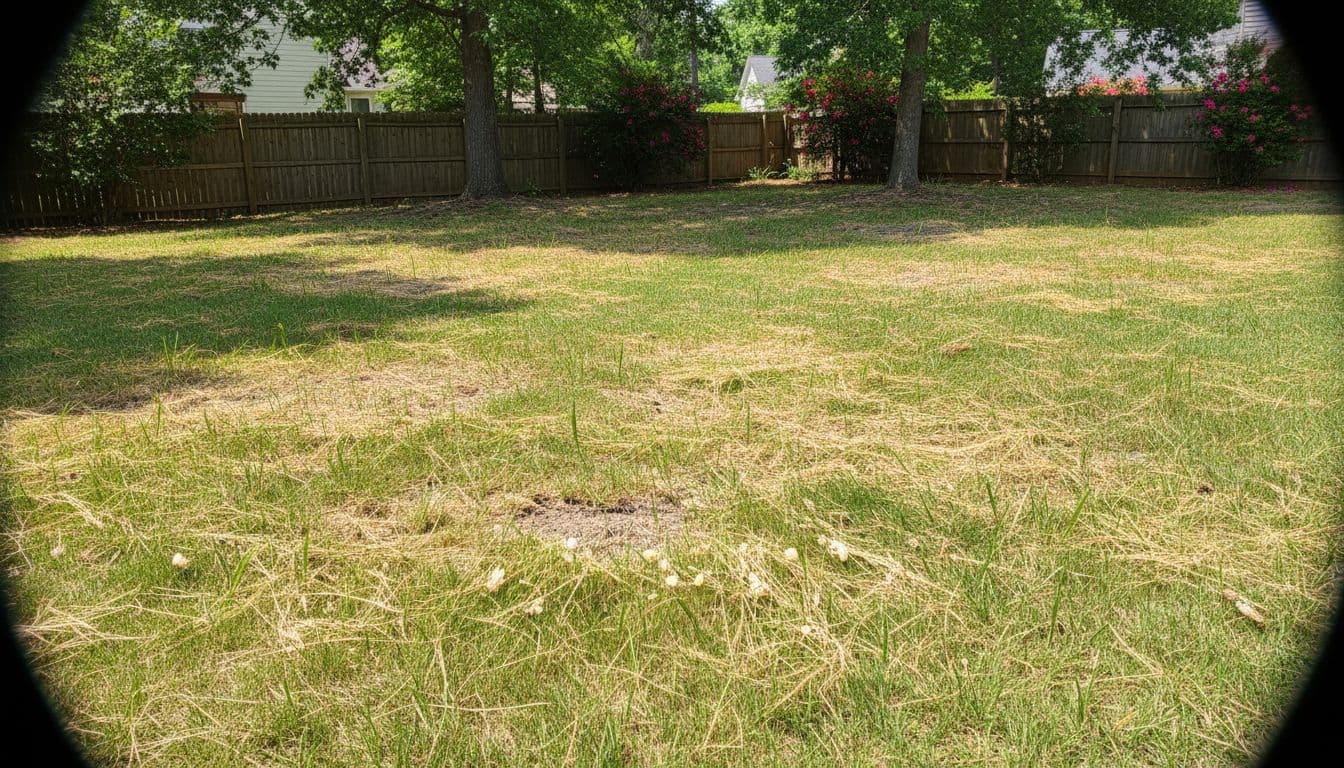
Unlike a short-term drought issue, the same areas often come back year after year. You may water, fertilize, and wait, yet the patch still lags behind the rest of the yard. Weeds also move in because thin Bermuda leaves open soil.
Atlanta lawns can be easy to misread. Heavy clay, sun-baked slopes, compacted soil, and uneven irrigation all stress Bermuda. So do other pests. If the grass pulls up like loose carpet, compare your symptoms with this Atlanta grub control guide. If blades look ragged or chewed near the surface, this sod webworm damage guide can help rule out above-ground feeding.
Ground pearls usually show their worst damage in summer because stressed roots can't keep up. That's why many homeowners notice the problem in June, July, and August, even though the insects were already there. The pattern is slow decline, not overnight collapse.
With ground pearls, the job is usually long-term management, not a one-time cure.
How to confirm ground pearls before you treat
Don't guess. Bermuda can recover from many problems, but only if you solve the right one.
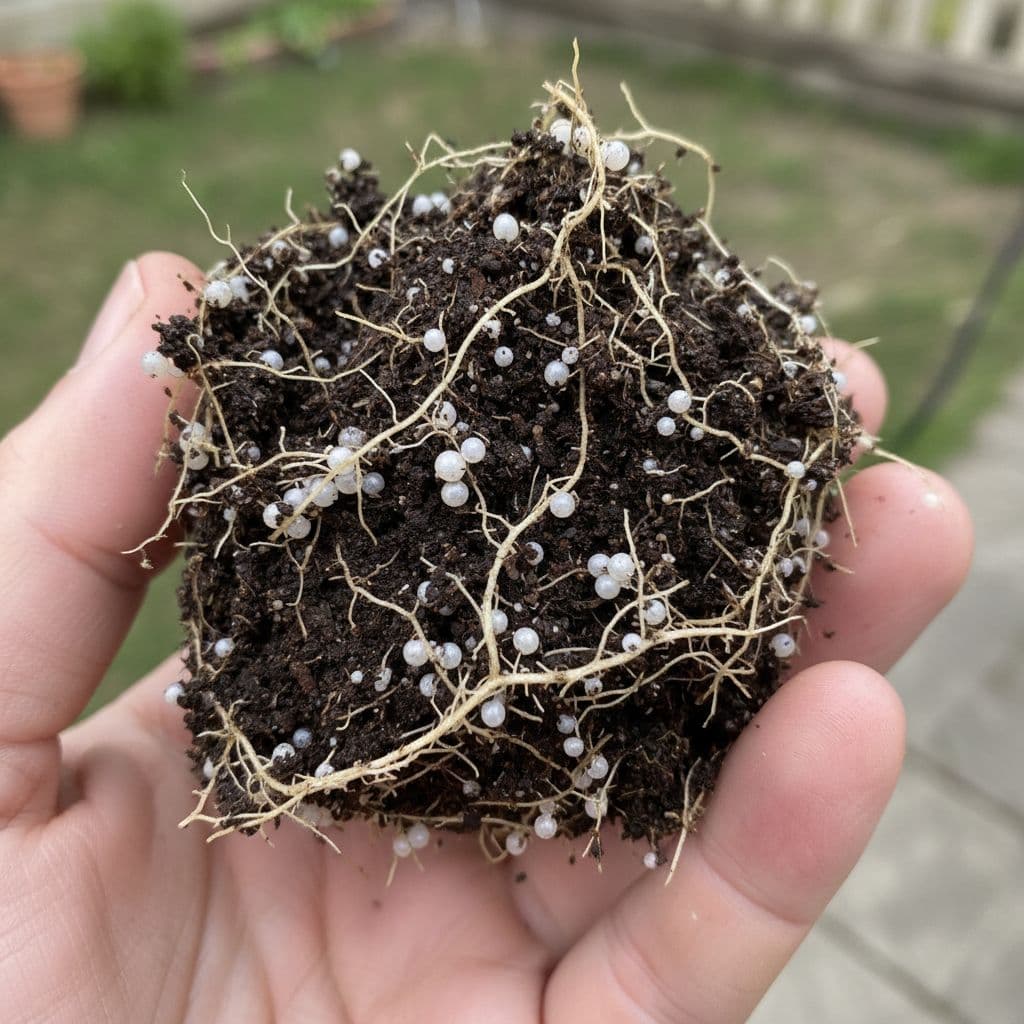
Start at the edge of a thinning patch, not the dead center. Use a hand trowel or small shovel and lift a few inches of turf with roots and soil attached. Then break the soil apart and inspect the root zone. Ground pearls look like tiny round beads, often white to pinkish or tan, attached near roots or sitting in the soil.
A simple check works best:
- Dig samples from the patch edge and a healthy area nearby.
- Compare root depth, soil moisture, and any pearl-like cysts.
- Look for repeated damage in the same sunny, stressed spots.
If you find the beads, you've got a strong clue. If you don't, pause before buying products. Irrigation failure, compaction, disease, dog spots, and root loss from other insects can all mimic ground pearl damage.
UGA turf guidance for Bermuda focuses hard on proper mowing, fertility, and soil care, and that fits this issue well. NC State TurfFiles also notes that lawn recovery often depends more on cultural care than on insecticides. That's the honest part many homeowners don't hear early enough.
A county extension office or an experienced lawn professional can help if the diagnosis still feels shaky. That's money better spent than throwing random treatments at the yard.
What realistic management and recovery look like in Georgia
Ground pearls are difficult to control because the pearl-like stage protects them. For home lawns, dependable chemical control is limited, and results can be disappointing. Even on intensively managed bermudagrass, research points back to timing, monitoring, and plant health. In other words, don't expect a spray-and-done result.
This seasonal guide fits most Atlanta Bermuda lawns:
| Atlanta timing | What to focus on |
|---|---|
| March to April | Check recurring patches, fix drainage or irrigation issues, avoid early nitrogen before full green-up |
| Late April to June | Fertilize after Bermuda is fully growing, mow at the right height, aerate compacted areas |
| July to August | Water deeply during heat, avoid scalping, watch stressed spots for thinning |
| September | Repair small areas with plugs or sod only if the source area is clean and the lawn is still active |
The big takeaway is simple: strengthen the turf while reducing extra stress.
Water deeply and less often, with about 1 inch per week from rain and irrigation combined during active growth. Mow common Bermuda around 1 to 2 inches, and hybrids around 1 to 1.5 inches, with a sharp blade. Never scalp a weak area because it pushes already-damaged roots even harder.
Feed Bermuda only after full green-up. In Atlanta, that usually means late April into May, when soil temperatures are warm enough and the lawn is actively growing. Split fertilizer through summer instead of dumping heavy nitrogen all at once. Skip winter nitrogen.
If your soil is tight, core aeration during active growth can help roots compete better. That's often useful in Metro Atlanta clay. Also check any new sod or plugs before planting, and clean tools after digging in problem spots so you don't move infested soil around.
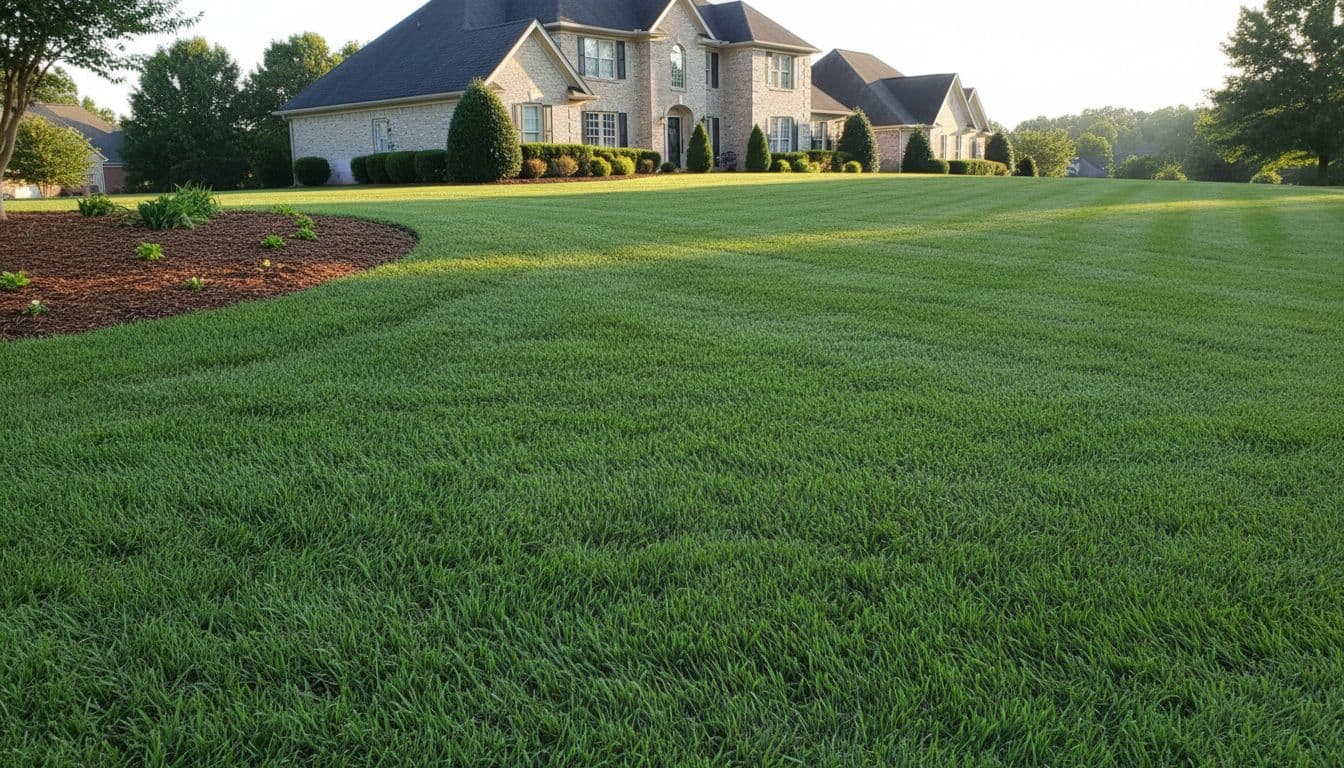
Recovery takes patience. Mild to moderate areas may fill back in when Bermuda is healthy and growing hard in summer. Spots that stay bare may need plugging, sodding, or, in stubborn corners, a switch to mulch or a bed line. That isn't giving up. It's choosing a fix that matches the site.
Conclusion
Ground pearl damage is one of the harder problems you'll face in an Atlanta Bermuda lawn because the pest hides underground and control options are limited. The best results come from correct diagnosis , steady turf care, and realistic expectations.
If the same patch keeps thinning every summer, don't treat first and identify later. Confirm the cause, reduce stress, and help the Bermuda compete. That's the approach most likely to save the lawn, and your budget.