Atlanta Sod Webworm Damage Guide for Bermuda and Zoysia Lawns
You step onto your Bermuda lawn after a humid Atlanta evening. Patches look ragged, almost chewed off at the base. Birds peck the grass at dusk. Sod webworm damage often strikes fast in Metro Atlanta, especially on Bermuda and Zoysia during warm months. Homeowners mistake it for drought or disease at first.
These small caterpillars hide in silk-lined tunnels by day. They feed at night, leaving your turf thin and brown. The good news? You can spot it early, confirm the pest, and recover your lawn with basic steps. Proper ID saves time and money before any treatment.
Spotting Sod Webworm Damage on Your Lawn
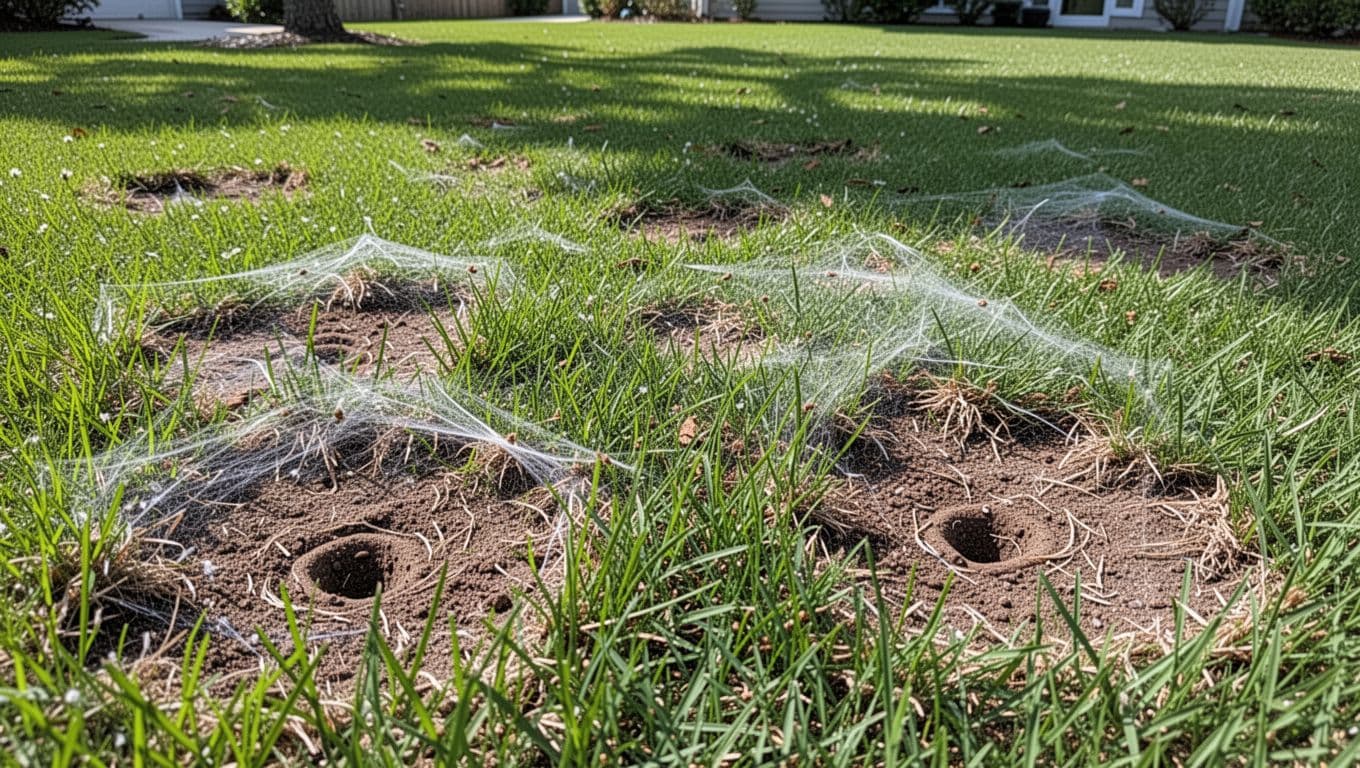
Sod webworms target the crowns and blades of Bermuda and Zoysia. Damage starts small, then spreads. Look for irregular brown patches, one to several feet wide. The grass pulls up easily, like loose carpet.
Frass, or worm poop, dots the soil. Fine silk webs and tiny tunnels appear in thinned areas. Bermuda shows quicker browning because it grows fast. Zoysia stays greener longer but thins unevenly.
Damage worsens after rain or irrigation. Wet soil brings larvae to the surface. Check edges of patches first. Healthy turf nearby contrasts the chew marks.
Night feeding leaves blades notched. Ragged edges differ from clean cuts of mower damage. In Atlanta's clay soils, patches often cluster near low spots or overwatered areas.
Scout at dusk with a flashlight. Moths flutter up as you walk. This confirms active infestation. Early signs beat waiting for bare dirt.
Confirm Sod Webworms Before Acting
Don't spray on looks alone. Use a soap flush to bring larvae up. Mix two tablespoons of dish soap in a gallon of water. Pour slowly over a one-square-yard area at the damage edge.
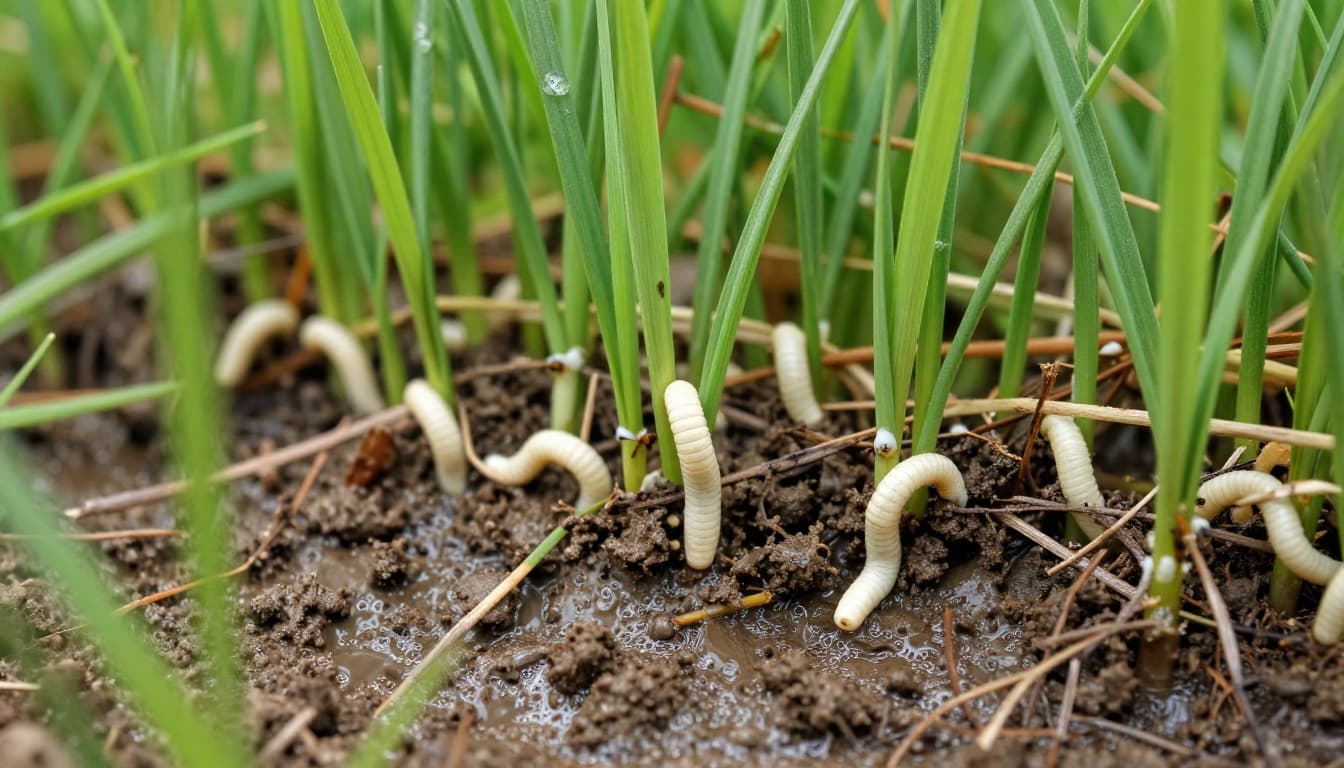
Larvae surface in minutes. They are creamy white, up to three-quarters inch long, with dark heads. Count them. Ten or more per yard means treat. Fewer? Monitor instead.
Test multiple spots. Larvae cluster, so one flush might miss them. Do this after dark or on cloudy days for best results. Always follow product labels if treating.
Lookalikes That Fool Atlanta Homeowners
Sod webworm damage mimics other issues. Drought stress wilts grass evenly. Footprints linger, but turf doesn't lift. Water deeply to check.
Grubs eat roots below ground. Turf feels spongy and pulls up in big sheets. Dig a square foot to inspect. For details on Atlanta grub control for Bermuda and Zoysia , see our guide.
Armyworms chew faster, leaving large bronzed areas. They march in groups. Compare with our Atlanta armyworm treatment plan for Bermuda and Zoysia.
Disease like large patch in Zoysia shows rings or orange edges. Chinch bugs cluster in sunny spots. Soap flush separates surface feeders from root pests.
Peak Times for Sod Webworms in Metro Atlanta
Generations overlap from late spring through fall. Peak damage hits July to September in Georgia's heat. Moths lay eggs after warm rains.
Multiple cycles mean watch year-round. Scout weekly in summer. Zoysia suffers more in shade; Bermuda in full sun. Overwatering invites outbreaks.
Atlanta's humidity speeds hatching. Dry spells slow them. Check after storms.
Safe Treatment Steps Once Confirmed
Threshold met? Choose labeled products for turf caterpillars. Active ingredients like bifenthrin or spinosad work on small larvae. Apply evenings when worms feed.
Cover soil and thatch well. Water lightly after if label says. Spot-treat edges to catch spreaders. Reapply per label, often seven to fourteen days.
Avoid guarantees; results vary with size, weather, coverage. Read labels for rates, safety. Keep kids, pets off until dry.
Pros handle large infestations. Mow before treating for better contact.
Helping Bermuda and Zoysia Recover
Stop feeding first. Then mow at proper heights. Bermuda thrives at one to two inches; Zoysia at one-and-a-half to two-and-a-half. See our Bermuda vs Zoysia guide for Metro Atlanta lawns for tips.
Water deeply, infrequently. One inch weekly beats daily sprinkles. Aerate compacted clay to aid roots.
Fertilize lightly once growth returns. Overseed thin Bermuda spots; plug Zoysia. Patience pays. Bermuda fills faster; Zoysia needs months.
Birds help naturally. Encourage them with feeders nearby.
Sod webworm damage tests Atlanta lawns, but quick ID and care turn it around. Confirm with soap flush, treat thresholds only, then focus on recovery basics. Your Bermuda or Zoysia bounces back stronger. Scout often next summer to stay ahead.
(Word count: 982)