Atlanta Irrigation Installation Cost Guide for 2026

RW Lawn Co • April 19, 2026

Share this article

Hot Atlanta summers bake lawns fast. You watch your Bermuda or Zoysia turn brown despite hose efforts. High water bills hit next. An in-ground irrigation system fixes that. It waters deep and even, so roots stay strong.

This guide breaks down Atlanta irrigation installation cost for 2026. Expect ranges based on yard size and features. Prices vary by soil, slopes, and zones. You'll see real numbers for Metro Atlanta homeowners.

Basic systems start simple. Let's look at costs first.

Average Costs for Basic Sprinkler Systems

Most Atlanta yards under a quarter-acre need 4 to 7 zones. One zone covers sun and shade plants differently. Basic pop-up sprinklers suit Bermuda grass lawns here.

Expect $1,800 to $3,400 total for 10,000 square feet. That's $0.20 to $2 per square foot. Labor and materials split about even. Trenching clay soil takes time, so pros charge $50 to $100 hourly.

Here's a quick range by yard size:

Yard Size Zones Total Cost Range
5,000 sq ft 3-4 $1,000-$2,500
10,000 sq ft 4-6 $1,800-$3,400
15,000 sq ft 6-8 $2,800-$5,000

These include heads, pipes, valves, and basic controller. Add 10% for taxes. Small fixes like one zone run $600 to $1,300.

Sun beats clay hard in places like Marietta or Decatur. Systems match Bermuda vs Zoysia needs for Metro Atlanta lawns. They recover better with steady water.

Key Factors Influencing Your Total Price

Yard layout bumps costs first. Slopes need more pipe and anti-siphon valves. Tree roots snag trenches, adding hours.

Clay compacts tight. Pros aerate first sometimes. Check our Atlanta lawn aeration guide for why it helps water soak in.

Zones matter too. Sunny front yard? One zone. Shady beds? Separate. More zones mean extra valves at $150 each.

Labor runs 40-50% of the bill. Atlanta crews handle permits and backflow. Materials like PVC pipe cost less than poly for big jobs.

Factor Low-End Impact High-End Impact
Flat yard Saves $500 Baseline
Sloped/trees Adds $800+ +20-30%
4 zones Standard 7 zones +$1,000

Get quotes from locals. They spot Fulton County quirks.

Drip Irrigation Options for Beds and Shrubs

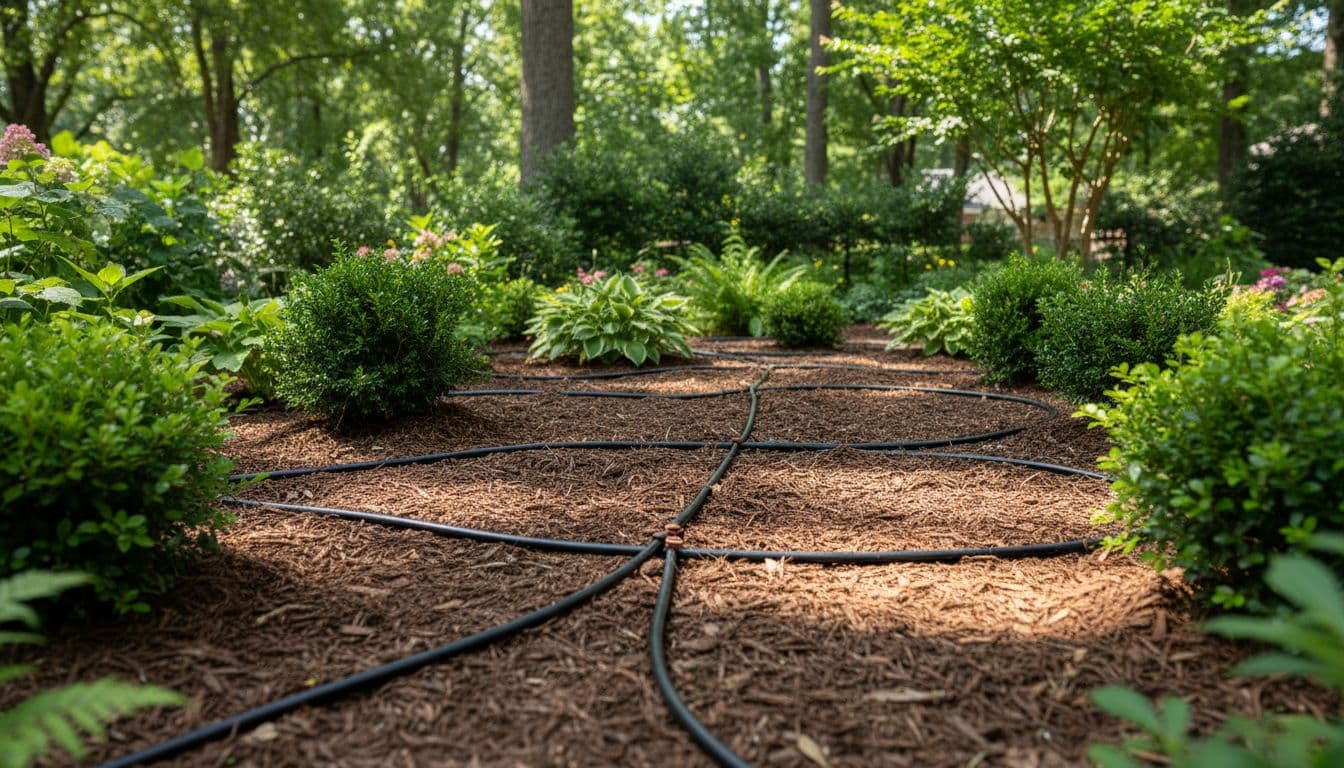
Drip beats sprays for flower beds and shrubs. It targets roots, cuts waste by 50%. Great under oaks where sprays mist away.

Costs run $450 to $650 for a quarter-acre bed area. Full yard hybrid? $1,200 to $2,900. Tubing and emitters cost little; install takes skill to avoid clogs.

Use 0.5 to 2 gallon-per-hour emitters. Pressure regulators prevent bursts. Pair with timers for efficiency.

Atlanta humidity loves drip. It fights fungal spots on Zoysia. Proper mowing heights pair well too.

Smart Controllers and Backflow Prevention Add-Ons

Backflow preventers are code-required. They stop dirty water backing into city lines. Reduced pressure models cost $200 to $400 installed.

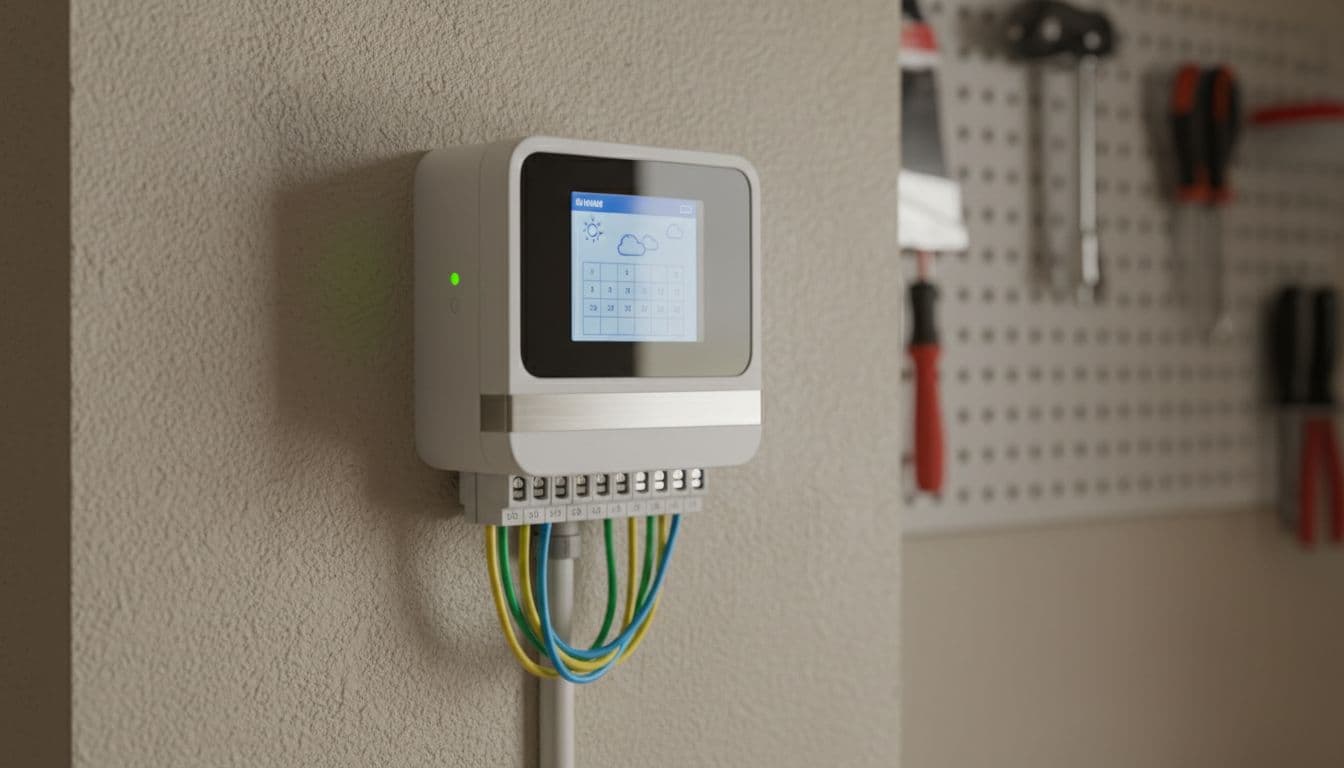
Smart controllers shine. They link to weather apps, skip rainy days. Add $300 to $800. Wi-Fi models like Rain Bird save 30% on bills long-term.

Basic timer? $100. Upgrade pays back in two summers. Test backflow yearly; fines hit otherwise.

Permits, Labor, and Atlanta-Specific Hurdles

Permits cost $35 to $200. Cities like Sandy Springs check plans. Inspections add a day.

Labor varies. Pros trench 400 feet for average yards at $1,700 to $5,000 total dig cost. Hand-dig trees or rocks.

HOA rules? Match Atlanta HOA landscape checklists. They often require systems.

Maintenance and Winterization Expenses

Install once, pay yearly after. Repairs average $100 to $600 per fix. Leaky heads top the list.

Winterize before first freeze. Blow lines for $50 to $150. Skip it, pipes burst.

Spring startup checks valves, $75 to $200. Annual tune-up keeps efficiency high.

Smart systems cut surprise bills. Budget $200 yearly total.

Atlanta irrigation pays off fast. Your lawn stays green through dog days. Costs start at $2,000 for basics, climb with smart tech and drip. Match your yard's needs. Local pros quote exacts based on clay and zones. Strong roots mean less hassle year-round.

By RW Lawn Co July 18, 2026
Annual bluegrass can turn a thick Atlanta tall fescue lawn into a patchwork of pale green clumps by late winter. The weed often appears after fall rains, survives through cool weather, and produces seed before summer heat arrives. A reliable control plan depends on timing, acc...
By RW Lawn Co July 17, 2026
A mature shade tree can improve an Atlanta yard, but its roots can also lift turf, expose bare soil, and crowd plants. Red clay, hot summers, heavy rain, and compacted ground make these problems more common around older trees. The safest repair keeps the tree in place and chan...
SHOW MORE