Atlanta Dog Urine Repair for Bermuda and Zoysia Lawns

RW Lawn Co • April 20, 2026

Share this article

Those little brown circles can make a healthy lawn look rough in a hurry. Around Atlanta, they show up most often on Bermuda and Zoysia because warm-season turf gets stressed when urine lands in the same spot again and again.

The good news is that pet damage has a pattern. If you can tell it apart from drought, fungus, or grubs, the repair is usually simple. Recovery takes longer on some lawns than others, so timing matters as much as the fix.

How to tell dog urine spots from other lawn problems

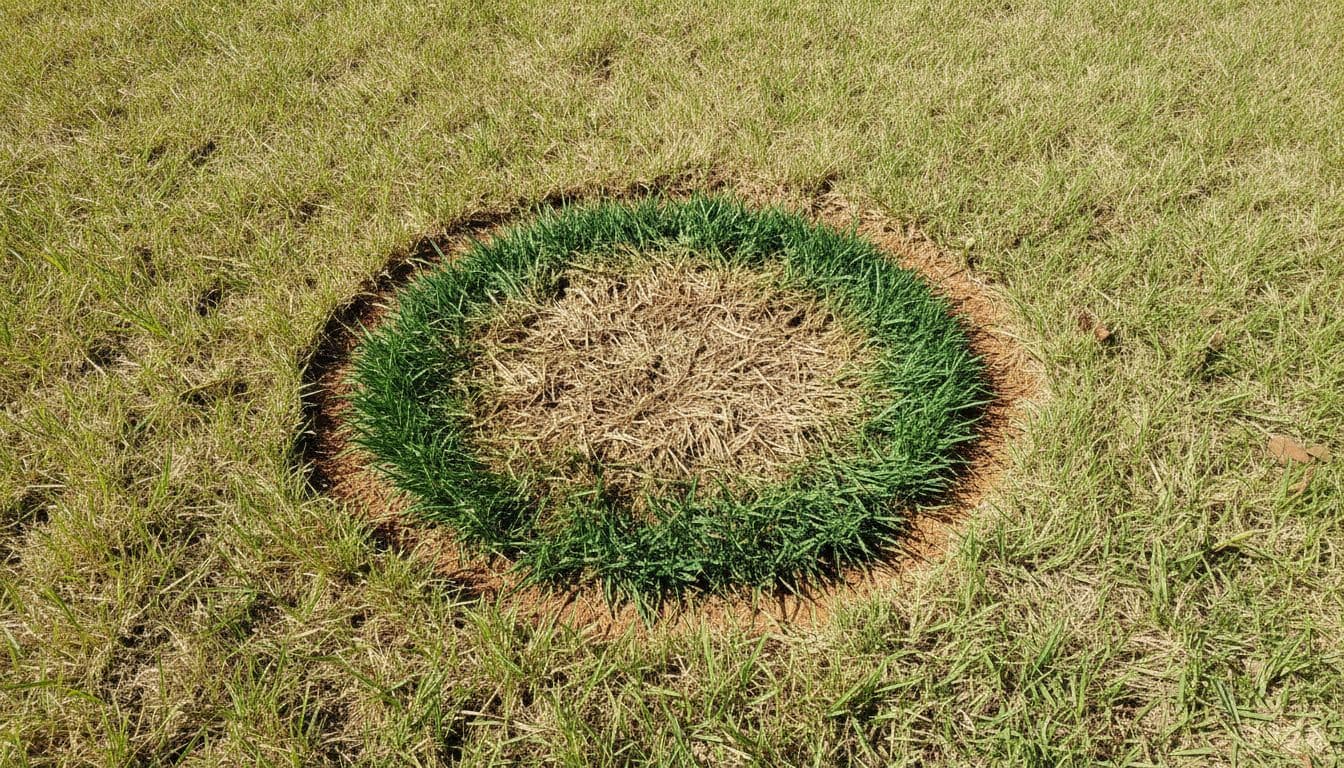
Dog urine burn usually shows up as a small round spot, often 4 to 8 inches wide. The center turns tan or straw-brown, while the edge may look extra green. That dark green ring is the giveaway in many cases, because the outer grass got a small nitrogen boost while the center got too much.

In Atlanta yards, these spots often line up near gates, fences, patio steps, or one corner of the lawn. Repeated use in the same place is what causes the worst damage, not one random trip outside.

Bermuda and Zoysia react a little differently. Bermuda spreads faster in summer and may fill small spots on its own. Zoysia grows more slowly, so the same spot can stay visible longer.

This quick comparison helps separate urine burn from other common lawn issues.

Problem Typical pattern Quick check
Dog urine Small round dead spot, often with green ring Usually near pet paths or one repeat area
Drought stress Larger dull or gray areas Footprints linger, lawn perks up after deep watering
Fungus Bigger rings, scattered spots, or leaf lesions Check blades at the patch edge for spotting or rot
Grub damage Irregular dead area Turf peels up easily like loose carpet

Fungus usually looks less tidy than pet damage. You may see larger circles, active spread in humid weather, or spots on the leaf blades themselves. If summer weather makes the diagnosis murky, this Atlanta summer lawn disease guide can help you compare symptoms.

Zoysia owners should also watch the season. If you see bigger rings during spring green-up or fall cool-down, it may be large patch in Atlanta Zoysia , not pet damage.

A small dead center with a green halo usually points to urine burn, not drought or grubs.

Step-by-step Atlanta dog urine repair for warm-season grass

For most homeowners, atlanta dog urine repair works best from late spring through midsummer, when the grass is in active growth . If Bermuda or Zoysia is still dormant, the patch will not recover quickly, no matter what you put on it.

  1. Start by flushing fresh spots. If your dog just went, spray the area with water for 10 to 20 seconds. That simple rinse dilutes salts and nitrogen before they concentrate in the root zone.
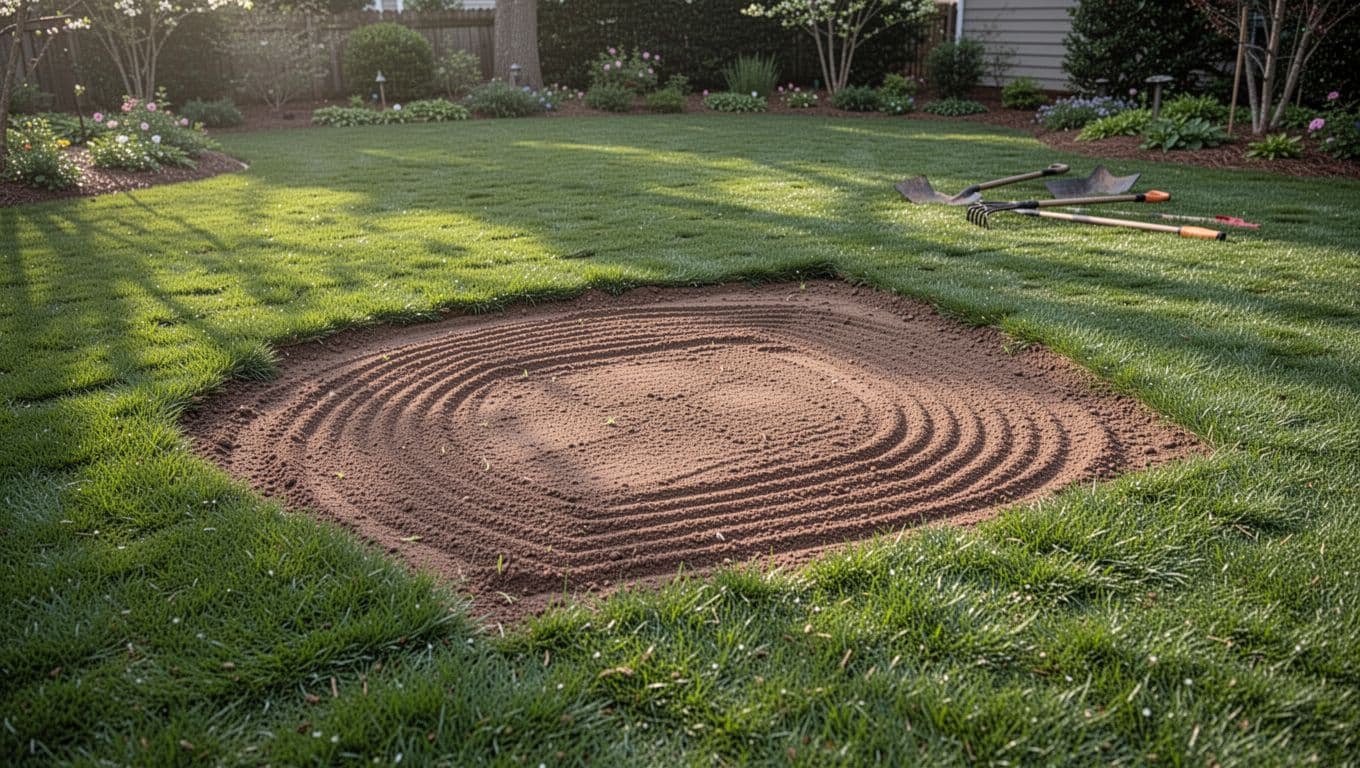
  2. Clear out the dead material once the patch is fully brown. Use a hand rake or stiff leaf rake and remove the crispy grass. Stop when you reach firm soil and living turf around the edge.
  3. Loosen the top inch of soil. In many North Georgia yards, clay gets tight and crusty after repeated damage. A little fresh topsoil or compost blend helps the patch root faster, but keep the layer thin.

Smooth raked soil patch in a Metro Atlanta backyard Zoysia grass lawn, ready for seeding or plugs after dog urine spot repair, surrounded by dense green turf under spring morning light.4. Match the repair to the grass type. Small Bermuda spots often fill from the sides if the edges are healthy and the weather is warm. Larger Bermuda spots can take sprigs or a small piece of matching sod. Zoysia usually repairs best with plugs or patch sod, because seed is slow and may not match the existing lawn. 5. Water the repair gently, then back off. Keep the top layer slightly moist for the first week or two, especially with plugs or fresh sod. After that, shift back to deep, less frequent watering so roots move down instead of staying shallow. 6. Go easy on fertilizer. Dog urine already acts like a concentrated nitrogen hit. A heavy feeding right after repair can make stress worse. If the lawn is due for a normal feeding, stay light and follow your regular warm-season schedule.
Protect the repaired area from extra traffic while it roots in. Also, do not scalp around the patch. Slightly higher mowing helps Bermuda and Zoysia recover without more stress.

How to prevent repeat spots in Georgia yards

Prevention is easier than patching the same spot all summer. The simplest habit is watering in the area right after your dog goes. Even a quick rinse helps, especially during Atlanta heat when the same sunny spot dries fast and salts stay behind.

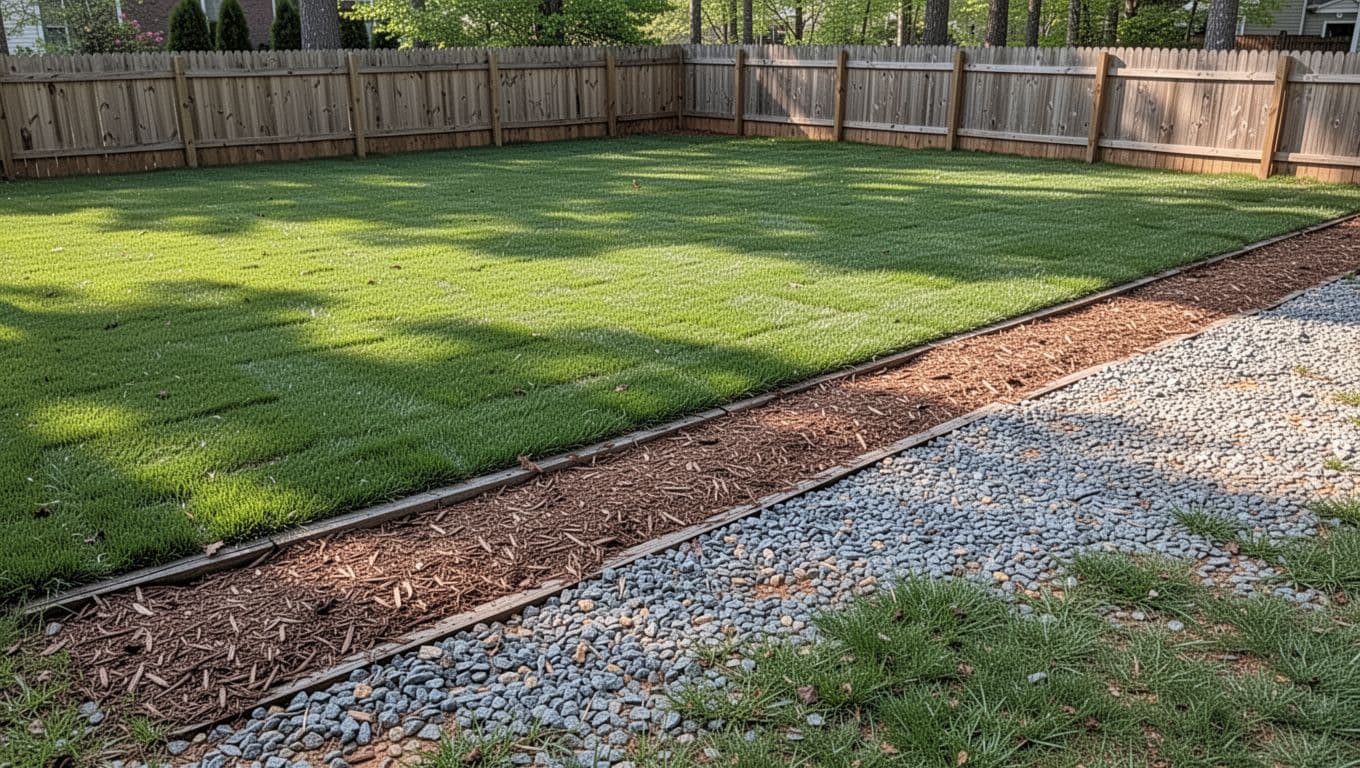
A designated relief area can also save the lawn. Gravel, mulch, or a small side-yard run gives the dog a repeat target that is easy to rinse. Placement matters. Put it where your dog already wants to go, not in the farthest corner of the yard.

Good lawn care lowers damage, too. Healthy Bermuda spreads faster across minor scars. Healthy Zoysia has a better shot at holding color around repaired spots. In Georgia clay, overwatering creates a different set of problems, so keep irrigation deep and infrequent instead of daily and light.

Repeated damage often gets worse where pet traffic, shade, and soggy soil meet. If one area never seems to recover, widen the potty zone or block that section during peak growing season. Skip miracle powders that promise instant neutralizing. Most lawns respond better to dilution, smart traffic control, and proper warm-season turf care.

A realistic path back to green

A urine spot does not mean your whole lawn is failing. When the pattern fits, the fix is usually clear: dilute fresh spots, remove dead grass, repair with the right material, and give the turf time to grow.

Bermuda often fills faster. Zoysia usually needs more patience . If the patch pattern does not match pet damage, pause before treating. In Atlanta lawns, the right diagnosis saves more time than any quick fix.

By RW Lawn Co April 19, 2026
Hot Atlanta summers bake lawns fast. You watch your Bermuda or Zoysia turn brown despite hose efforts. High water bills hit next. An in-ground irrigation system fixes that. It waters deep and even, so roots stay strong. This guide breaks down Atlanta irrigation installation co...
By RW Lawn Co April 18, 2026
You step onto your Bermuda lawn after a humid Atlanta evening. Patches look ragged, almost chewed off at the base. Birds peck the grass at dusk. Sod webworm damage often strikes fast in Metro Atlanta, especially on Bermuda and Zoysia during warm months. Homeowners mistake it f...
SHOW MORE