Atlanta HOA Landscape Maintenance Checklist for Common Areas

RW Lawn Co • April 11, 2026

Share this article

Common areas in Atlanta HOAs set the tone for your whole community. A crisp entrance or tidy walking path boosts property values and keeps residents happy. Yet, Georgia's clay soil, hot summers, and sudden storms make neglect costly. Poor upkeep leads to erosion, overgrown shrubs, or dead turf that draws complaints.

You manage Atlanta HOA landscaping under tight budgets and rules. This checklist gives actionable steps for common areas like medians, clubhouses, pools, and paths. Follow it seasonally to cut long-term costs and avoid liability risks.

Why Atlanta HOA Landscaping Demands Attention

Well-kept grounds prevent small issues from snowballing. In Atlanta, red clay compacts fast, so unchecked spots erode after rain. Bermuda and Zoysia turf thrives here but needs regular care to stay dense.

Curb appeal matters most at entrances and medians. Residents judge the community on first sight. Neglect invites fines or vendor disputes. Proactive steps save money; one storm cleanup can cost thousands if debris piles up.

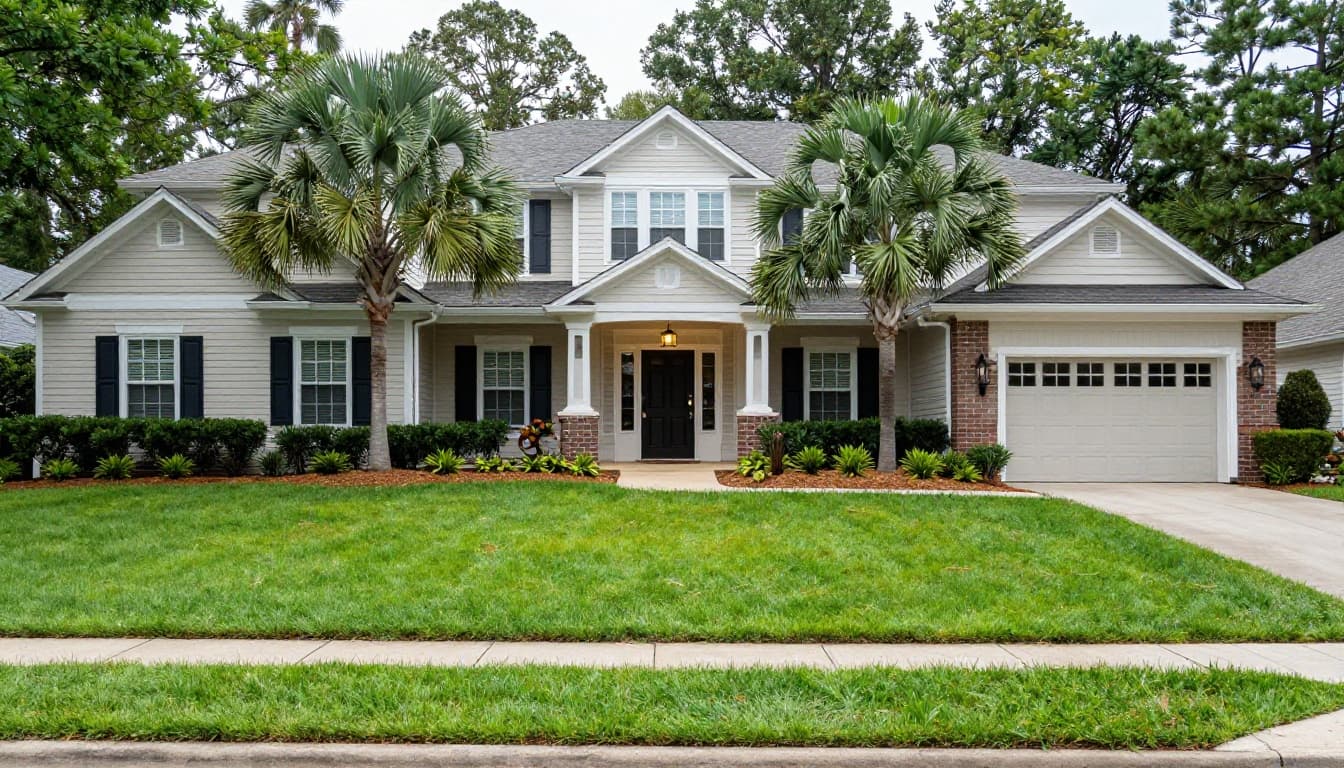
This scene shows ideal curb appeal. Mulch beds stay fresh, turf looks even, and palms add height without mess.

Frequent inspections spot hazards like low branches over paths. They reduce slip risks near pools or clubhouses. Boards that schedule monthly walks catch problems early.

Spring Startup Tasks for April Growth

April 2026 brings warm soil and quick green-up. Start now to build strong roots before summer heat hits.

Mow Bermuda and Zoysia weekly at 1 to 2 inches. Edge paths and medians sharp. This stops weeds from taking hold.

Apply pre-emergent herbicides early. Crabgrass germinates fast in our humidity. Follow with light fertilizer after soil tests confirm needs; Georgia clay often lacks balance.

Aerate compacted areas around clubhouses. Holes let water soak in and roots expand. Refresh mulch in beds to 2-3 inches deep. It blocks weeds and holds moisture.

Prune spring bloomers lightly. Check irrigation heads for clogs from winter debris. Test runs ensure even coverage without waste.

Inspect drains after rains. Clear leaves to prevent pooling near entrances.

Summer Heat Management in Georgia

Atlanta summers test turf and systems. High heat stresses Zoysia less than Bermuda, but both need smart care.

Water deep once or twice weekly, early morning only. Aim for 1 inch total, including rain. Adjust timers for efficiency; overwatering wastes money and invites disease.

Raise mower heights during peaks. This shades soil and cuts evaporation. Spot-treat grubs or chinch bugs before they thin patches.

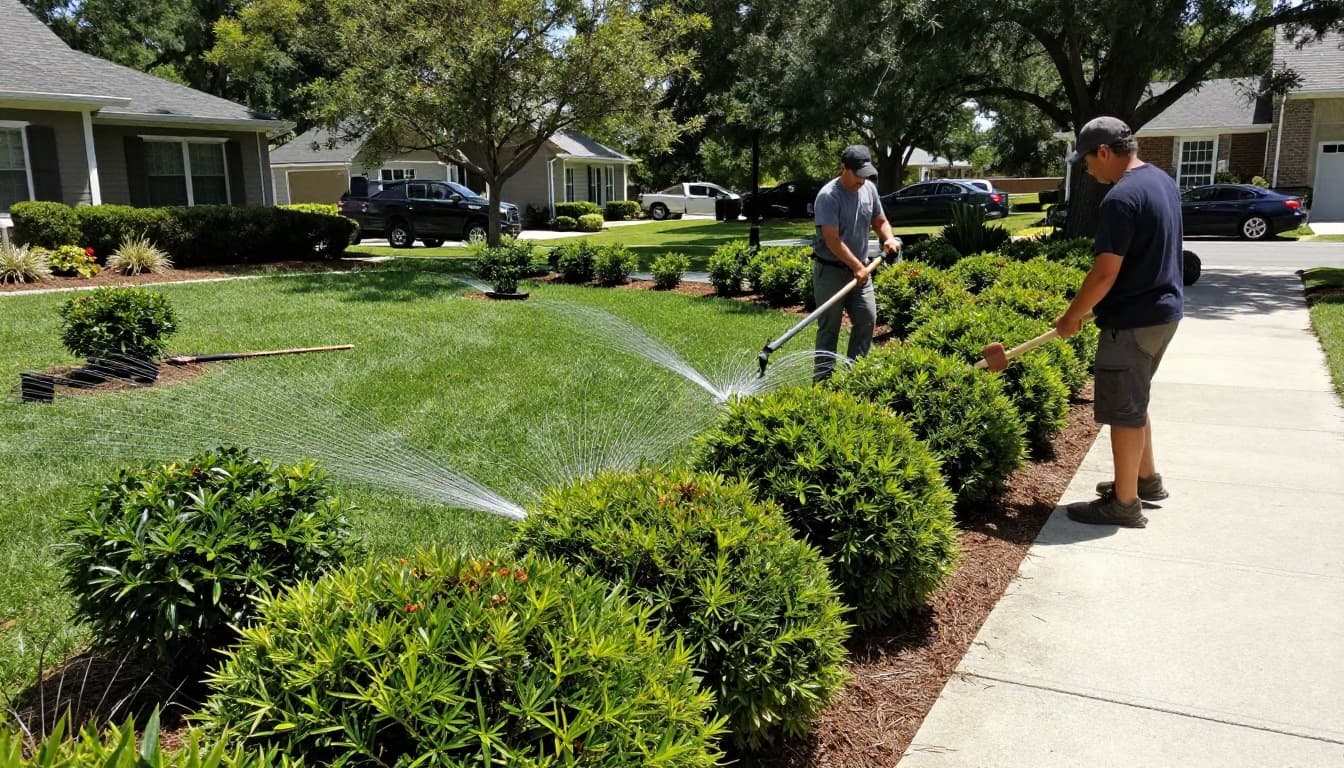
Pruning and irrigation checks like this keep paths safe and turf healthy.

Trim shrubs around pools and paths monthly. Remove dead growth to improve airflow. Monitor medians for drought stress; supplemental hose watering helps if systems lag.

Vendor tip: Require weekly reports on water use. It flags leaks early.

Fall Cleanup and Storm Recovery

Storms drop leaves and branches fast. Clear them promptly to avoid slips on paths or pool decks.

Rake lawns and medians thoroughly. Bermuda sheds easier than Zoysia, so focus on thatch buildup. Bag debris to prevent matting.

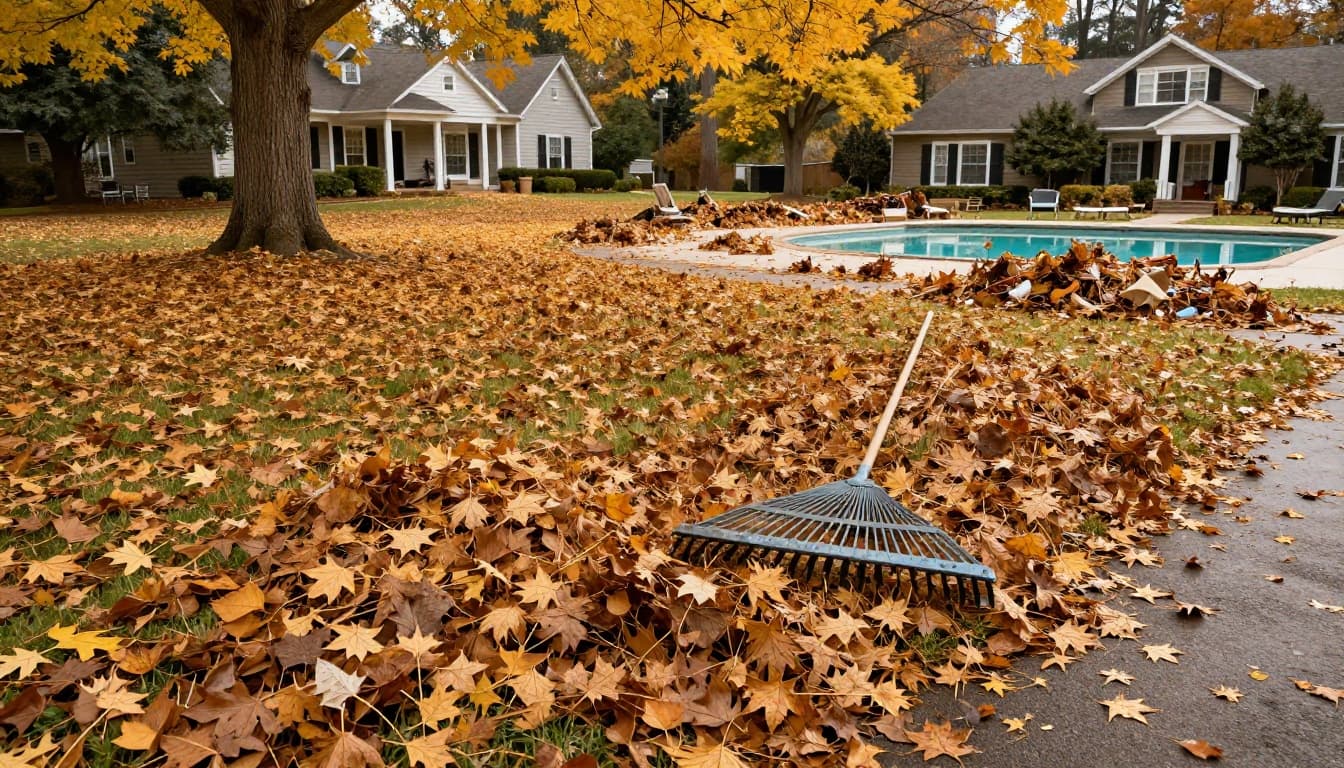
Post-storm cleanup restores order quickly.

Fertilize one last time for root strength. Overseed thin spots if needed. Prune winter-dormant trees now.

Check erosion on slopes near entrances. Add straw or erosion blankets where gullies form.

Turf Care for Bermuda and Zoysia in Common Areas

Choose turf based on sun and traffic. Bermuda vs Zoysia guide for Metro Atlanta lawns compares them well. Bermuda spreads fast for high-use medians; Zoysia handles partial shade near clubhouses.

Mow frequently but never scalp. Aerate yearly to fight clay compaction. For low spots, use Atlanta lawn leveling tips for Bermuda and Zoysia.

Test soil pH annually. Both grasses prefer 6.0-7.0 here.

Irrigation, Drainage, and Erosion Prevention

Efficient systems save 30% on bills. Audit quarterly: fix broken heads, calibrate timers.

Install rain sensors for auto-shutoff. Deep watering builds drought tolerance.

Prevent erosion with berms or swales on slopes. Gravel paths reduce compaction near pools.

Pruning Schedules and High-Traffic Zones

Prune shrubs three times yearly: late winter, summer, fall. Keep clearances 3 feet from paths.

Entrances demand uniform height. Clubhouses need litter-free bases. Pool areas stay slip-resistant with tight mowing.

Medians get pine straw for low maintenance.

Vendor Management and Safety Basics

Select locals who know Atlanta clay. Contracts spell frequencies, like weekly mows and bi-monthly prunes.

Inspect work monthly yourself. Note liability spots like uneven paths.

Proactive care cuts costs 20-40% over time. It avoids emergency fixes.

Elegant modern residential complex with lush gardens and urban landscape views.
Photo by Jakub Zerdzicki

Strong common areas reflect a thriving community. Stick to this checklist, and your Atlanta HOA landscaping stays sharp year-round. Regular checks keep surprises minimal.

By RW Lawn Co April 10, 2026
Spot those low, green mats blanketing your dormant lawn? In Metro Atlanta, chickweed turns neat Bermuda or Zoysia yards into winter eyesores. It thrives here because our mild falls and cool snaps let it germinate early and spread fast. You see it most from December through Mar...
By RW Lawn Co April 9, 2026
Picture this: your lush Bermuda lawn turns patchy overnight. Tall, wiry clumps stick out like sore thumbs. That's torpedograss control calling in Metro Atlanta. This sneaky weed invades warm-season lawns fast, especially in our clay soils and humid summers. You fight it yearly...
SHOW MORE