Effective Atlanta Chickweed Control for Bermuda and Zoysia Lawns

RW Lawn Co • April 10, 2026

Share this article

Spot those low, green mats blanketing your dormant lawn? In Metro Atlanta, chickweed turns neat Bermuda or Zoysia yards into winter eyesores. It thrives here because our mild falls and cool snaps let it germinate early and spread fast.

You see it most from December through March. As your warm-season grass sleeps, chickweed fills thin spots and compacted clay. The good news is Atlanta chickweed control works best now in April 2026, before green-up stresses your turf. Let's cover identification, prevention, and safe treatments tailored to North Georgia conditions.

Spot Chickweed in Your Bermuda or Zoysia Lawn

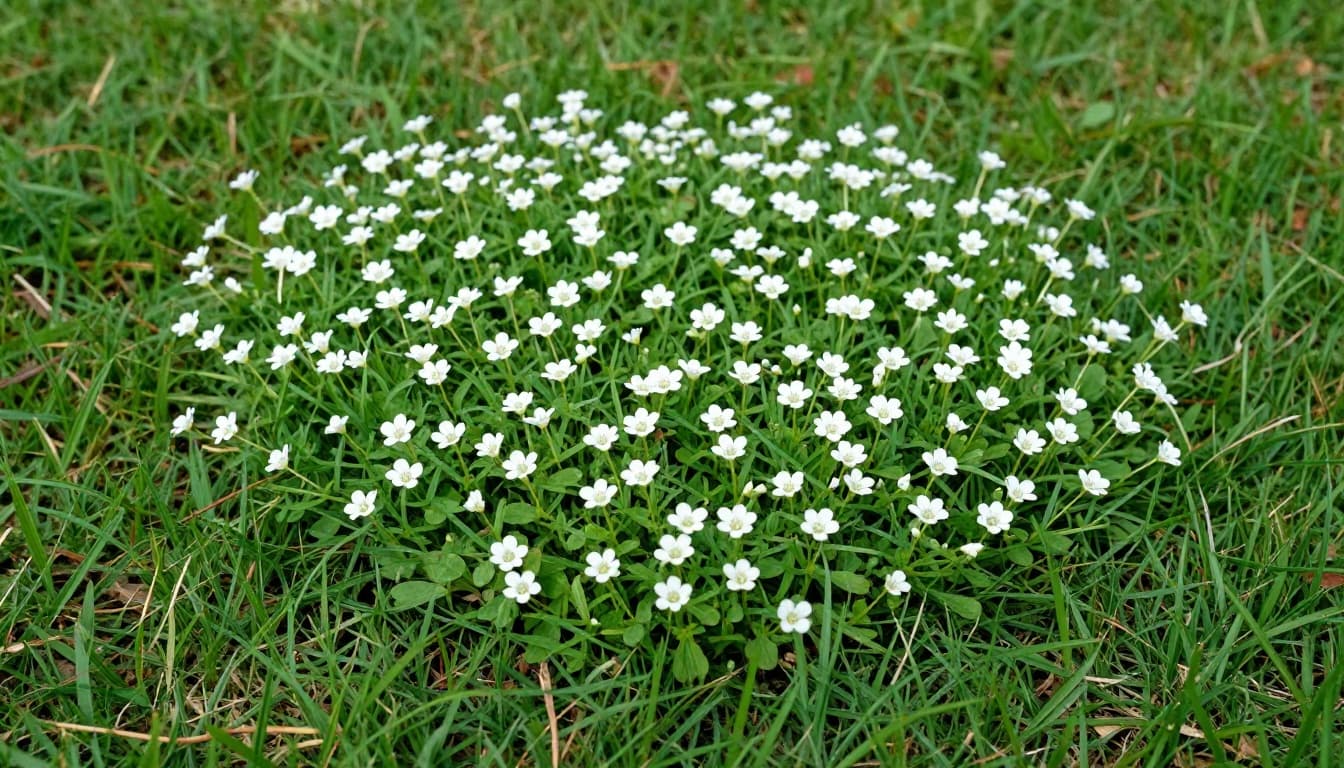
Chickweed hugs the ground. It forms dense, light-green patches with small, oval leaves and tiny white star-shaped flowers. Pull one; it roots easily at nodes and smells mildly earthy.

In Bermuda lawns, it stands out against tan dormancy. Zoysia shows similar invasions, especially in shaded or moist areas. Unlike grass clippings, chickweed mats stay low and don't upright after rain.

Bright winter sun highlights it against Bermuda. Meanwhile, Zoysia patches often hide it longer because of denser growth. Early spotting helps. Walk your yard after cool rains; mark heavy areas for treatment.

Distinguish it from similar weeds like Poa annua. Chickweed lacks seedheads and spreads horizontally. If unsure, snap a photo and compare locally.

Chickweed's Life Cycle in North Georgia

Chickweed germinates in fall around 55-degree soil temps. It grows through winter, flowers in late winter or early spring, then sets seeds before heat kills it. Seeds linger years in soil.

Atlanta's clay holds moisture it craves. Thin turf from summer stress invites it. Bermuda greens faster, so chickweed fades by May. Zoysia lingers longer because it transitions slower.

Prevent before fall emergence. Healthy lawns crowd it out. Therefore, focus on density now. Our Atlanta mowing height guide for Bermuda grass, Zoysia grass, and tall fescue shows heights that build resistance.

Prevent Chickweed with Fall and Early Spring Steps

Stop seeds first. Apply pre-emergent in early September and late February. Prodiamine works on both Bermuda and Zoysia; water it in per label.

Build thick turf. Aerate compacted clay in late spring. Water deeply once weekly; avoid shallow daily cycles. Fertilize after soil hits 65 degrees, usually mid-April.

For example, mow Bermuda at 1 to 1.5 inches. Keep Zoysia at 1.5 to 2 inches. These habits shade soil and block light. In addition, rake leaves to expose crowns.

Check our Atlanta post-emergent weed control calendar for Bermuda, Zoysia, and tall fescue for full timing. It matches local weather swings.

Pull Chickweed by Hand for Small Patches

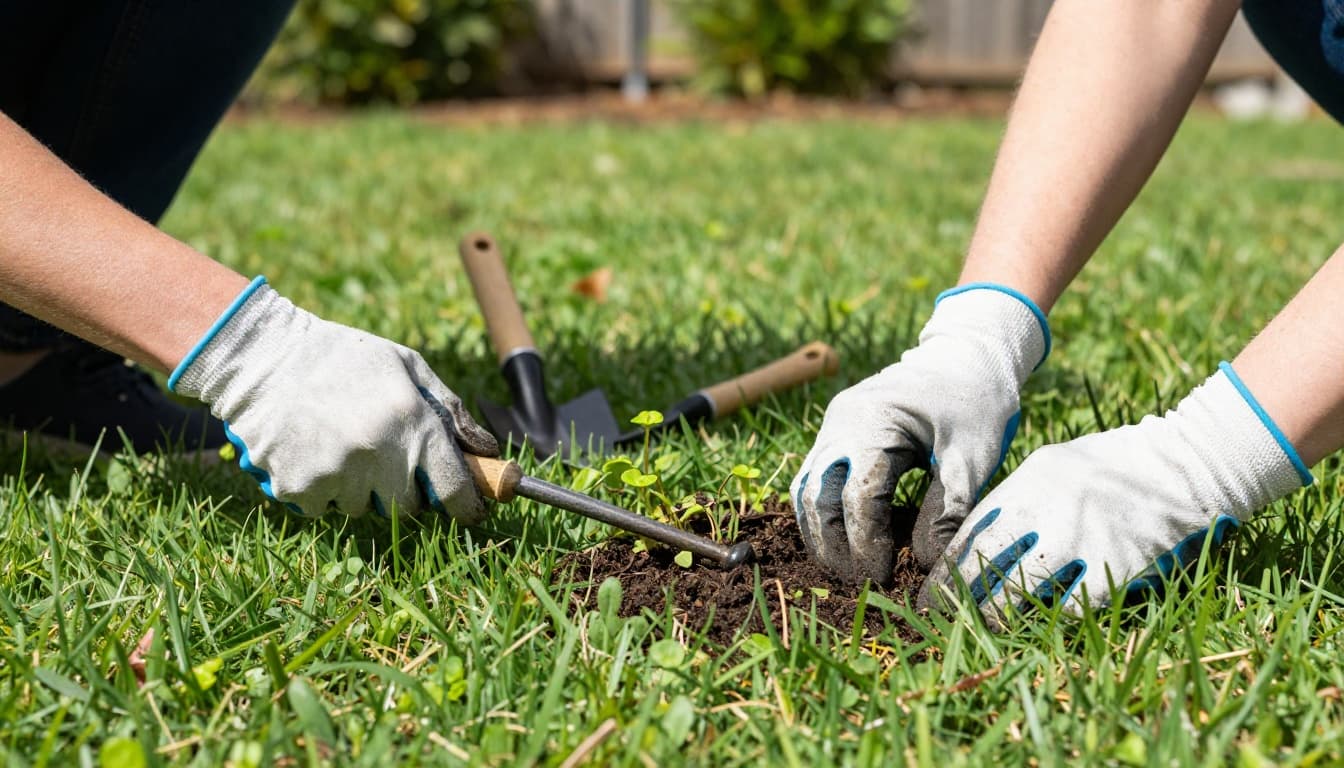
Grab gloves and pull after rain. Wet soil releases roots easily. Get stems to base; shake off dirt.

Young plants die fast this way. Mature mats need multiple pulls. Zoysia holds soil better, so Bermuda pulls cleaner.

This method suits edges and low-traffic spots. However, large areas tire you out. Dispose in trash; don't compost seeds. Repeat weekly through March.

Mulch thin spots post-pull. Pine straw fits Atlanta clay and suppresses regrowth.

Safe Chemical Controls for Warm-Season Lawns

Spot-spray post-emergents on young weeds. Use 2,4-D mixes like Trimec or EndRun; they're labeled safe for Bermuda and most Zoysia.

Check labels closely. Some Zoysia cultivars yellow easier. Avoid near green-up; wait until growth firms. Spray below 85 degrees on calm days.

For example, ferti-lome Weed Free Zone targets chickweed without drift issues. Add surfactant if needed; wet leaves thoroughly. Reapply in 10 to 14 days.

Bermuda tolerates more; Zoysia needs lighter rates. Never blanket dormant turf heavily. Spot work cuts chemical use.

Perfect Timing for Atlanta Treatments

Act in April 2026 windows. Pre-emergent hits late February before 55-degree soils. Post-emergent follows in mild April days.

Spring transition traps many. Bermuda greens mid-March; Zoysia lags. Hold sprays until active. Drought stress worsens damage, so water first.

Follow our Atlanta spring green-up plan for Bermuda and Zoysia. It paces steps around chickweed.

Monitor forecasts. Rainfast in hours; protect that window.

Keep Chickweed Out Year-Round

Atlanta chickweed control blends prevention, pulls, and spot sprays. Thick Bermuda and Zoysia naturally resist it. Time matters most in our variable springs.

Start with soil prep and right heights. Treat young weeds; repeat as needed. Labels guide tolerance differences.

Your lawn rebounds strong by summer. Need help with heavy patches? Local pros handle timing and safety right.

By RW Lawn Co April 9, 2026
Picture this: your lush Bermuda lawn turns patchy overnight. Tall, wiry clumps stick out like sore thumbs. That's torpedograss control calling in Metro Atlanta. This sneaky weed invades warm-season lawns fast, especially in our clay soils and humid summers. You fight it yearly...
By RW Lawn Co April 8, 2026
White clover dots your lawn like unwanted confetti. You spot those tiny white flowers popping up amid your Bermuda or Zoysia grass, especially after a wet Atlanta spring. It spreads fast in our mild winters and clay soils, turning a thick turf into a patchy mess. Clover thrive...
SHOW MORE