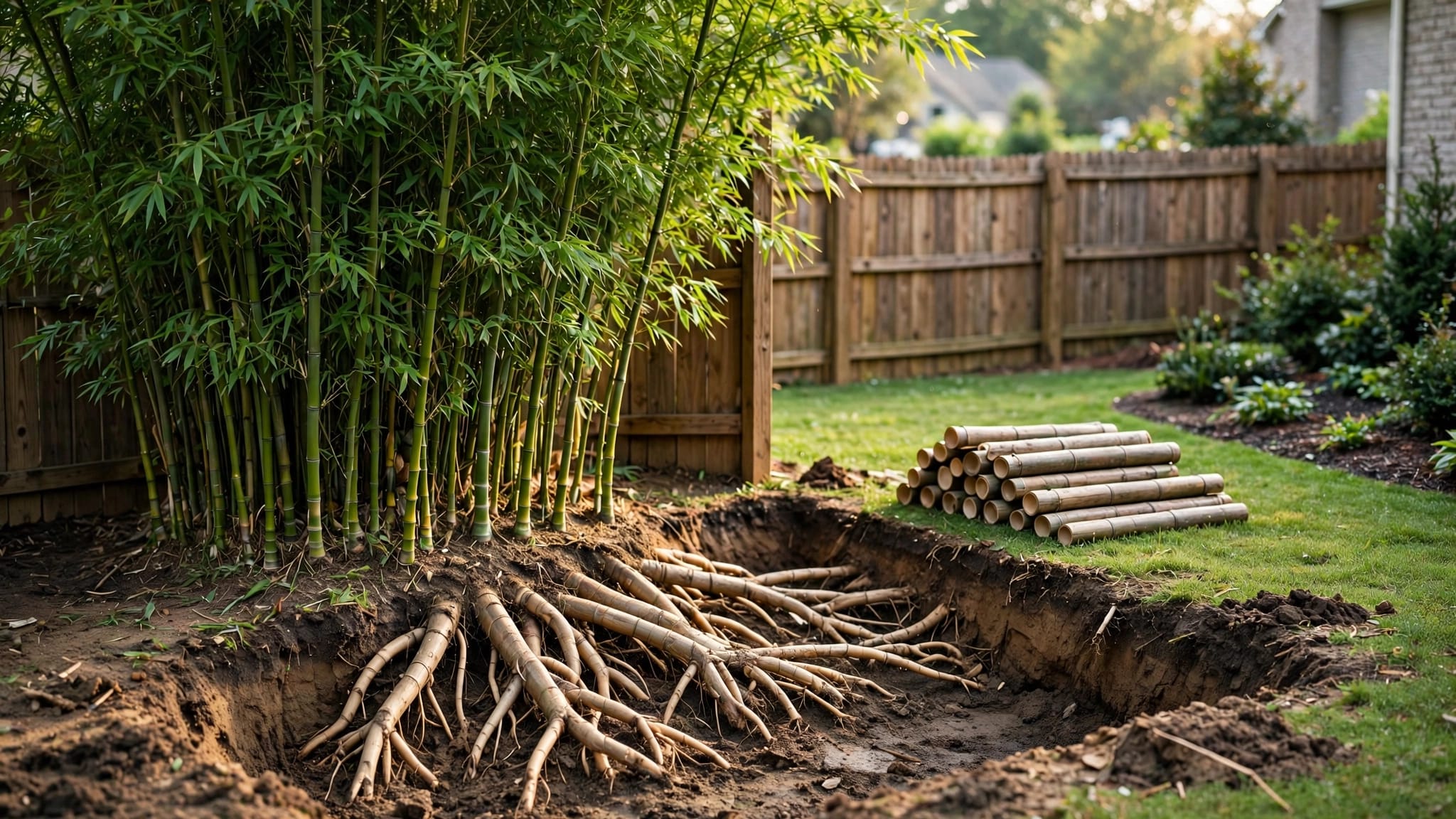
Atlanta Post-Emergent Weed Control Calendar for Bermuda, Zoysia, and Tall Fescue (what to spray, when, and what to skip)
Weeds in Atlanta don’t show up on a neat schedule. One warm week in February can wake up henbit, then a cool snap slows everything down. By May, crabgrass and nutsedge are ready to run, and by late summer you’re fighting weeds and heat stress at the same time.
This Atlanta weed control calendar keeps things practical and label-first: what to spray (by active ingredient), when it usually works best in Metro Atlanta (USDA 7b/8a), and what to skip so you don’t injure your lawn.
A simple decision flow that prevents most herbicide mistakes
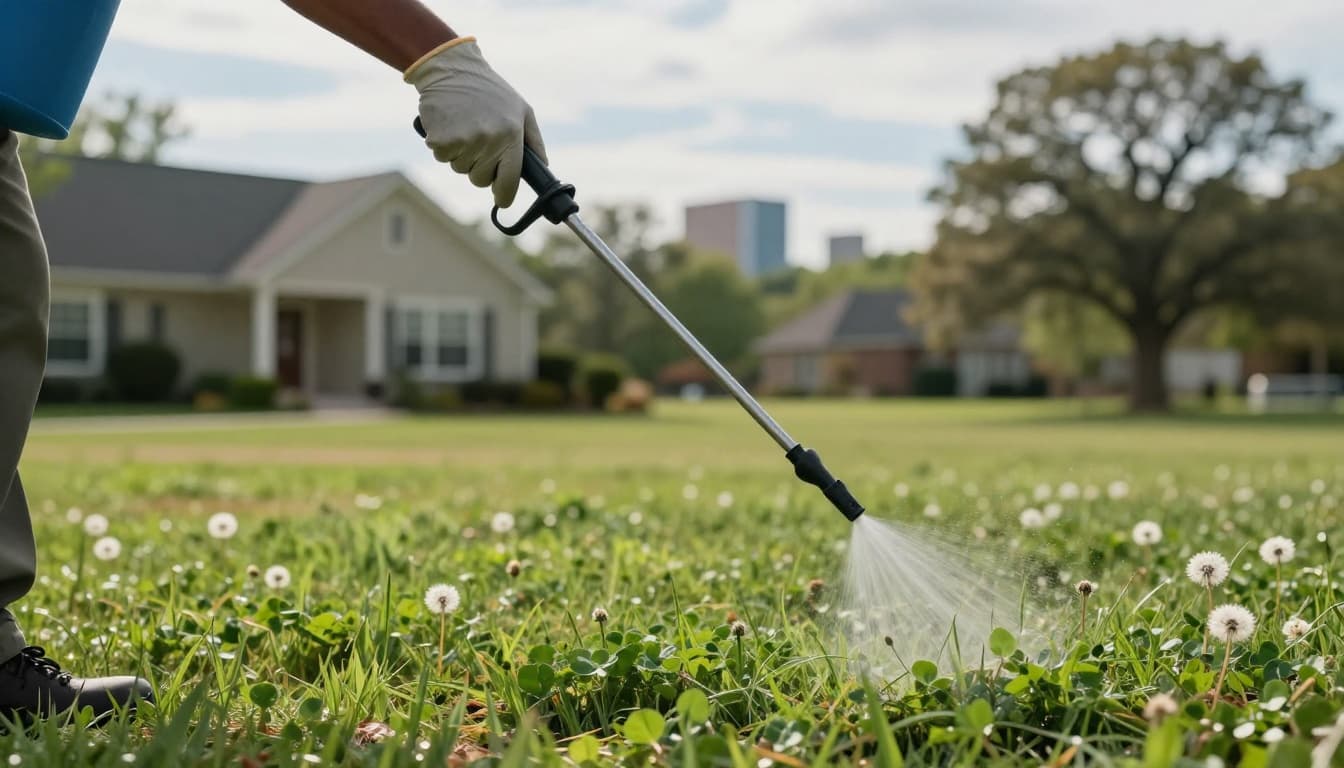 Spot-spraying weeds instead of blanket-spraying helps protect turf and reduces chemical use, created with AI.
Think of post-emergent weed control like using the right key for the right lock. If you rush the steps, you can strip a key, or in this case, scorch turf or waste a weekend.
Step 1: Identify the weed (at least broadly).
You don’t need to be a botanist. Start with three buckets: broadleaf (clover, chickweed, dandelion), grassy (crabgrass, goosegrass), and sedges (nutsedge looks like shiny, upright “spikes” and grows faster than turf).
Step 2: Confirm turf type (this changes everything).
Bermuda and Zoysia are warm-season grasses. Tall fescue is cool-season. Many products that are safe on Bermuda can injure tall fescue, sometimes fast.
If mowing is stressing your lawn, fix that first. Mowing too low thins turf and invites weeds. This Atlanta mowing height guide for Bermuda, Zoysia, and Tall Fescue helps you set heights that reduce weed pressure.
Step 3: Check the season and the temperature before you spray.
Atlanta’s spring “transition” is a trap. Avoid heavy post-emergent applications during green-up when Bermuda and Zoysia are waking up and pushing new growth. Also avoid spraying drought-stressed turf or heat-stressed lawns.
For many phenoxy (Group 4) broadleaf mixes (2,4-D, MCPP, dicamba, sometimes with triclopyr), a common label limit is to avoid high heat (often above about 85°F). Always use the exact label guidance for your product.
Step 4: Choose the active ingredient that matches weed + turf.
Examples by category (brands vary):
- Broadleaf weeds: Group 4 synthetics like 2,4-D, MCPP, dicamba , and sometimes triclopyr or fluroxypyr .
- Crabgrass (post-emergent): quinclorac (also Group 4) is common when labeled.
- Nutsedge: halosulfuron (Group 2) or sulfentrazone (Group 14) where labeled for your turf.
Step 5: Spot-spray, then reassess.
Spot-treat the patches, not the whole yard. Most homeowners get better results by doing two careful treatments than one heavy blanket spray.
For deeper Georgia-specific guidance on weeds and turf safety, keep UGA’s Weed Control in Home Lawns bookmarked.
Atlanta post-emergent weed control calendar (what to spray and when)
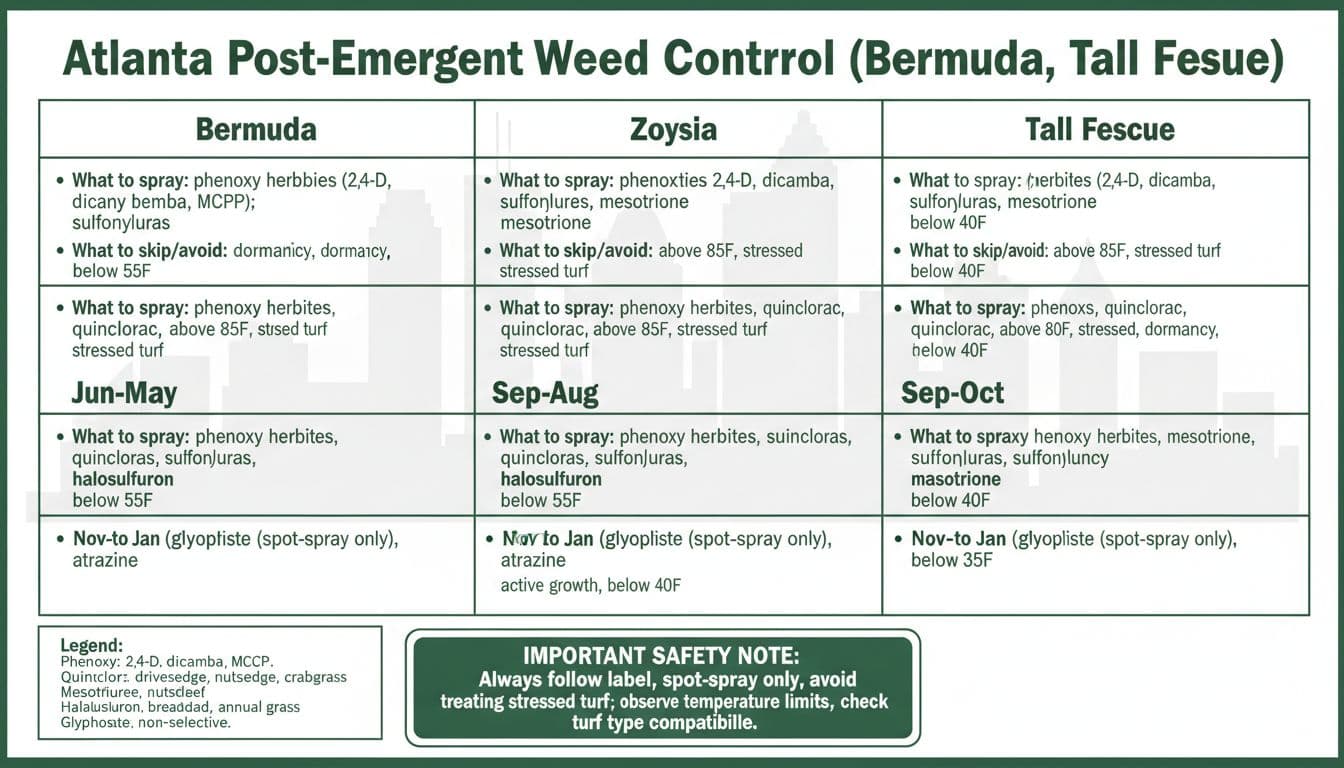 One-page seasonal calendar for post-emergent weed control timing in Atlanta, created with AI.
The windows below are “Atlanta typical,” not hard dates. Temperature, rainfall, and how stressed your lawn is matter more than the calendar.
| Time block (Atlanta) | Bermuda and Zoysia (warm-season) | Tall fescue (cool-season) | What to skip or be cautious with |
|---|---|---|---|
| Feb to Mar | Spot-spray winter broadleaf weeds in dormant turf using Group 4 broadleaf actives when temps are mild | Winter annual broadleaf control is often effective now with Group 4 broadleaf actives | Avoid spraying if a hard freeze is expected. Don’t spray saturated lawns. |
| Apr to May | Post-emergent broadleaf spot treatments only if needed, keep it light during green-up | Broadleaf control is still a strong window, spot-spray and follow mowing intervals | Avoid “big” apps during Bermuda/Zoysia transition. Don’t spray when turf is tender or recently scalped. |
| Jun to Aug | For crabgrass and some summer grassy weeds, use quinclorac where labeled. For sedge, consider halosulfuron or sulfentrazone where labeled | Fescue is often heat-stressed in Atlanta summers, only spot-spray the worst weeds | Avoid phenoxy mixes in hot weather per label (often around 85°F+). Avoid treating any drought-stressed lawn. |
| Sep to Oct | Warm-season lawns slow down; spot-spray broadleaf weeds while turf still has some growth | This is the prime “cleanup” window for broadleaf weeds before winter, and it lines up with many fescue renovation plans | If you’re overseeding or re-seeding tall fescue, choose products with safe seeding intervals (label rules vary). |
| Nov to Jan | Dormant-season spot-sprays for winter broadleaf weeds can work on warm-season lawns | Fescue stays active longer than warm-season turf, treat weeds on mild days | Avoid spraying when weeds aren’t actively growing. Avoid drift on windy winter days. |
A quick note on pre-emergents: they’re still part of the bigger plan, but they don’t fix weeds you already see. Post-emergent success comes from timing, turf safety, and steady spot treatments.
How to spray (and what not to do) so you don’t damage your lawn
Most failures happen in the application, not the product choice.
Start with the basics: calibrate your sprayer (know how many square feet it covers per gallon) and mix exactly per label. If the label calls for a non-ionic surfactant, add it. If it doesn’t, don’t guess. Some turf products already include adjuvants, and extra surfactant can increase burn.
Mowing and watering timing matters. A common label pattern is to avoid mowing 1 to 2 days before and after spraying, so weeds have enough leaf area to take up the herbicide. Also, many foliar herbicides work best if you don’t water-in right away. If the label says “rainfast in X hours,” protect that window. (Many liquids are rainfast in roughly 1 to 4 hours, but always follow the specific product.)
Plan on a second application. Broadleaf weeds often need a follow-up in about 10 to 14 days. Nutsedge frequently needs another treatment 2 to 3 weeks later. If you sprayed once and the weed “paused” but didn’t die, that’s normal for some actives.
Tall fescue caution (big one): warm-season “weed killer” options can injure or kill fescue. Be careful with sulfonylureas (Group 2) commonly used in Bermuda and Zoysia programs (examples include metsulfuron-type chemistry). If your yard is mixed turf, treat fescue areas separately and choose fescue-safe labels.
If you’re re-seeding tall fescue in fall, reseeding intervals vary by active ingredient and rate. Many broadleaf herbicides require waiting weeks, while others (like mesotrione, Group 27) may be labeled for use at seeding in some situations. Read the exact label for “reseeding interval” and stick to it.
What to avoid (even if a neighbor swears by it)
- Blanket-spraying “just because” : you increase turf stress and drift risk, and you rarely get better control than spot-spraying.
- Tank-mixing without label permission : combining actives can increase burn or reduce control if pH and adjuvants aren’t right.
- Spraying glyphosate over the top : glyphosate (Group 9) is non-selective. It belongs in careful spot work only, away from desirable grass.
- Spraying stressed turf : if the lawn is wilted, off-color, or struggling, fix water and mowing first.
If you want a broad, seasonal turf plan to pair with spot-spraying, SiteOne’s turf plan overview can help you understand how pros think about seasonality, even if you’re doing the work yourself.
Conclusion
Post-emergent weed control in Atlanta is less about “the strongest spray” and more about good timing and turf safety . Identify the weed, match the active ingredient to your turf type, spray in mild conditions, and keep treatments targeted. If your lawn is thin, stressed, or cut too low, fix those basics and weed pressure drops on its own.
Product availability and labels vary in Georgia, so use the label as your rulebook and lean on UGA Extension turf guidance for local best practices.