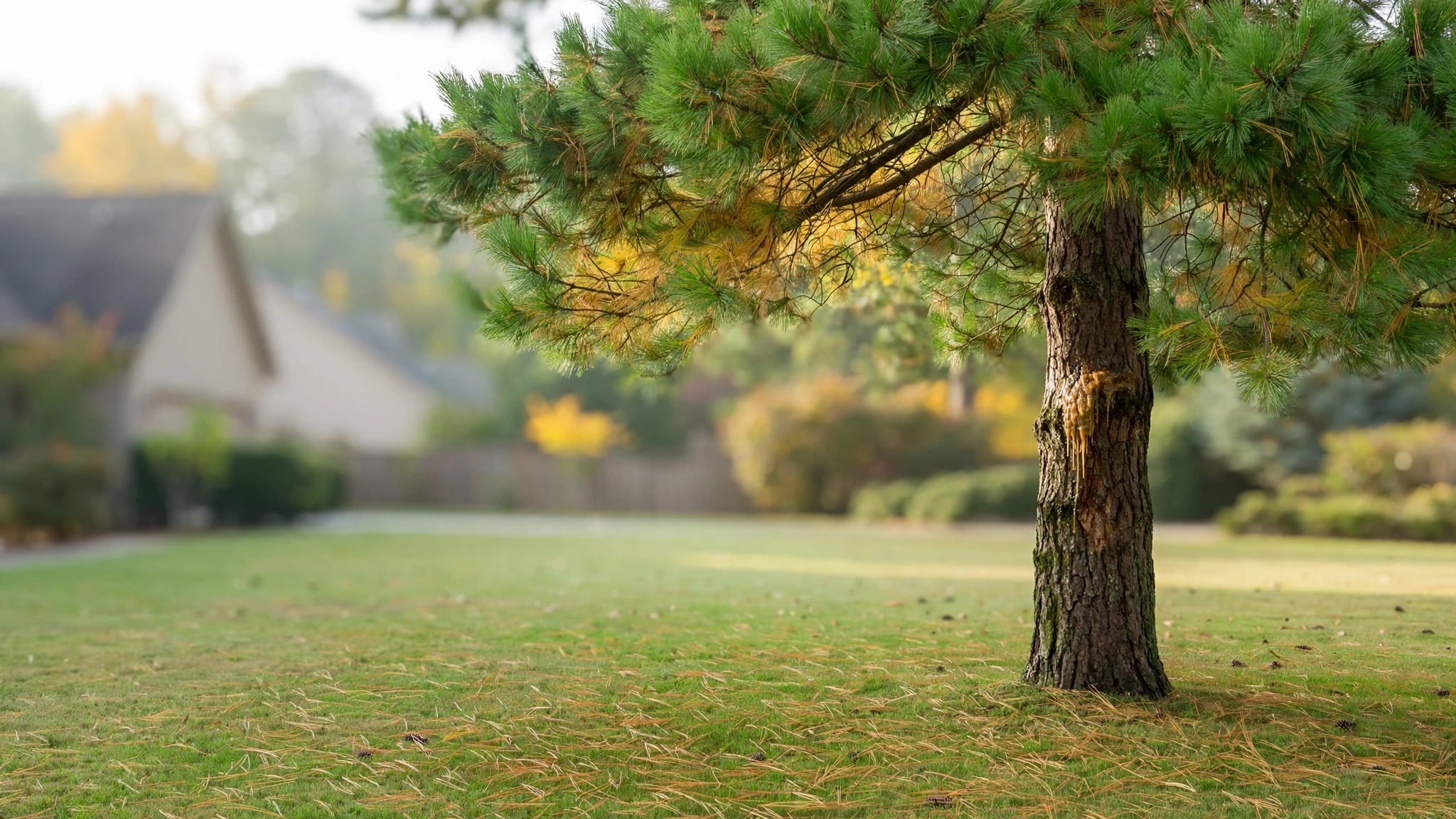
Atlanta Large Patch Guide for St. Augustine Lawns
A patchy St. Augustine lawn in Atlanta can go from a small concern to a wide brown ring in a few weeks. Large patch often shows up when the weather shifts, and that makes it easy to miss until the damage is obvious.
If your yard looks thin, yellowed, or blotchy in spring or fall, the problem may not be drought or mower blades. Atlanta large patch is a common turf disease here, and St. Augustine grass can take a hard hit if it's diagnosed late. The good news is that the right timing, watering habits, and mowing height can slow it down.
What large patch looks like on St. Augustine
Large patch usually starts as a round or irregular area of weak grass. The color may shift from green to yellow, then orange-brown or tan. In some lawns, the patch has a darker edge that makes the ring easier to spot.
The center doesn't always die right away. That's one reason homeowners mistake it for heat stress, poor irrigation, or pet damage. In Atlanta yards, it often stands out after cool nights, wet soil, and mild daytime temperatures.
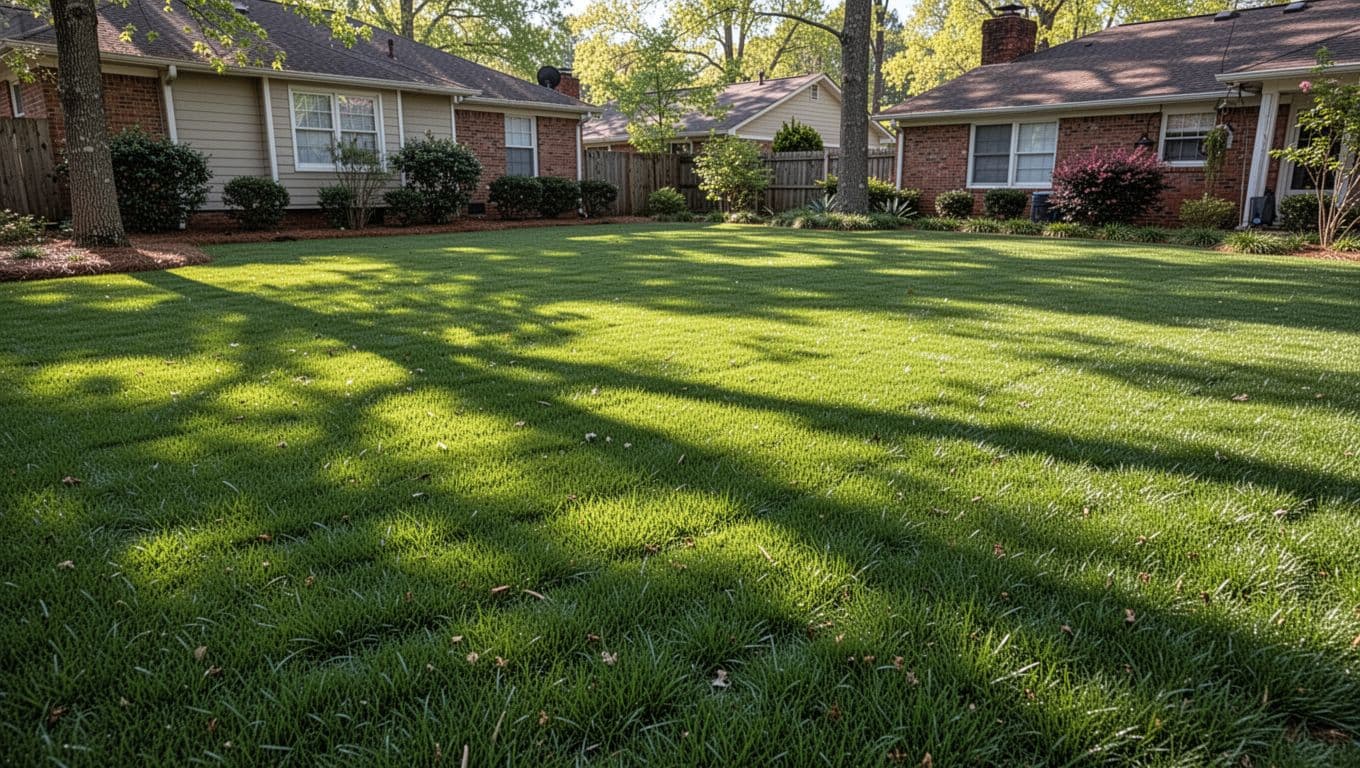
Watch for these signs:
- Expanding circles or patches that get larger over time
- Orange-brown edges around the damaged area
- Thin, weak grass that looks worse after wet, cool weather
- Bare or pale centers in older patches
A clean look matters because the disease can spread across a lawn that was healthy a month earlier. That's why early identification matters more than waiting for the whole yard to change color.
Why Atlanta weather triggers it
North Georgia weather gives this fungus plenty of chances to move. Warm days, cool nights, and long stretches of moisture can create the perfect setup. Spring and fall are the biggest trouble spots, especially after rain or heavy dew.
St. Augustine is thick and lush, which homeowners love. That density also traps moisture near the soil and lower blades. If the lawn stays damp for too long, large patch can take hold more easily.
Mowing habits matter too. Grass cut too short loses strength fast. Dull mower blades tear the blades instead of cutting them cleanly, and stressed turf recovers slower. If your mowing schedule is part of the problem, routine lawn mowing and maintenance services can help keep the grass at a healthier height through the growing season.
Other conditions can raise the risk:
- Heavy shade with slow drying after rain
- Poor drainage in low spots
- Thick thatch that holds moisture
- Overwatering, especially in the evening
- Heavy fertilizer use when the lawn is already stressed
The pattern matters more than any single cause. One wet week usually doesn't create a disaster. A damp lawn, repeated cool nights, and a few maintenance mistakes can.
How to tell it apart from other lawn problems
Many Atlanta lawns develop brown areas for different reasons, so good diagnosis saves time and money. Large patch has a seasonal pattern, and that pattern helps separate it from insect damage or simple dryness.
| Problem | Common clues | Usual timing |
|---|---|---|
| Large patch | Round or irregular patches, orange-brown edges, slow spread | Spring and fall |
| Drought stress | Whole lawn looks faded, footprints stay visible, grass wilts in heat | Hot, dry spells |
| Chinch bugs | Small spots near sunny edges, grass thins fast, pests may be in the thatch | Summer |
| Shade stress | Thin turf under trees, weak color, patchy growth | Year-round |
A patch that grows during cool, wet weather deserves a different response than a patch that shows up in a heat wave.
If you tug on the grass and it lifts easily, roots may already be damaged. If the area stays dry and uniform brown during hot weather, the issue may be water stress instead. In other words, the calendar and the weather report can tell you a lot.
What to do once you spot it
Start with a calm look at the whole lawn. Don't scalp the grass, flood the yard, or throw extra fertilizer at it. Those moves usually make the lawn weaker.
A better response is simple and steady:
- Mark the affected areas so you can see if they spread.
- Check watering habits and switch to early morning irrigation.
- Raise mowing height if the grass is being cut too short.
- Avoid traffic across the damaged spots while the lawn is weak.
- Use a lawn treatment plan at the right time , not in the middle of a hot, dry spell.
For many Atlanta lawns, treatment works best when it starts early, before the patch gets wide. Curative products can slow the fungus, but they don't turn brown blades green again. Damaged grass still needs time to recover.
That recovery is slower than many homeowners expect. St. Augustine spreads with runners, so healthy areas can fill in around the edges. Older dead spots may need plug repair or sod if the damage is severe. Bare soil won't always bounce back on its own.
Keep your expectations realistic. The fungus may stop first. The color comes back later.
How to keep it from returning
Prevention matters most in Atlanta because the same weather patterns come back every year. The goal is to make the lawn dry faster and stay stronger through cool, wet stretches.
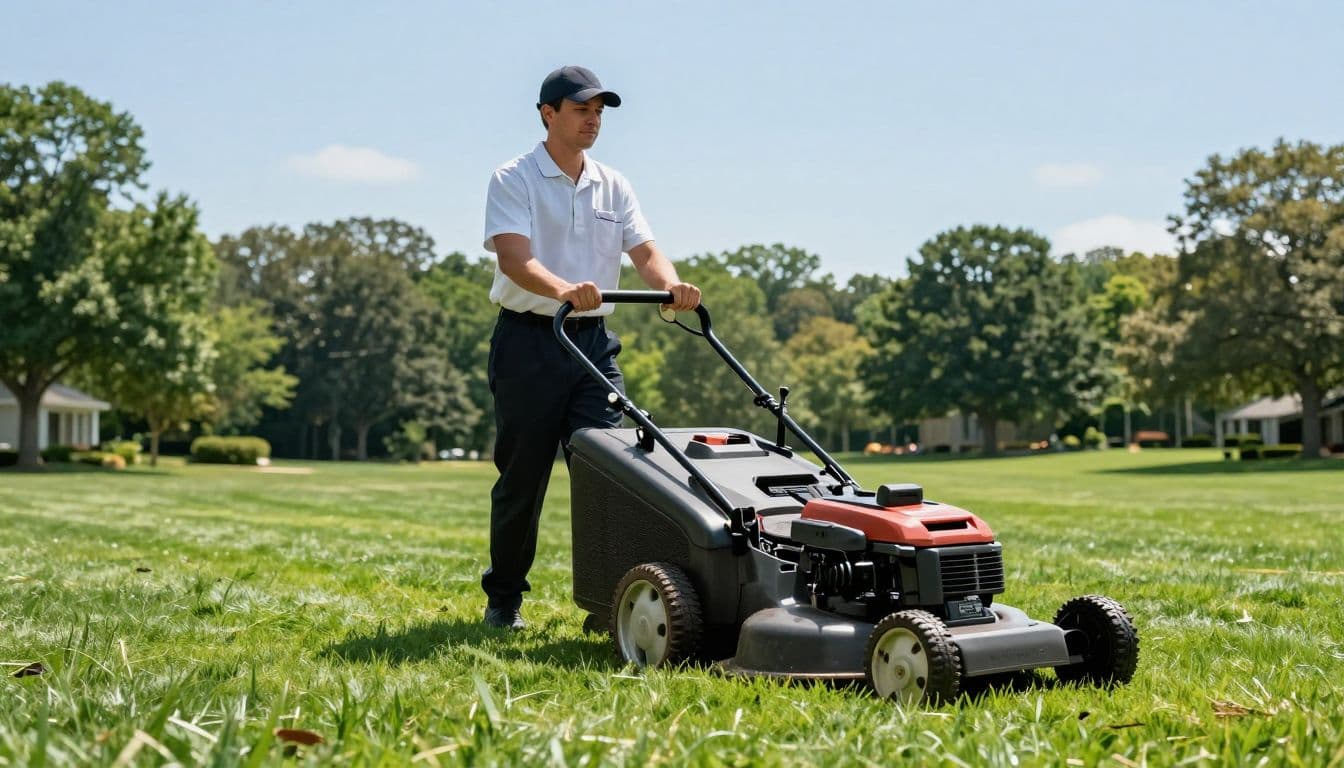
A few habits make a real difference:
- Water early in the morning so the grass dries faster.
- Avoid evening watering that leaves the lawn wet overnight.
- Keep the mower blade sharp and cut at the right height.
- Clear leaves in fall so moisture doesn't sit on the turf.
- Fix drainage issues in low spots where water pools.
- Skip heavy feeding when the lawn is already stressed.
If you deal with repeated problems, review the whole property. Shade from trees, compacted soil, and poor sprinkler coverage can all feed the same cycle. A lawn that gets the right amount of water in one spot and too much in another will keep giving you mixed results.
North Georgia yards also need close attention during weather swings. Late September through November is a key watch period, and so is spring after a run of cool rain. Those are the times when large patch often starts quietly.
Conclusion
Large patch on St. Augustine usually starts as a small, odd-looking area, then expands when Atlanta weather stays cool and damp. The earlier you catch it, the easier it is to manage.
Good mowing height, morning watering, and a clean lawn edge can reduce the pressure on stressed turf. Just as important, proper diagnosis keeps you from treating the wrong problem.
When a patch keeps returning in the same season, the lawn is giving a clear signal. The fix starts with reading that signal correctly.