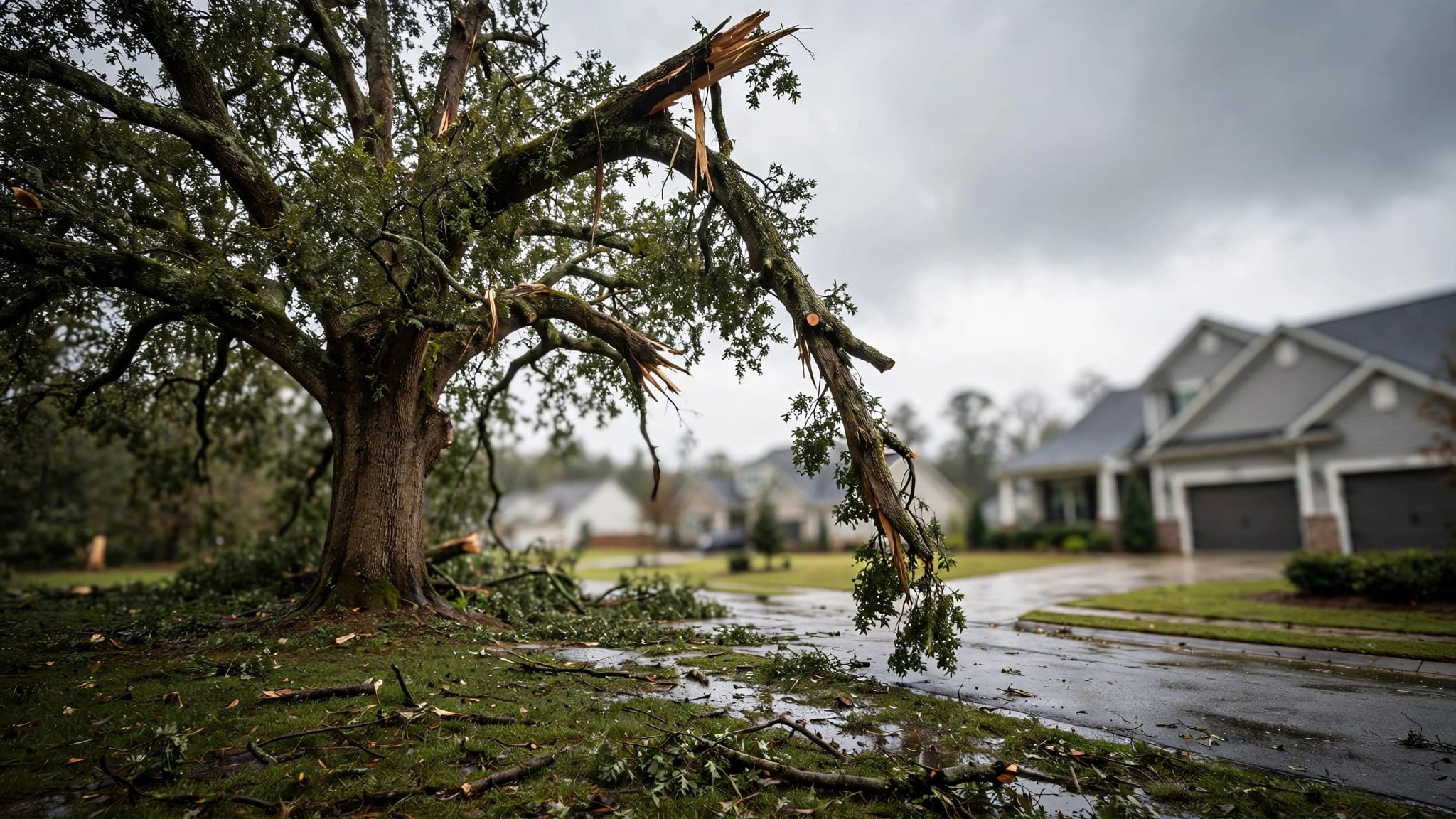
Atlanta Mole Damage: Tunnels and Soft Turf
Atlanta mole damage often begins with a narrow ridge across an otherwise healthy lawn. The grass may look green, yet the ground feels loose and soft underfoot because a mole has disturbed the soil beneath it.
Moles primarily feed on soil-dwelling insects, grubs, and earthworms. They don't eat grass roots, so treating every lawn with an insecticide won't automatically solve the problem. The best response starts with identifying active tunnels, checking the soil, and repairing the turf after the cause is addressed.
How to Identify Atlanta Mole Damage in Soft Turf
Mole tunnels usually appear as raised, winding ridges that run through open turf, garden edges, or planting beds. These shallow feeding tunnels sit close to the surface, which allows moles to search for insects without digging a deep hole across the entire yard.
The ridge may feel spongy when you step on it. In some areas, the grass lifts slightly from the soil, and small piles of loose dirt appear where the animal has pushed material upward. Deeper travel tunnels can leave fewer visible signs, but repeated ridges in the same area often point to an active route.
To test whether a tunnel is still in use, press a short section flat with your shoe or a hand tool. Check it again later that day and the next day. If the ridge rises again, the tunnel may still be active. Avoid collapsing every tunnel before you inspect it, because fresh activity is easier to track.
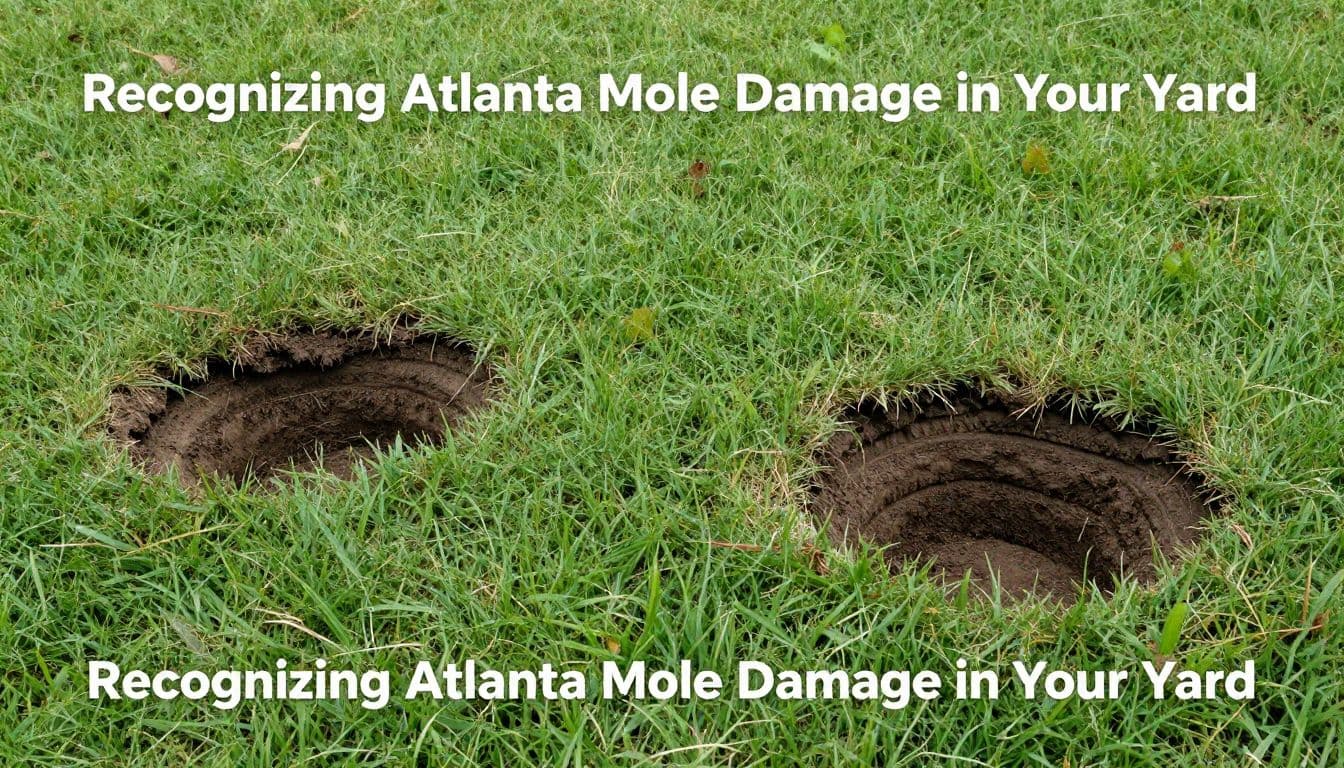
A tunnel shows where a mole traveled, but it doesn't show how many grubs are in the lawn.
Soft turf doesn't always come from moles. An irrigation leak, poor drainage, recent heavy rain, foot traffic, or loose fill soil can create similar conditions. Voles may also leave narrow surface paths, but they feed on plant material and often damage stems, roots, or bark. A careful inspection prevents you from treating the wrong pest.
Why Atlanta Lawns Develop Raised Mole Tunnels
Moles follow food and workable soil. Metro Atlanta's regular rain, summer irrigation, and changing soil moisture can create conditions that support earthworms and insects below the surface. When those food sources are available, a mole may move through turf, mulch beds, and lightly compacted soil.
Red clay and other heavy soils can add another layer of difficulty. Wet clay becomes easier to move, while compacted soil can shed water in some places and hold it in others. These uneven conditions may lead to soft sections, shallow roots, and concentrated insect activity.
A lawn with mole tunnels doesn't automatically have a serious grub problem. Earthworms and many harmless soil insects are normal parts of healthy soil. Moles may also travel through an area because it offers shelter or an easy route, even when grub numbers are low.
Overwatering can keep the surface soft and encourage shallow rooting, but cutting back water alone won't remove an active mole. Water according to the needs of your grass and current weather. Fix broken sprinkler heads, standing-water problems, and low spots as part of the inspection.
Inspect the Lawn Before Choosing a Treatment
A short inspection can save you from applying a product that won't address the real issue. Walk the property when the soil is damp but not saturated, then look for fresh changes rather than old, weathered ridges.
- Flatten one short section of a fresh ridge and mark its location with a small object beside the tunnel. Recheck it within a day or two for renewed activity.
- Use a hand trowel at the edge of the damaged area. Look for lifted roots, loose soil, earthworms, and grubs. White, C-shaped larvae in the root zone may indicate a grub, but identification still matters before treatment.
- Check nearby irrigation zones, downspouts, drainage paths, and areas beneath dense shrubs. A wet strip with no raised tunnel may be a water problem instead.
- Note where the damage appears and how quickly it returns. A few isolated ridges need a different response than fresh tunnels crossing the entire lawn each morning.
Don't dig large sections of turf while investigating. A small inspection point is enough to check the root zone, and it leaves less repair work afterward. If the soil is compacted, a professional can also assess grading and drainage before you spend money on pest products.
Manage Grubs Without Assuming They Caused the Problem
Moles primarily feed on insects and grubs, along with earthworms and other soil organisms. That fact matters because removing every insect from a lawn is neither practical nor desirable. A grub treatment may reduce one food source, but it doesn't guarantee that moles will leave.
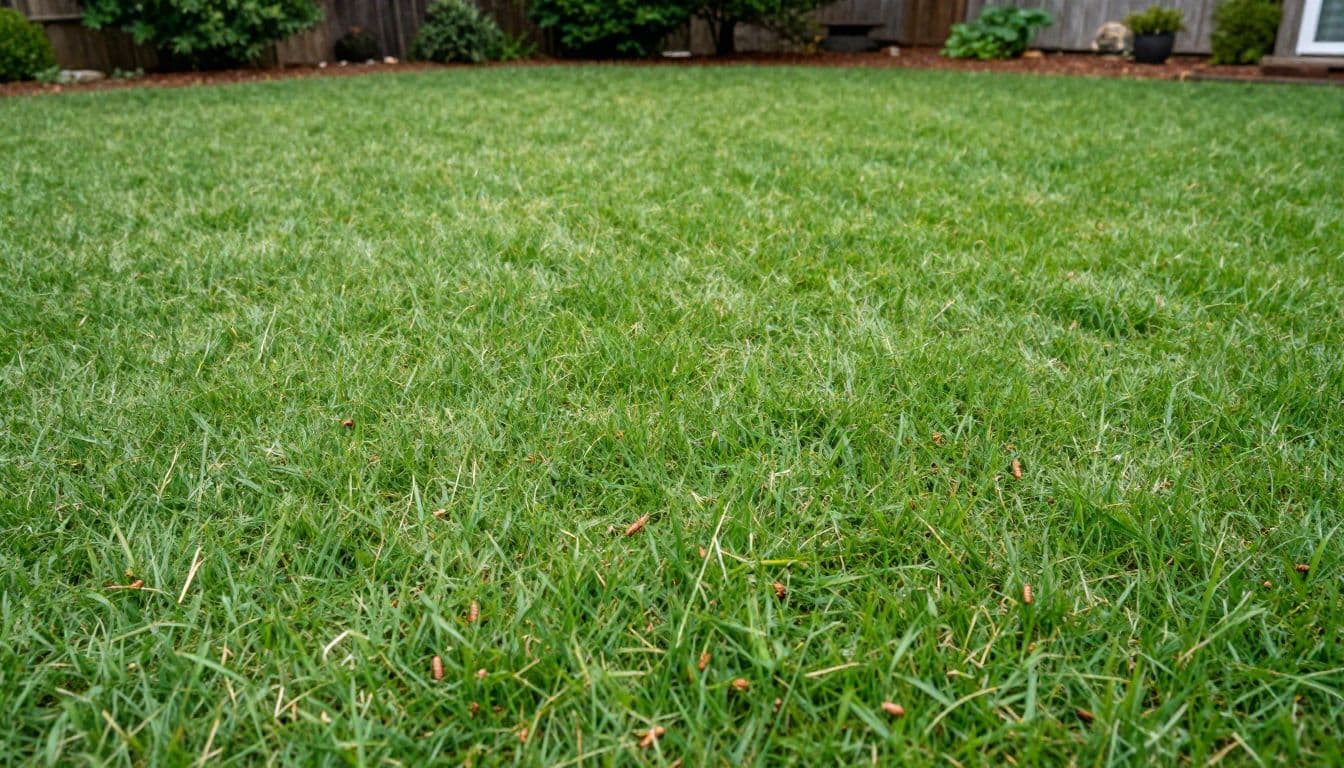
Treat grubs only after you find enough evidence to support treatment. The number, type, and season of the larvae affect the decision. A few grubs can occur in a normal lawn without causing visible injury. Broad applications can also affect beneficial insects and may create risks for pets, children, pollinators, and waterways.
If treatment is appropriate, use only a product labeled for the pest and lawn site. Follow the application rate, protective equipment instructions, watering directions, and re-entry period. Never use a product off-label, and don't apply a mole poison or fumigant without professional guidance.
Cultural care helps turf recover and can reduce conditions that make damage more noticeable. Keep irrigation from running too often, correct drainage problems, and aerate compacted soil when your grass is actively growing. Mowing at the correct height also protects the remaining roots. These steps improve the lawn, even if they don't provide direct mole control.
For active moles, a licensed wildlife or pest professional can inspect the tunnels and discuss legal control options. Trapping may be appropriate in some situations, but placement, timing, and local regulations matter. Ask how the method protects pets and non-target wildlife before work begins.
Repair Tunnels and Restore Damaged Turf
Wait until fresh tunnel activity has slowed before completing major repairs. Otherwise, new digging may disturb the same soil and force you to repeat the work.
Start by pressing lifted grass back toward the soil. Fill open voids with screened topsoil or a compatible soil mix, then smooth the area so it matches the surrounding grade. Don't pack wet clay aggressively, because hard compaction can block air and water from reaching the roots.
If the roots remain attached, the existing turf may recover after you restore contact with the soil. Water lightly at first, then follow a schedule suited to the grass and weather. Replace sections that have dried out, torn apart, or lost too much root contact.
Atlanta properties commonly contain warm-season grasses such as bermudagrass and zoysiagrass, along with tall fescue lawns. Warm-season turf repairs best during late spring and summer, while tall fescue is generally repaired or overseeded in early fall. Local conditions and the type of grass should guide the timing.
Keep foot traffic and pets away from newly repaired spots. Wait to mow until seed has established or sod has rooted. Regular lawn care and mowing can then keep the repaired areas at a consistent height and reduce added stress on the turf.
When Professional Help Makes Sense
Call for professional help when fresh ridges return across several parts of the property, the lawn has widespread soft spots, or the damage sits near sprinkler lines, retaining walls, slopes, or drainage structures. Repeated surface repairs won't solve an active tunnel system.
A qualified provider can separate mole activity from irrigation leaks, grub damage, drainage issues, and soil compaction. The inspection should come before any pesticide recommendation. If control is needed, ask whether the method is approved for the area and how the provider will protect pets, children, and other wildlife.
After the tunnels are addressed, property-maintenance work can restore the lawn's appearance. RW Lawn Co provides residential property care, including mowing, landscaping, mulch, and seasonal cleanup for Atlanta-area homes. Those services can help repair disturbed turf and keep the rest of the yard easier to monitor.
Protect Your Atlanta Lawn After Mole Damage
Raised tunnels and soft turf point to disturbed soil, but they don't prove that grubs are the main cause. Confirm active movement, inspect the root zone, and correct water or compaction problems before choosing treatment.
When Atlanta mole damage continues, use a legal, targeted control method and protect pets and non-target wildlife. Once activity slows, restore soil contact, repair the grass at the right season, and maintain steady mowing and irrigation. A healthy lawn won't prevent every mole, but it will recover faster and make new damage easier to spot.