Atlanta Lawn Care: DIY or Professional Service?
Atlanta lawn care can look simple until summer heat, heavy rain, fast growth, and stubborn weeds turn mowing into a weekly obligation. Choosing between DIY work and a professional service depends on your lawn size, turf condition, available time, budget, and comfort with the work.
A small, healthy yard may only need regular mowing and seasonal attention. Thin turf, irrigation problems, recurring brown patches, or difficult weed control can require more experience. Start by looking at what your property needs, then compare the time, cost, and effort involved.
Atlanta lawn care starts with the grass you have
Your grass type affects nearly every care decision. Atlanta yards commonly contain Bermuda, zoysia, centipede, or tall fescue. Bermuda and zoysia are warm-season grasses that grow quickly during hot weather. Tall fescue is a cool-season option that can look good through winter but often struggles during Atlanta's hottest, driest periods.
Mowing height also matters. Cutting too short can stress the root system, expose soil, and give weeds more room to spread. A common starting range is about 1 to 2 inches for Bermuda, 1 to 2.5 inches for zoysia, and 2.5 to 4 inches for tall fescue. The correct height still depends on the cultivar, shade, season, and condition of the lawn.
Soil, sunlight, drainage, and foot traffic create more differences between properties. A sunny Bermuda lawn may need a different schedule than a shaded fescue yard. Poor drainage can leave wet areas after storms, while compacted clay soil can limit root growth and make grass look thin despite regular watering.
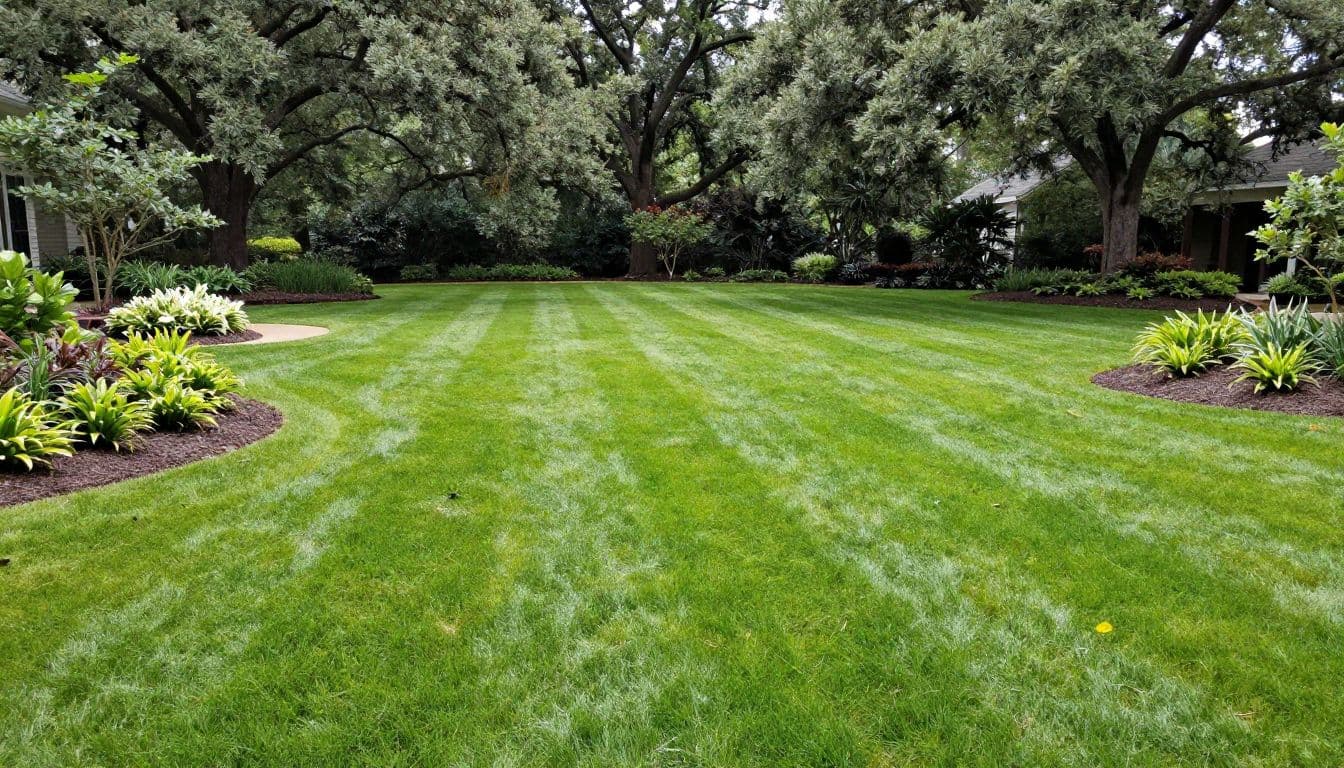
A healthy lawn begins with the right care plan for its grass type, soil, and growing conditions.
What DIY lawn care really requires
DIY care can work well when you have a small or moderately sized lawn, reliable equipment, and time to follow a routine. You also need to feel comfortable learning the needs of your turf instead of treating every brown spot or weed with the same product.
Mowing is only one part of the job. During active growth, you may need to mow weekly or more often, depending on rainfall and grass type. Keep mower blades sharp, avoid cutting wet grass when possible, and follow the one-third rule, which means removing no more than one-third of the grass blade at a time. Leaving light clippings on the lawn is usually fine when they don't form heavy clumps.
Edging sidewalks and driveways takes extra time, especially on larger properties. After mowing, you may need to blow clippings from hard surfaces, clear debris from beds, and clean equipment before storing it. Slopes, narrow gates, fences, and uneven ground also make routine work slower and more tiring.
Fertilizer and weed control require careful timing. A soil test can help identify pH and nutrient needs before you buy a product. Applying too much fertilizer can damage turf and send nutrients into stormwater. Herbicides can also harm desirable plants if you use the wrong product or spray during windy conditions.
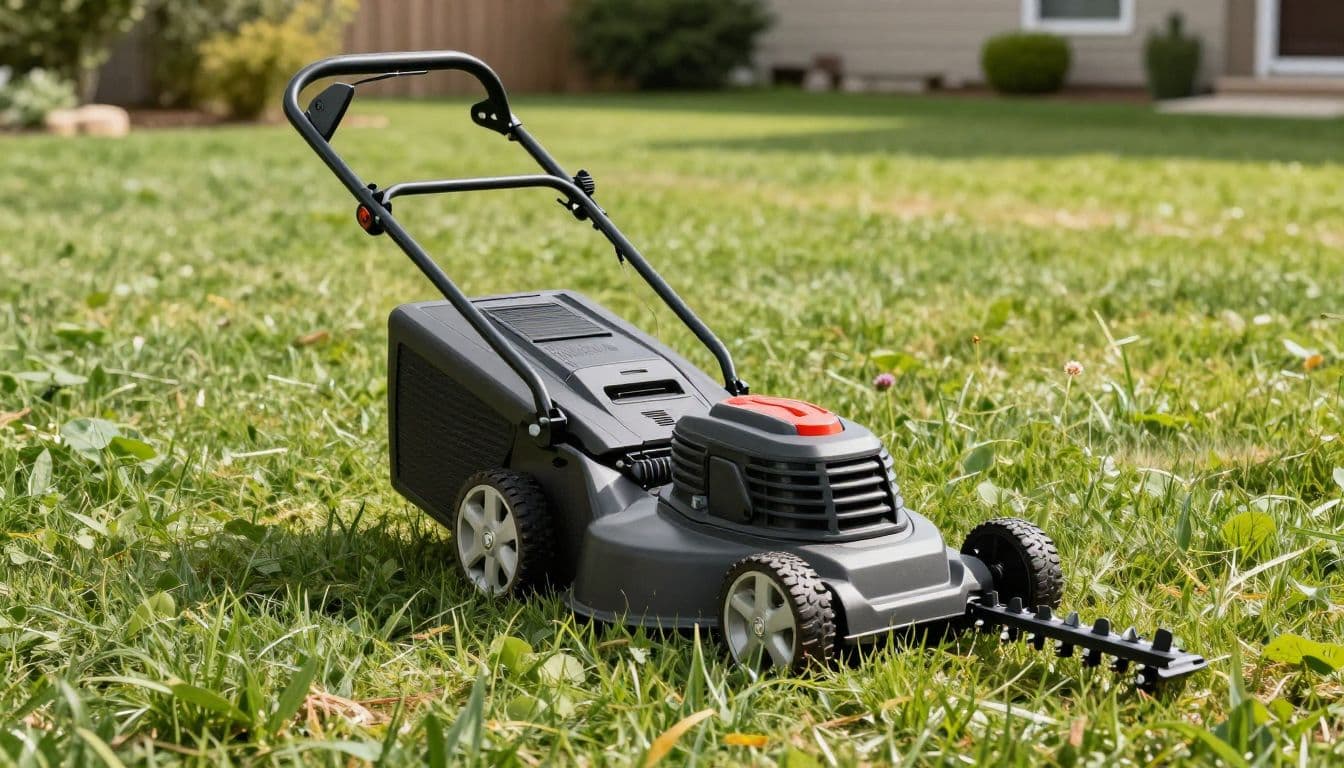
A homeowner who already owns a mower, trimmer, blower, and spreader may keep direct costs low. However, equipment maintenance, fuel or battery replacements, blades, fertilizer, herbicide, and storage add to the long-term expense.
When DIY work becomes harder
The most difficult part of DIY lawn care is often identifying the cause of a problem. Brown grass may result from drought, overwatering, compacted soil, insects, disease, pet damage, or mowing stress. Treating the wrong cause wastes money and can make the damage worse.
Weed control and fertilization challenges
Atlanta's warm, humid growing season gives both grass and weeds plenty of time to spread. Crabgrass, nutsedge, clover, chickweed, and broadleaf weeds may appear at different times of year. A product that works on one weed may have little effect on another, and some treatments can injure certain turf types.
Timing matters as much as product selection. Pre-emergent treatments work before weeds appear, while post-emergent products target visible weeds. Fertilizer applications should match the grass type and season. Warm-season lawns usually receive their main feeding during active growth, while tall fescue typically follows a different fall and spring schedule.
Pests, disease, and irrigation
Humid conditions can contribute to fungal problems such as brown patch and large patch, especially when grass stays wet for long periods. Insects can cause irregular thinning or areas that pull up easily. A professional may inspect the soil, roots, blades, irrigation coverage, and surrounding plants before recommending treatment.
Watering can create another problem. Short, frequent watering may encourage shallow roots, while excessive irrigation can keep soil wet and promote disease. Check sprinkler heads for blocked nozzles, broken parts, and uneven coverage. Atlanta homeowners should also review current local watering rules before changing an irrigation schedule.
Professional lawn care becomes more useful when problems repeat despite reasonable maintenance. It can also make sense when a property has several turf types, heavy shade, steep slopes, or drainage concerns.
What professional lawn care adds
Professional service removes much of the recurring labor and brings a consistent schedule to the property. Depending on the provider and plan, service may include mowing, edging, trimming, blowing, fertilization, weed control, seasonal cleanup, or irrigation checks.
The scope matters. A mowing visit may keep the grass at the correct height, but it may not include fertilizer, pest treatment, pruning, mulch, or drainage work. Ask for a written list of included services, visit frequency, extra charges, and the process for reporting a problem.
Professional care can also reduce guesswork. A trained crew can spot scalping, poor mowing patterns, irrigation gaps, and signs of stress before the entire yard declines. For routine service, RW Lawn Co provides residential lawn care and mowing for Atlanta-area homeowners who want regular maintenance handled on schedule.
The main tradeoff is the recurring service fee. You pay for labor, equipment, transportation, scheduling, and the provider's knowledge. That cost may be worthwhile when your weekends are limited, the yard is large, or repeated mistakes would cost more than the service.
DIY vs. professional lawn care: compare the real tradeoffs
The right option becomes clearer when you compare how each approach fits your property and routine.
| Factor | DIY care | Professional care |
|---|---|---|
| Time | Requires regular mowing, cleanup, shopping, and equipment care | Reduces the work you handle each week |
| Direct cost | Lower when you already own equipment | Recurring fee covers labor and equipment |
| Control | You choose products, timing, and methods | The provider follows an agreed service plan |
| Problem solving | Requires research and trial and error | A crew can inspect common turf problems |
| Best fit | Smaller, healthy lawns and available homeowners | Larger, stressed, sloped, or time-consuming properties |
DIY usually costs less in direct payments, especially for a small yard with existing equipment. Professional care can save time and prevent wasted purchases when the lawn needs more than mowing.
A hybrid plan often works well in Atlanta. You might mow and edge yourself while hiring help for seasonal fertilization, weed control, aeration, irrigation repairs, or a major cleanup. This approach keeps some control in your hands while assigning technical or unpleasant tasks to a trained crew.
How Atlanta homeowners can choose
DIY is a practical fit when you can visit the lawn regularly, store equipment safely, and follow product directions. It also suits homeowners who enjoy yard work and can respond quickly when grass begins growing faster in late spring and summer.
Professional service is a stronger choice when missed mowing creates problems, the yard includes steep or difficult areas, or the turf already has bare spots and recurring weeds. Limited mobility, long work hours, frequent travel, and a lack of equipment are also valid reasons to outsource routine care.
Look at the lawn's condition before choosing a service level. A healthy yard may need mowing and occasional seasonal work. A declining yard may need a full assessment that considers soil, drainage, turf selection, irrigation, and disease. Paying for routine visits won't solve an underlying water or soil problem unless the service includes that work.
Finally, compare providers by their communication and scope, not only by the lowest price. Confirm how often crews visit, whether they remove clippings, how they handle gates and pets, and who answers questions about damage or missed service.
Choose the care your property can sustain
The best Atlanta lawn care plan is the one you can maintain through the entire growing season. DIY saves money and gives you direct control, but it requires time, equipment, and confidence with turf care. Professional service costs more, yet it can provide consistent mowing and better support when problems become difficult to diagnose.
A small, healthy lawn may remain manageable as a weekend task. Larger or troubled properties often benefit from professional help, while a hybrid plan can balance budget and convenience. Either way, match the service to your grass, soil, schedule, and actual comfort with the work.