Sprinkler Winterization Atlanta: A First-Freeze Checklist
A hard freeze can damage irrigation pipes, valves, and backflow equipment before you notice any problem. When you search for "sprinkler winterization Atlanta," you probably need a clear plan before a cold night arrives.
Atlanta winters bring intermittent freezes, not months of steady cold. A warm week can make the timing confusing, so use the local forecast instead of relying on a fixed calendar date. These steps will help you protect your sprinkler system while avoiding common mistakes.
Why Atlanta Sprinkler Systems Need Winter Preparation
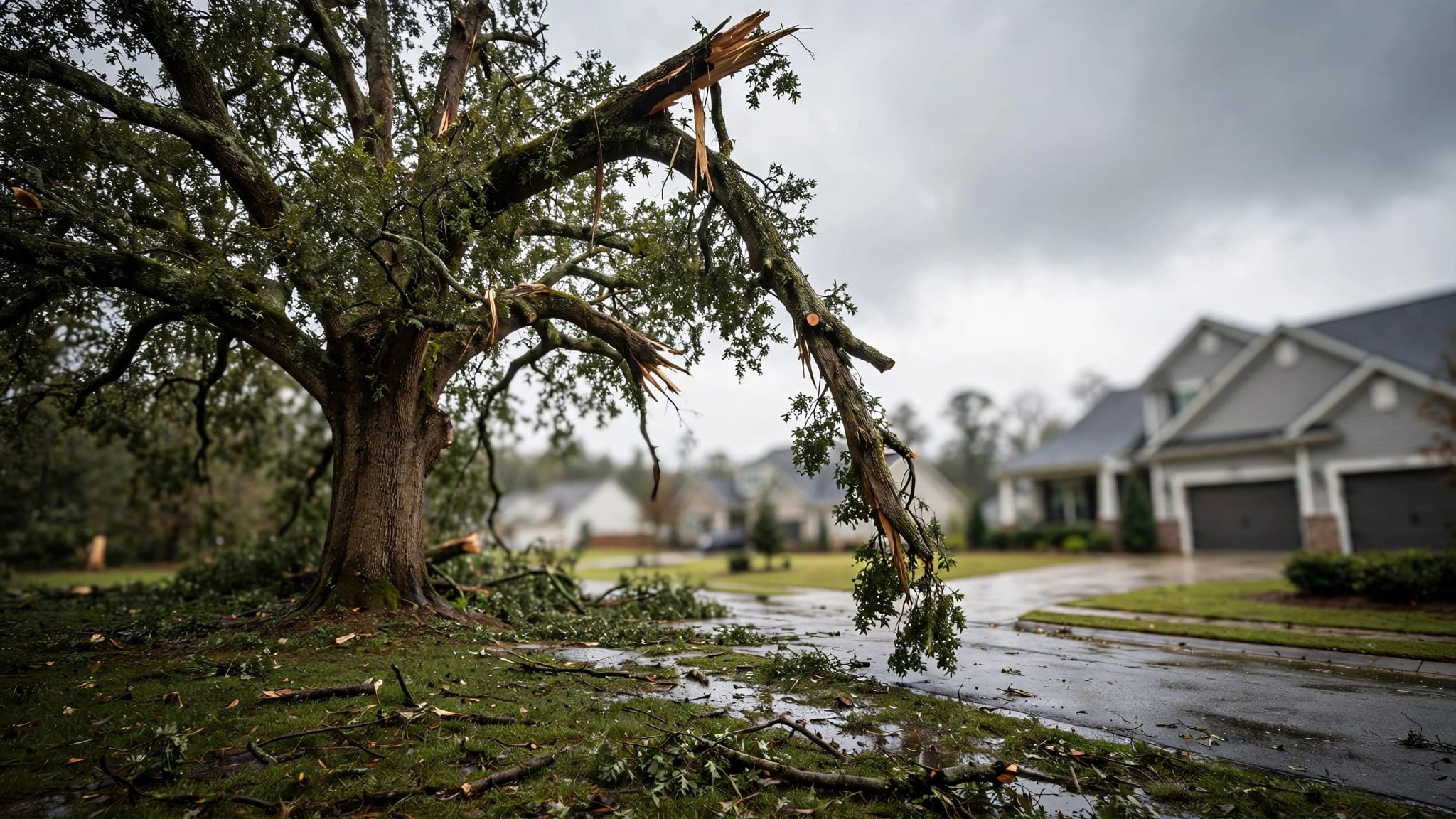
Metro Atlanta often sees freeze events followed by milder weather. That pattern can still harm an irrigation system because water remains inside pipes, valves, filters, and above-ground backflow preventers. When trapped water freezes, it expands and can split plastic fittings or damage internal components.
The risk is higher in exposed areas, including systems installed along driveways, exterior walls, slopes, and sunny locations that cool quickly after sunset. Low sections of pipe can also hold water after the system shuts down.
Winterization doesn't mean your lawn receives no water all winter. Bermuda and zoysia usually go dormant, while tall fescue may continue growing during mild periods. Review this Atlanta lawn irrigation guide by season before changing watering habits.
Check the forecast five to seven days ahead, then confirm it again the day before preparation. If temperatures may fall below 32 degrees, give exposed irrigation parts extra attention.
Sprinkler Winterization Atlanta Checklist
Use this checklist when a freeze is approaching. If you can't identify a valve or drain point, stop before turning anything forcefully.
1. Check the forecast and choose the right time
Look for the expected overnight low, wind, and duration of the cold period. A brief dip near freezing may affect exposed equipment, while a longer freeze creates more risk for buried sections and low spots.
Schedule winterization before the first serious freeze, but don't rush based on one uncertain forecast. Atlanta weather can change quickly. A local forecast checked 24 hours before the work gives you a better decision point.
Also check whether your property has special irrigation equipment. Drip irrigation, a booster pump, a well-fed system, and an irrigation backflow preventer may require different steps.
2. Shut off the irrigation water supply
Find the dedicated irrigation shutoff valve. It may be near the water meter, backflow preventer, basement, crawl space, or exterior wall. Close it slowly and confirm that it controls the sprinkler system, not the home's main water supply.
Next, turn off the irrigation controller or use its winter setting. A rain-delay function may pause scheduled watering, but it doesn't always isolate the water supply. Keep the controller's programming intact if you want an easier spring startup.
If the system uses a pump, follow the manufacturer's shutdown instructions. Don't disconnect wires or open electrical panels while standing on wet ground.
3. Relieve pressure and drain accessible components
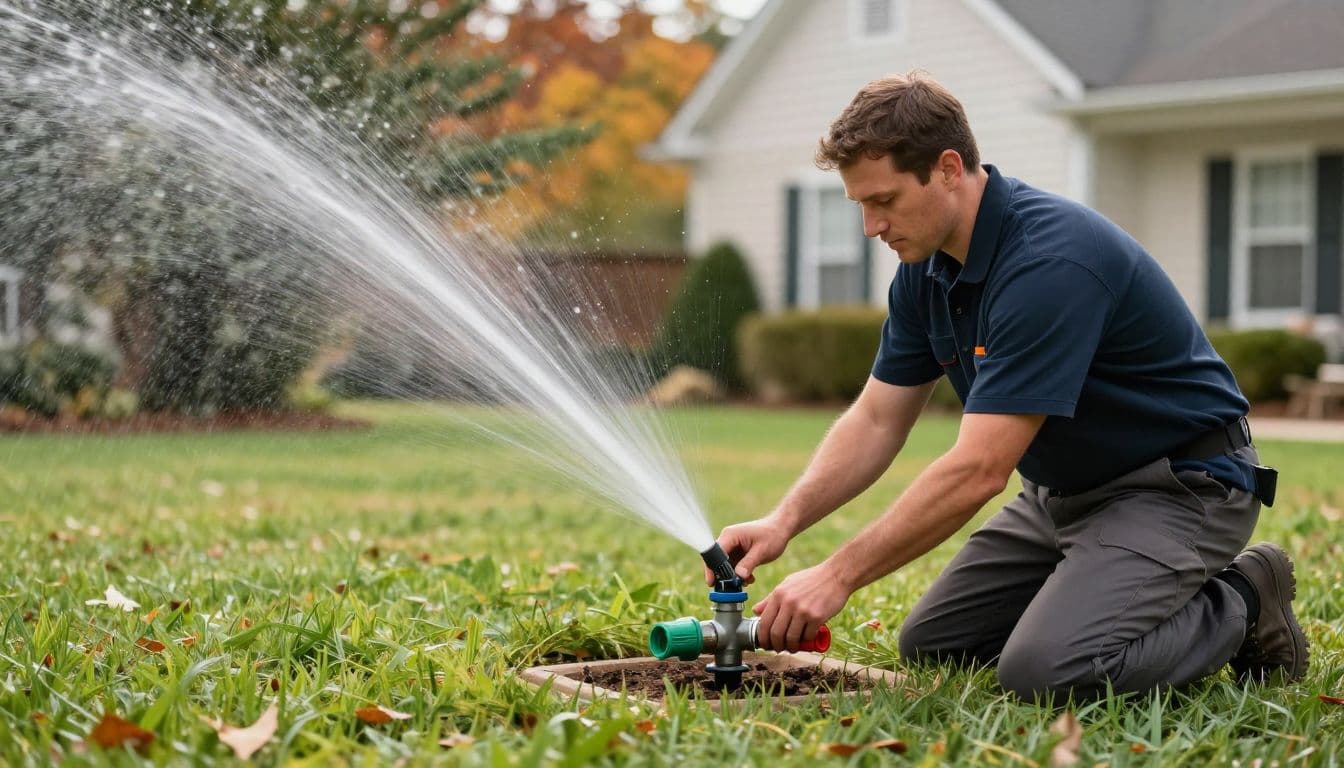
After shutting off the supply, open the system's approved drain point if it has one. Some systems use manual drains, while others include automatic drain features. Follow the labels or installation instructions rather than guessing.
Drain filters, exposed valves, and pump housings that hold water. If you see a test cock or small drain screw on a backflow device, don't force it. These parts can break easily, and a damaged backflow preventer can create a plumbing problem.
Open the drain slowly and allow water to leave before closing it. The goal is to remove standing water from accessible components, not to dismantle the entire system.
4. Inspect sprinkler heads and exposed pipe
Walk each irrigation zone while the system is still safe to run, if weather conditions allow. Look for broken heads, leaking fittings, sunken areas, missing caps, and exposed pipe. Mark problems with a small flag or take photos for spring repairs.
Remove debris from around valve boxes and make sure covers sit level. A cracked box cover can allow leaves, soil, and water to collect around the valves.
A seasonal inspection also gives you time to review coverage problems. For spring planning, this guide to evaluating sprinkler system efficiency explains how uneven watering can point to damaged heads or incorrect run times.
Should You Blow Out the Sprinkler Lines?
Many irrigation systems need more than surface draining. Buried lines can retain water, especially where the pipe slopes downward or lacks proper drainage. A professional blowout can remove that water when the system design calls for it.
However, compressed air can damage irrigation equipment when the pressure or connection is wrong. Excessive pressure may split PVC, damage poly pipe, break sprinkler heads, or force debris into valves. Connecting an air compressor to the wrong port can also harm the backflow preventer.
For that reason, don't attach a shop compressor to a hose bib and open every zone. A safe blowout requires the correct connection, controlled pressure, and zone-by-zone operation. Equipment limits vary by system and component, so follow the manufacturer's specifications.
Professional service is often safer when you have:
- A large irrigation system with several zones.
- A backflow preventer that you can't drain confidently.
- A well pump, booster pump, or complex controller.
- No labeled drain port or compressor connection.
- Older pipes, frequent leaks, or brittle sprinkler heads.
If you hire a contractor, ask what method the technician will use and whether the service includes draining the backflow preventer. A local irrigation cost guide places basic line blowouts around $50 to $150, but the final price depends on access, system size, and the work required. You can also review Atlanta irrigation installation costs for related maintenance figures.
A blowout isn't automatically safer than draining. Incorrect air pressure can cause more damage than the freeze itself.
Protect Backflow Preventers and Above-Ground Pipes
Backflow preventers are among the most exposed irrigation components. Many sit outside near a foundation, where cold air can reach the device from every side. Water left inside the assembly can freeze and crack its body or internal parts.
First, shut off the irrigation supply and drain the device according to its design. Some units have shutoff valves and test ports that require a particular sequence. If you're unsure, let a qualified irrigation technician handle this step.
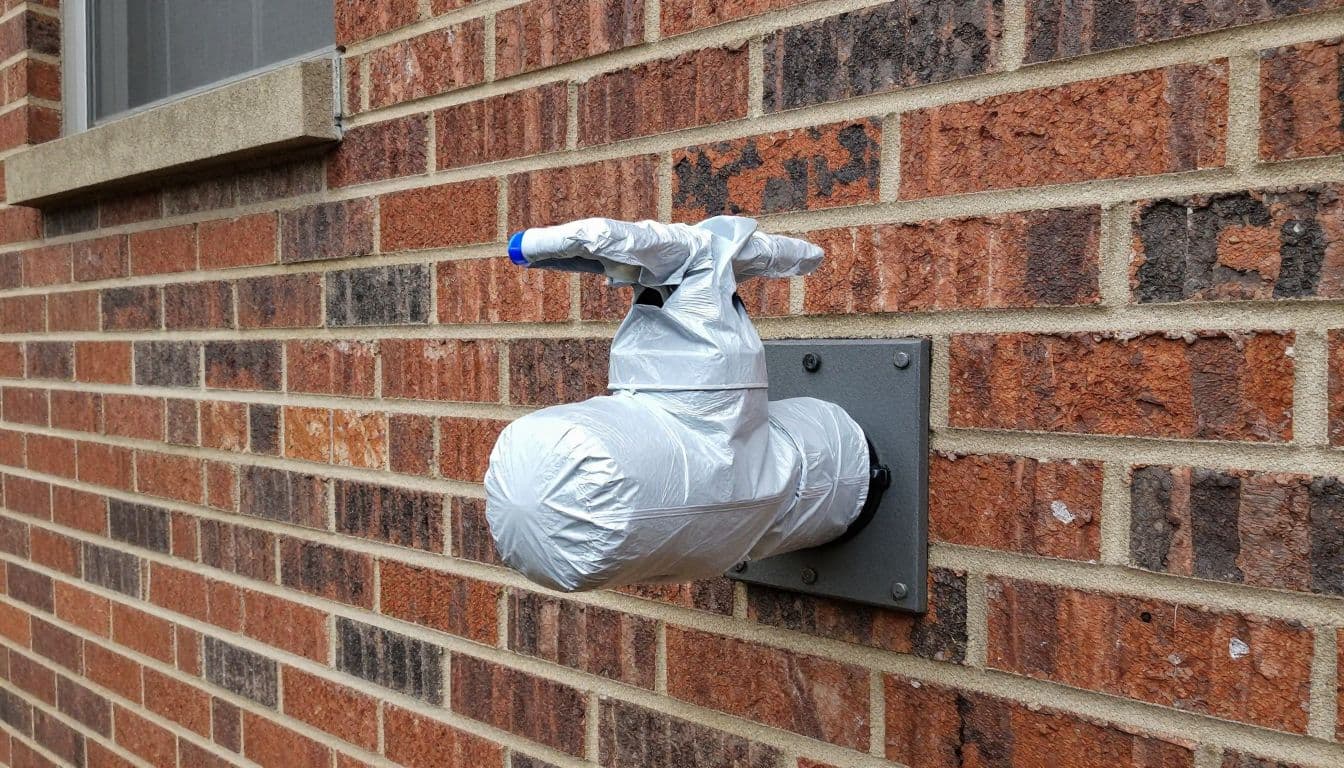
Once the device is empty, use an insulated cover made for outdoor plumbing equipment. Protect exposed pipe, filters, pressure regulators, and valve bodies as well. Keep insulation dry, and don't seal a wet component inside plastic.
Never use an open flame, torch, or unsafe heat source near pipes, siding, mulch, or landscaping. If a temporary heat cable is appropriate for the equipment, use a product rated for outdoor plumbing and follow its instructions.
Record What You Did Before Spring
Write down the date you shut off the system, the location of the main irrigation valve, and any parts you drained. Take a photo of valve positions before covering equipment. This record can save time when warm weather returns.
Leave a note near the controller with any known repairs, such as a leaking zone or broken rotor. Labeling an unfamiliar valve now is easier than searching for it during spring startup.
Keep the controller protected from moisture, but don't remove its programming unless the manufacturer recommends a full shutdown. After winterization, check the property after heavy rain or an unusual freeze. Look for cracked housings, lifted covers, or water around the backflow area.
When spring arrives, open the irrigation supply valve gradually. Then inspect for leaks before running each zone. Test one zone at a time, watch for poor pressure, and adjust the schedule based on the grass type and current weather.
When to Call a Professional
Call an irrigation professional before the freeze if you can't locate the dedicated shutoff, identify the backflow preventer, or determine how the system drains. A technician should also handle systems with pumps, multiple backflow devices, steep grading, or a history of winter damage.
Professional help makes sense after a freeze, too. Don't run the system immediately if you see a cracked fitting, spraying water, a flooded valve box, or a backflow device that won't close. Shut off the irrigation supply and arrange an inspection.
Homeowners who prefer service can ask for a written scope that states whether it includes the water shutoff, controller setting, drain work, air blowout, backflow protection, and spring restart. Clear details prevent confusion about what the visit covers.
Conclusion
A reliable sprinkler winterization Atlanta plan starts with the forecast, then moves through the water shutoff, accessible drains, exposed equipment, and backflow protection. Atlanta's intermittent freezes make preparation timing less predictable, so check local conditions instead of waiting for a familiar date.
The safest choice is to drain what you understand and use professional help for compressed-air work or complex equipment. A few careful steps before the cold arrives can prevent cracked irrigation parts and a difficult spring repair.