Atlanta Plant Installation Cost Guide for 2026
Plant installation in Atlanta can start with a few hundred dollars and climb fast once slopes, clay soil, and larger plants get involved. That spread catches a lot of homeowners off guard.
If you're comparing plant installation cost in Atlanta , 2026 pricing is less about one fixed number and more about your site. Bed prep, plant size, access, and irrigation needs all shape the final bill.
The good news is that a clear budget range is easy to build once you know what drives the price. The sections below break it down in plain language.
Typical Atlanta plant installation prices in 2026
Most planting jobs fall into a per-plant range, while bigger projects are priced by bed or square foot. Use the table below as a practical starting point for Atlanta yards.
| Item | Typical installed price | Notes |
|---|---|---|
| Annual flowers or color pots | $10-$30 per pot | Good for seasonal curb appeal |
| Shrubs and bushes | $25-$85 each | Size and species change the price fast |
| Small trees, up to 10 feet | $125-$700 each | Staking and root handling may add cost |
| Large trees, 10 to 20+ feet | $400-$1,300 each | Heavy equipment may be needed |
| Raised flower bed planting, 5' x 12' | $1,200-$4,000 | Often includes soil work and cleanup |
| Full landscape planting | $5-$20 per square foot | Best for larger designs and new beds |
Those ranges usually cover labor and materials. They can move higher when the plants are oversized, the access is tight, or the bed needs work before anything goes in.
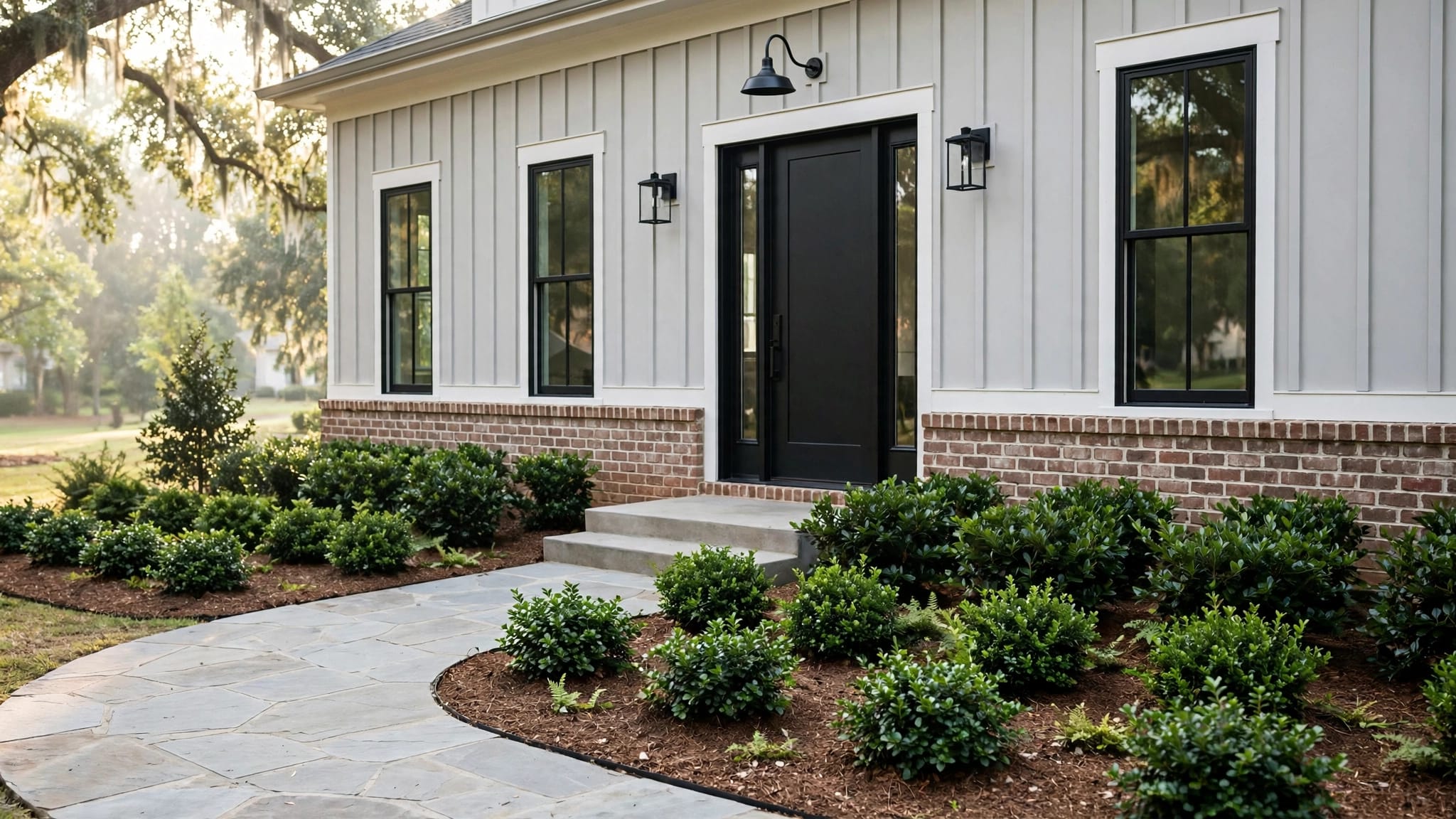
Many planting jobs also include mulch, and that often changes the total in a good way. Professional mulch installation for Atlanta yards can help hold moisture, clean up the bed, and finish the look.
If a quote looks low, ask what is missing. Soil prep, mulch, haul-off, and irrigation parts can change the final total fast.
Why Atlanta properties change the price
Atlanta yards have their own set of cost drivers. Two homes with the same plant list can still land in very different price ranges.
Clay soil and drainage
Atlanta's clay-heavy soil is hard on roots if it is left alone. Crews often need to loosen compacted ground, mix in compost, or reshape the bed so water moves away from the plants. That takes time, and time costs money.
Drainage problems can also push a job into a higher bracket. If water sits near the foundation or pools in a low spot, the installer may need to add soil, build up the bed, or install drainage help before planting begins.
Slope, access, and haul-off
A flat front bed with open access is one thing. A steep side yard with a narrow gate is another.
Hauling shrubs, soil, and mulch through a tight space adds labor. So does carrying debris away after old plants are removed. If the project includes grading or cleanup, the quote should reflect that work instead of hiding it.
Irrigation and season
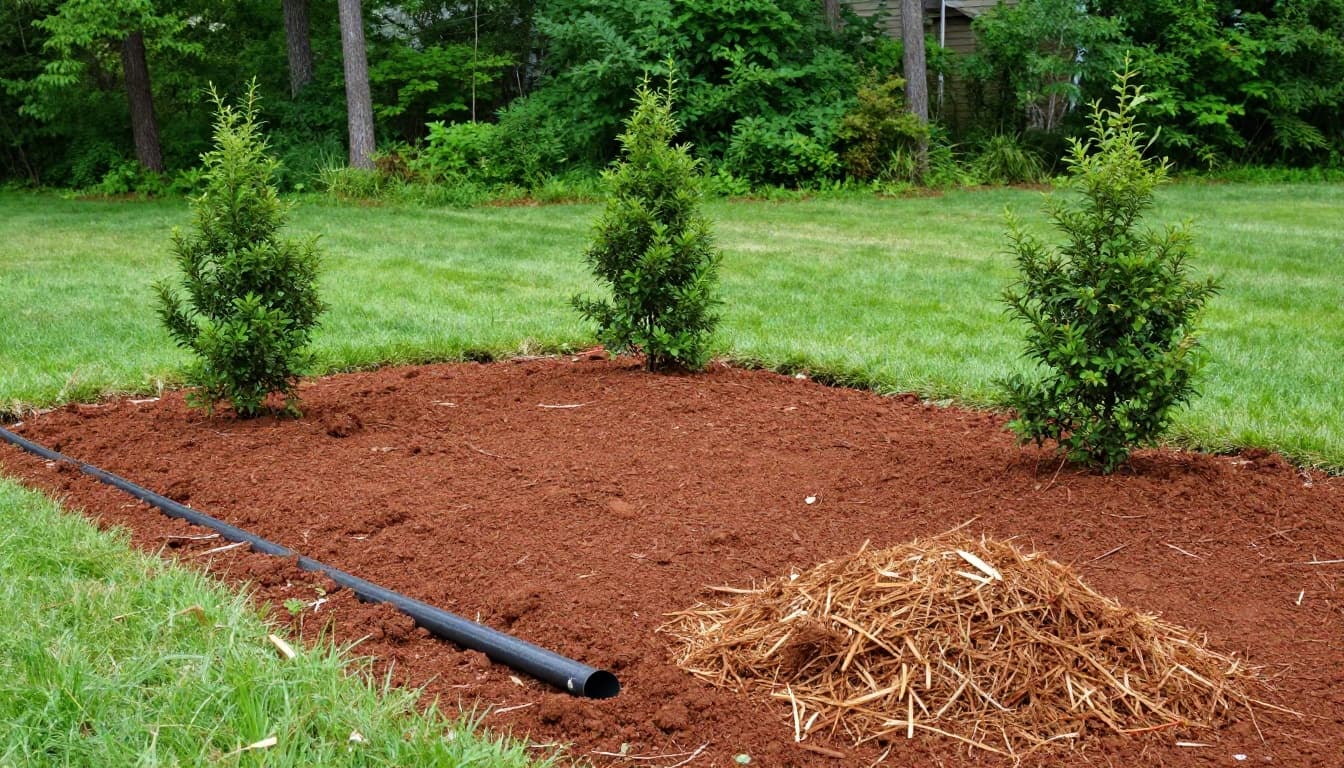
New plants need water right away. If the existing sprinkler heads miss the bed, or if drip lines need to be added, expect extra cost. That is common in Atlanta, especially on newer landscaping plans.
Season matters too. Spring and fall are usually easier for installation and plant survival. Summer planting can work, but heat stress may call for more watering and closer follow-up. That extra care shows up in the price.
Small, medium, and large planting projects
Project size is one of the fastest ways to estimate cost. A small bed refresh and a full backyard planting are not priced the same way.
| Project size | What it usually includes | Typical Atlanta range |
|---|---|---|
| Small project | A few shrubs, annual color, light prep | $300-$1,200 |
| Medium project | Mixed shrubs, small trees, mulch, cleanup | $1,500-$4,500 |
| Large project | Full front or back yard planting, drainage or slope work, irrigation changes | $5,000-$15,000+ |
A small job may only need plant placement and a little soil prep. A medium project often includes a fuller bed reset, fresh mulch, and a cleaner layout. Large projects usually involve more planning, more labor, and more steps before the first plant goes in.
The shape of the yard matters too. A simple row of shrubs along a level fence line is easier than a terraced hillside. The second job may look smaller at first glance, but the labor can be much higher.
Plants that fit Atlanta yards
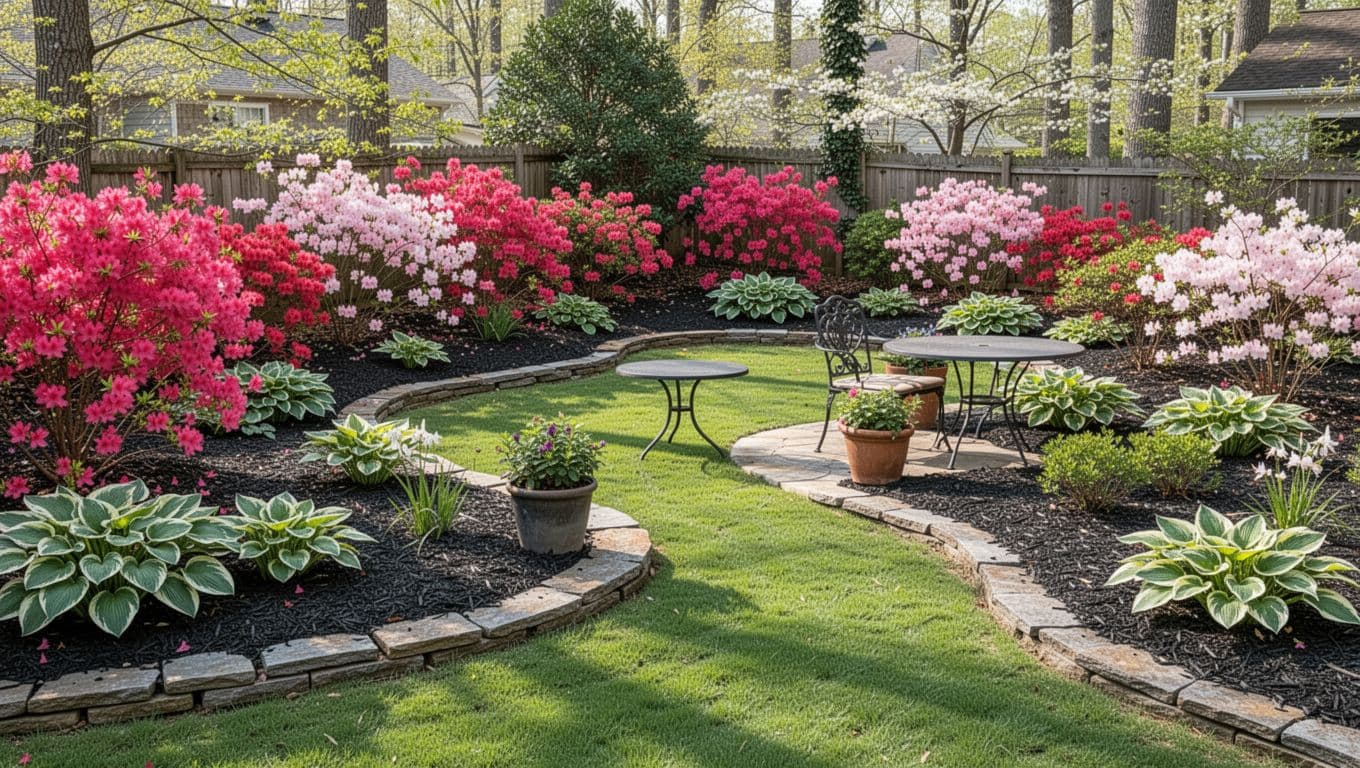
Atlanta weather favors plants that can handle heat, humidity, and soil that stays wet after a storm. That is why many homeowners choose azaleas, hollies, loropetalum, oakleaf hydrangea, ornamental grasses, and smaller native shrubs or trees.
Plant choice affects the bill in a few ways. Larger nursery stock costs more. Slower-growing plants cost more when buyers want instant size. And some foundation beds need plants with a compact mature spread, which can narrow the options.
For boxwood-heavy foundation beds, Atlanta foundation shrub care guide is a useful reference before you buy. It helps you think past the first day and focus on how the bed will look and hold up later.
How to get a price that matches your yard
A good estimate starts with the site, not a guess from a driveway photo. The more detail you share, the closer the quote will be.
A clear request should include:
- The number and type of plants you want
- Plant sizes, if you already know them
- Photos of the beds, gates, and slopes
- Whether old plants need to be removed
- Whether mulch, edging, or soil improvement is included
- Any irrigation changes or drainage problems
- Your preferred timing, since season affects availability
A site visit is even better, because it shows access, slope, and soil conditions in person. That matters in Atlanta more than many homeowners expect.
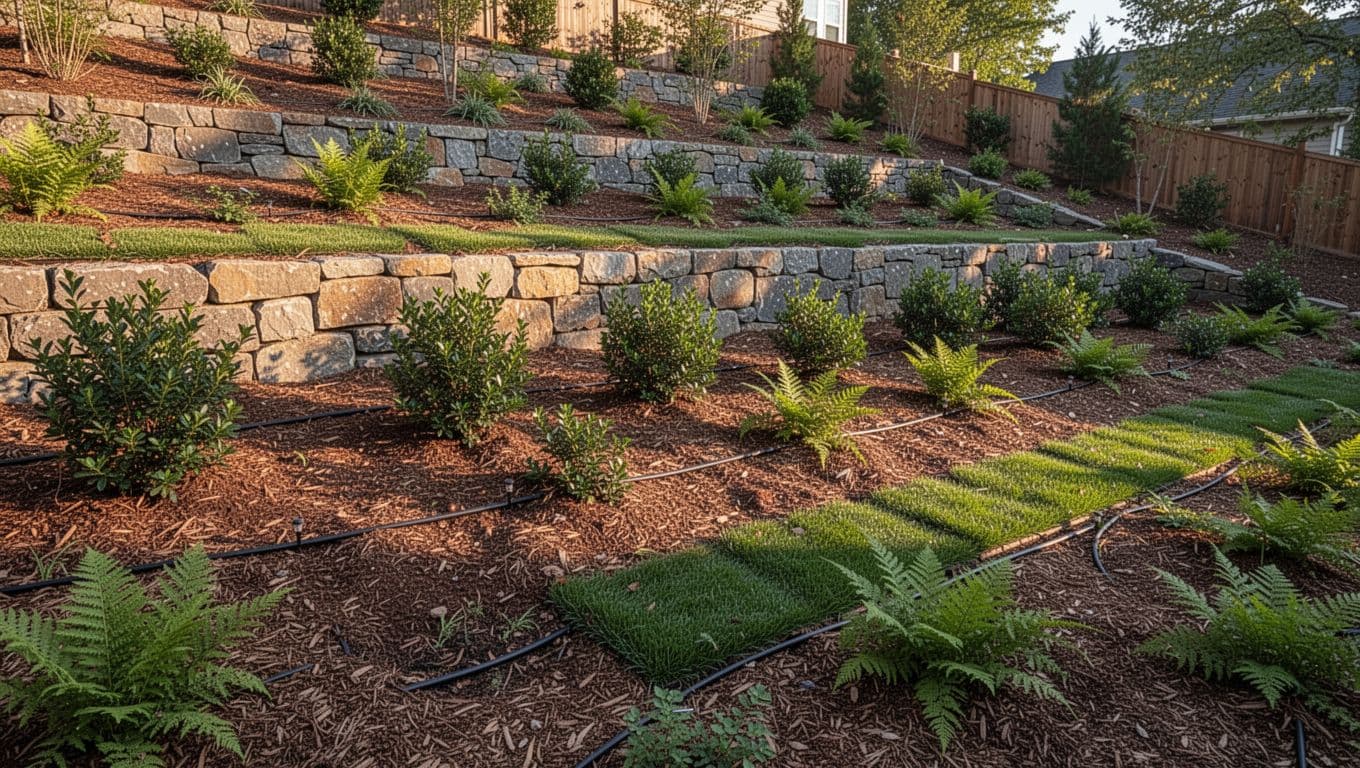
If you want the most accurate number, ask for a site-specific estimate that includes labor, plant material, cleanup, and any prep work. That keeps the final price honest and easier to compare.
Conclusion
Atlanta plant installation pricing looks simple until the yard starts talking back. Clay soil, heat, slope, access, and irrigation all shape the final number.
That is why a small planting job can stay affordable, while a larger design with drainage and bed prep costs much more. The most reliable budget comes from a quote built around your actual property, not a generic chart.
If you're planning a planting project in 2026, the smartest next step is a site-specific estimate that matches your space and your plant goals.