Atlanta Red Thread Guide for Tall Fescue Lawns
A pink tint on tall fescue usually looks worse than it is. If your Atlanta lawn has thin, straw-colored spots with tiny red fibers on damp mornings, red thread is a likely culprit. The good news is that it rarely means the lawn is failing. It usually points to low nitrogen , cool wet weather, and turf that needs better day-to-day care.
That matters in North Georgia, where spring often stays cool and humid longer than people expect. Start with the symptoms, because the fix is easier once you know what you're seeing.
What red thread looks like on tall fescue
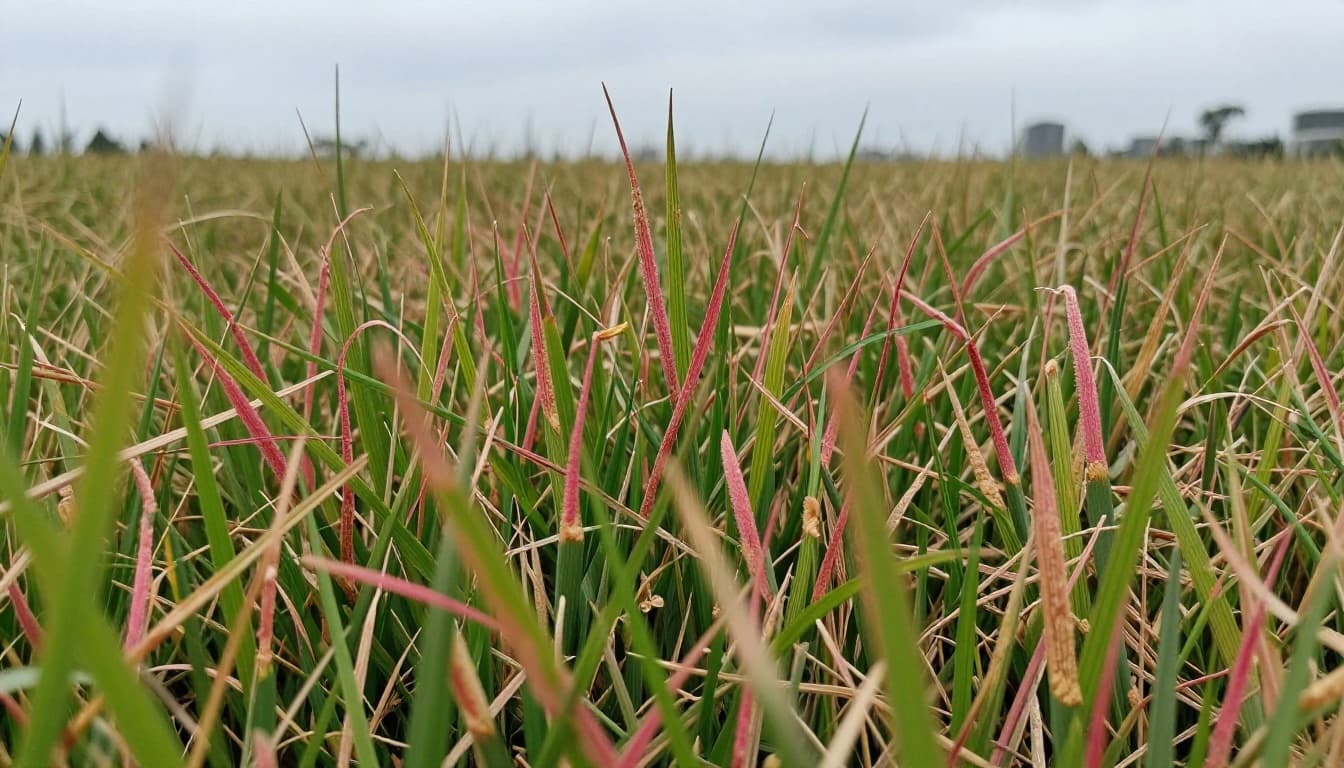
Red thread starts as small, irregular patches. From a distance, the grass looks faded, tan, or pinkish. Up close, the leaf tips may look frayed, and on wet mornings you may see fine red or coral threads sticking out of the blades.
It usually shows up on the leaves, not the roots. That's one reason the lawn often recovers once conditions improve. The damage looks ugly, but the turf is often still alive.
A few clues help separate it from other lawn problems:
- The patches are small and uneven, not large circles.
- The color is pink, tan, or straw-like.
- The red threads show up best when the grass is damp.
- The problem often follows a stretch of cool, wet, humid weather.
If the damage is bigger, darker, or more circular, brown patch in tall fescue may be the better fit. That matters because the fix is not always the same.
Red thread usually points to a lawn that needs more nitrogen and faster drying, not a panic spray.
Why Atlanta lawns get it in spring
Atlanta gives red thread the kind of weather it likes. Cool nights, warm afternoons, dew, and regular spring rain can keep turf wet for long stretches. That is the perfect setup for disease on tall fescue.
Low nitrogen is the other big driver. When a lawn runs short on nitrogen, it loses color and growth rate. That makes it easier for red thread to show up and linger. In other words, weak nutrition and wet weather work together.
UGA's tall fescue lawn management guide notes that turf disease problems often connect to irrigation mistakes and too much or too little nitrogen. That fits Atlanta lawns well. Shade, compacted soil, and poor air flow make the problem worse.
Right now, late spring in North Georgia is a classic red thread window. Nights can stay cool enough for disease, while daytime moisture keeps the canopy damp. That is why a lawn can look fine one week, then patchy the next.
The fixes that matter most
The best response is boring in the best way. Feed the grass well, cut it at the right height, and avoid keeping it wet. Fungicides are a backup, not the first move.
Start with mowing. Tall fescue in Atlanta does best when it stays on the taller side of the range. If you want a practical guide, proper mowing heights for tall fescue can help you avoid scalping. Cutting too low removes leaf area and puts more stress on the plant.
Watering matters just as much. Tall fescue should get deep, less frequent irrigation, not daily sprinkles. If you are unsure about timing, tall fescue watering schedule Atlanta gives a good seasonal reference. The goal is simple, dry the blades faster between waterings.
Air movement helps too. Dense shrubs, tight tree cover, and compacted soil hold moisture. Core aeration improves that situation, especially in fall. If your yard feels hard underfoot, aeration timing for tall fescue is worth reading before the next season starts.
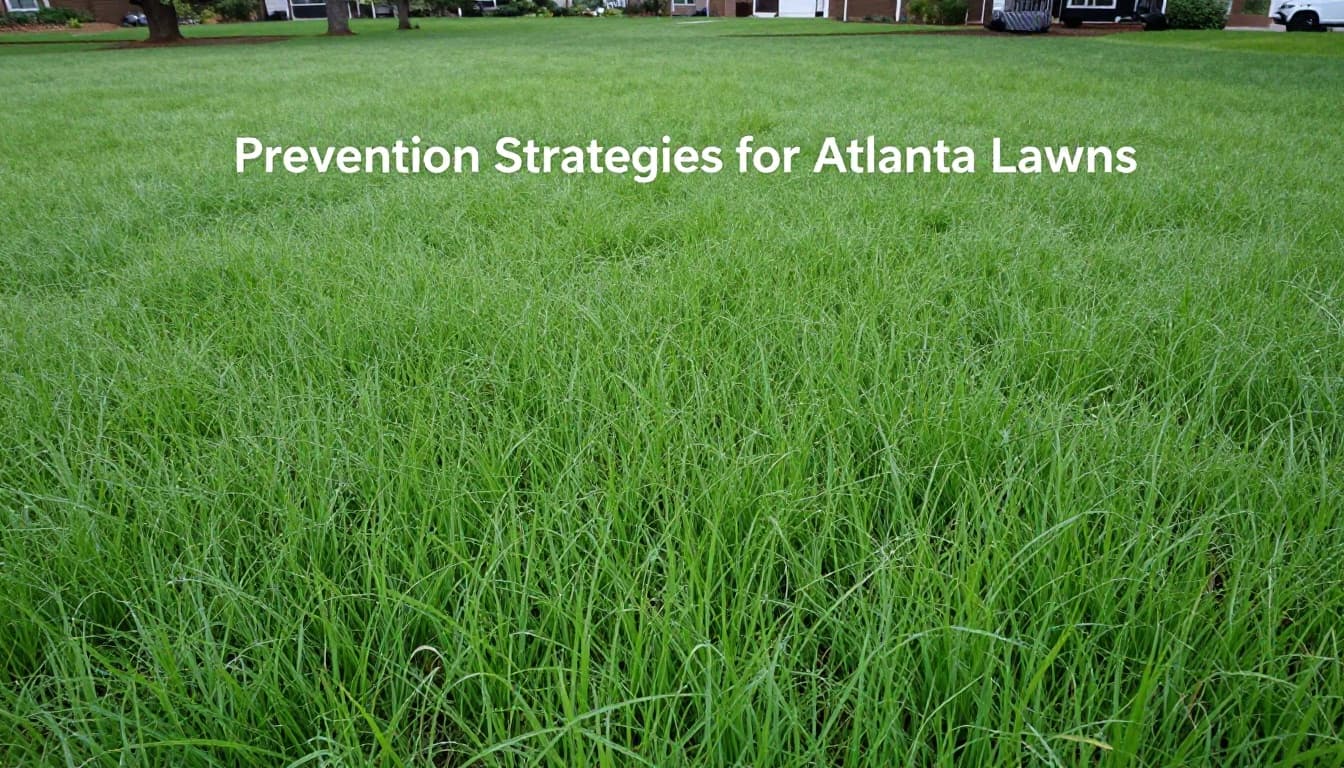
A simple fertilizer plan helps the most. For Atlanta tall fescue, keep nitrogen steady in the cool months and avoid pushing growth in hot weather. A lawn with enough nitrogen can often outgrow mild red thread before you ever need a spray.
Best timing for treatment and prevention in Atlanta
Timing matters because red thread follows weather patterns. In Atlanta, the best window for prevention is late winter through spring, then again in early fall when tall fescue wants to recover.
Here's a quick planning guide:
| Season in Atlanta | What to do | Why it helps |
|---|---|---|
| Early spring | Scout after cool, wet spells and correct low nitrogen if your lawn looks pale | Red thread often starts when turf is hungry and damp |
| Late spring | Keep mowing height high and avoid soggy evenings of irrigation | Faster drying lowers disease pressure |
| Summer | Focus on stress reduction, not heavy nitrogen | Heat adds stress, and overfeeding can create other disease issues |
| Fall | Overseed thin areas, aerate if needed, and build turf density | Strong fall recovery makes spring outbreaks less likely |
That timing also explains why fungicides are usually a second choice. They work best when applied early, while the outbreak is active and weather still favors spread. If the grass is already drying out and improving, a fungicide often adds cost without much payoff.
For most homeowners, the better plan is to fix the lawn conditions first. If a patch keeps spreading in cool, damp weather, then a labeled fungicide may make sense. Even then, it works best alongside better mowing, better drainage, and a more balanced fertility plan.
Helping the lawn recover
Recovery is often faster than people expect. Once the weather shifts and the turf gets the right care, red thread usually fades on its own. Thin spots still need attention, though, because open soil invites weeds.
Fall is the best time to rebuild density on tall fescue. Overseeding works better then because soil and air temperatures support germination. Pair that with aeration if the yard is compacted, especially in high-traffic areas or spots under trees.
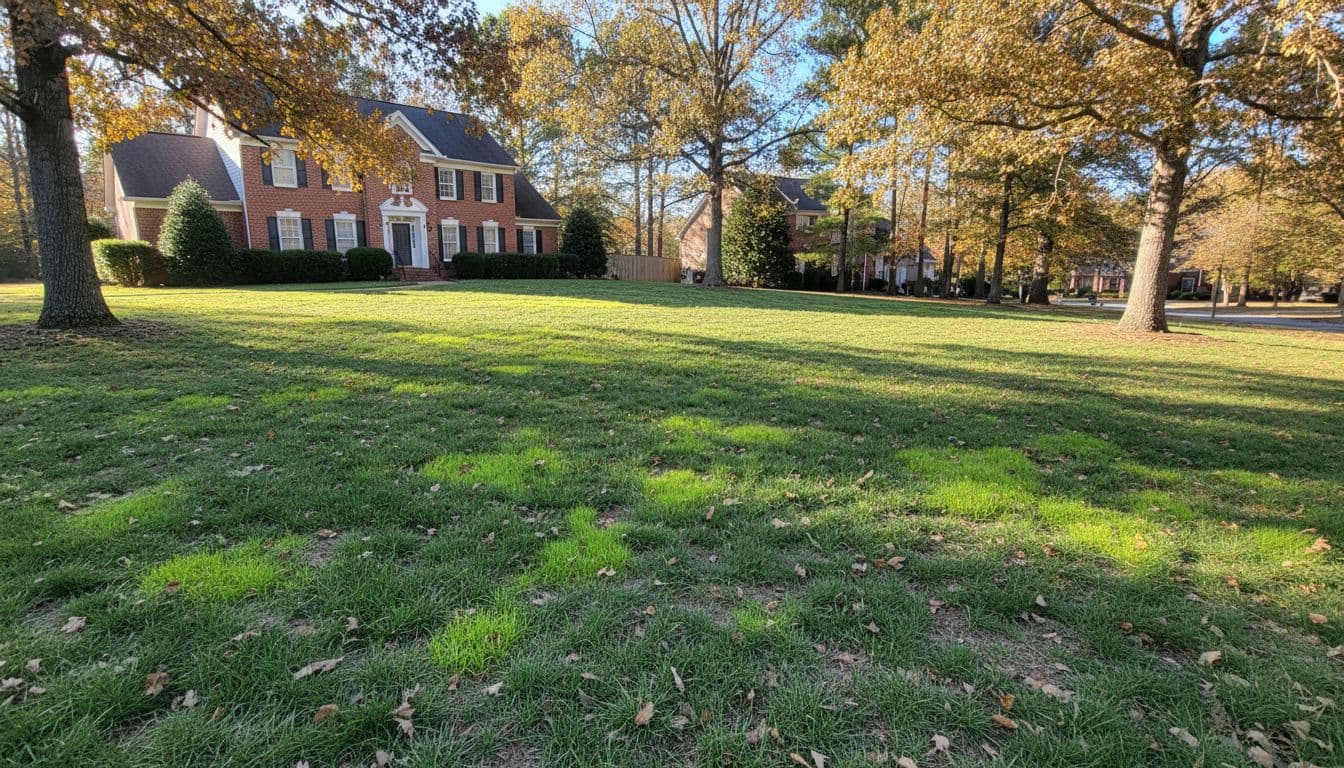
During recovery, keep the seed bed lightly moist until the new grass is established. After that, return to deep watering and a taller cut. If the lawn thins again every spring, the real issue is usually the same one: low nitrogen, too much shade, or wet soil that stays damp too long.
Conclusion
Red thread on Atlanta tall fescue is common, but it's manageable. The pattern usually starts with cool, wet, humid weather and a lawn that needs more nitrogen or better drying time. Once you spot that pattern, the fix becomes clear.
Keep the grass taller, water less often, feed it at the right time, and open up the canopy where moisture lingers. Those steps do more than calm one outbreak, they make the lawn less likely to repeat it next season.
A healthy tall fescue lawn in Atlanta wins this battle with steady care, not panic.