Atlanta Brown Patch Guide For Tall Fescue Lawns

RW Lawn Co • March 23, 2026

Share this article

If your fescue looks burned out by early summer, don't assume it just needs more water. In Metro Atlanta, atlanta brown patch often shows up when nights stay warm, humidity lingers, and afternoon storms keep the lawn damp. The result can look like drought, but the fix is different.

The good news is simple: brown patch responds best to early action and better lawn habits. The hard part is timing. Once Atlanta settles into hot, sticky weather, tall fescue is already stressed, so prevention matters more than heroics.

Why Atlanta summers trigger brown patch in tall fescue

Brown patch is one of the most common tall fescue diseases in Georgia. It thrives when nighttime temperatures stay above 60 degrees, the lawn stays wet for hours, and the canopy gets thick. In Atlanta, that mix is common from late spring through summer.

Tall fescue is a cool-season grass trying to survive a Southern summer. Add heavy dew, evening irrigation, or back-to-back rain, and the lawn can act like a damp sponge. Brown patch likes that setup.

Common mistakes make it worse: heavy spring nitrogen, low mowing, and night watering. Lawns with poor airflow or thatch also stay damp longer.

UGA turf guidance keeps pointing to the same lesson: prevent it early. There isn't a tall fescue type that reliably shrugs brown patch off every Atlanta summer.

How to tell brown patch from drought, scalping, or dog spots

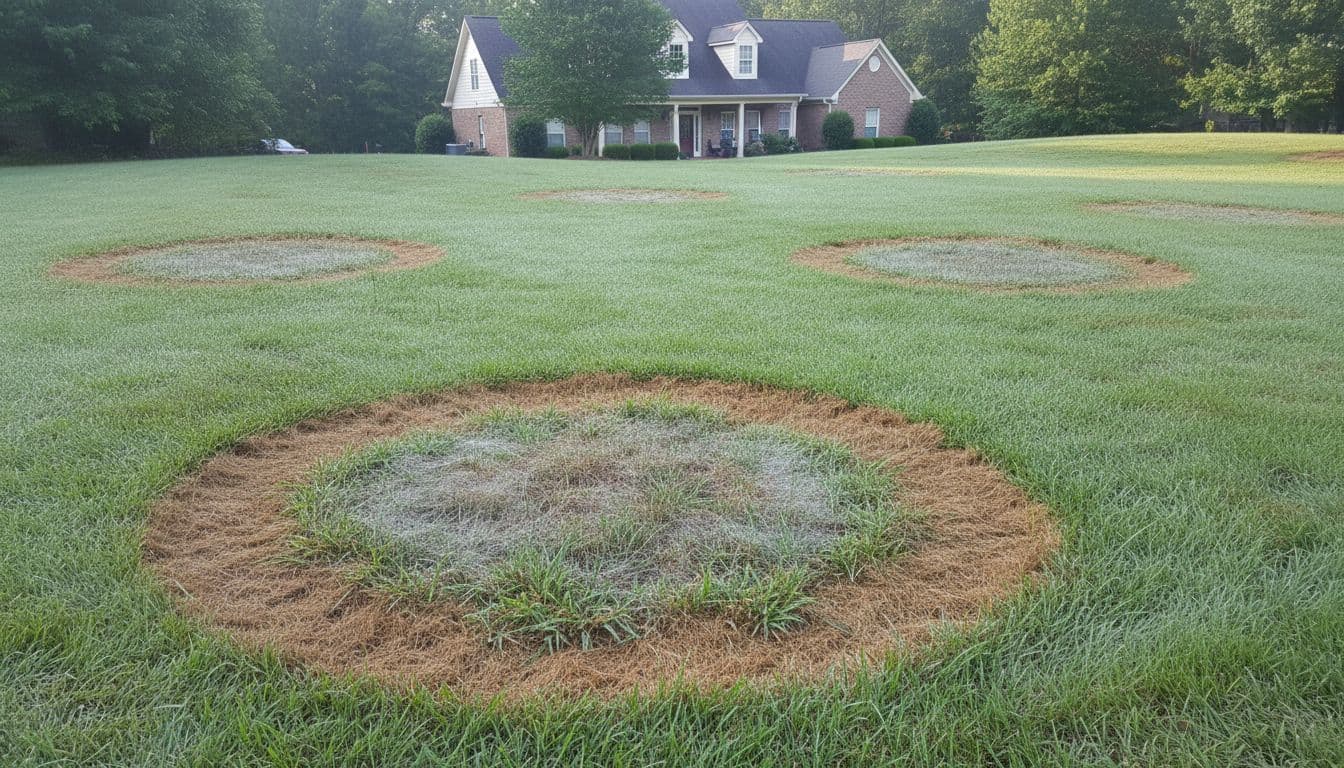
Brown patch usually forms round or uneven patches that can grow from a few inches wide to several feet across. In humid mornings, you may notice a gray, smoky look on affected leaves. In Georgia, symptoms often become obvious around May, then keep spreading through warm, wet weather.

Dry spots usually improve after a deep morning watering. Scalping follows mower tracks or high spots. Dog urine tends to make smaller, random patches. Brown patch, by contrast, shows up when heat and moisture overlap and often leaves a ringed, patchy look.

Treat the cause, not the color. A brown lawn isn't always a thirsty lawn.

Step-by-step treatment for an active outbreak

Realistic expectations matter here. A fungicide can slow or stop new disease activity, but it won't turn dead blades green overnight. In Atlanta heat, mature fescue often waits until cooler weather to look good again.

  1. Confirm the pattern. Look for circular or spreading patches during warm, humid weather. Compare the area to irrigation coverage, mower tracks, and pet traffic first.
  2. Change watering right away. Water only in the early morning. Deep, infrequent irrigation beats light daily watering.
  3. Raise mowing height. Tall fescue handles summer better at the high end of its range. Keep the blade sharp and mow only when the grass is dry.
  4. Pause nitrogen. Don't push fertilizer during an outbreak. Extra summer nitrogen can keep the disease moving.
  5. Apply a labeled fungicide early. Choose a product labeled for brown patch on tall fescue and follow the label exactly. Georgia research shows several fungicide groups can work, but timing is the key.
  6. Repeat only as directed. Many products protect for about 2 to 4 weeks. If warm, wet weather continues, another application may be needed.

If the lawn is less than a year old, move faster. Young fescue can thin badly in severe outbreaks. Older lawns usually survive, but they may look rough until fall, and that's a normal part of summer recovery.

Prevention first, because summer is not the time to catch up

Brown patch is a lot like a roof leak. By the time you see the stain, the problem has been building. Prevention keeps the lawn from staying wet, weak, and overfed.

A short seasonal checklist helps:

  • Spring, March to April : Avoid heavy nitrogen before hot weather. Follow proper mowing heights for tall fescue so the lawn has more leaf area without turning into a damp mat.
  • Late spring, May to June : Once nights stay warm, switch fully to morning watering. If your yard gets brown patch every year, this is the time to talk with a lawn pro about preventive fungicide timing.
  • Summer, June to August : Mow only when dry, keep traffic low on stressed areas, and skip quick-release fertilizer. If thinning invites weeds, wait until the lawn settles, then use a tall fescue weed control calendar that won't pile on more stress.
  • Fall, September to October : Repair thin spots, improve drainage, and seed if needed. Fall is when tall fescue finally has the weather to recover.

When to call a lawn professional

Some lawns need more than a store-bought fungicide. Call for help if patches keep expanding after treatment, the yard has mixed problems like shade plus drainage, or you can't tell disease from drought. It's also smart to bring in a pro if the lawn is new or the damage is widespread.

A good diagnosis saves money. So does fixing the real cause, whether that's irrigation timing, mowing stress, or a thick wet canopy.

Brown patch doesn't mean your fescue lawn is done for. In most Atlanta yards, it means the lawn got caught in the wrong mix of heat, humidity, and moisture . Correct the conditions, treat early when needed, and give the grass time to recover so it has a better shot at making it to fall in one piece.

By RW Lawn Co March 22, 2026
A retaining wall can fix a slope, stop washout, and turn a hard-to-use yard into usable space. It can also cost more than expected once drainage, clay soil, and permits enter the picture. For most Metro Atlanta homes, atlanta retaining wall cost usually falls between $40 and $...
By RW Lawn Co March 21, 2026
Chamberbitter can make a good-looking Atlanta lawn seem thin and weedy in a hurry. It shows up in warm weather, hides under regular mowing, and drops seed fast. The good news is that chamberbitter control usually comes down to a few basics, catch it early, thicken the turf, cu...
SHOW MORE