Atlanta Storm Cleanup Cost Guide for 2026
After a storm, the cleanup bill can move fast. If you're trying to estimate storm cleanup cost in Atlanta for 2026, the real answer depends on debris volume, tree damage, access, and whether the job needs hauling or hazardous work.
A small pile of limbs is one thing. A yard full of downed branches, fence panels, and roof debris is another. The difference can be hundreds or even thousands of dollars, so a realistic estimate matters before you book a crew.
What drives the storm cleanup bill
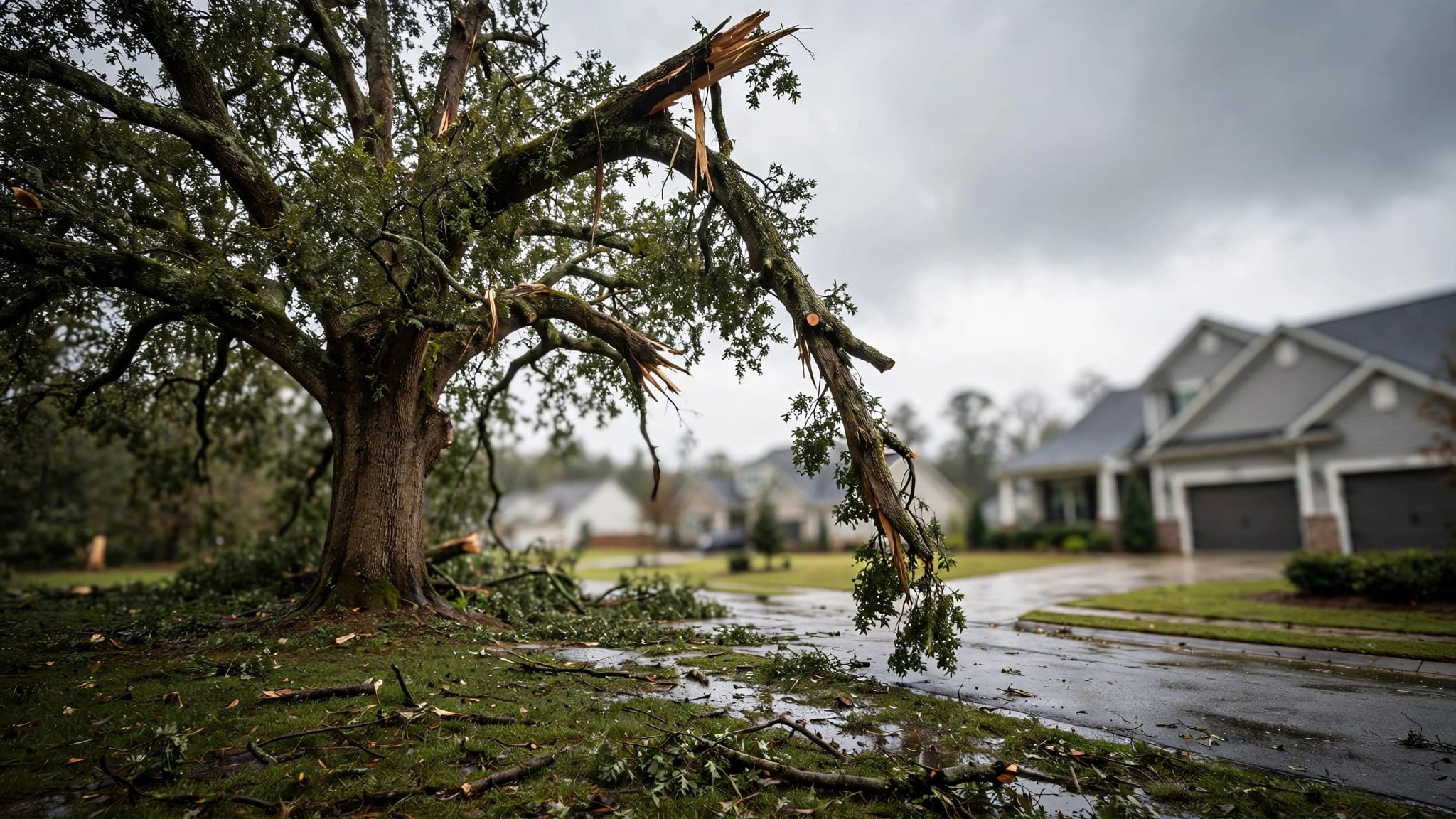
Most storm cleanup quotes start with the same question, how much material needs to move. A few limbs on a flat lawn is a short job. Fallen trees, wet leaves, and broken fencing take more labor, more equipment, and more disposal space.
Several factors usually shape the price:
- Debris volume : More material means more load time and more dump trips.
- Storm severity : Heavy wind or saturated soil can bring down bigger limbs and whole trees.
- Accessibility : Narrow side yards, steep grades, fences, and long carry distances slow everything down.
- Tree removal : Cutting and removing a tree costs more than clearing branches.
- Hazardous cleanup : If debris is mixed with glass, nails, or damaged roofing, the job gets slower and riskier.
If the mess is mostly light yard debris, a seasonal cleanup may be enough. In that case, spring and fall clean-up services Atlanta can sometimes cover part of the work, especially after a smaller storm that leaves leaves, twigs, and broken branches behind.
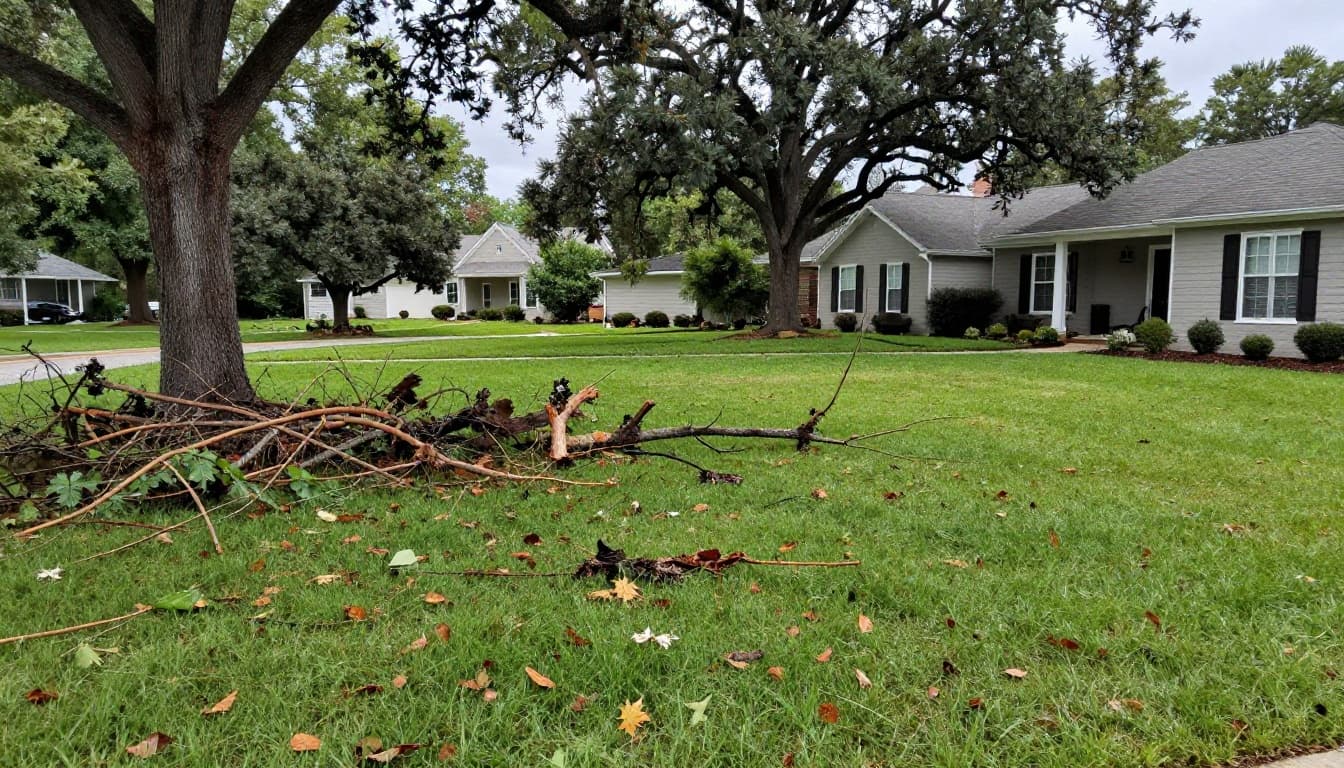
The main point is simple, crews price the work they can see and the work they expect. A quote based on a quick look from the street is often too thin to trust.
A low bid can hide hauling, dump fees, and extra cutting. Those costs show up later if the estimate wasn't detailed.
Realistic Atlanta price ranges for 2026
Atlanta cleanup pricing usually falls into a few patterns. Some crews charge hourly. Others quote by lot size or by the scope of work. For storm debris, the mix of labor and hauling usually matters more than the yard itself.
Here's a practical range to use as a starting point.
| Job type | Typical 2026 range | What it usually includes |
|---|---|---|
| Small yard cleanup | $167 to $358 | Light limbs, leaves, and basic hauling |
| Quarter-acre cleanup | $215 to $467 | Moderate debris on a standard lot |
| Half-acre cleanup | $410 to $900 | Larger debris loads and longer labor time |
| One-acre cleanup | $833 to $1,700 | Heavy pickup, loading, and disposal |
| Hourly labor | $45 to $95 per hour | Small to mid-size cleanup work |
| Major storm cleanup | $1,500 to $5,000+ | Large tree damage, roof debris, or hard access |
For a typical Atlanta home, a normal cleanup often lands around the low hundreds. A larger yard with multiple fallen limbs can move past $1,000 once hauling starts. If the storm damaged a roof, driveway, or outbuilding, the bill climbs faster.
The crew also needs time to load debris. That matters more than many homeowners expect. Two people can clear a small backyard much faster than a tangled fence line with wet wood and mud.
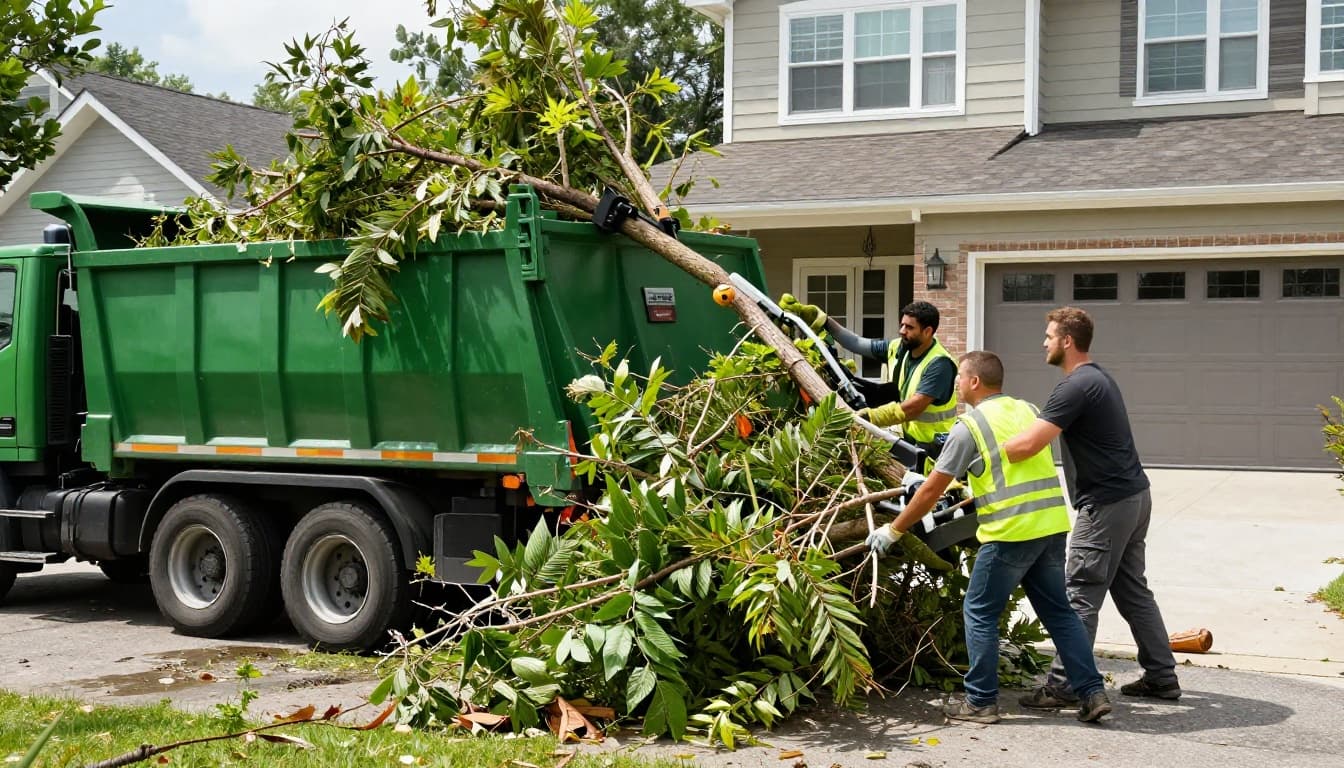
If your storm cleanup also includes broken furniture, construction scraps, or mixed junk, Atlanta yard debris hauling may be the better fit. Mixed debris often needs a different truck setup and a different disposal plan.
Why some quotes jump fast
A cleanup quote can rise quickly when the job stops being simple yard work. One large branch across a roofline is enough to change the plan. A full tree on soft ground can change it even more.
The biggest price jumps usually come from these conditions:
- Large limbs or trunks that need cutting before loading.
- Damage near roofs, gutters, or windows that slows the crew down.
- Wet or muddy ground that makes equipment less efficient.
- Hidden debris tucked behind fences, decks, or sheds.
- Safety concerns near power lines or unstable trees.
If a crew needs a chainsaw, a chipper, or a bucket truck, expect the quote to rise. If the debris is piled neatly at the curb, the job usually costs less.
Atlanta property owners also see price jumps after major storm days because schedules fill up fast. Crews spend more time on the road, more time waiting at dump sites, and more time sorting material. That extra friction gets built into the estimate.
If a quote sounds unusually low, ask what it does not include. Hauling, cutting, and disposal are the usual missing pieces.
For managed properties, a clear scope helps a lot. An HOA or apartment manager can compare cleanup bids more easily when the crew knows the common-area layout. A resource like Atlanta HOA landscape maintenance checklist can help you organize what needs attention before the crew arrives.
Atlanta fees, access, and timing matter more than people think
Atlanta has its own cost factors. Disposal fees, curb access, and neighborhood layout all affect the final number.
Some single-family homes can use city bulk pickup for smaller debris loads, which helps with minor cleanup. That option works best for light material, not for major storm damage. Once the pile gets large, private hauling is usually faster and more practical.
Neighborhood access is another real cost driver. Older intown streets can limit truck parking. Narrow driveways can slow loading. Gated communities can add delays at the entrance. Hillside lots and deep backyards also take longer because crews carry debris farther.
Seasonal demand matters too. Spring and late summer storms bring a rush of calls. After a major weather event, same-week pricing can rise because crews are booked solid. If you wait, the schedule gets tighter and the estimate may reflect the rush.
Atlanta tree work can also bring permit questions. If the cleanup involves a damaged tree near the street or a protected tree, the work may need extra review before removal. That doesn't mean every storm job needs a permit, but it does mean the contractor should know the rules before starting.
If the work looks more like a big haul than a yard cleanup, junk hauling and demo services Atlanta may be the cleaner option. That route makes sense when storm debris includes fencing, shed pieces, or other mixed material.
Insurance timing and getting a cleaner estimate
If you plan to file an insurance claim, timing matters. Take photos before anything gets moved. Once debris is hauled away, it's harder to show the full scope of the damage.
A good estimate should separate the main parts of the job. Cleanup, hauling, tree cutting, and emergency repairs should not all be hidden in one number. That way you can see where the money goes and compare bids more fairly.
For homeowners and property managers, an on-site estimate is usually the safest path. Photos help, but a live walk-through gives a better read on slope, access, debris depth, and hidden damage. A crew can also spot issues that aren't obvious from the curb, like buried limbs, broken edging, or limbs caught in utility lines.
A few details help the estimate stay accurate:
- The size of the lot and the rough size of the debris pile.
- Whether the debris is mostly leaves and limbs, or includes large trunks.
- Whether trucks can reach the pile easily.
- Whether the job needs urgent cleanup before more rain hits.
- Whether the work is for one home, a rental, or a shared property.
The best quote is rarely the fastest one. It's the one that reflects the actual mess, the actual access, and the actual haul away cost.
Conclusion
Storm cleanup in Atlanta can stay manageable when the job is light and access is easy. It gets expensive when debris is heavy, tree removal is involved, or the property makes hauling difficult.
For 2026, a realistic budget starts in the low hundreds for smaller cleanups and can move into the thousands after severe damage. If you want a number you can trust, ask for an on-site estimate and make sure the quote covers hauling, disposal, and any cutting work. That gives you a far better picture than a quick guess after the clouds clear.