Atlanta Dallisgrass Control Guide for Bermuda and Zoysia Lawns
If a coarse, fast-growing clump keeps sticking up above your lawn, there's a good chance it's dallisgrass . In Metro Atlanta, this weed loves heat, clay soil, and thin turf. It shows up in Bermuda and Zoysia, then hangs on longer than most homeowners expect.
The short version is simple. Good dallisgrass control atlanta results come from correct ID, spot treatment, and repeat timing . One rushed spray usually won't finish it, and the wrong product can set back your lawn more than the weed.
How to spot dallisgrass before you treat it
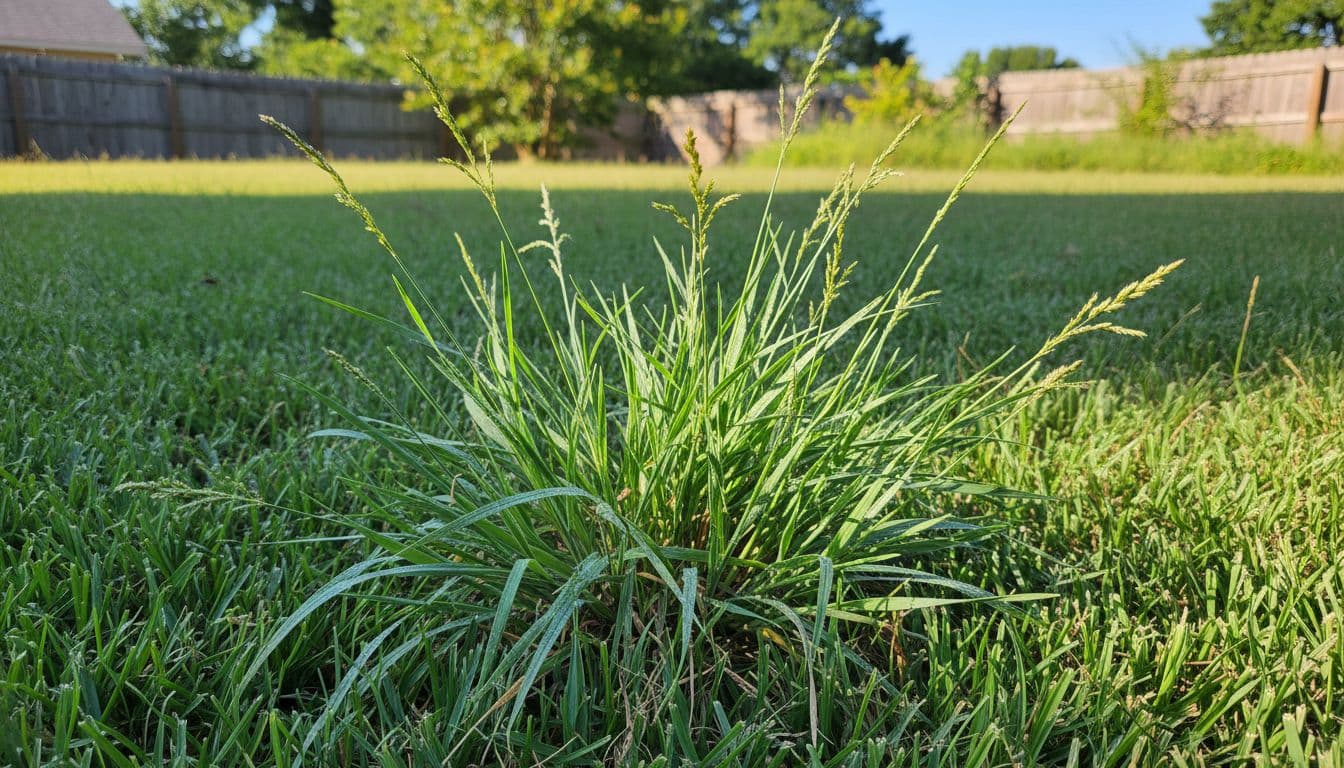
Dallisgrass doesn't blend in well once you know what to watch for. It grows in upright clumps, not low mats. The blades are wider and rougher than Bermuda, and usually coarser than Zoysia too. As the plant matures, seed stalks rise above the lawn with several finger-like seedheads.
A quick clue is how fast it rebounds after mowing. Bermuda and Zoysia look trimmed and even. Dallisgrass often looks shaggy again within days, like it never got the message.
It also tends to favor problem areas. Think compacted soil, edges that stay wet, or places where turf is thin. If that sounds familiar, this related guide on Atlanta doveweed control for Bermuda and Zoysia can help with the moisture side of the problem too.
Before spraying, make sure it isn't crabgrass, goosegrass, or another grassy weed. That matters because product choices change fast once the ID changes.
Dallisgrass is a perennial clump weed. Most lawns need more than one application for full control.
Digging can work on a few small clumps. Get the whole crown, then refill the hole with soil or sand. For larger patches, selective spot treatment is usually the better path.
Best treatment windows in Atlanta, and why Bermuda and Zoysia aren't the same
Timing makes the biggest difference. In Atlanta, the best window is usually late spring through early fall , when dallisgrass is actively growing. Summer is often the main treatment season. Early fall can also be strong because the weed is still active and moving energy down into the plant.
Spring can work, but keep it light. During green-up, both Bermuda and Zoysia are waking up, and heavy herbicide use can slow recovery.
This quick comparison keeps expectations realistic:
| Lawn type | Typical tolerance | Main caution |
|---|---|---|
| Bermuda | Usually tolerates more selective options during active growth | Avoid heavy treatment during green-up, drought, or scalp stress |
| Zoysia | Often needs a more careful, lighter approach | Can yellow or thin more easily, and recovery is slower |
That difference is why blanket advice causes damage. Products commonly used for warm-season grassy weeds, such as Celsius WG or Tribute Total , may fit many Bermuda and some Zoysia lawns, but only where the current label allows it for your exact turf. Bermuda usually has a wider margin. Zoysia often needs extra caution, especially with cultivar differences and spring transition stress.
Quinclorac may help suppress some grassy weeds where labeled, but it isn't a magic fix for mature clumps. Meanwhile, non-selective options like glyphosate belong only in careful spot work on fully dormant turf. If any desirable grass is green, skip that route unless a pro is handling it.
For broader seasonal timing, RW Lawn Co's Atlanta post-emergent weed control calendar is a useful planning tool.
If the lawn is stressed, treat the stress first. Herbicide on a struggling lawn often creates two problems.
A step-by-step dallisgrass treatment plan that fits warm-season lawns
Start by mowing normally, not extra low. You want enough leaf surface for the weed to take in the spray, but you don't want seedheads towering over the yard either. Then wait a day or two before treatment if the product label calls for it.
Next, spot-spray only the clumps. Don't blanket the whole lawn unless the label clearly supports that use and the infestation truly calls for it. Most homeowners get better results by treating patches and checking them again in two to three weeks.
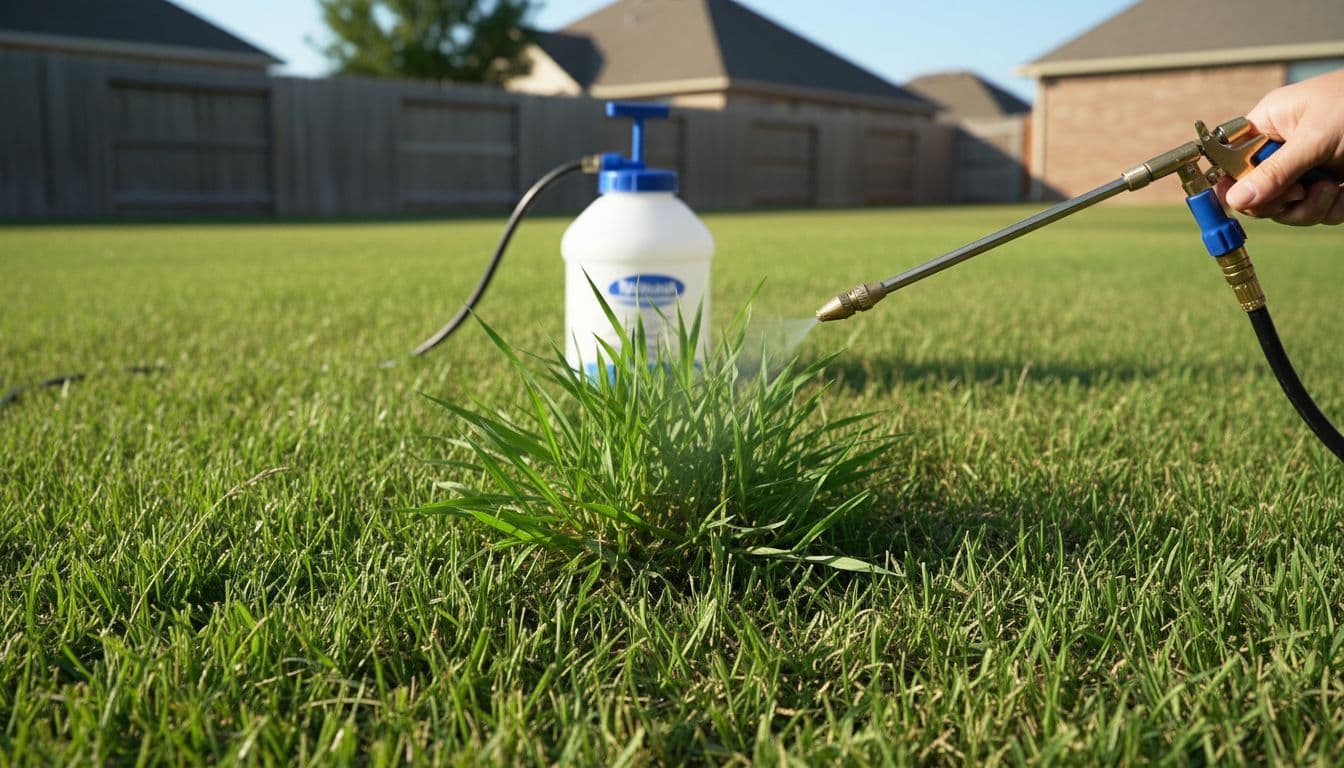
Use this order:
- Confirm the weed and turf type . Mixed lawns need extra care.
- Read the current label for Bermuda or Zoysia tolerance, temperature limits, surfactant needs, and reapplication timing.
- Spray during active growth on a mild day, not during drought or extreme heat.
- Mark treated clumps so you can judge progress honestly.
- Repeat as labeled , because complete control often takes two or more applications.
Signs the treatment is working usually show up in stages. First, growth slows. Then the clump loses color, seedheads stop pushing, and the center begins to thin. That's progress, even if the plant doesn't disappear in one week.
Call a professional if the weed covers large sections, your lawn type is unclear, or you're thinking about dormant spot treatment with a non-selective herbicide. Those are the moments when caution saves money.
Common mistakes, plus how to help your lawn fill back in
The biggest mistake is chasing speed. Dallisgrass is stubborn, so people spray too much, too hot, or too often. That usually burns turf without solving the root problem.
Other common missteps include mowing too low, watering too often, and ignoring compaction. Dallisgrass loves a weak opening. If Bermuda or Zoysia stays thin, the weed usually returns.
After treatment, focus on recovery. Water deeply but not every day. Keep mowing at a steady height. Avoid pushing heavy nitrogen onto a stressed lawn right away. Let the turf resume active growth, then feed it based on season and need.
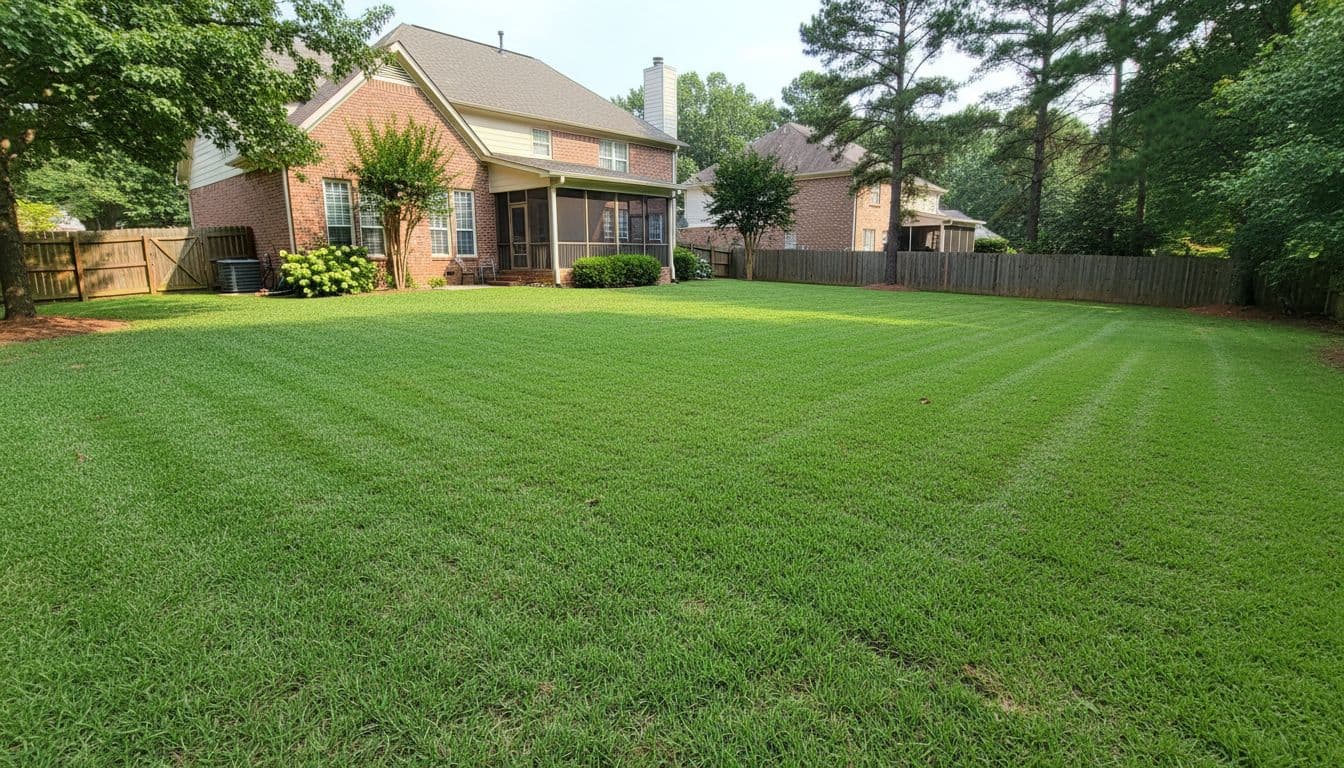
Bermuda usually fills bare spots faster than Zoysia. Zoysia often needs more patience, and in larger damaged areas, plugs or sod may be the cleanest fix.
If your lawn also fights winter weeds, a fall plan matters too. This guide to annual bluegrass control in Metro Atlanta helps explain how seasonal weed pressure stacks up in Bermuda and Zoysia.
Conclusion
Dallisgrass doesn't take over because your lawn is doomed. It takes over because the timing, stress level, or treatment plan is off. With patience , careful spot work, and better turf density, most Atlanta homeowners can get it under control. If the lawn is mixed, badly infested, or close to green-up, bringing in a local pro is often the safer move.