Atlanta Dollar Spot Guide for Bermuda and Zoysia Lawns
If your lawn suddenly looks like someone flicked straw-colored coins across it, atlanta dollar spot may be the reason. Around Metro Atlanta, this disease likes the same patterns homeowners struggle with most, warm days, cool nights, heavy dew, and grass that stays wet too long.
That's why it often shows up in spring and fall, then hangs around during humid stretches if the lawn is stressed. On Bermuda and Zoysia, the fix starts with good ID, then steady cultural changes, and only then a fungicide plan if the damage keeps moving.
What atlanta dollar spot looks like on Bermuda and Zoysia
In late March around Atlanta, conditions are often just right for dollar spot. Days warm up, nights cool off, and leaf blades stay damp into the morning. That overnight leaf wetness matters as much as rain.
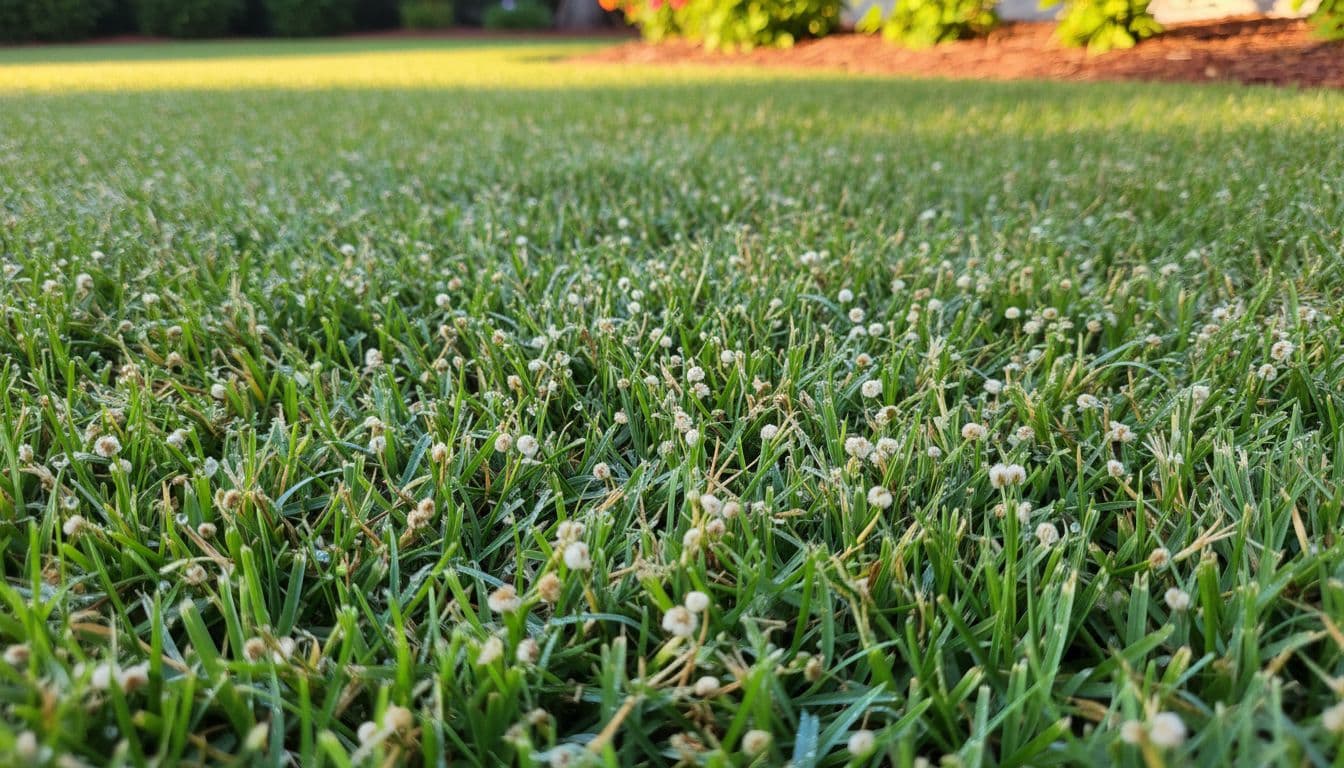
Dollar spot, caused by Clarireedia jacksonii , usually starts as small bleached patches about 1 to 2 inches wide on closely mowed turf. On a home lawn, those little spots can merge and make the yard look thin or faded. Early in the morning, you may even spot fine white fungal growth before the sun burns it off.
Up close, the leaf blades tell the real story. Look for hourglass-shaped lesions , a pale center, and a reddish-brown border. If you inspect only the dead center of a patch, you'll miss the clue. Pull blades from the outer edge instead.
Bermuda and Zoysia don't always show it the same way. If you're still sorting out your grass type, this guide to Bermuda vs Zoysia for Atlanta lawns helps.
Here's the quick side-by-side view:
| Grass type | Common dollar spot look | Recovery pattern |
|---|---|---|
| Bermuda | Small tan or bleached spots that can spread fast in low-nitrogen, closely mowed turf | Usually rebounds faster in warm weather |
| Zoysia | Similar small spots, but lesions can stand out more on thicker blades | Often recovers slower, especially in shade or thatchy areas |
Bermuda usually bounces back quicker once growth is strong. Zoysia tends to hold the damage longer, which makes the lawn look worse even after the disease slows down.
How to tell dollar spot from brown patch, drought stress, pet damage, and scalping
Atlanta lawns don't come with labels, and several problems can look guilty at first glance. The main difference is pattern plus leaf symptom .
Brown patch usually creates larger circles, often 1 to 3 feet wide, not silver-dollar-sized spots. It also tends to flare during hot, sticky nights when the canopy stays damp. Dollar spot stays smaller at first, then merges. If your Zoysia has big spring or fall rings instead, review this guide on identifying dollar spot vs brown patch in Atlanta turf.
Drought stress looks different once you slow down and inspect it. The area is usually more irregular, the blades feel dry or crispy, and footprints may linger after you walk through it. You won't see neat lesions on the leaves.
Pet damage often leaves a small dead spot with a dark green ring around it. That green edge is a giveaway. Dollar spot does not usually make that halo.
Scalping is even easier to misread. It often follows mower tracks, high spots, or uneven grade. The grass looks shaved too short, not infected. Torn tips, exposed stems, and a pattern that matches the mower path point to mechanical stress, not fungus.
A simple rule helps: small spots plus clear leaf lesions suggest dollar spot, while large circles, mower lines, or a green urine ring point somewhere else.
If your lawn has bumpy clay high spots that keep getting cut too low, that problem may be feeding the stress. In that case, lawn leveling for Bermuda and Zoysia in Atlanta can help reduce repeat scalping.
What actually helps, cultural fixes first, then fungicides if needed
Dollar spot loves a lawn that's hungry, damp, and stressed. So the first move is not panic spraying. It's fixing the setup that keeps inviting it back.
Start with morning-only irrigation . Water deeply, then let the leaf dry fast. Evening watering is like leaving the porch light on for fungus. In Atlanta, long dew periods already do enough damage, so don't add extra nighttime moisture.
Next, check mowing height. Bermuda and Zoysia both suffer when cut too low, especially during summer stress or spring transition. Use a sharp blade, avoid scalping, and keep the height steady. A lawn that's cut clean and not rushed has a better shot at growing through minor damage.
Nitrogen matters more than many homeowners expect. Dollar spot often flares when turf is underfed. That doesn't mean dumping fertilizer in one heavy shot. It means restoring balance. If your lawn care timing has been off, this Atlanta fertilizer schedule for Bermuda Zoysia is a useful baseline.
Thatch, poor airflow, and shade also raise pressure. Thin tree canopies where practical, trim dense shrubs near the lawn edge, and reduce thatch during the proper growing window. Zoysia, in particular, can hold moisture low in the canopy like a damp sponge.
If the disease keeps spreading after those corrections, a labeled fungicide may be worth using. Homeowners often see products built around active ingredients such as chlorothalonil or propiconazole for dollar spot. Keep the approach high level and safe: follow the label exactly , rotate modes of action when repeat treatments are needed, and check Georgia extension guidance if you're unsure. Don't guess your way through a fungicide program.
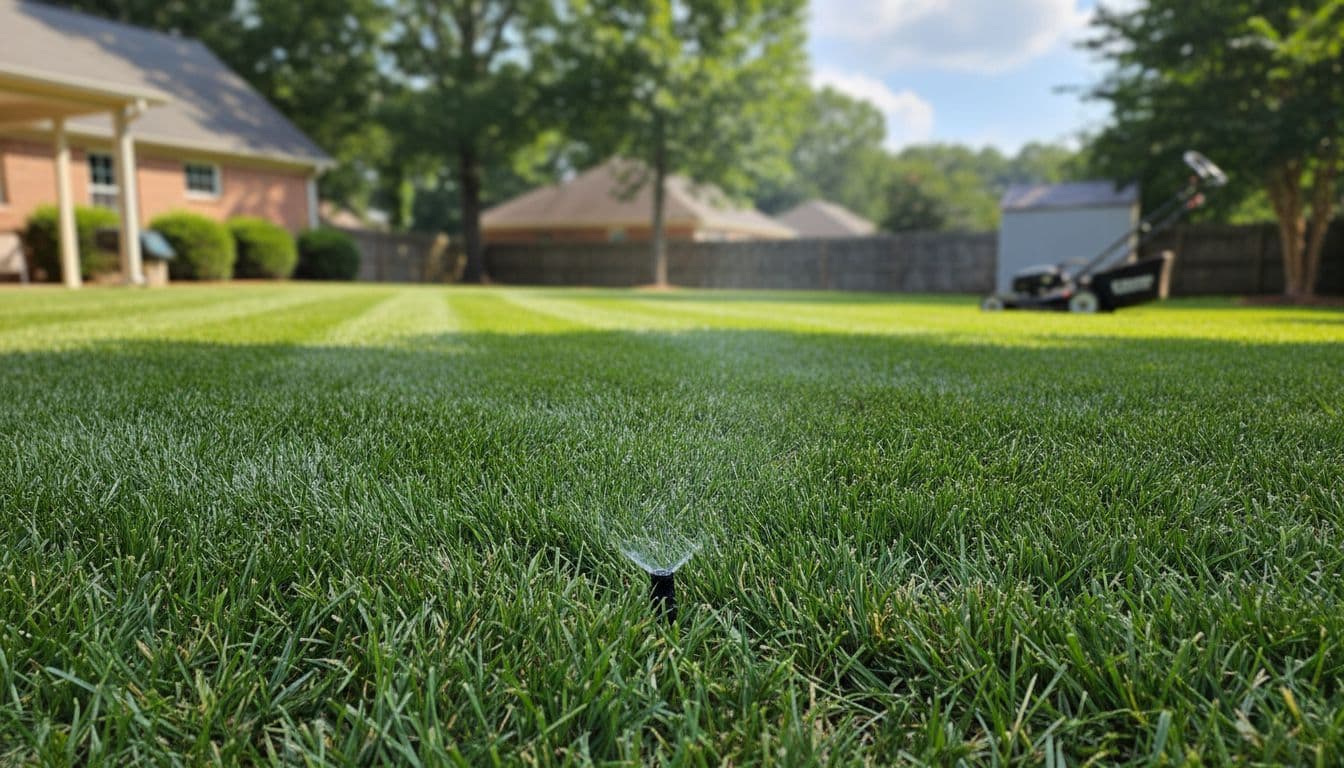
In many cases, recovery starts once the lawn resumes healthy growth. Bermuda often fills faster. Zoysia usually needs more patience.
Conclusion
Atlanta dollar spot is common, but it's also manageable when you diagnose it early and stop feeding the conditions that favor it. Small spots, hourglass lesions, morning moisture, and low nitrogen usually tell the story. Fix watering, mowing, airflow, thatch, and fertility first, then use a labeled fungicide only when the disease keeps advancing. A lawn that dries faster and grows steadily is much harder for dollar spot to push around.