Atlanta St Augustine Lawn Care for Shady Yards
If your backyard feels like a green room under tree limbs, St. Augustine can sound like the easy fix. For Atlanta St Augustine lawn care , the truth is narrower. It can work well in bright shade and part sun, but it won't save every dark yard.
That matters in Metro Atlanta because St. Augustine sits near the edge of its comfort zone. Our hot, humid summers help it grow, yet winter cold, wet shade, and disease pressure can knock it back fast. Match the grass to the site first, then build your care plan around the seasons.
Where St. Augustine actually works in Atlanta shade
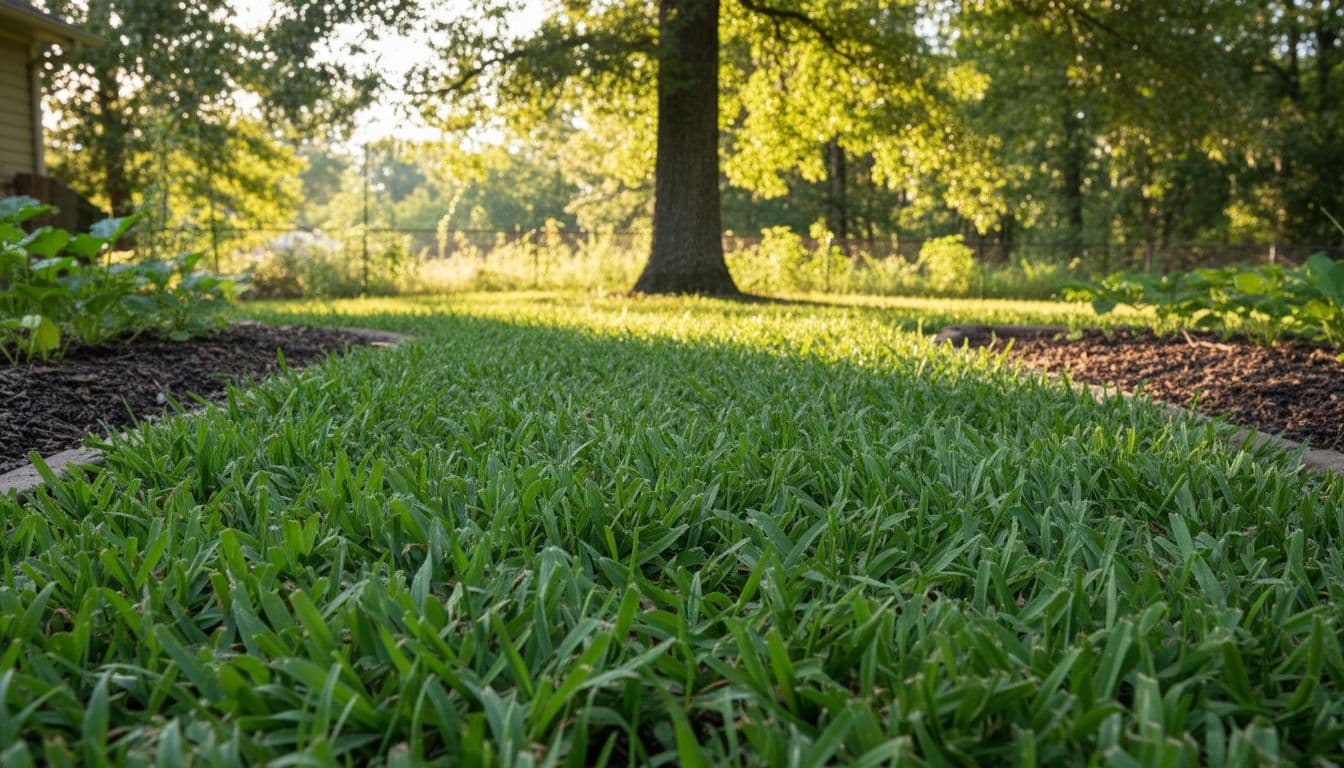
St. Augustine is the most shade-tolerant warm-season lawn grass most homeowners look at. That's why it often handles tree cover better than Bermuda. Still, Atlanta is in the transition zone, so this grass has less room for error than it does farther south.
UGA Extension and other southeastern turf guides treat it as a partial-shade option, not a deep-shade cure. In real yards, it performs best with 4 to 6 hours of sun, or bright filtered light for much of the day. Morning sun helps the most because the lawn dries faster after dew and summer rain.
Drainage also matters. A shady spot that stays damp becomes a fungus magnet. Add heavy clay soil, and roots struggle even more. If water stands after storms, fix that first or skip turf there.
Planting time makes a big difference too. Install St. Augustine by sod or plugs, not seed, after the soil warms in late spring or early summer. That gives roots time to spread before winter. Also, ask for a cultivar sold for better cold tolerance in north Georgia, because some types struggle badly after hard freezes.
The bottom line is simple. If the yard gets decent filtered light, has airflow, and drains well, St. Augustine can look full and rich. If the site is dark, wet, and boxed in by trees, it usually turns into an expensive experiment.
Seasonal care tips for shady Atlanta St. Augustine lawns
Shade slows growth, so every care choice carries more weight. Feed too much, mow too low, or water at the wrong time, and problems show up quickly.
Spring
Wait for active growth before you fertilize. Early feeding on a half-dormant lawn pushes tender top growth before roots are ready. A soil test helps keep guesswork out of the plan.
Once green-up is underway, mow high. In shady areas, about 3 to 3.5 inches is a safer target. Taller blades catch more light, which helps the lawn make food in low-light spots. If you want a local reference point, these recommended mowing heights for warm-season lawns in Atlanta are a good baseline.
Summer
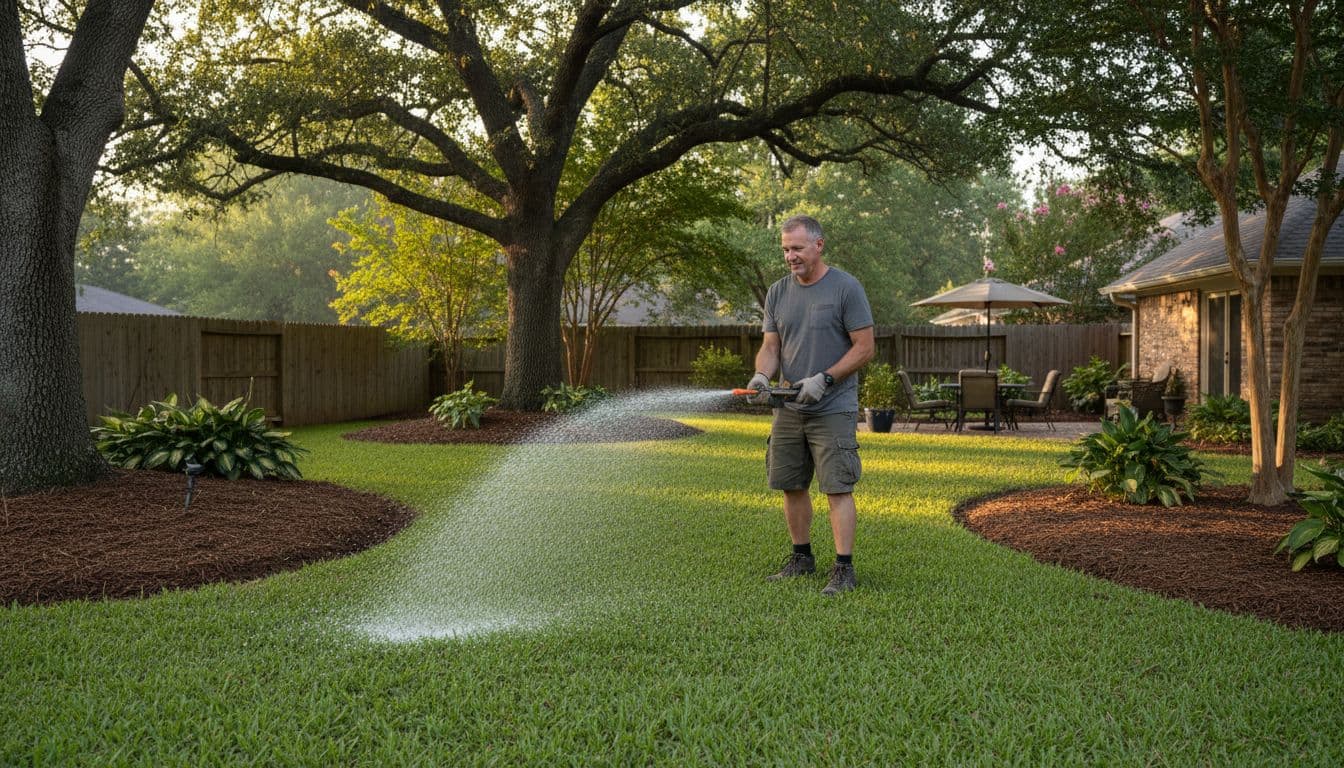
Summer is when Atlanta lawns either settle in or fall apart. Water early in the morning, then let the surface dry between cycles. Deep, infrequent watering is better than light daily sprays. For many established lawns, around 1 inch per week, including rain, is enough, though tree roots may increase demand.
Keep fertilizer moderate in shade. Extra nitrogen may green the lawn fast, but it also creates soft growth and more disease risk. Watch for gray leaf spot, thinning, or patchy yellow areas during muggy stretches. When that happens, reduce nitrogen, improve airflow, and avoid watering at dusk.
Fall and winter
As nights cool, stop pushing lush growth. Heavy late-season feeding leaves the lawn more exposed to cold injury. Keep fallen leaves off the grass, because they block light and trap moisture right when disease pressure can linger.
In winter, don't scalp dormant St. Augustine. Also, don't panic over brown color alone. Some bronzing is normal. Wait until late spring before you decide a section is truly gone.
Common mistakes, and when another option makes more sense
Most shady-yard failures come from asking St. Augustine to do a job the site won't support. The grass may hang on for a while, then collapse after a wet summer or a sharp winter snap.
Here are the mistakes that show up most often:
- Mowing too low : Short grass in shade loses the leaf area it needs to stay dense.
- Watering late in the day : Wet blades overnight invite fungal trouble.
- Overfeeding : Fast green growth looks good briefly, but it often weakens the lawn in shade.
- Ignoring tree pressure : Dense canopies and surface roots steal light, water, and space.
If a spot gets less than 3 hours of direct sun, or stays damp most mornings, St. Augustine is usually the wrong bet. The same goes for tight, root-filled areas under mature oaks where turf never gets a fair start.
If a shady corner never dries out, treat it like a planting bed, not a lawn.
For brighter shade, tall fescue may fit better, though Atlanta heat can still wear it down in summer. In very dark areas, mulch, pine straw, or shade plantings often look better and cost less than repeated resodding. Many Atlanta properties need a mixed plan, not one grass everywhere.
Conclusion
Good Atlanta St Augustine lawn care starts with honesty about the site. In bright shade with decent drainage, this grass can look thick and attractive. In deep shade, wet soil, or harsh winter exposure, it often disappoints. Pick the right spots, keep it tall, go easy on fertilizer, and don't be afraid to use a non-turf solution where trees clearly have the upper hand.