Atlanta Tall Fescue Lawn Care Calendar by Month
Atlanta tall fescue lawn care works best when the schedule follows temperature, rainfall, and grass growth instead of a fixed list of dates. Tall fescue enjoys cool weather, but Atlanta's hot, humid summers can weaken it quickly.
A reliable plan focuses on careful mowing, deep watering, fall overseeding, and restraint with spring fertilizer. Use this monthly calendar as a guide, then adjust each application for current weather, soil-test results, and the product label.
The Atlanta tall fescue lawn care calendar at a glance
Tall fescue usually needs the most attention during spring green-up and fall recovery. Summer care is mainly about reducing heat stress and protecting the root system.
| Month | Main focus |
|---|---|
| January | Remove leaves and avoid unnecessary traffic |
| February | Test soil and prepare for spring growth |
| March | Mow carefully and limit spring fertilizer |
| April | Control rapid growth and monitor weeds |
| May | Improve watering and mowing habits |
| June | Protect turf before intense summer heat |
| July | Reduce stress during the hottest weather |
| August | Prepare soil, seed, and equipment for fall |
| September | Begin fall aeration and overseeding |
| October | Establish new grass and support root growth |
| November | Finish fall work and remove leaves |
| December | Protect dormant turf and plan ahead |
The calendar can shift by a few weeks. A cool spring may delay growth, while an early warm spell can bring on mowing and weed activity sooner.
Why Atlanta weather changes the schedule
Tall fescue is a cool-season grass. It grows best during the moderate temperatures of fall and spring, then slows when Atlanta enters its hot summer pattern. During July and August, the grass may thin, turn brown, or recover slowly after heavy foot traffic.
Many Metro Atlanta yards also contain dense red clay or compacted fill soil. Water can run off instead of soaking into the root zone, especially on sloped areas. Core aeration helps, but the timing matters. Fall is the preferred aeration season because the grass can recover and produce new roots before the next summer.
Spring growth can look impressive, but fast green-up doesn't mean the lawn needs heavy feeding. Large nitrogen applications in spring can create soft, excessive leaf growth. That growth uses more water and may leave the turf less prepared for summer heat.
Dates are useful reminders, but soil temperature, rainfall, mowing conditions, and product labels should decide the exact timing.
A soil test also helps prevent unnecessary fertilizer use. It can show whether the lawn needs nutrients such as phosphorus or potassium, rather than relying on a general-purpose product every season.
Atlanta tall fescue lawn care from January through March
Late winter and early spring are cleanup and observation months. The grass may grow slowly in January, then respond quickly when temperatures rise in March.
January: Protect the lawn while growth is slow
Tall fescue may remain green during mild Atlanta winters, but growth is usually limited. Mow only when the grass has grown enough to require a cut. Avoid mowing wet soil, frozen grass, or turf covered with frost.
Remove heavy layers of leaves before they block light and trap moisture. A thin layer can often be shredded with a mower, but thick piles should be collected. Wet leaves can create bare areas and encourage disease.
January is also a good time to inspect drainage. Look for standing water, muddy paths, and areas where soil washes away during rain. Hold off on routine irrigation unless the lawn experiences an extended dry period.
Avoid nitrogen fertilizer when the soil is saturated, frozen, or unable to support active growth. Foot traffic can also cause lasting compaction when the ground is soft.
February: Test the soil and prepare for spring
Use February to collect a soil sample before making fertilizer decisions. Take several samples from the lawn's root zone, mix them as directed by the testing service, and keep samples from different problem areas separate.
Crabgrass prevention may be appropriate as spring soil temperatures rise, but the application window depends on weather and the product label. Apply only when conditions match the label. Remember that pre-emergent products can interfere with grass seed, so avoid using them where you plan to seed.
Routine spring core aeration is usually a poor choice for tall fescue in Atlanta. Wet clay can smear around the tines, and newly opened soil may invite weeds before summer stress arrives. Plan major compaction relief for early fall instead.
March: Mow carefully during spring green-up
March often brings a noticeable increase in growth. Begin mowing when the lawn reaches the correct height, and remove no more than one-third of the leaf blade in a single cut. Keep mower blades sharp so they cut cleanly instead of tearing the grass.
A light, soil-test-based application may fit some lawns, but avoid heavy spring fertilization . Excess nitrogen can push tender top growth while the roots face rising temperatures. Follow the product label and soil-test recommendations rather than applying extra fertilizer because the lawn looks pale.
Broadleaf weeds become easier to see in March. Spot treatment can work when the product is labeled for tall fescue and weather conditions meet the directions. Avoid treating drought-stressed grass or applying products during unsuitable heat.
Wait until fall for major overseeding and core aeration. A thin spring lawn may improve with proper mowing and moisture, but fall provides a better establishment window.
April through June: Manage growth before summer heat
Spring is when tall fescue can grow quickly. The goal is to maintain steady growth without forcing the lawn with excess fertilizer or shallow irrigation.
April: Keep mowing consistent
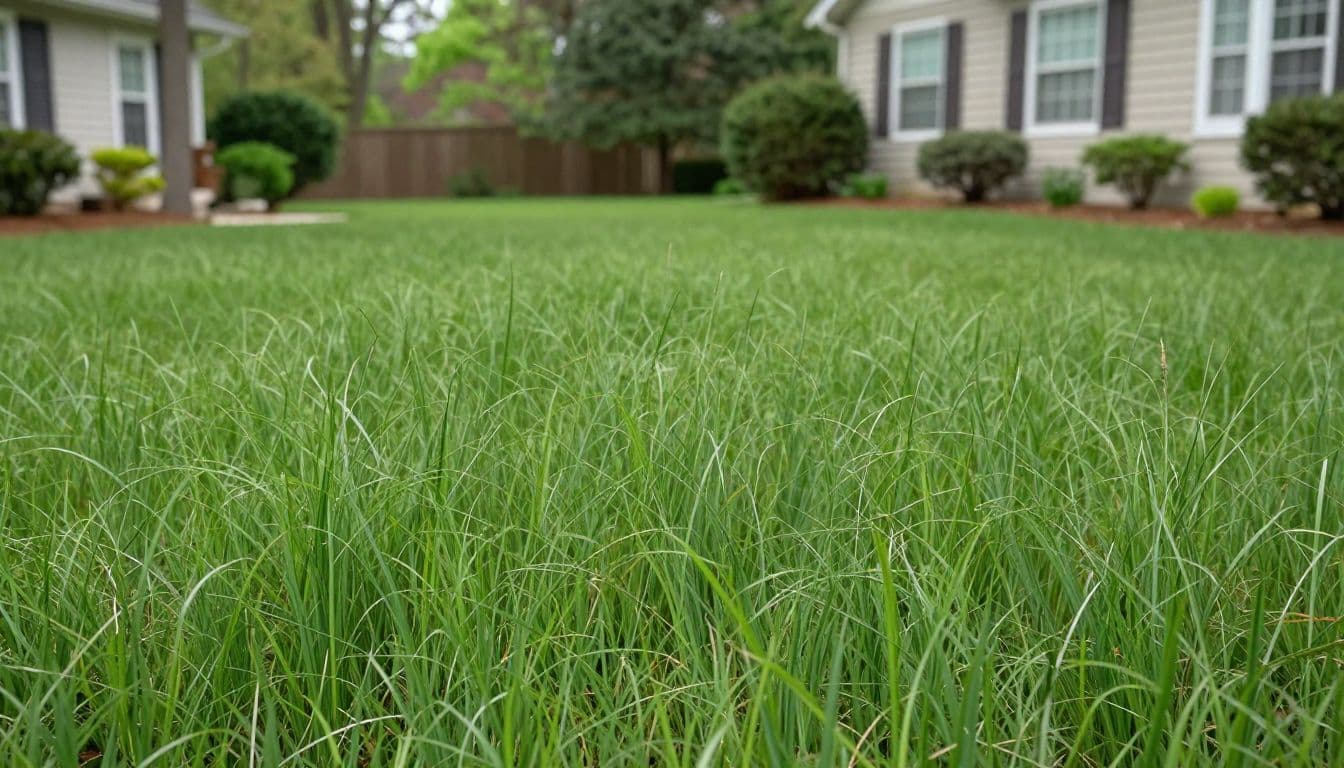
April mowing may become a weekly task, depending on rainfall and temperature. Set the mower near 3 to 3.5 inches, and raise the height slightly if the lawn is entering a dry period. Taller blades shade the soil and reduce moisture loss.
Avoid cutting the grass too short to reduce mowing frequency. Scalping removes leaf tissue that the plant needs for photosynthesis and can expose soil to weed seeds.
Continue watching for broadleaf weeds and turf disease. Dense, constantly wet areas need better airflow and watering practices. If a lawn has recurring problems, identify the cause before applying a fungicide or herbicide.
Spring fertilizer should remain limited. If a soil test supports an application, use the recommended product and rate. Do not add extra nitrogen simply because the lawn is growing.
May: Adjust mowing and watering
Warm days can arrive quickly in Atlanta during May. Check the lawn before watering rather than following a rigid schedule. Grass that stays flat after walking, develops a dull color, or shows footprints for a long time may need moisture.
Water early in the morning so the blades have time to dry. Deep, less frequent watering is usually better than short daily cycles. However, compacted clay may need shorter cycles with pauses to prevent runoff.
Keep mowing high enough to shade the crown and soil. Never remove more than one-third of the blade. Return clean clippings to the lawn when they are short and dry, since they break down quickly and don't create thatch by themselves.
Inspect irrigation coverage before summer arrives. A hose-end sprinkler may leave dry corners or water sidewalks. Straight-sided cans placed around the lawn can help you compare coverage.
June: Protect the root zone
By June, Atlanta's heat and humidity can slow tall fescue growth. Reduce unnecessary foot traffic, especially when the lawn is dry or recently watered. Avoid major renovation work during this period.
Do not apply routine nitrogen fertilizer in response to summer browning. Tall fescue may enter heat dormancy, and forcing new growth can increase water demand. Water according to actual soil conditions and local rainfall.
Brown patch and other fungal problems can appear when warm nights, humidity, dense growth, and extended leaf wetness occur together. Watering at night makes those conditions worse. Improve mowing habits and airflow first, then use a labeled treatment only when the disease has been identified.
Keep mower blades sharp and clean. If the grass stops growing, mow less often rather than cutting dormant blades on a fixed schedule.
July through September: Protect turf and prepare to seed
These months cover the hardest stretch for Atlanta fescue. July and August require patience, while September begins the shift toward recovery and renovation.
July: Reduce summer stress
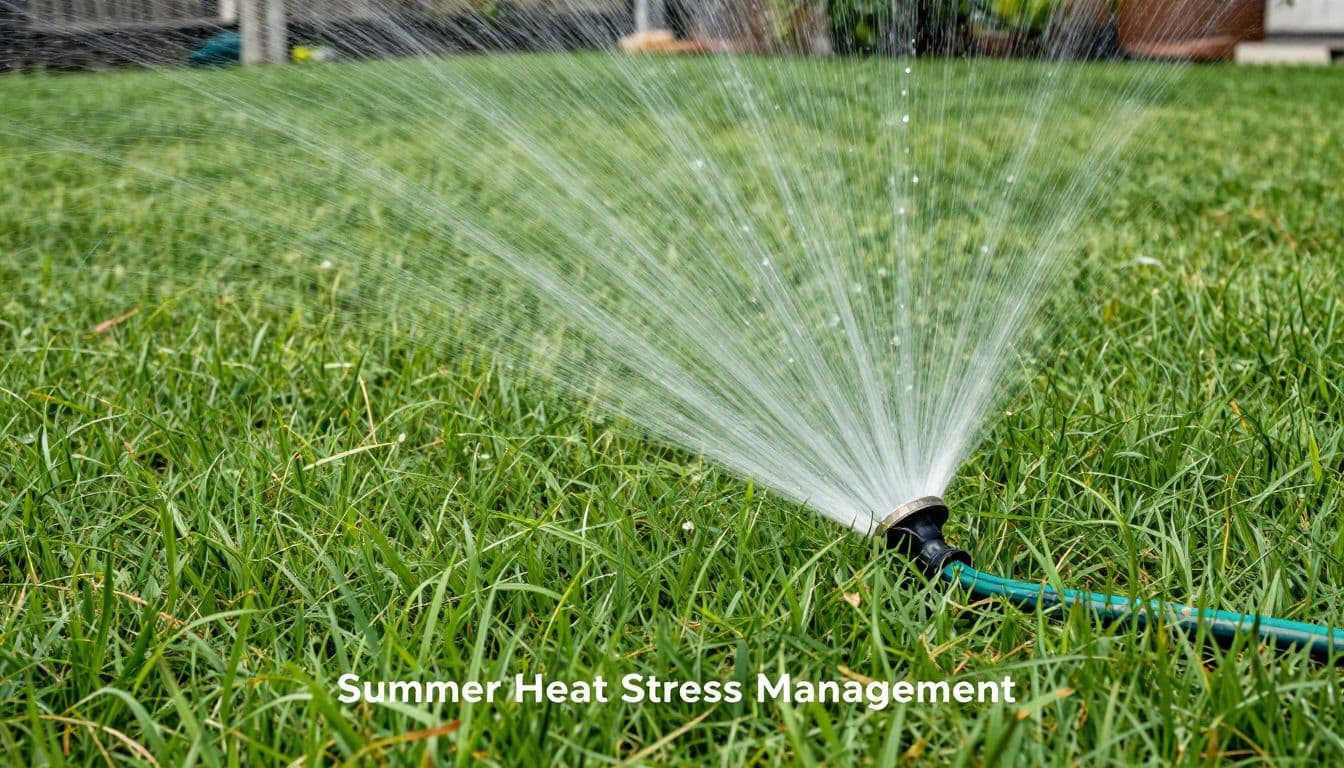
July is often the most demanding month for tall fescue. Heat, humidity, drought, and heavy use can combine to thin the lawn. Water deeply when the soil is dry, but stop if runoff begins.
Many established lawns need about 1 inch of water per week during active summer growth, including rainfall, but that figure is only a starting point. Sandy areas may dry faster, while clay soil may need slower applications. Check the soil before adding more water.
Keep the mower near the upper end of the recommended height. Avoid mowing during the hottest part of the day, and don't cut grass that has stopped growing unless necessary for appearance or access.
Skip fertilizer, aeration, and overseeding during severe heat. These tasks add stress when the grass has limited ability to recover.
August: Plan the fall renovation
Late August is a good time to inspect thin areas, measure irrigation coverage, and prepare for fall work. Order or select a quality turf-type tall fescue blend suited to the site. Seed quality matters because the new plants must handle Atlanta's summer conditions later in their life cycle.
A soil test can guide lime and fertilizer decisions before seeding. Apply amendments only when the test supports them, and follow the product label for rates and timing.
Check the lawn for thatch, compacted walkways, exposed soil, and drainage issues. Mark areas that need core aeration once the weather moderates. Don't aerate drought-stressed turf. The soil should have enough moisture for the cores to pull cleanly, but it shouldn't be saturated.
Continue summer watering as needed. Avoid pre-emergent products in areas intended for fall seed because they can prevent the new fescue from germinating.
September: Begin fall aeration and overseeding
In Metro Atlanta, the main tall fescue seeding window often begins in mid-September and continues into October. Actual timing depends on heat, rainfall, soil moisture, and the forecast. Seeding during lingering summer heat can lead to weak germination and high water demands.
Start by mowing slightly shorter than usual, removing no more than one-third of the blade at a time. Core aerate compacted soil, then spread seed so it can contact the soil surface. Use the seed rate listed on the product label or recommended by a qualified lawn professional.
Starter fertilizer may be appropriate, but only when the soil test and product label support it. Heavy fertilizer won't compensate for poor seed contact or inadequate moisture.
Keep the surface consistently moist while seed germinates. Several light applications may be needed at first. Once seedlings are established, gradually reduce frequency and water more deeply.
Fall is the busiest season for Atlanta tall fescue lawn care because it offers the best chance to repair thin turf before winter.
October through December: Establish, feed, and tidy
Fall growth gives fescue the conditions it needs for root development. Keep new seedlings protected while completing the final cleanup of the year.
October: Support new seedlings
October is often the strongest month for fall establishment. Continue watering seeded areas carefully until the young grass develops a reliable root system. Avoid washing seed into low spots with heavy irrigation.
Mow new grass once it reaches about 3 to 4 inches, using a sharp blade and a dry surface. A first cut can help encourage branching, but never remove a large portion of young plants at once.
Fill small bare areas if needed, but don't disturb healthy seedlings. Keep leaves from covering the lawn, since a damp leaf mat can block light and hold moisture against the blades.
Fall fertilizer may support root growth, depending on the soil test and the product's directions. Use exact rates from the label. More product isn't better, especially near driveways, storm drains, or sloped areas.
November: Finish fall work
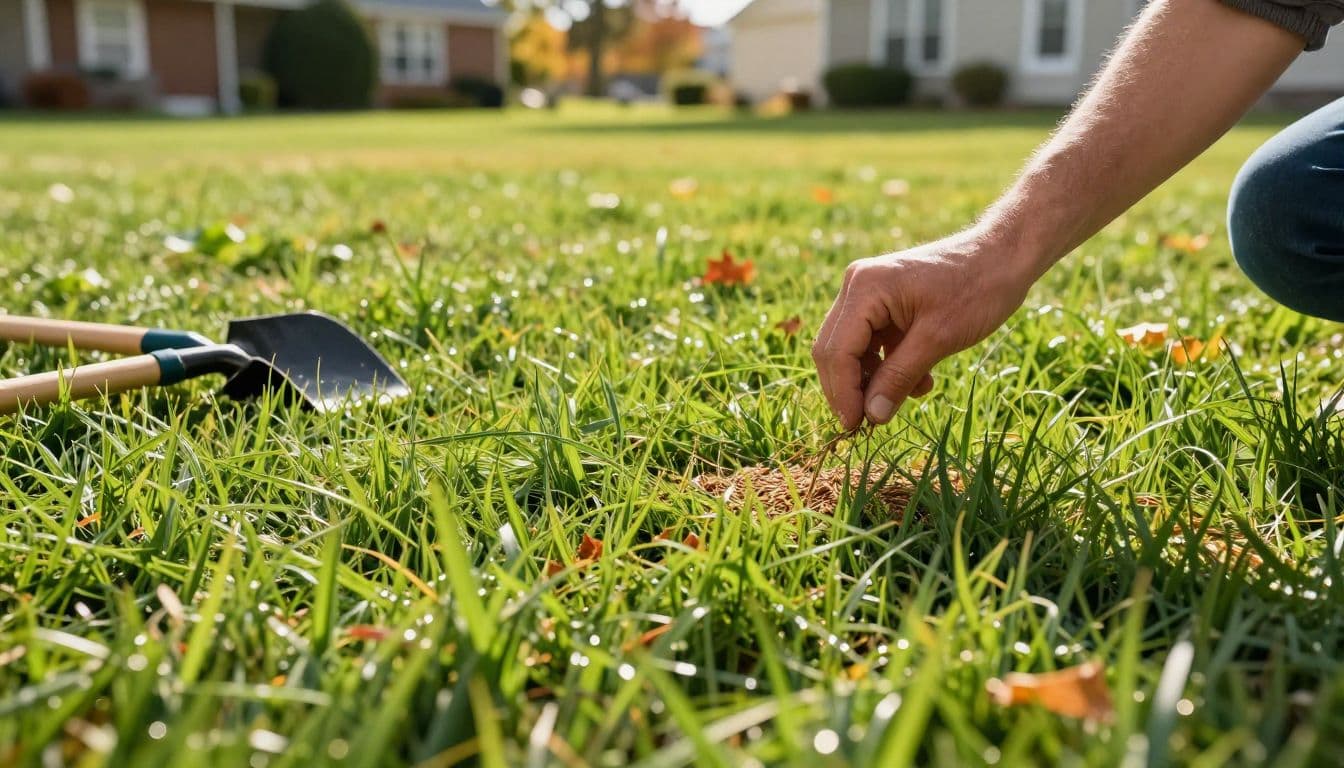
Growth usually remains active in November, although mowing frequency declines. Keep the lawn near its normal height and remove leaves before they form thick piles. Mulching a light layer can save time, but collect leaves when the mower cannot shred them well.
If fall overseeding went well, reduce irrigation as rainfall increases and roots develop. Water deeply when the soil dries rather than keeping the surface wet every day.
A late-fall fertilizer application may fit the schedule for some lawns. Base it on soil-test results, grass condition, weather, and the product label. Avoid applications before heavy rain or onto frozen, saturated ground.
November is also a good time to clean mower decks, sharpen blades, and inspect irrigation equipment before winter.
December: Protect the lawn during dormancy
Tall fescue may remain green during mild December weather, but growth is often slow. Mow only when needed, and avoid driving or walking repeatedly across wet or frost-covered turf.
Continue removing leaves and branches that block sunlight. Irrigation is usually limited unless dry weather continues for an extended period. Check soil moisture below the surface before watering.
Hold off on unnecessary fertilizer and weed treatments. Winter applications should have a clear purpose, match the product label, and suit current conditions. Use the month to record thin areas, drainage problems, and irrigation failures that need attention next year.
Year-round rules for a healthier Atlanta fescue lawn
A monthly schedule works best when a few basic practices remain consistent.
Mow high and often enough. Keep tall fescue near 3 to 3.5 inches for most of the growing season. Adjust the schedule to grass growth, not the day of the week. Remove clippings when they are wet, clumped, or covering the lawn.
Water based on the soil. Early morning is the best general time for irrigation. Apply enough water to moisten the root zone, then allow the surface to dry before watering again. Slopes and heavy clay may require cycle-and-soak irrigation to reduce runoff.
Use fertilizer with a reason. A soil test can prevent wasted applications and nutrient imbalances. Exact application timing should always be adjusted for weather, soil-test results, and product labels.
Reserve major renovation for fall. Fall aeration and overseeding align with fescue's natural growth cycle. Spring aeration, spring seeding, and heavy spring fertilizer can create problems that show up during Atlanta's summer heat.
Watch conditions before treating weeds or disease. Identify the problem, confirm that the product is labeled for tall fescue, and follow temperature, rain, and application restrictions. A calendar alone can't diagnose a lawn.
If weekly mowing, edging, seasonal cleanup, and turf monitoring don't fit your schedule, RW Lawn Co provides professional lawn care and mowing services for Atlanta-area properties.
Conclusion: Keep tall fescue on a seasonal schedule
The strongest Atlanta tall fescue lawn care plans use spring for controlled growth, summer for stress management, and fall for repair. Mow high, water according to soil conditions, avoid heavy spring fertilization, and schedule aeration and overseeding when fall weather supports recovery.
A lawn doesn't need the same treatment every month. When you adjust care to Atlanta's weather and the grass's growth cycle, tall fescue has a better chance of staying dense through winter and returning strong after summer.