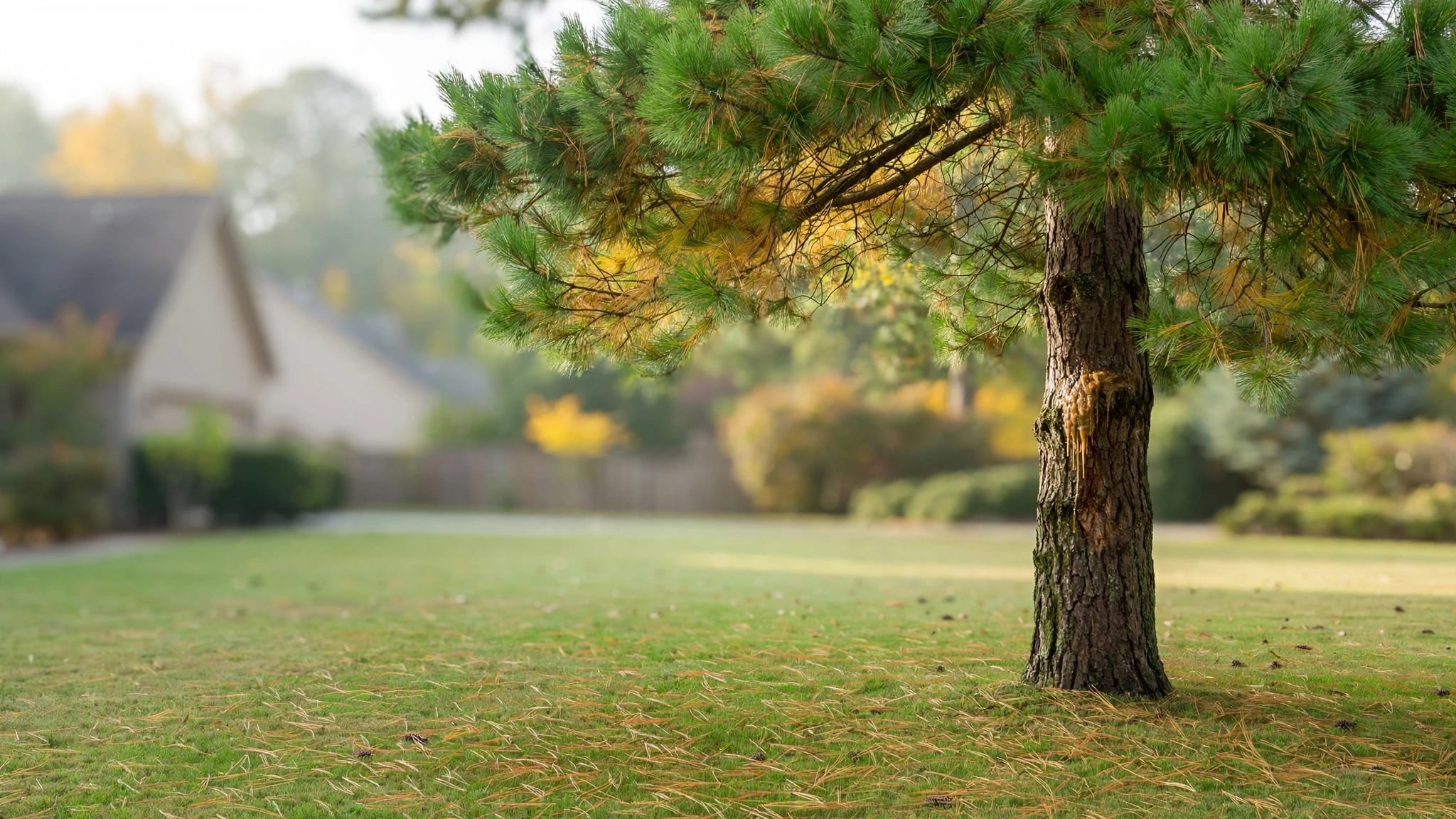
Atlanta Tree Stump Regrowth: Why Shoots Return
Tree stump regrowth happens when living tissue in the remaining stump or roots produces new shoots after cutting or grinding. Whether that happens depends on the tree species, the removal method, and which roots or stump sections remain alive.
A few green stems don't automatically mean the removal work failed, but they do show that living tissue remains somewhere nearby. Start by locating the source before choosing between routine shoot removal, additional excavation, or targeted treatment.
Key Takeaways
- Some trees can sprout from remaining stump tissue or roots, while others don't readily resprout.
- Grinding removes stump material below ground level but generally leaves surrounding roots, so it differs from excavation.
- Shoots near an old stump may be root suckers, stump sprouts, or unrelated seedlings. Identifying their source helps prevent unnecessary digging or damage to nearby trees.
Why Tree Stump Regrowth Happens
Removing a trunk changes the tree above ground immediately. However, it doesn't necessarily kill every living part underground.
Remaining tissue can support new shoots
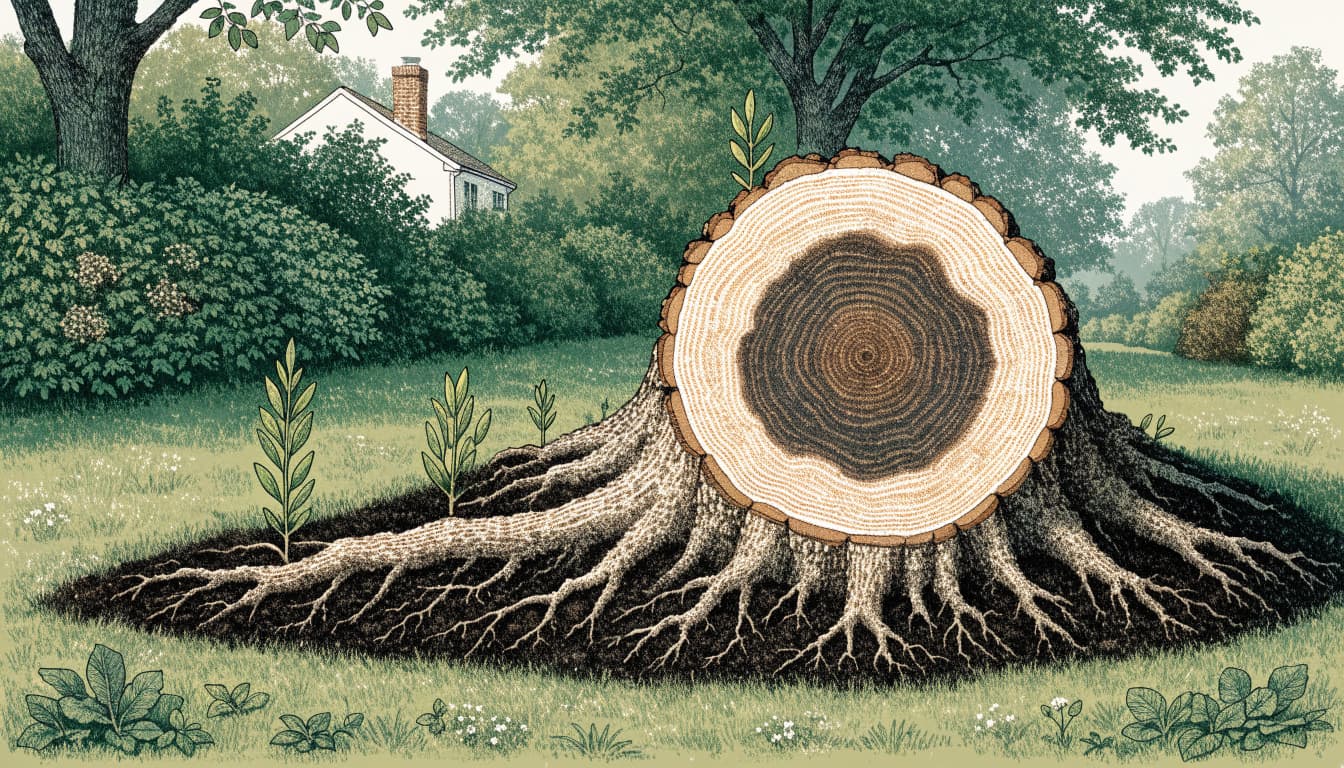
Some trees have dormant buds in living tissue around the stump or root system. After the trunk disappears, those buds can develop into shoots.
Stored carbohydrates help support that early growth. Once shoots develop leaves, photosynthesis supplies additional energy, which helps explain why neglected sprouts can become persistent woody growth.
However, roots remaining underground don't guarantee regrowth . Species, root condition, and the amount of surviving tissue all affect the outcome. Dead stump wood cannot produce new shoots.
Root suckers differ from seedlings
Stump sprouts grow from remaining stump tissue. Root suckers emerge from roots and may appear beyond the original stump footprint.
Seedlings grow from seeds instead. They can show up in disturbed soil around a removal site without any connection to the old tree.
Look for the point where a shoot enters the ground. A small, independent root system suggests a seedling, while an attachment to woody material suggests a sucker. Don't excavate a broad area simply to trace one stem, especially near retained trees.
What Grinding and Excavation Actually Remove
"Tree removal," "stump grinding," and "stump excavation" describe different work. That distinction matters when interpreting returning shoots.
Grinding leaves surrounding roots underground
A grinder breaks the stump into chips and reduces it below the soil surface. Most surrounding roots remain in place and gradually decay.
Grinding can make an area easier to mow or landscape without the disruption of extensive excavation. However, the absence of a visible stump doesn't establish that every connected root is dead.
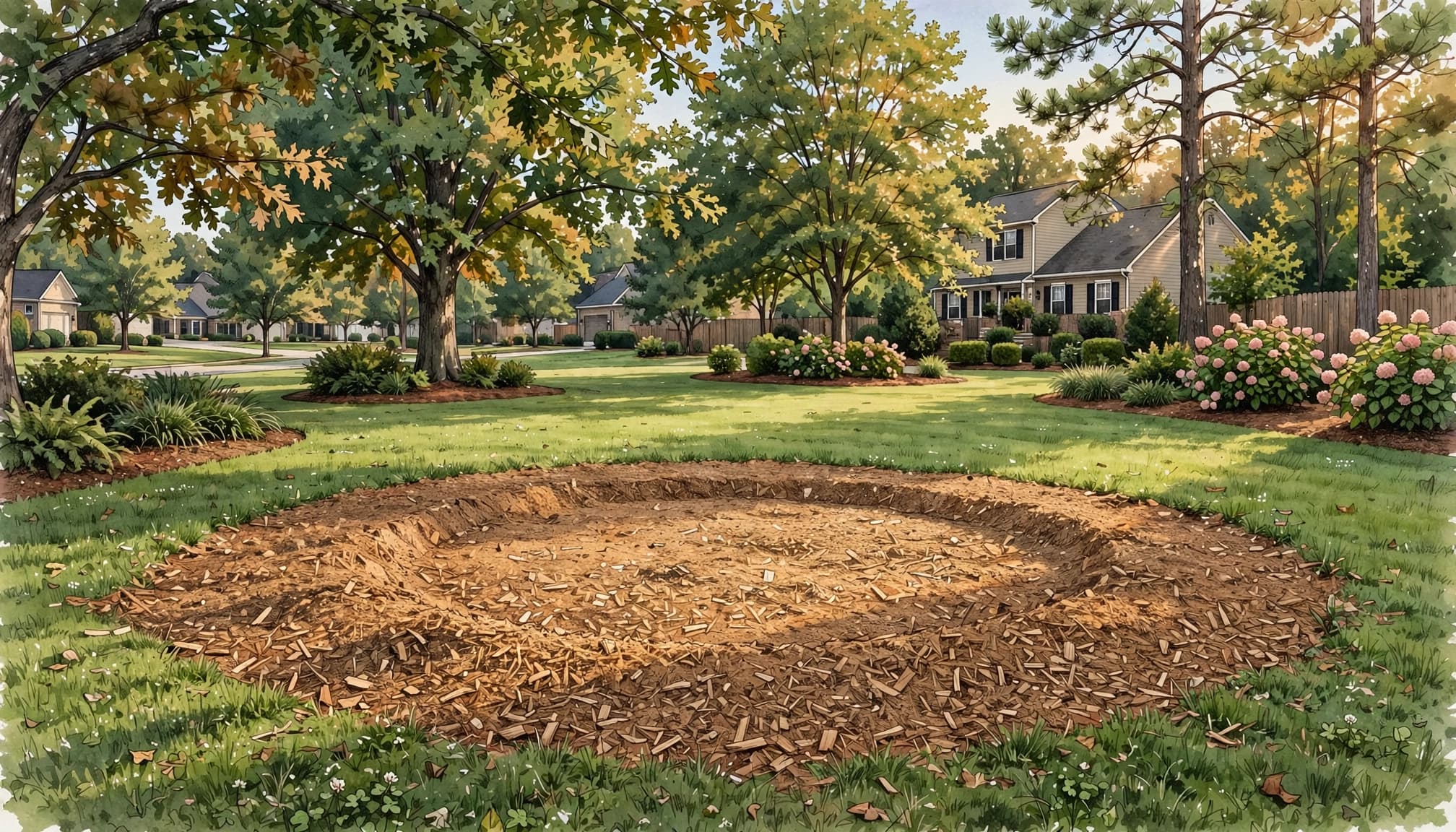
The grinding depth, treatment of the root flare, and amount of remaining woody tissue all matter. There isn't one grinding depth that guarantees the same biological result for every tree.
Excavation creates a different repair job
Excavation lifts out the stump and accessible roots rather than reducing the stump to chips. It generally requires more digging, equipment access, backfill, and restoration.
Even extensive excavation shouldn't be described as removing every root across a yard. Roots may extend beneath fences, pavement, planting beds, or neighboring properties.
For a lawn area, grinding and follow-up maintenance may fit the intended use. A patio, footing, or other construction project may require excavation because buried wood can decay and leave unstable spaces. The planned use should guide the scope.
How to Manage Shoots That Keep Returning
Before cutting anything, identify whether the shoot belongs to the removed tree or a nearby tree you intend to keep. Location alone isn't enough to establish ownership of a root.
Remove small shoots before they become woody
For a limited number of shoots, repeated physical removal can reduce the amount of leaf growth supporting the remaining root system. Cut accessible shoots close to their origin without gouging nearby living bark.
Avoid treating a cluster of woody stems as ordinary grass. Larger shoots can damage mowing equipment or create a debris hazard. Remove them separately before mowing the surrounding lawn.
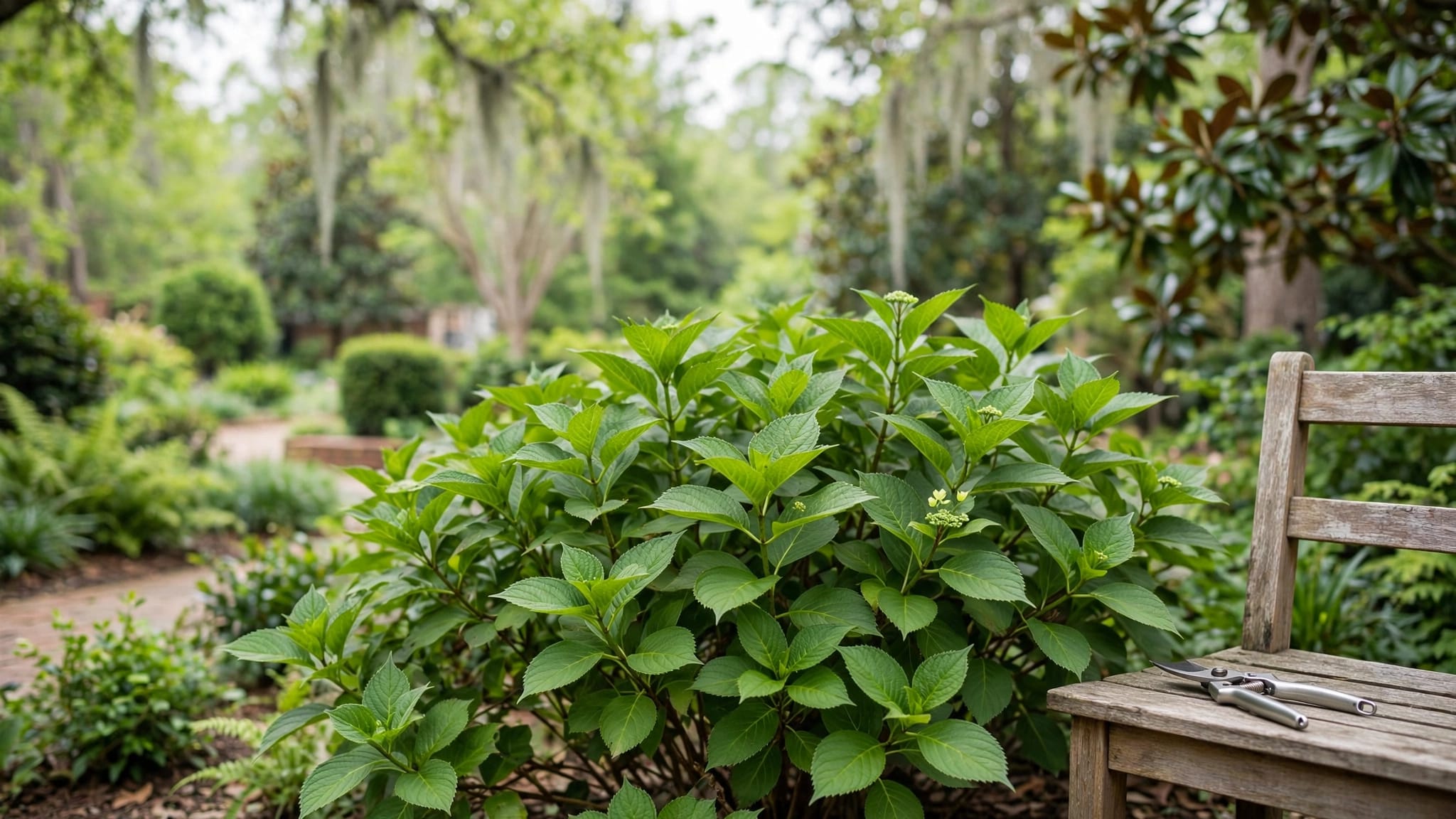
Crape myrtles provide a familiar local example of basal and root suckering. Repeatedly trimming their basal shoots short can produce thicker regrowth. Our crape myrtle pruning and sucker removal guide explains how to remove those shoots while protecting the plant's structure.
Match any treatment to the actual problem
Persistent growth may call for professional evaluation rather than repeated surface trimming. Options depend on whether living stump tissue remains, where the shoots originate, and what grows nearby.
If herbicide treatment is appropriate, the product label must cover the target plant, application site, and method. A cut-stump product isn't automatically suitable for spraying shoots in turf.
Connected roots can carry treatment beyond the visible shoot , including to a desirable tree producing suckers. Avoid broadcast spraying, homemade chemical mixtures, and pouring products into the ground. For uncertain root connections or growth among valuable plants, use a qualified professional.
Protect Nearby Trees and Restore the Lawn
Managing regrowth shouldn't create a larger landscape problem. The work area may include roots from trees that weren't removed.
Keep retained trees out of the removal work
Don't assume every exposed root belongs to the old stump. Nearby trees can have overlapping root systems, and cutting a large structural root can affect stability.
An arborist should guide work involving major roots, roots beneath hardscaping, or roots close to a retained tree. Our Atlanta tree root damage repair guide covers safer ways to manage lawn and bed conflicts without aggressive cutting.
Before digging or excavating, contact 811 for utility locating in Georgia . Private irrigation lines and other privately installed systems also need protection.
Replace excess grindings with suitable soil
Grinding leaves a mixture of wood chips and soil. Remove excess woody material from the space intended for grass roots, then restore the area with suitable soil.
Don't use a deep layer of loose chips as the foundation for new sod. As buried wood decomposes, the area can settle and require additional leveling.
Keep the finished surface consistent with the surrounding lawn without burying exposed roots from retained trees. Then choose seed or sod appropriate for the existing grass and available sunlight.
During mowing visits, watch both the repaired area and nearby beds for returning shoots.
Plan Follow-Up Work Around the Yard's Next Use
A useful follow-up plan addresses both the growth and the space you want afterward. Removing shoots alone won't prepare a stump cavity for paving or repair a settled lawn.
First, document where shoots appear relative to the stump. A wide photo shows their distribution, while a close photo captures the leaves and stem attachment. Note whether the growth returns at one point or appears across a larger area.
For additional stump work, the written scope should identify:
- The remaining stump or root-flare material included, along with the intended grinding or excavation depth.
- Whether chip removal, debris hauling, backfill, and surface leveling are included.
- How equipment will reach the area and protect nearby beds, pavement, fences, and irrigation.
Our Atlanta stump grinding costs guide explains how stump size, access, and cleanup affect pricing.
For a larger property reset, our land clearing and site preparation services support Metro Atlanta projects that need more than surface cleanup. Keeping removal, grading, and restoration in one plan helps avoid repairing the same area twice.
Frequently Asked Questions About Stump Regrowth
Does every tree stump grow back?
No. Regrowth depends on the species and whether living tissue remains capable of producing shoots. Some stumps decay without sprouting. Others retain living tissue that supports new growth. A stump's appearance above ground doesn't reveal the condition of every root beneath it.
Do shoots mean stump grinding failed?
Shoots alone don't prove poor workmanship. Grinding removes stump material, but surrounding roots can remain alive. Assess the growth against the original scope: a below-grade grinding job differs from excavation or a separate plan for controlling suckers. The shoot's attachment point helps identify what remains.
Can regular mowing stop the shoots?
Mowing can suppress small shoots in accessible turf, but it doesn't establish that the source has died. Woody stems also create equipment hazards. Remove larger growth separately, and include nearby beds and fence lines in follow-up care because a mower won't reach those areas.
Can I plant another tree in the same spot?
A chip-filled stump cavity is a poor planting location. Remaining wood, settling soil, and limited rooting space can complicate establishment. A nearby location with suitable soil and adequate clearance often makes more sense. Plan the replacement around its mature size rather than the old stump's position.
A Lasting Fix Starts With the Shoot's Source
Tree stump regrowth is a sign to investigate the surviving tissue, not a reason to assume every remaining root needs removal. Identify the source, match the response to the tree and removal method, and protect nearby plants.
Then restore the ground for its intended use. Targeted follow-up and sound lawn repair provide a more useful result than repeatedly cutting visible shoots without addressing where they originate.