Bermuda Grass Control for Tall Fescue Lawns in Atlanta
Bermuda grass can slip into a tall fescue lawn fast, then spend the whole summer widening the damage. In Atlanta, that fight gets harder because fescue hates long heat waves and bermuda loves them.
If your lawn looks full in spring and ragged by July, you are dealing with a common local problem. Quick fixes rarely last. The better answer is a steady plan that matches how both grasses grow.
You can slow bermuda down and protect your fescue. The key is knowing when to treat, when to wait, and when the lawn needs a bigger reset.
The Reality of Bermuda Grass in Tall Fescue
Bermuda grass does not creep in politely. It spreads through runners above ground and stems below the soil, so a small patch can turn into a web before you notice it. Once it finds open soil, thin turf, or a hot edge near a driveway, it moves fast.
That is why Atlanta lawns get hit so hard. Tall fescue likes cool weather and handles spring and fall well. Then summer shows up, the soil warms, and fescue starts to thin out. Bermuda sees that opening and fills it.
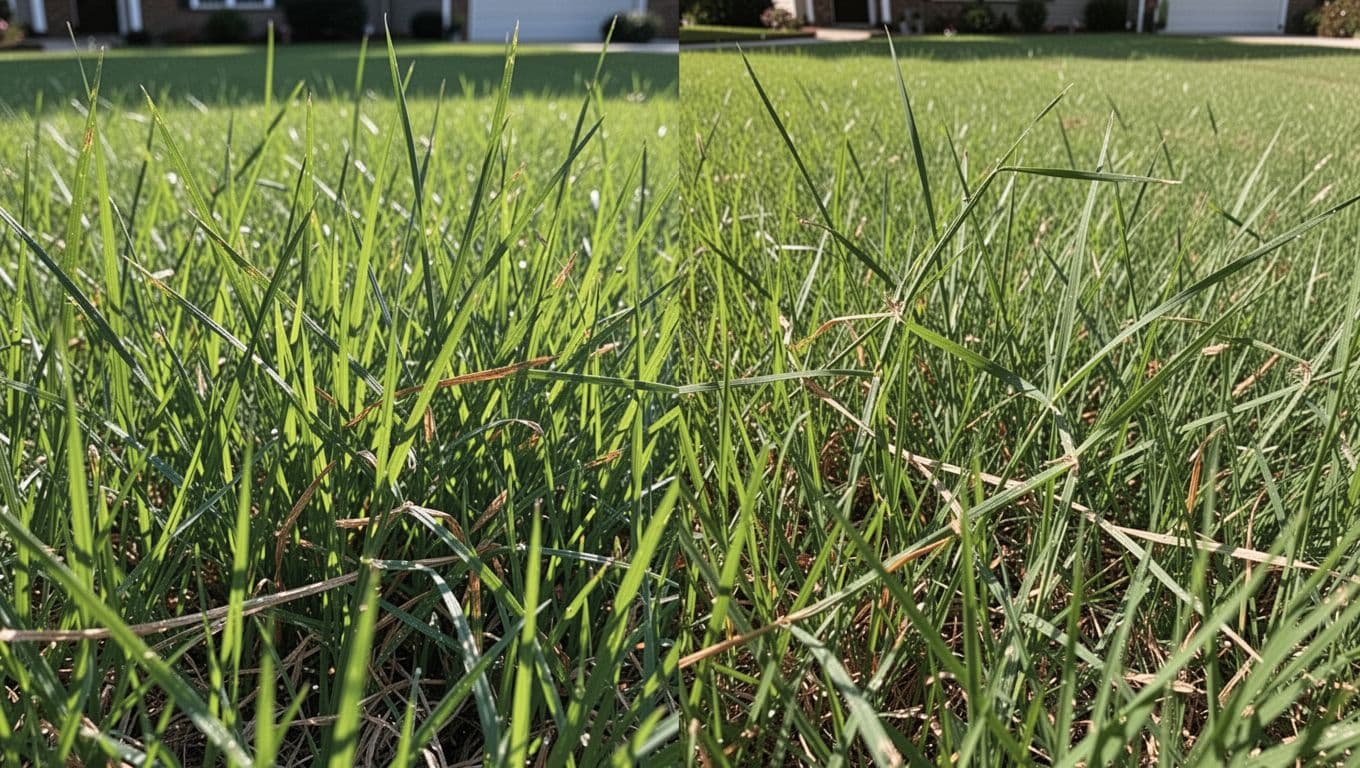
The trouble usually starts in the same places, along sidewalks, near curb lines, around drain spots, and in sunny sections that get stressed first. A lawn with a few bare patches is like a house with open windows. Weeds do not need much encouragement.
Bermuda wins when fescue thins out and sunlight reaches bare soil.
That is why bermuda grass control in tall fescue lawns is about more than spraying a patch here and there. You need to close the gaps that let it spread.
Why Atlanta Summers Favor Bermuda
Bermuda has a built-in advantage in hot weather. It grows hardest when temperatures rise, while tall fescue slows down to protect itself. In a hot Atlanta July, that difference becomes obvious. Bermuda keeps stretching. Fescue starts to look tired.
Mowing height matters too. When fescue gets cut too short, the soil heats up faster. Sunlight reaches more of the surface, and bermuda gets room to spread. Watering patterns matter as well. Light, frequent watering keeps roots near the surface, which helps bermuda and weakens the turf you want to keep.
A dense lawn is the best barrier you have. That is why regular mowing and cleanup matter so much. If your schedule makes that hard, routine lawn care services can help keep the grass cut at the right height and reduce the thin spots bermuda loves.
Atlanta soil can make the problem worse. Compacted clay, worn paths, and uneven drainage all stress fescue. Then bermuda uses the stress as a doorway. The lawn may look fine in April, then fall apart after a few brutal weeks in summer.
The hard truth is that complete bermuda removal from a fescue lawn often takes more than one season. In many yards, it takes two or more. The first goal is not perfection. It is slowing the spread and building thicker fescue cover.
A Seasonal Bermuda Grass Control Plan
Timing matters more than people think. A good plan follows the grass, not the calendar on the wall.
| Season | What Bermuda Is Doing | What Tall Fescue Needs | Best Move |
|---|---|---|---|
| Late winter to early spring | Waking up slowly | Time to recover and thicken | Clean edges, mark problem spots, avoid scalping |
| Late spring | Starting active spread | Strong canopy and steady growth | Keep mowing high, treat active patches, watch borders |
| Summer | Fastest growth and widest spread | Deep watering and less stress | Water deeply, avoid stress cuts, stay on top of hot spots |
| Early fall | Still active, but slower | Best time to recover and seed | Repair thin areas, overseed fescue, repeat spot treatment if needed |
That plan works because it follows the growth pattern of both grasses. Spring is for watching and mapping. Summer is for defense. Fall is for rebuilding the fescue so it can fight back next year.
The most important part is patience. One treatment rarely solves the whole issue. Bermuda often comes back from pieces you never saw, especially where the lawn was weak before. Treating a lawn as a one-time project usually ends in more patches later.
When Spot Treatment Is Enough, and When It Is Not
Small, isolated patches are good candidates for spot treatment. If you have a few bermuda clumps near the driveway or along the fence, targeted work can help without tearing up the whole yard. That approach is cheaper and less disruptive, which matters if most of the lawn still looks healthy.
Spot treatment works best when the fescue around it is thick. The surrounding grass can close the gap after the bermuda is weakened. Still, timing matters. Treat active bermuda when it is growing, not when it is dormant or already shut down from cold.
Renovation makes more sense when bermuda has spread across large sunny areas. If whole sections of the lawn are half bermuda and half tired fescue, spot treatment becomes a long fight with little reward. At that point, a planned reset may save time and money.
A full reset can include killing out the worst sections, fixing compacted soil, correcting drainage, and reseeding fescue in the fall. That sounds like a bigger job because it is. It also gives you a clean start instead of chasing the same weed all year.
Here is a simple way to judge the next step:
- Spot treatment fits small patches that are easy to isolate.
- Overseeding fits lawns that still have a strong fescue base.
- Renovation fits lawns where bermuda has taken over large areas.
If the lawn has heavy traffic, poor drainage, or sun-baked edges, bermuda will keep returning unless those conditions change. The grass problem is often a site problem too.
Mistakes That Make Bermuda Come Back
A lot of bermuda control efforts fail for simple reasons. The lawn gets stressed, the timing is off, or the treatment plan does not match the season.
- Mowing tall fescue too short in summer. Short grass heats the soil and gives bermuda more room.
- Watering a little every day. That keeps roots shallow and helps fast-growing weeds.
- Waiting until fall to act. By then, bermuda has already had months to spread.
- Ignoring edges and thin strips. Driveways, sidewalks, and fence lines are common entry points.
- Overseeding without dealing with bermuda first. New fescue seed struggles when bermuda is still active.
One of the biggest mistakes is assuming the lawn needs a stronger spray, when it really needs better timing. Another is treating the top growth and forgetting the root system. If the underground runners are still alive, the patch can rebound fast.
Keeping the canopy thick helps more than many people expect. Fescue that shades the soil gives bermuda less light and less space. That is why regular mowing, proper height, and a clean watering schedule matter all season long.
Conclusion
Bermuda grass control in a tall fescue lawn is not a one-week fix. In Atlanta, the heat gives bermuda an edge, and cool-season fescue feels that pressure fast.
The best results come from a steady plan. Keep the lawn thick, treat active bermuda at the right time, and rebuild fescue in the fall so thin spots do not stay open.
If you think in seasons instead of weekends, the problem gets more manageable. The lawn may not turn perfect right away, but it can move back in the right direction.