Atlanta Chamberbitter Control for Bermuda and Zoysia Lawns
Chamberbitter can make a good-looking Atlanta lawn seem thin and weedy in a hurry. It shows up in warm weather, hides under regular mowing, and drops seed fast. The good news is that chamberbitter control usually comes down to a few basics, catch it early, thicken the turf, cut back on overwatering, and use herbicides only when the label matches your grass.
For Bermuda and Zoysia, timing matters as much as product choice. A rushed summer spray can stress the lawn and still miss the weed. Start with clear identification, then work through the season with a steady plan.
How to identify chamberbitter before it spreads
Chamberbitter is a summer annual broadleaf weed. It grows upright from a central stem, then sends out flat side branches that look almost fern-like. Each branch has rows of tiny leaflets, which is why many homeowners think they're seeing a baby mimosa.
That mix-up is common, and so is confusion with sensitive plant. At first glance, all three can look feathery. Here's the difference: sensitive plant folds when touched and later makes pink puffball flowers. Mimosa seedlings start getting woody as they grow. Chamberbitter stays soft and green, and its seed pods line the undersides of the stems .
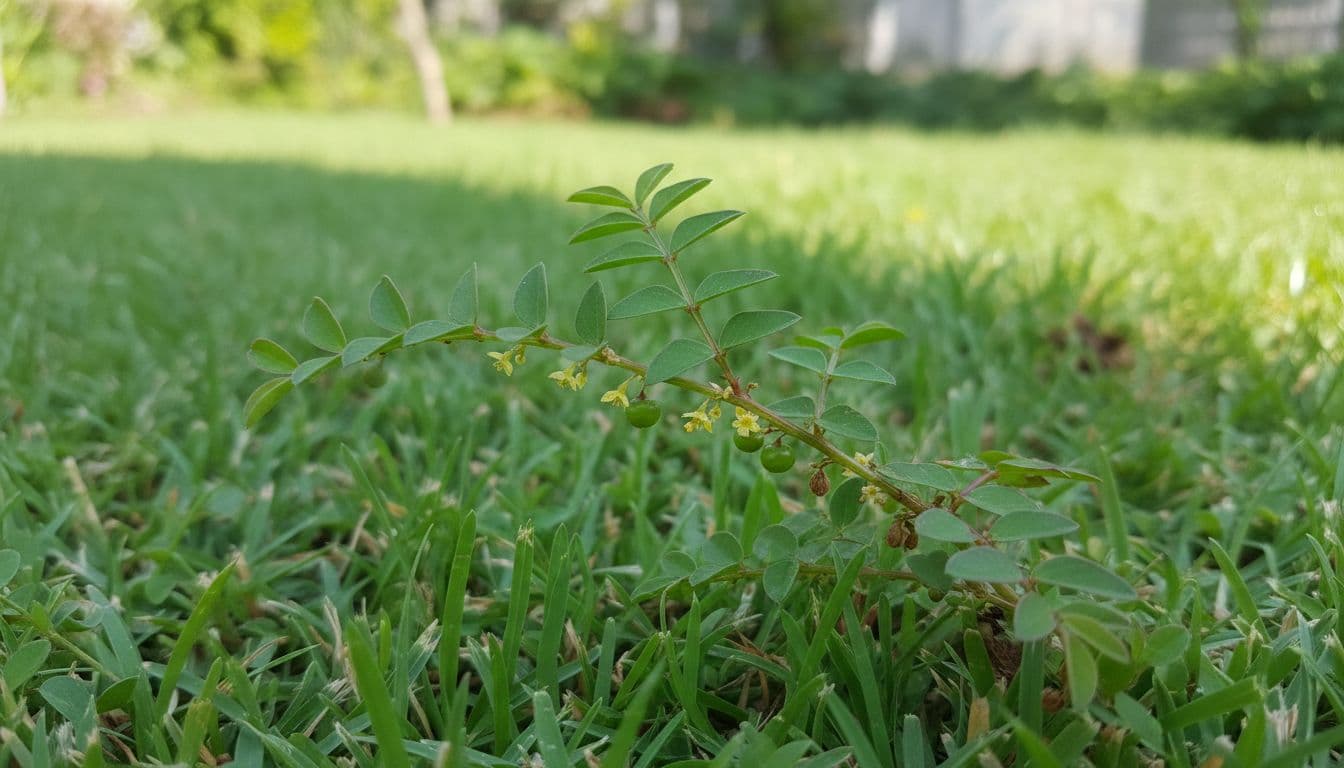
If you see tiny bead-like seed capsules tucked under the leaf stems, it's chamberbitter, not mimosa.
In Metro Atlanta, chamberbitter usually shows up after soils warm in late spring and early summer. It loves thin turf, open soil, and damp spots. It also handles low mowing better than many people expect, so it can keep producing seed even when the lawn gets cut every week.
That's why hand-pulling works best when plants are small and the soil is moist. Once those seed pods mature, pulling helps less because the next round may already be set.
Why thin, wet lawns invite chamberbitter
Chamberbitter is opportunistic. It doesn't beat dense Bermuda or healthy Zoysia very often. Instead, it slips into weak areas, places scalped by the mower, spots that stay soggy, and sections where the turf never filled in well.
Mowing is part of the fix. When warm-season grass gets cut too low, sunlight hits the soil and weed seeds wake up. Bermuda can handle lower mowing than Zoysia, but neither likes repeated scalping in Atlanta heat. If your Bermuda lawn gets shaved down each spring or summer, this Atlanta Bermuda scalping guide for spring can help you avoid thinning the turf.
Watering matters just as much. Chamberbitter loves frequent, shallow irrigation because the surface stays moist. Instead, water early in the morning and let the lawn dry between cycles. Also look at drainage. Downspouts, low spots, and compacted clay often create a welcome mat for summer weeds. If those wet zones also attract slick, mat-forming weeds, this Atlanta doveweed control for Bermuda and Zoysia lawns may help you sort out what's happening.
New turf needs extra caution. Newly seeded or newly sodded lawns can react badly to herbicides that older turf handles well. If the grass is not fully established, wait unless the product label clearly allows use on that stage of growth.
A season-by-season chamberbitter control plan for Atlanta
A good plan changes with the calendar because the weed and the turf don't behave the same way all year.
Late winter to early spring
Pre-emergent control can help, but timing has to come before germination. In Atlanta, that usually means applying before soils warm into chamberbitter's germination range. If you plan to seed, plug, or sod bare areas, check the label first. Some pre-emergents can block desirable grass from rooting or sprouting.
Late spring to early summer
This is the best scouting window. Walk the lawn once a week and look near edges, thin patches, and damp areas. Small chamberbitter plants pull easier and respond better to spot treatment. Don't wait for big clumps with seed hanging underneath.
Mid-summer
This is where many lawns get into trouble. Heat-stressed Bermuda and Zoysia are less forgiving, and chamberbitter is still active. Avoid spraying turf that is drought-stressed, recently scalped, wilted, or freshly sodded. If a label allows summer use, spray carefully, spot-treat only, and expect that repeat applications may be needed at the interval listed on the label.
Late summer into fall
Keep new plants from seeding and start fixing the lawn conditions that caused the outbreak. Fill thin turf, correct watering habits, and plan next spring's prevention. For a broader local schedule, see this Atlanta post-emergent weed control calendar for Bermuda and Zoysia.
Choosing herbicides without hurting Bermuda or Zoysia
For 2026 Atlanta-area warm-season lawns, many homeowners and pros still look first at products commonly labeled for Bermuda and many Zoysia lawns, such as Celsius WG. That said, label directions and turf tolerance vary . A product that Bermuda handles well may not fit every Zoysia lawn, every cultivar, or every weather window.
Before spraying, check four things on the exact product label sold in Georgia: turf type, temperature limits, whether a surfactant is required, and the allowed interval for repeat treatments. Also read the fine print on newly sodded or seeded lawns. Those restrictions matter.
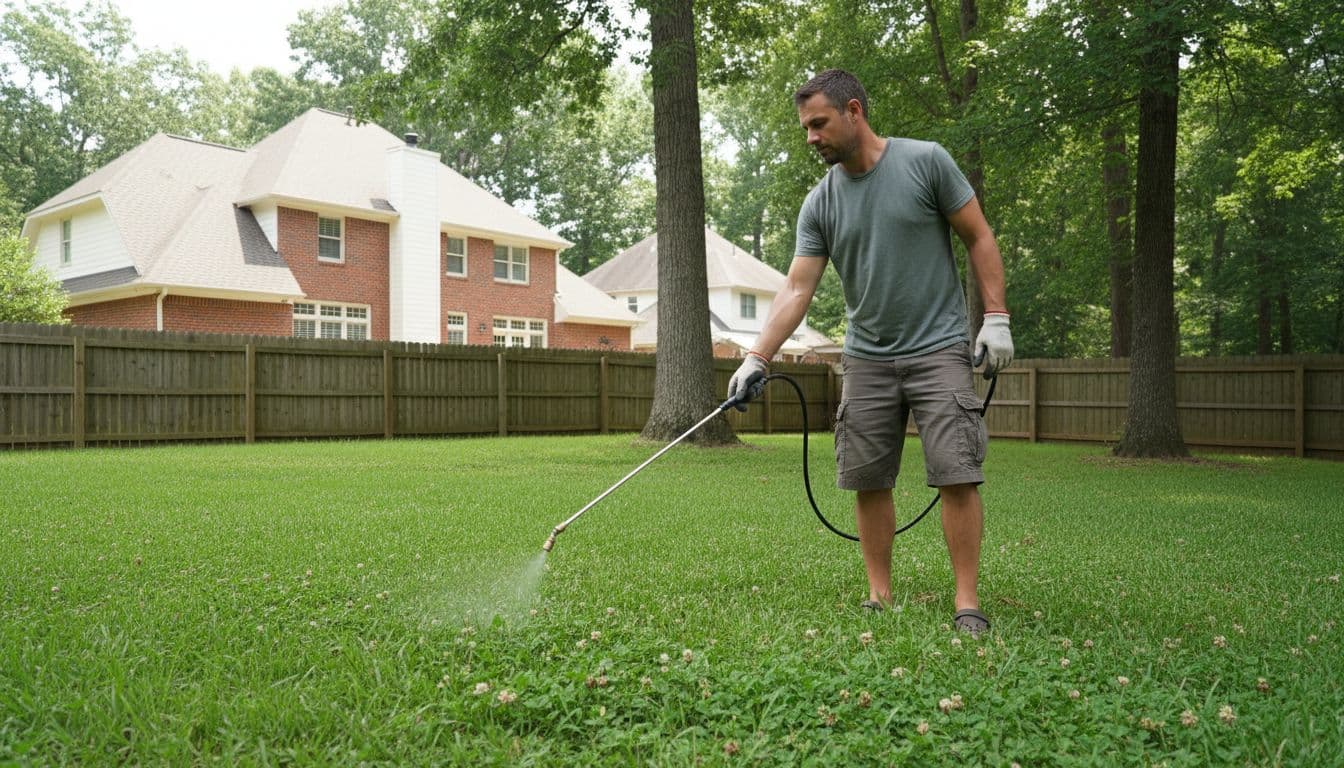
Some homeowners reach for broadleaf mixes or even non-selective sprays without checking turf safety first. That's a mistake. Non-selective products, such as glyphosate, don't belong over desirable Bermuda or Zoysia. Even selective products can discolor or thin warm-season turf if the lawn is weak or the day is too hot.
Two careful spot treatments usually work better than one heavy spray.
If your yard has mixed grass types, treat each area as its own lawn. And if you're not fully sure the weed is chamberbitter, pause before spraying. Correct identification saves time, money, and turf.
Conclusion
Chamberbitter wins when Atlanta lawns stay thin, wet, and stressed. Strong chamberbitter control starts with knowing the plant, then making Bermuda or Zoysia dense enough to crowd it out. Use water wisely, mow at the right height, and treat only with label-approved products for your exact turf. If the lawn is new, heat-stressed, or heavily infested, slowing down is often the smartest move.