Atlanta Decomposed Granite Patio Cost Guide for 2026
A decomposed granite patio can look polished without the price of pavers or natural stone. In 2026, the typical decomposed granite cost falls between $3 and $8 per square foot installed, although many Atlanta projects land closer to $5 to $8.
The difference usually comes from challenging local soil conditions like Georgia red clay, slope, drainage, access, and the amount of crushed granite and compacted base required. A simple patio on a level site may stay near the lower end, while a sloped backyard with water problems can cost much more. Here are the numbers, assumptions, and preparation details to use before requesting estimates.
Key Takeaways
- An Atlanta decomposed granite patio cost typically ranges from $3 to $8 per square foot installed , assuming professional labor and ordinary site access.
- A 320-square-foot patio commonly falls between $1,600 and $2,560 when it requires a compacted 4-inch aggregate layer and proper base preparation.
- Stabilized decomposed granite carries a higher decomposed granite cost than loose material, but it creates a firmer surface with less shifting and better resistance against heavy rainfall.
- Atlanta clay soil, poor drainage, steep grades, demolition, and difficult access can materially increase the overall decomposed granite cost.
- A written estimate should list excavation depth, base material, edging, drainage, compaction, delivery, and surface type separately.
Atlanta Decomposed Granite Patio Cost in 2026
For planning purposes, most Atlanta homeowners should budget $3 to $8 per square foot for a professionally installed decomposed granite patio. This range assumes a finished patio with excavation, aggregate base, decomposed granite, grading, compaction, and basic labor.
The lower end generally fits a small, straightforward project. The site is relatively level, equipment can reach the work area, the soil drains adequately, and the patio uses standard natural decomposed granite without extensive edging.
The upper end is more common when the contractor must remove soil, correct drainage, build a deeper base, or move material through a narrow side yard. Georgia red clay can hold water and become soft after rain, which often calls for more excavation and a 4 to 6 inch compacted base of crushed granite.
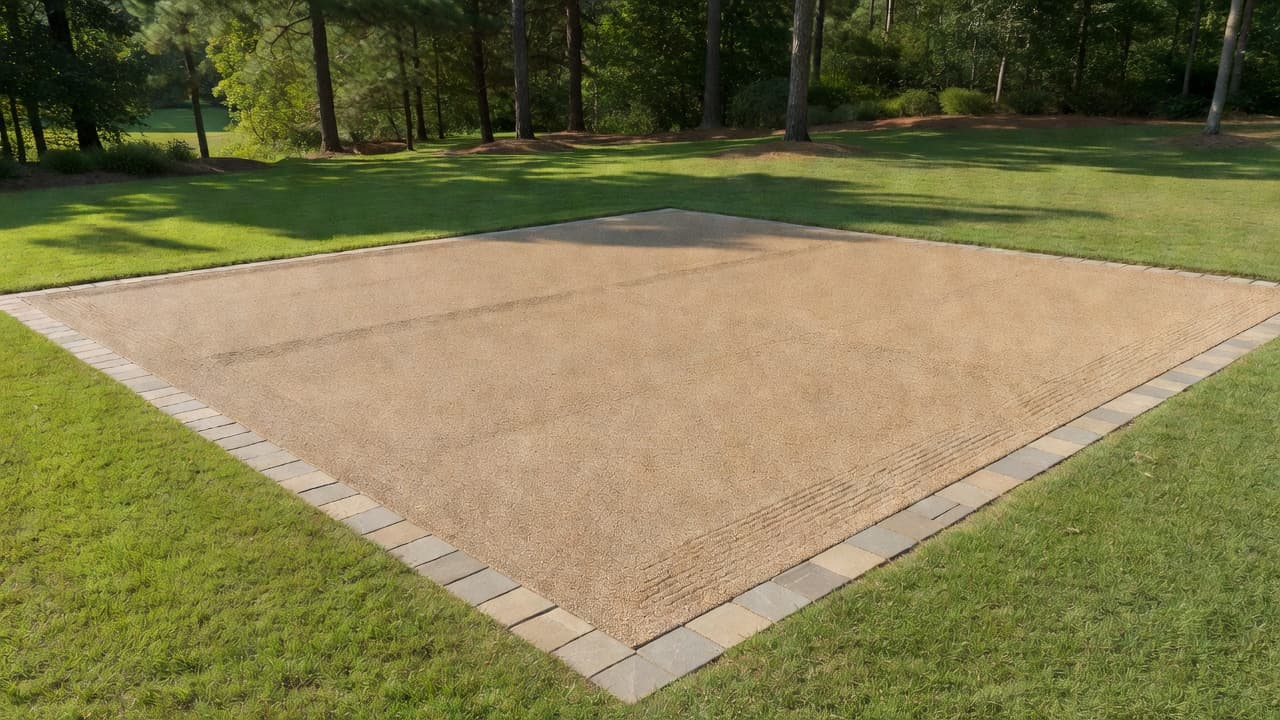
A patio price also depends on what you mean by decomposed granite, since the overall decomposed granite cost shifts based on your material choice. Loose DG contains fine particles that lock together when compacted, while stabilized decomposed granite includes a binder that helps the surface resist movement and erosion. These materials require different installation methods and produce different results.
The table below shows realistic 2026 planning ranges for Atlanta area projects, detailing how the Atlanta decomposed granite patio cost scales per square foot.
| Project type | Installed price per sq. ft. | 200 sq. ft. example | 320 sq. ft. example | Pricing assumptions |
|---|---|---|---|---|
| Simple loose DG patio | $3 to $5 | $600 to $1,000 | $960 to $1,600 | Level yard, easy access, natural decomposed granite, light excavation, basic edging |
| Standard compacted DG patio | $5 to $8 | $1,000 to $1,600 | $1,600 to $2,560 | 4-inch base of crushed granite, 4-inch DG surface, professional installation, drainage grading |
| Stabilized DG patio | $5 to $8 | $1,000 to $1,600 | $1,600 to $2,560 | Stabilized decomposed granite, firm base, standard access, limited drainage work |
| Drainage-heavy DG patio | $8 to $12 or more | $1,600 to $2,400 or more | $2,560 to $3,840 or more | Added excavation, swales or drains, poor soil, slope correction, or difficult access |
The last row is a planning allowance, not a universal market rate. It assumes the drainage work remains connected to the patio. A major retaining wall, extensive grading, or long underground drain may require a separate quote, which can further alter your final decomposed granite cost.
What Your Patio Budget Includes
A low material price doesn't tell you what the completed patio will cost. When evaluating the total decomposed granite cost, you must look closely at how the base material cost compares to overall labor expenses. Decomposed granite itself can be affordable, but a durable patio needs more than a layer of crushed stone spread over grass.
Most professional estimates include some combination of the following:
- Layout and measurements
- Removal of grass, roots, and unsuitable soil
- Excavation to the required depth
- Hauling or disposal of removed soil
- Landscape fabric where soil conditions call for it
- Compacted gravel base and thorough base preparation
- Decomposed granite surface material
- Edging along lawns, beds, or borders
- Grading for positive water flow
- Mechanical compaction
- Final cleanup and touch-up
Material prices vary by product, delivery distance, particle size, and stabilization additives. Basic DG may cost about $40 to $100 per cubic yard before delivery and installation. Stabilized DG or resin coated decomposed granite often costs about $100 to $225 per cubic yard before labor.
At a 2-inch depth, loose DG may cost roughly $1.15 to $1.75 per square foot for material. At 4 inches, the material cost can rise to $2.25 to $3.50 per square foot. Stabilized material generally costs more, with a 4-inch material allowance around $3.25 to $5 per square foot, and you can expect similar per square foot rates for premium surface selections.
These material ranges assume normal bulk delivery and do not include excavation, base stone, edging, labor, taxes, or disposal. Delivery can also become a noticeable line item when a truck cannot place material near the patio.
A patio that costs less because the contractor skips excavation or base preparation may develop ruts, puddles, or soft spots after Atlanta's wet weather.
Main Factors That Change Atlanta Patio Pricing
Clay soil and excavation depth
Atlanta properties often contain dense Georgia red clay. This specific soil condition can be hard to dig when dry and sticky when wet. It also drains more slowly than a sandy, well-drained soil.
A contractor may need to excavate below the organic topsoil and remove soft clay before installing the base. If the patio receives regular foot traffic or outdoor furniture, the finished section may need a deeper structural base than a decorative garden path.
A typical patio may use about 4 inches of compacted gravel base beneath about 4 inches of crushed granite. That means the contractor may excavate roughly 8 inches, plus additional depth for grading, fabric, or edging. Actual depth depends on soil, drainage, intended use, and the selected material.
Drainage and slope
Water is one of the largest cost variables. A patio must shed water away from the home and avoid sending runoff into a basement entrance, neighboring property, or low spot in the yard, especially during periods of heavy rainfall.
A gentle slope can often be formed during drainage grading. More difficult sites may need a swale, catch basin, channel drain, daylighted pipe, or other drainage solution. The patio itself may remain affordable, while the water-control work raises the project total.
Ask where rainwater will go before signing the estimate. A good plan should show the finished elevation near the house, the direction of surface flow, and the location of any drainage structures.
Base preparation and compaction
The base keeps the patio from settling unevenly. Without proper base preparation, traffic and rainfall can push the surface into the soil. Low areas may form around chairs, tables, and frequently used walking routes.
For local sites with challenging soil condition profiles, a 4- to 6-inch compacted gravel base is a common planning assumption. The contractor places the stone in lifts, adds moisture when appropriate, and achieves surface compaction on each layer using a mechanical plate compactor.
A deeper base can add excavation, aggregate, delivery, labor, and disposal costs. However, it often costs less than repairing a patio that settles within the first year.
Patio size and shape
Larger patios usually have a lower cost per square foot because setup and mobilization spread across more area. Small patios can still carry a minimum labor charge for delivery, excavation, equipment, and cleanup, whether you are building a seating area or a simple backyard garden path.
A simple rectangle is faster to grade and edge than a curved patio with several corners. Curves may require additional cutting, hand work, and custom edging. Steps, walkways, fire-pit areas, and connecting paths also add layout time.
Access to the backyard
A truck that can deliver crushed granite beside the work area reduces labor. A fenced yard, narrow gate, steep driveway, or long distance from the street can have the opposite effect.
Workers may need to use smaller equipment or move aggregate with wheelbarrows. That adds time and can increase turf damage. Tell the contractor about gates, fences, utility lines, septic areas, and any sections where equipment cannot travel.
Edging and finish details
Basic metal, plastic, or aluminum edge restraints can keep the material from spreading into the lawn. Stone, brick, concrete, or paver borders cost more but create a more finished appearance.
A border also helps with maintenance. Without defined edge restraints, mowing can pull loose material into the grass, while heavy rainfall can wash fine particles into planting beds.
Sample 2026 Project Budgets
Square footage gives you a starting point, but homeowners usually need a total project budget. The examples below use Atlanta planning assumptions and exclude major retaining walls, outdoor kitchens, pergolas, and extensive utility relocation.
| Patio size | Basic project total | Standard project total | Higher-complexity total | Assumptions |
|---|---|---|---|---|
| 200 sq. ft. | $600 to $1,000 | $1,000 to $1,600 | $1,600 to $2,400+ | Basic, 4-inch base, or drainage-heavy options respectively |
| 320 sq. ft. | $960 to $1,600 | $1,600 to $2,560 | $2,560 to $3,840+ | Level site, standard base, or added site work respectively |
| 400 sq. ft. | $1,200 to $2,000 | $2,000 to $3,200 | $3,200 to $4,800+ | Same scope differences, with professional compaction |
| 600 sq. ft. | $1,800 to $3,000 | $3,000 to $4,800 | $4,800 to $7,200+ | Larger patio with ordinary access and no major structures |
The standard example uses $5 to $8 per square foot . It assumes excavation, a 4-inch compacted gravel base, a compacted DG surface, basic edging, and normal access.
For a 320-square-foot patio, the standard project budget is therefore $1,600 to $2,560. A contractor may quote outside that range if the work includes demolition, drainage, a deeper base, premium stabilized decomposed granite, or extensive hand hauling.
The basic example uses $3 to $5 per square foot . It assumes a level area with limited excavation and a simple loose-DG finish. This option may fit a lightly used sitting area, but it isn't the right assumption for every Atlanta backyard.
The higher-complexity example uses $8 to $12 or more per square foot . It assumes connected drainage or grading work, difficult access, weak soil, or a sloped site. A retaining wall or major structural correction could push the project budget beyond these figures.
Loose or Stabilized Decomposed Granite?
Natural decomposed granite is the lower-cost option. Fine particles help it compact into a firm walking surface, and the material can blend naturally with lawns, trees, and planting beds. However, heavy rain and repeated foot traffic can move the surface over time.
Stabilized decomposed granite includes a binder that helps hold particles together. It usually feels firmer underfoot and resists ruts better. Resin coated decomposed granite takes this a step further, offering an even more durable finish that extends the service life of the installation. Both choices work well near outdoor dining areas, a busy garden path, and locations where heavy rainfall would otherwise wash material away.
| Surface choice | Material allowance | Best fit | Main trade-off |
|---|---|---|---|
| Natural DG, 2 inches | $1.15 to $1.75 per square foot | Decorative areas and light foot traffic | More movement and occasional replenishment |
| Natural DG, 4 inches | $2.25 to $3.50 per square foot | Patios with a compacted surface | Requires more material and proper base preparation |
| Stabilized DG, 2 inches | $1.60 to $2.50 per square foot | Firm paths and moderate use | Higher material cost than loose DG |
| Stabilized DG, 4 inches | $3.25 to $5 per square foot | Patio areas with frequent use | Higher material cost and installation requirements |
These are material allowances only. They assume bulk material and exclude base stone, excavation, edging, delivery, labor, and drainage.
A 4-inch surface is a common planning depth for patios and other high-traffic areas. A 2-inch layer may work for a pathway when the base is stable, but it provides less room for compaction and future surface maintenance.
How Contractors Build a DG Patio
A durable landscape installation starts with layout, not with dumping gravel. The contractor marks the patio, checks finished elevations, and identifies how water will leave the area.
Next, the crew removes sod, roots, and unsuitable soil. They excavate deeply enough for the base and surface while preserving the required slope. Any soft spots may need additional removal and replacement.
The exposed Georgia red clay is then shaped and compacted. Some properties benefit from landscape fabric between the subgrade and aggregate base. The fabric helps separate soil from stone and can reduce mixing on weak or wet sites.
The contractor installs the crushed granite base in layers. Each layer needs surface compaction before the next one goes down, often using a plate compactor to achieve solid results. Adding the full depth at once can leave an unstable section, even when the top looks smooth.
After the base is ready, the crew places the crushed granite and decomposed granite. They spread it evenly, wet it when the product requires moisture, and finish with careful surface compaction to create a stable area. Stabilized DG may require product-specific installation steps and curing time.
Finally, professional installation includes securing edge restraints, checking water flow, cleaning adjacent lawn areas, and removing excess material. The final grade should sit low enough beside the grass for mowing but high enough to avoid collecting runoff.
For patios connected to walls, steps, planting beds, or grade changes, Atlanta hardscaping and retaining walls can help you compare the structural work that may be needed around the patio, as well as any related landscape installation requirements.
How to Compare Estimates
Ask each contractor to price the same scope. One estimate may include only surface material, while another includes excavation, base preparation, fabric, edging, and cleanup. When evaluating the total project budget, pay close attention to how labor expenses are itemized across different bids.
A useful quote should state the patio dimensions and finished depth. It should also identify whether the surface is loose or stabilized decomposed granite. If the estimate says only "gravel patio," ask which material and particle size the contractor plans to install.
Look for these details:
- Square footage and patio shape
- Excavation depth and soil removal
- Aggregate base depth and material
- Geotextile fabric, if recommended
- Surface decomposed granite depth and product type
- Edging material and linear footage
- Drainage work and discharge location
- Delivery, disposal, and equipment charges
- Compaction method
- Cleanup and restoration of nearby turf
Ask whether the quote includes repairs if the patio settles or washes out during the installation warranty period. Also ask how the contractor protects the lawn and handles excess soil. Proper execution impacts the long term service life of your outdoor living area, whether you hire a team for professional installation or attempt a DIY installation.
If you are comparing decomposed granite cost with other surfaces, a 2026 patio installation pricing guide can help put pavers beside decomposed granite. Pavers generally cost more because they require individual placement, more precise base preparation, and additional edge restraint.
A gravel driveway has different structural needs than a patio due to the weight of vehicles. Still, the Atlanta gravel driveway cost guide offers useful context about how grading, drainage, access, and aggregate depth affect outdoor surface pricing. Evaluating gravel driveway estimates alongside your patio bids will reveal how different contractors price hauling and heavy base work.
Ways to Keep the Project Within Budget
Start with the patio location. A level area near existing access costs less than a steep section at the far end of the yard. Moving the layout a few feet may reduce excavation and hand hauling, helping you stick to your target project budget.
Keep the shape simple if cost is the main concern. A rectangle or gentle curve requires less layout and edging work than a complex design with multiple sections. You might also save on total labor expenses by managing basic steps like site prep through a DIY installation, provided you have the right tools.
Use loose DG where it fits the way you use the space. Stabilized DG makes sense in high traffic areas, but choosing natural decomposed granite for a lightly used garden sitting area keeps the upfront material cost much lower. A careful approach to your overall material cost helps you balance durability and savings.
Plan drainage before selecting finishes. A low cost surface installed in the wrong location can develop problems that require regrading later. Sometimes a modest swale or revised patio location costs less than a full drainage retrofit, especially when professional drainage grading is factored into the plan.
Choose edging based on the setting. A basic border may provide enough function beside lawn, while stone edging can be worthwhile beside a formal planting bed or existing retaining wall. A straightforward landscape installation keeps expenses predictable from start to finish.
Schedule the work when the site can support equipment and deliveries. Wet clay can slow excavation and create ruts. If the local soil condition is too saturated, the contractor may recommend waiting for better conditions rather than compacting wet earth, which prevents costly repairs down the road and protects your overall project budget.
Is Decomposed Granite a Good Choice for an Atlanta Patio?
Natural decomposed granite works well when you want an earthy surface, moderate installation cost, and a softer appearance than concrete or pavers. It fits informal gardens, fire-pit areas, side-yard sitting spaces, and patios surrounded by lawn.
The surface also has limits. Loose material may shift under furniture, scatter onto grass, or wash away during heavy rainfall on steep grades. Stabilized decomposed granite reduces movement, but it still needs a properly prepared base and suitable drainage to maximize its service life.
Concrete pavers cost more but offer a wider range of patterns and a more structured finish. Natural stone costs more again, especially when the site needs precise cuts, mortar, or additional structural preparation. Crushed granite and similar materials often function similarly to a gravel driveway, providing utility with a slightly different texture.
For many Atlanta homeowners, the right choice depends on how the patio will be used. Occasional seating or a quiet garden path may work well with natural decomposed granite. Daily dining, heavy furniture, or a sharply sloped yard may justify stabilized decomposed granite or a different patio surface entirely.
How Much Should You Set Aside?
For a typical 320 square foot Atlanta patio, set aside $1,600 to $2,560 when the project includes a proper compacted base and ordinary access. A simple job may cost less, while drainage, a difficult soil condition, or hand access can push the total above $3,000. Overall, the total decomposed granite cost heavily depends on the scope of your initial project budget.
Measure the proposed area, note the slope, and check where rainwater currently collects. Then request estimates that separate surface material from base preparation and drainage. That approach makes it easier to compare bids on a per square foot basis and see whether a low decomposed granite cost leaves out essential work your yard needs.
Frequently Asked Questions
How much does a decomposed granite patio cost in Atlanta?
Most professionally installed decomposed granite patios in Atlanta cost between $3 and $8 per square foot. For a standard 320-square-foot patio with a proper crushed granite base, homeowners generally budget between $1,600 and $2,560.
Why does Atlanta red clay affect decomposed granite patio pricing?
Atlanta red clay holds moisture and can become soft after heavy rains, which often requires contractors to excavate deeper and install a 4-to-6-inch compacted gravel base. These extra steps prevent the patio from settling or developing puddles, but they do increase overall labor and material costs.
What is the difference between loose and stabilized decomposed granite?
Loose decomposed granite contains fine particles that lock together naturally when compacted, offering an affordable and earthy surface for light foot traffic. Stabilized decomposed granite includes a special binder that helps the surface resist heavy rainfall, erosion, and shifting under furniture.
Can I install a decomposed granite patio myself to save money?
While a DIY installation is possible for a simple, level area with easy access, it requires renting a mechanical compactor and hauling heavy aggregate materials. Skipping proper base preparation or drainage grading often leads to ruts and washouts during Atlanta's wet weather.
Conclusion
The realistic Atlanta decomposed granite patio cost for 2026 is usually $3 to $8 per square foot, with $5 to $8 a better planning range for many clay soil properties. The overall decomposed granite cost depends less on the aggregate alone than on excavation, drainage, base depth, compaction, edging, and access.
A well-prepared 320 square foot patio often fits a $1,600 to $2,560 budget under standard conditions. Before choosing the lowest estimate, confirm that it includes the base and water management work your site requires. A stable landscape installation using properly compacted crushed granite is what keeps an affordable DG patio useful after the next season of heavy rainfall in the region.