Atlanta Gravel Driveway Cost Guide for 2026
A gravel driveway can be one of the most budget-friendly ways to improve a property, but the final price in Atlanta can swing more than many homeowners expect. In 2026, Atlanta gravel driveway cost usually falls in a broad range because no two sites are the same.
Most jobs look simple from the street. Then the estimator sees a steep slope, soft soil, runoff issues, or tight access, and the quote changes fast. If you want a realistic budget, you need to start with the numbers, then factor in the lot itself.
What Atlanta homeowners are paying in 2026
Recent 2026 pricing in Atlanta points to about $2 to $5 per square foot for professional gravel driveway installation. For a standard 600-square-foot two-car driveway , that usually lands around $1,200 to $3,000 .
A quick planning number of $2.50 to $4 per square foot works well for many homeowners. That range is wide enough to cover normal prep without drifting into worst-case pricing.
Here's a simple look at common driveway sizes:
| Driveway size | Approx. area | Typical installed cost |
|---|---|---|
| Single-car driveway | 200 to 250 sq ft | $400 to $1,000 |
| Standard two-car driveway | About 600 sq ft | $1,216 to $3,040 |
| Large three-car driveway | 1,000 to 1,200 sq ft | $2,304 to $5,760 |
Those figures fit a fairly straightforward project. If the site needs heavy grading, drainage work, or old material removal, the total can climb well beyond the top end.
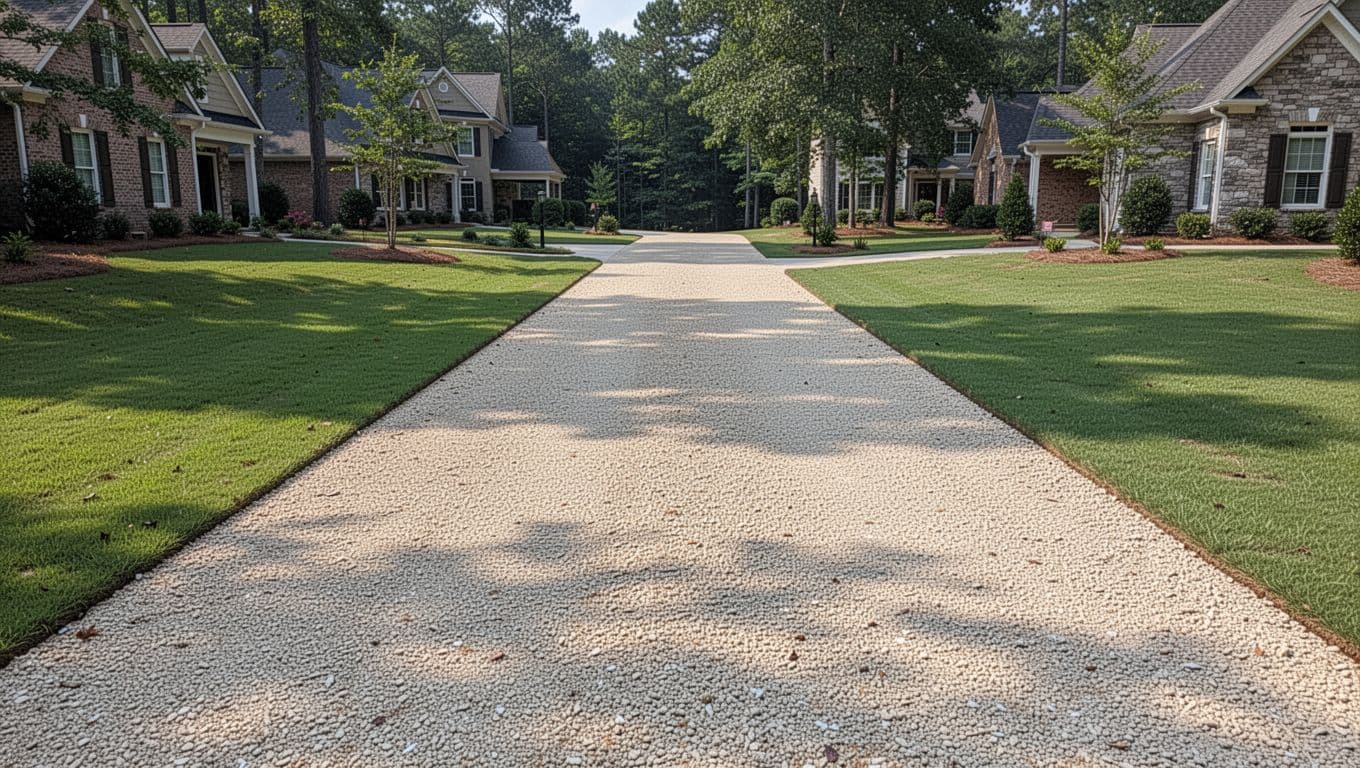
A gravel driveway can be inexpensive to install, but water problems can make it costly to maintain.
Why the quote changes so much
The biggest price swings usually come from site prep. Gravel itself is only part of the job. The labor to shape the base, compact the surface, and move water away from the drive often matters more.
A clean lot with good access is one thing. A narrow intown driveway with no place for equipment is another. In Atlanta, that difference can show up right away in the estimate.
Several factors push the cost up:
- Grading and slope correction can add labor and equipment time, especially on side yards or hillside lots.
- Drainage fixes may be needed if rain runs across the driveway or toward the house.
- Removal of old material costs more when crews must haul away broken asphalt, concrete, or deep mud.
- Tight access in older Atlanta neighborhoods can slow the work and limit truck size.
- Erosion control helps hold the gravel in place after heavy rain, which matters on sloped properties.
If your yard already sheds water well, the job is easier. If not, professional grading and paving services can help correct the surface before the gravel goes down.
Gravel type and base depth shape the final price
Not all gravel works the same way. Some mixes are better for the base, while others are better for the finish. The best choice depends on how the driveway will be used and how much traffic it gets.
A compacted base is usually the most important layer. It gives the driveway strength and helps prevent ruts. The top layer affects appearance and how the surface feels under tires.
Common options include:
- Crusher run works well as a base because it packs tightly.
- Pea gravel has a smoother look, but it can shift more on slopes.
- Washed stone looks clean and drains well, though it may cost more.
Depth matters too. A thin driveway may look fine on day one, then sink or spread after the first storm season. A thicker, well-compacted build costs more up front, but it usually lasts longer and needs fewer touch-ups.
For properties that are still wooded, rough, or overgrown, land clearing and site preparation services may come before the gravel work. That step can remove stumps, debris, and uneven soil so the driveway starts on solid ground.
Atlanta site conditions that change the budget
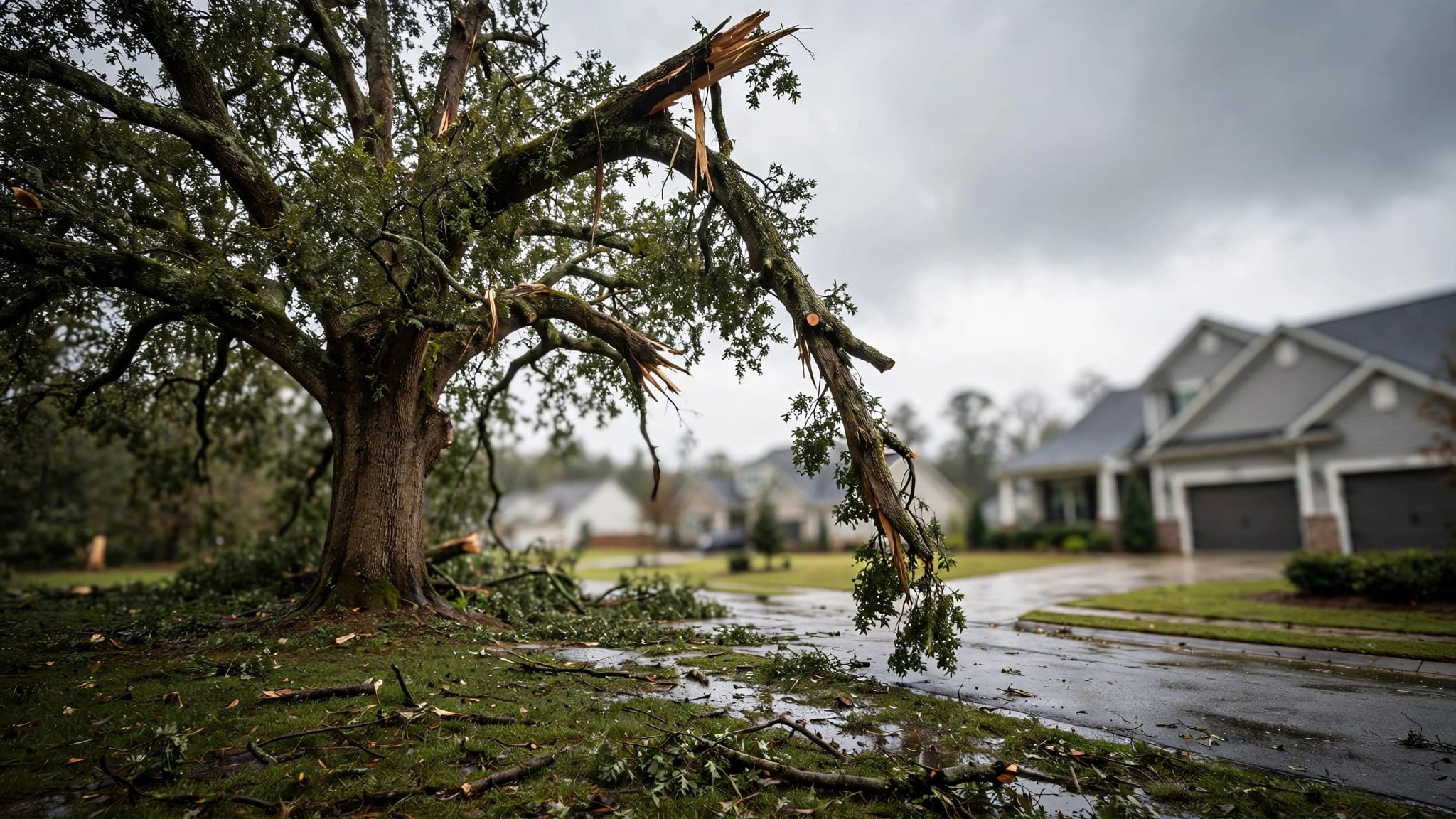
Atlanta weather is part of the price story. Heavy rain can wash loose stone out of place fast, especially on sloped lots. Clay-heavy soil also holds water, which can leave soft spots under the surface.
Intown lots bring another challenge. Trucks and compacting equipment may have to fit into narrow driveways, tight alleys, or small side yards. Suburban properties often have better access, so crews can work faster and more efficiently.
These local conditions deserve close attention:
- Heavy rain and runoff can push the driveway out of shape if water has nowhere to go.
- Sloped lots often need extra grading and edge control.
- Soft soil may need a stronger base before the gravel is spread.
- Older driveways may hide failing layers underneath the new surface.
- Small access points can slow delivery and raise labor time.
A driveway in Atlanta should be built for water first and looks second. If the slope is wrong, gravel won't stay put for long.
What a solid estimate should include
A good quote is more than a lump sum. It should show what the crew is actually doing, so you can compare bids on equal terms.
Look for these items in writing:
- Square footage or driveway length and width
- Grade work and any slope correction
- Gravel type and depth
- Compaction and finish work
- Drainage or erosion control
- Removal and haul-off of old material
- Delivery and equipment access charges
- Cleanup after the job
That level of detail makes it easier to see why one bid is lower than another. A low number can look good until the crew adds drainage work, haul-off, or extra stone.
When gravel makes sense, and when it doesn't
Gravel is a strong fit when you want lower upfront cost, faster installation, or a driveway that can be built around tricky terrain. It also works well for long rural drives and properties that don't need a polished paved finish.
It may not be the best choice if the driveway gets constant turning, has serious water issues, or needs a more finished look. In those cases, a stronger surface may save money over time.
A gravel driveway can also be a smart short-term step. Some homeowners use it now and plan for paving later after the site is graded and settled. That approach is common on lots that still need dirt work or drainage fixes first.
Conclusion
For 2026, most Atlanta homeowners can expect a gravel driveway to cost about $2 to $5 per square foot , with a standard two-car drive often landing between $1,200 and $3,000 . The real number depends on grading, drainage, access, gravel type, and whether old material has to come out first.
If your lot is flat and easy to reach, the budget may stay near the lower end. If it's sloped, wet, or tight to access, the price will climb. An on-site estimate is the best way to get the exact number for your property, because the driveway itself tells the real story.