Atlanta Black Spot Roses: Wet-Summer Care Guide
Black spot can strip a rose bush of leaves during one long stretch of Atlanta rain. For Atlanta black spot roses , the main problem is prolonged leaf wetness, which allows a fungal disease to spread across fresh foliage.
The damaged leaves won't recover, but the plant can still produce healthy growth. With better airflow, careful watering, prompt cleanup, and timely prevention, you can protect the leaves that grow next. Start with the symptoms, then adjust your routine before the next wet spell.
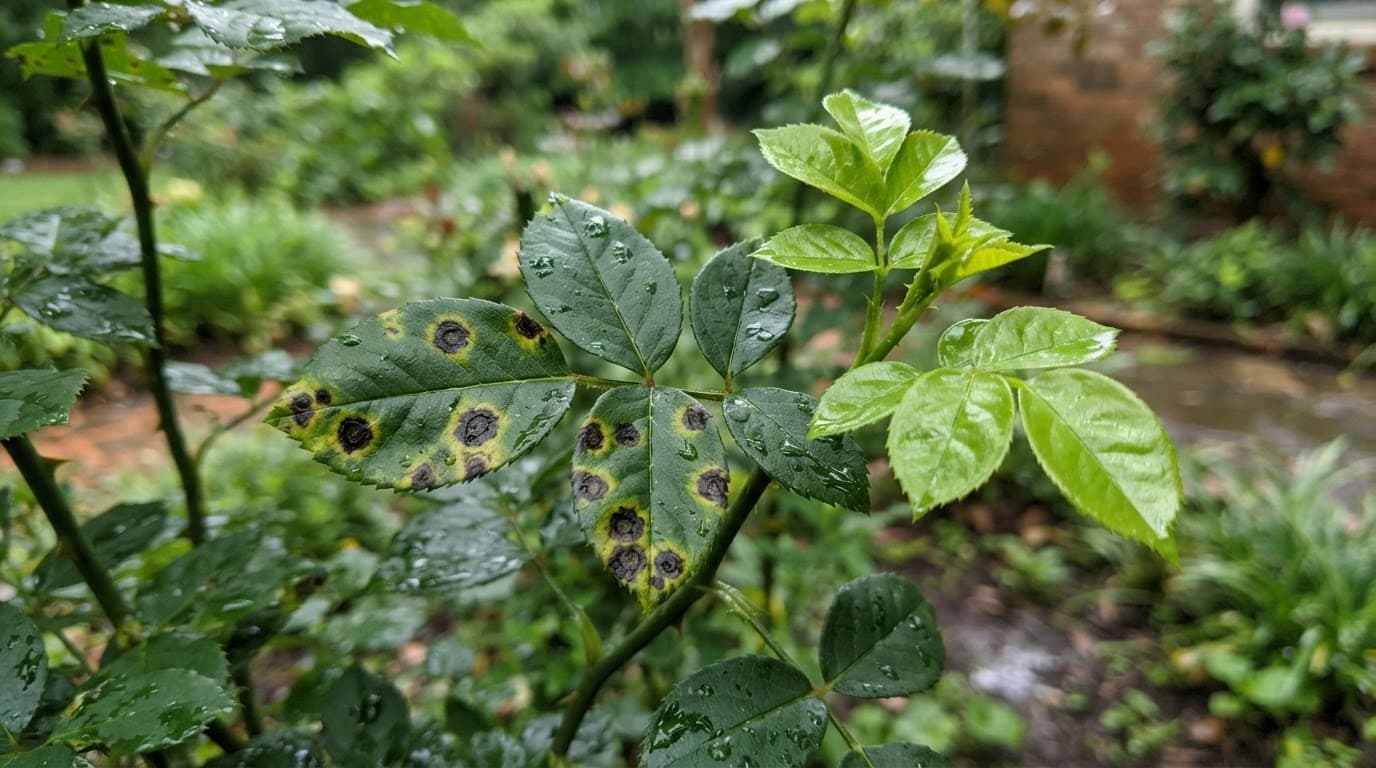
What Black Spot Looks Like on Roses
Rose black spot is a fungal disease caused by Diplocarpon rosae. It often begins on older leaves near the lower part of the plant. Small dark spots expand into round or irregular patches, often with feathery edges and yellowing around them.
As the disease progresses, affected leaves turn yellow and drop. A heavily infected rose may look thin by midsummer, even when its canes and roots remain alive. Black spot can also reduce flowering because the plant has fewer healthy leaves to produce energy.
Early symptoms to watch for
Check your roses at least once a week during rainy weather. Look at both the upper and lower leaves, especially where branches overlap and air moves slowly.
Common signs include:
- Dark, circular spots that grow outward on the leaf surface.
- Yellow areas surrounding the spots.
- Leaves dropping from the bottom of the shrub first.
- New leaves developing spots soon after they unfold.
- Bare sections inside a dense or crowded plant.
Black spot is different from simple sun damage or insect feeding. Insect damage usually creates holes, ragged edges, or pale trails. Fungal spotting tends to spread across several leaves in the same area.
How the fungus spreads
Rain and irrigation water splash spores from infected leaves and fallen debris onto healthy foliage. Warm, humid weather gives those spores time to germinate. Several hours of continuous wetness can be enough for infection when conditions are favorable.
A crowded rose bed makes the problem worse. Leaves touch each other, water stays trapped inside the canopy, and drying takes longer after afternoon storms. That pattern is common in Metro Atlanta, where summer humidity and frequent thunderstorms can keep roses wet repeatedly.
Why Atlanta's Wet Summers Favor Black Spot
Atlanta roses face a difficult combination during summer: warm temperatures, humid nights, heavy rain, and quick changes between sunshine and storms. A rose that stays wet through the evening may still have damp leaves the next morning.
The disease doesn't need standing water around the roots. It mainly needs moisture on the foliage. That makes overhead sprinklers, dense growth, and poor spacing more important than the total amount of water in the soil.
Clay-heavy soil can add another problem. When beds stay saturated, roots receive less air and the plant may grow more slowly. Avoid responding with frequent shallow watering. Check the soil several inches down and water only when the root zone begins to dry.
Morning watering gives the foliage more time to dry before night. Good drainage, a moderate mulch layer, and open space around each rose also help the bed dry sooner after storms.
Atlanta Black Spot Roses: Prevention Plan for Wet Summers
Prevention works better than trying to rescue a rose after most of its leaves show symptoms. The goal is to reduce wetness, limit spore movement, and protect new leaves as they appear.
For Atlanta black spot roses, begin these habits in spring and maintain them through the rainy part of summer. A single cleanup can help, but consistent care matters more than one aggressive treatment.
Prune for better airflow
Use clean, sharp pruners to remove dead, damaged, weak, or crossing canes. Cut out branches that grow toward the center of the shrub. Thin crowded areas so leaves have space around them, but avoid removing large amounts of healthy growth during extreme heat.
Make cuts slightly above an outward-facing bud. Remove spent flowers when practical, especially when petals collect inside the plant and keep nearby leaves damp. Disinfect pruners between visibly diseased plants with 70% isopropyl alcohol.
Don't shear roses into a tight ball. That shape creates a dense outer shell and a shaded, humid center. An open vase shape allows air to pass through the plant after rain.
Keep rose foliage dry
Water at the soil line with a soaker hose or drip system. If you use a handheld hose, direct the stream toward the base instead of spraying the leaves.
Water in the morning rather than late afternoon or at night. Avoid working around the roses while the foliage is wet, since movement can spread moisture and debris between plants. Leave enough space between roses and nearby shrubs for air to circulate.
Mulch can reduce soil splash, but keep it loose and about 2 to 3 inches deep. Pull it a few inches away from the canes. Wet mulch piled against the base holds moisture where the plant needs to dry.
Remove Infected Leaves and Fallen Debris
Sanitation reduces the number of spores available to reinfect new growth. It won't remove every spore from a garden, but it can lower the disease pressure around the shrub.
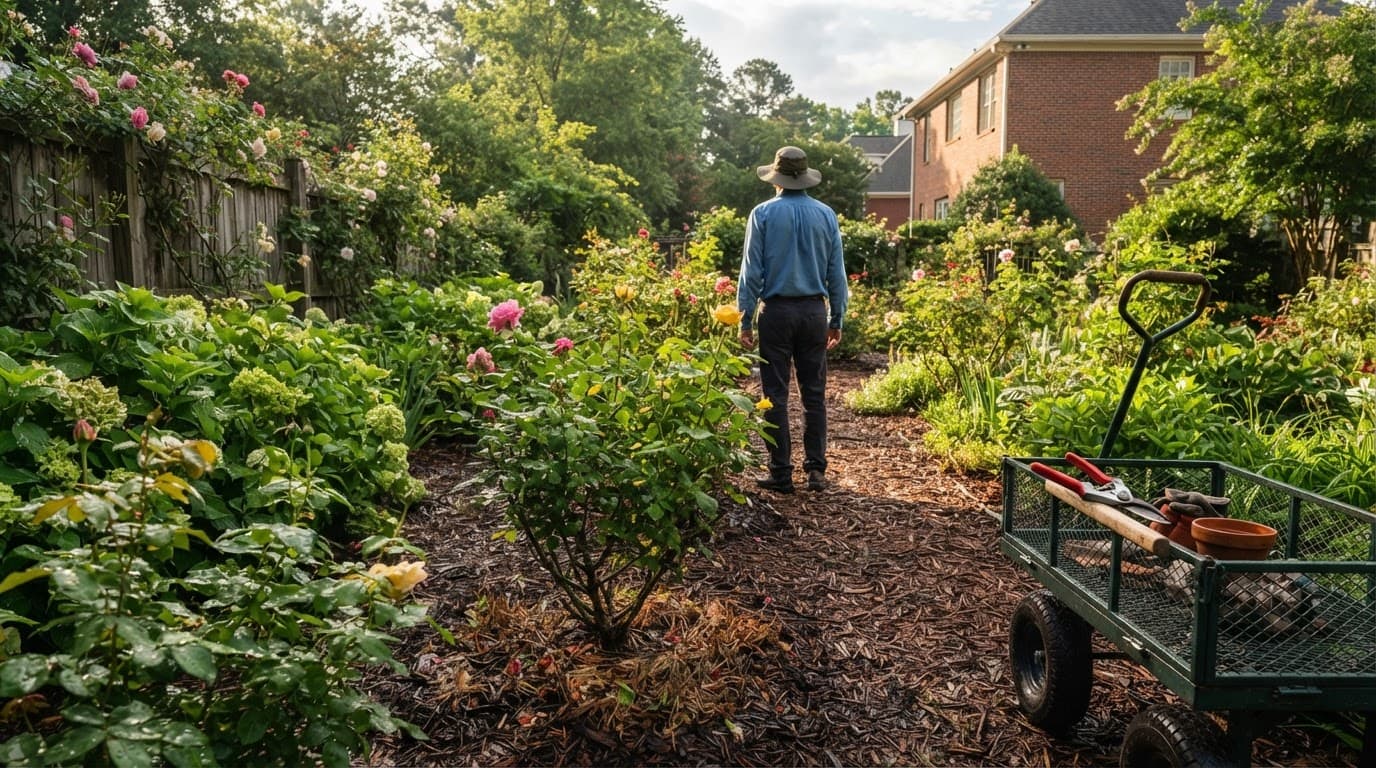
Pick up fallen rose leaves whenever you see them, particularly after a long rainy period. Check under the canopy, along bed edges, and in mulch pockets where leaves collect. Don't leave infected leaves beneath the plant until fall.
Clean the plant during the season
Remove badly spotted leaves with clean pruners or gloved hands. Take the leaf away from the bed instead of dropping it on the soil. If a branch has several infected leaves, remove the worst section without stripping the entire shrub during hot weather.
Bag diseased material for disposal according to local waste rules. A backyard compost pile may not reach temperatures high enough to destroy every fungal spore, so infected rose leaves usually don't belong there.
After handling a diseased plant, clean your gloves and tools before moving to another rose. This small step helps prevent you from carrying wet debris and spores across the bed.
Reset the bed after heavy leaf drop
When a rose loses many leaves, rake the surrounding soil and remove the fallen material. Replace only matted or heavily contaminated mulch, rather than piling fresh mulch over debris. Keep the bed surface loose so rain can drain and air can reach the soil.
If a large planting bed has accumulated leaves, weeds, and old mulch, Atlanta seasonal cleanup cost estimates can help you plan the cleanup. A tidy bed is easier to inspect and maintain during the next storm cycle.
When to Start Preventive Treatments
Fungicides work best as protectants. They help shield healthy leaves before infection occurs, but they won't restore leaves that already have black spots or yellow damage.
Begin preventive treatments when roses start pushing new leaves in spring, before a pattern of wet weather arrives. In Metro Atlanta, that often means starting during the spring growth period and continuing through summer when rain remains frequent.
Begin before the first serious outbreak
Read the product label and choose a fungicide labeled for black spot on roses. Products may contain active ingredients such as chlorothalonil, myclobutanil, propiconazole, or tebuconazole, depending on the product. Availability and instructions vary, so the label is the final guide.
Apply thoroughly to the foliage, including the undersides when the label directs that coverage. Follow the listed interval and rain instructions. Don't spray more often than recommended, and don't combine products unless the label allows it.
If you prefer lower-toxicity options, some copper or sulfur products are labeled for fungal diseases. These can injure rose foliage during hot weather or when combined incorrectly with other products. Follow temperature, mixing, and application instructions carefully.
Apply for protection, not repair
Continue checking new leaves after each treatment. A product may need reapplication after rain, but only when the label says rain has reduced protection. Rotating products with different active ingredient groups can help reduce resistance when repeated applications are needed.
Avoid spraying drought-stressed roses or applying treatments during the hottest part of the day. Water the root zone first when the plant needs moisture, then wait for suitable conditions listed on the product label.
The strongest sign of improvement is clean new growth. Old leaves with lesions may stay marked, yellow, or fall away even after the fungus is under control.
Atlanta Rose Black Spot Troubleshooting
Black spot control often fails because one part of the routine is missing. Review the plant's moisture, spacing, sanitation, and treatment schedule together instead of relying on a single spray.
If the leaves already have spots
Remove the worst infected leaves and clear the ground beneath the shrub. Keep the remaining healthy foliage if possible, since a rose needs leaves to support new growth.
Don't expect spotted leaves to turn green again. Watch the next flush of leaves for two to three weeks. If new leaves stay clean, your control plan is working even though older damage remains visible.
A rose that has lost many leaves needs steady root-zone watering and reasonable care. Avoid heavy fertilizing or severe summer pruning while it recovers. Both can add stress during hot weather.
If black spot keeps returning
Check whether a sprinkler wets the leaves, whether dense branches block airflow, or whether fallen leaves remain under the shrub. Also review whether preventive applications began after symptoms were already widespread.
Persistent spotting can involve another leaf disease, especially when the marks don't have the familiar black, round appearance or when stems show unusual damage. Compare symptoms across the plant and seek a local plant diagnosis if the pattern remains unclear.
For Atlanta black spot roses , prevention should combine several small changes: open pruning, dry foliage, clean beds, and protection of new leaves. Spraying alone rarely fixes a rose planted in a damp, crowded setting.
Conclusion
Atlanta's wet summers create ideal conditions for rose black spot, but the disease doesn't have to define the entire season. Remove infected leaves and fallen debris, improve airflow, water at the base in the morning, and begin preventive treatments as new growth emerges.
Damaged leaves won't recover, so judge success by the condition of the new growth . When fresh leaves remain green and clean, your rose is moving in the right direction, even if older foliage still shows the scars of a rainy summer.