Atlanta Erosion Control Guide for Sloped Yards and Bare Banks
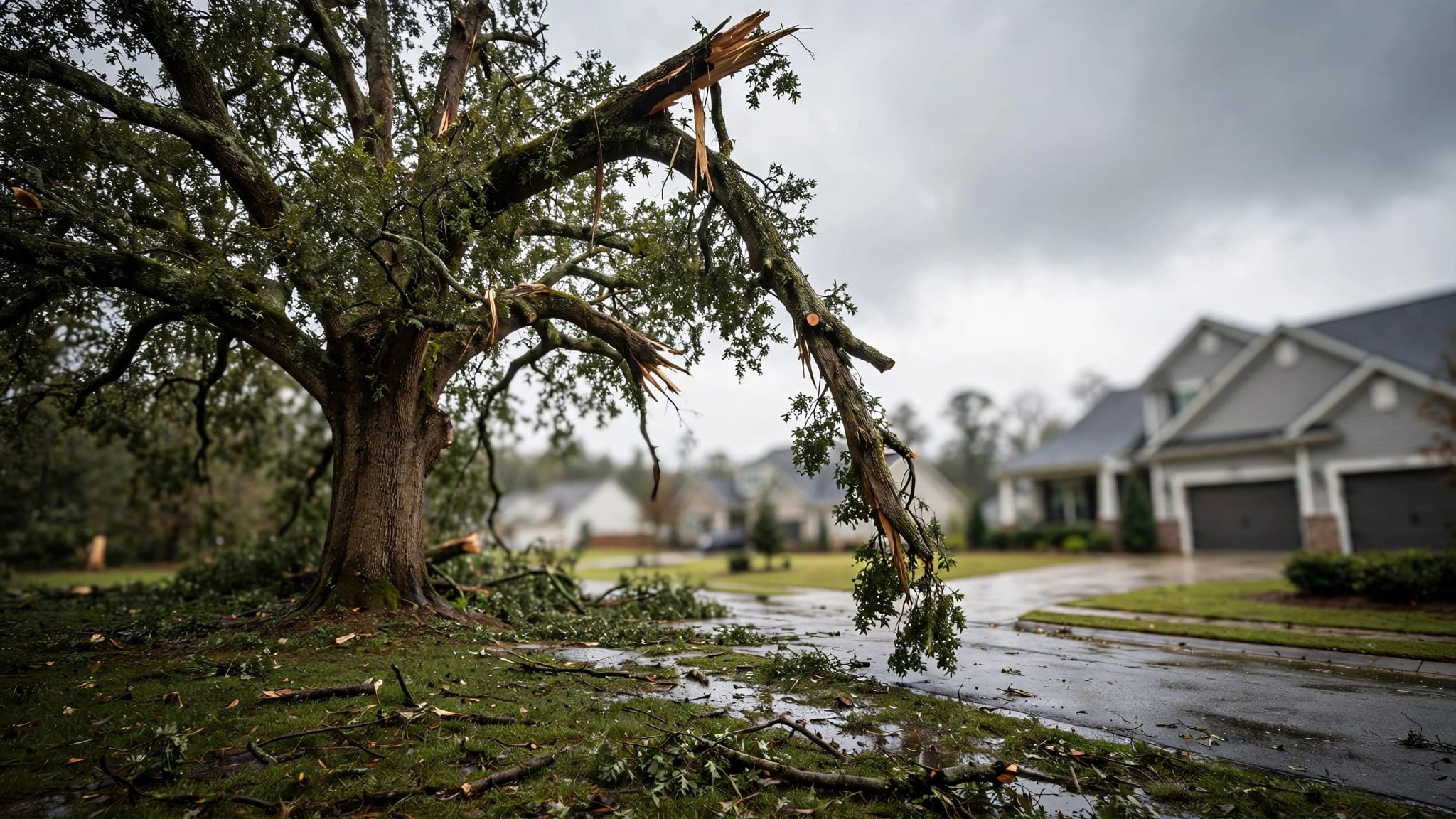
A sloped yard in Metro Atlanta can look fine for months, then one hard rain carves a rut you can't ignore. The problem usually isn't your grass. It's water moving too fast over bare soil , especially red clay that seals up and sheds runoff.
This Atlanta erosion control guide breaks the job into a simple plan: figure out where the water is coming from, stabilize the soil fast (even if you're not ready to landscape yet), then lock it in with the right plants for sun, shade, and clay. You'll also see clear Do and Don't callouts, plus safety tips for steep slopes and areas near water.
Start with the "why": what causes erosion on Atlanta slopes
Erosion needs two things: exposed soil and moving water. Atlanta yards often have both. Clay soil compacts easily, so instead of soaking in, rain races downhill like it's on a slide. Add roof runoff from short downspouts, and a small slope turns into a mini drainage channel.
Before buying anything, spend 10 minutes watching the next rainfall (or look for clues right after). You're trying to spot the source and the exit route. Most yard erosion falls into one of these patterns:
- Sheet flow : water spreads across the slope and slowly removes a thin layer of soil.
- Rills and gullies : small grooves form, then deepen each storm.
- Bank sloughing : the face of a bare bank crumbles in chunks, often after it stays wet.
Here's a quick assessment checklist you can do with a phone and a tape measure:
- Find the trigger : downspout splash, driveway runoff, HVAC drain, or a neighbor's higher grade.
- Mark the path : trace where sediment ends up (sidewalks, driveway, fence line, storm inlet).
- Measure steepness : if it feels sketchy to stand on, treat it as a safety issue first.
- Check the bottom edge : if soil is leaving your property, you need a catch point now.
Biggest "gotcha": fixing the slope surface won't last if the water source keeps blasting it.
If the slope points water toward the house or keeps the yard soggy, start with drainage. This guide on Atlanta drainage fixes for soggy lawns helps you choose between regrading, drains, and rock channels.
DIY erosion control materials and tools that actually help
Think of erosion protection like a bandage. You're covering soil so roots can take over later. In Atlanta, the best DIY setups usually combine surface cover (mulch or matting) with edge control (something that catches sediment).
Here's a practical materials and tools list for most sloped yards and bare banks:
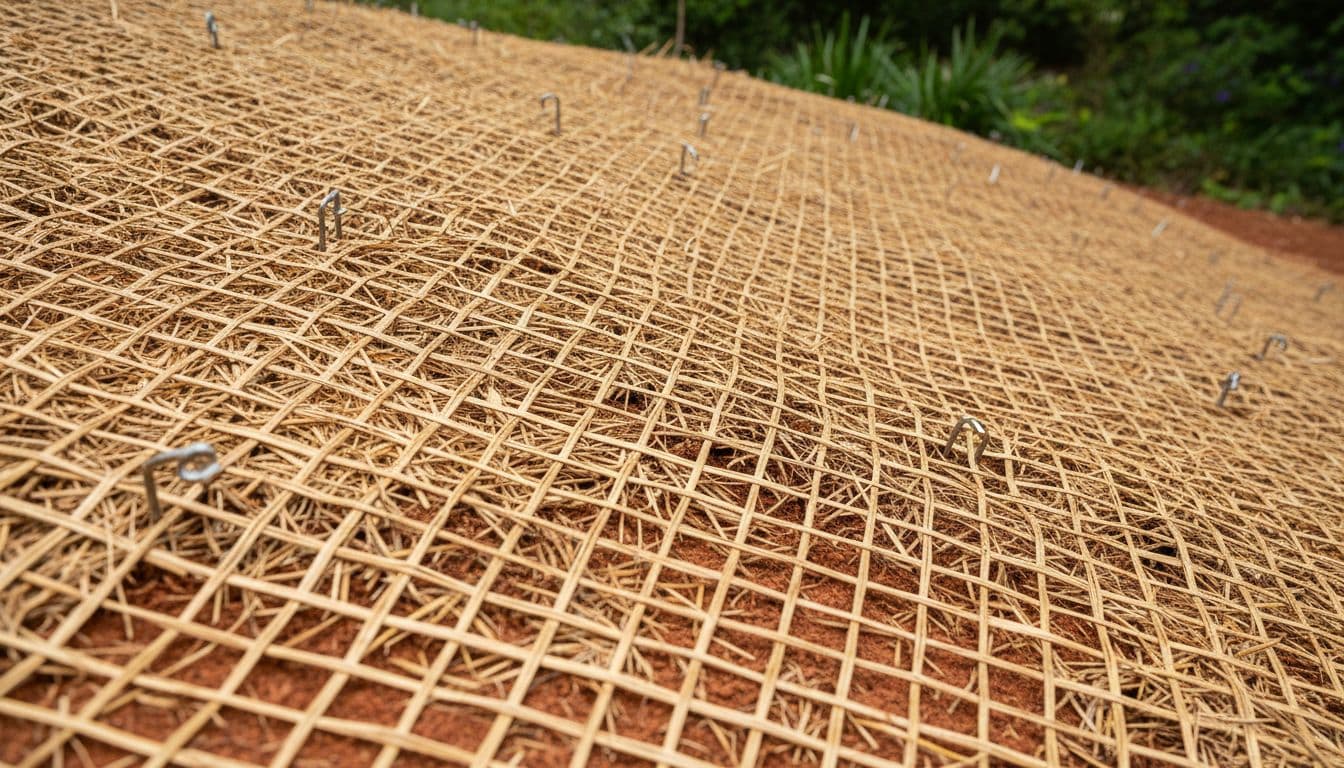
- Erosion control blankets (ECBs) : straw blankets for mild slopes, coconut coir for longer life, jute for quick biodegrading.
- Staples : 6-inch to 8-inch U-shaped staples for most blankets, longer for loose soil.
- Compost or screened topsoil : a thin layer helps seed germinate and reduces crusting.
- Seed or plants : use a mix, not a single plant, so roots knit the slope together.
- Mulch : shredded hardwood mulch holds better than nuggets on slopes.
- Straw : OK short-term for seed cover, but it blows and floats more than mulch.
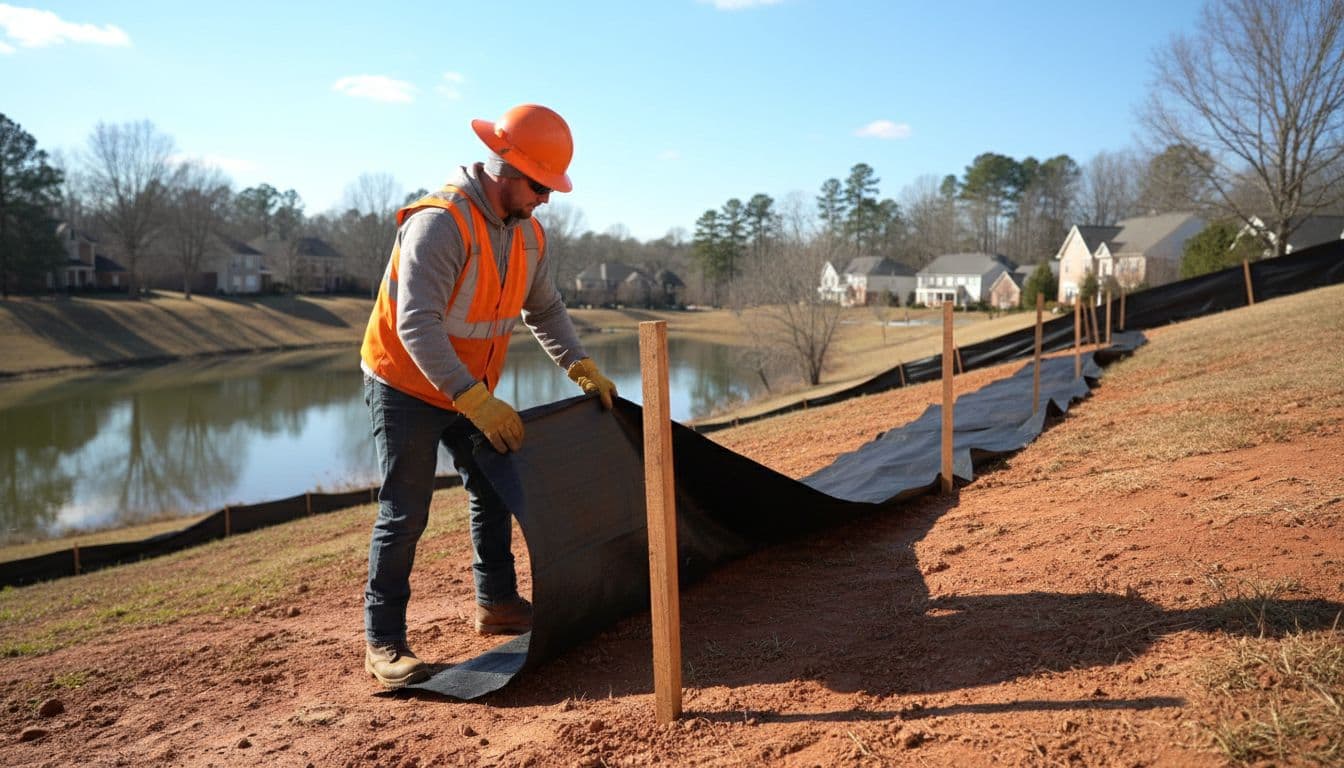
- Silt fence or wattles : for temporary protection at the bottom edge (especially near a sidewalk or creek).
- Hand tools : steel rake, flat shovel, hand tamper, utility knife (for matting), and a hammer or mallet for staples.
Do
- Cover bare dirt within days , not weeks. A single storm can undo weekend work.
- Staple like you mean it : tight to the soil, extra staples at seams and edges.
- Use shredded mulch on slopes so it interlocks and stays put.
Don't
- Don't use slick plastic sheeting. It speeds runoff and can fail all at once.
- Don't rely on straw alone on a steep bank. It moves downhill fast.
- Don't bury a drainage problem under pretty mulch. Water will still find a way.
Step-by-step: stabilize a bare bank or sloped yard (fast, then permanent)
If you want results, follow a simple order: stop the water, protect the bottom, then rebuild the surface. Trying to "pretty up" the slope first is like painting a leak.
Step 1: Reduce the water's speed and volume
Extend downspouts, redirect splash zones, and fix obvious channels. Sometimes a small swale or a short rock run-out prevents most damage. If a wall is involved, water pressure behind it can push and shift the structure. Use this guide to fixing leaning retaining walls to spot red flags before you dig.
Step 2: Install temporary sediment control at the bottom
This is your "catcher's mitt." It won't stop erosion by itself, but it keeps soil from leaving the site while you work.
Step 3: Shape and prep the slope surface
Rake out rills, knock down sharp ridges, and lightly rough the soil. On clay, that rough surface matters because it gives seed and compost a place to hold.
Step 4: Add a thin growing layer, then seed or plant
Spread a light layer of compost or screened topsoil (think: thin enough to still see the soil texture). Next, seed and press it in, or plant plugs and small containers in a staggered pattern.
Step 5: Blanket the slope and staple it tight
Overlap seams, tuck the top edge into a shallow trench, and staple the daylights out of it. Water lightly to settle.
Safety notes (don't skip these):
- On steep slopes, don't work alone . A slip on wet clay is no joke.
- Wear boots with real tread and gloves, and avoid working right after heavy rain.
- If you're near a creek, pond, or drainage ditch, keep disturbed soil minimal and protect the edge first.
- Call 811 before digging, even for "small" projects.
If the slope is tall, needs a wall, or needs heavy regrading, it's usually smarter to price a permanent fix. RW Lawn Co's Atlanta hardscaping and retaining walls page shows options when plants alone won't hold the grade.
Best low-maintenance plants for erosion control in Atlanta (sun vs shade, slope vs bank)
Plants are the long-term lock. You want fibrous roots, spreading habits, and heat tolerance. In March, planting is a smart move because roots can establish before the first brutal summer stretch.
Use this quick table to match plants to the site. These are reliable, low-maintenance choices that handle Atlanta heat, humidity, and clay.
| Site condition | Best plant picks | Where they shine |
|---|---|---|
| Full sun slope (drier) | Switchgrass, little bluestem, black-eyed Susan | Deep roots, strong clumps, less mowing |
| Full sun bank (stays moist) | Swamp milkweed, New England aster | Holds damp soil and builds thick cover |
| Part shade slope (under trees) | River oats, goldenrod (shade types) | Handles filtered light, grips soil well |
| Shade bank (moist) | Tussock sedge, native ferns | Acts like living mulch, helps stop sloughing |
| Mixed sun or shade (shrubs) | Chokeberry, Virginia sweetspire | Stabilizes with woody roots, low fuss once established |
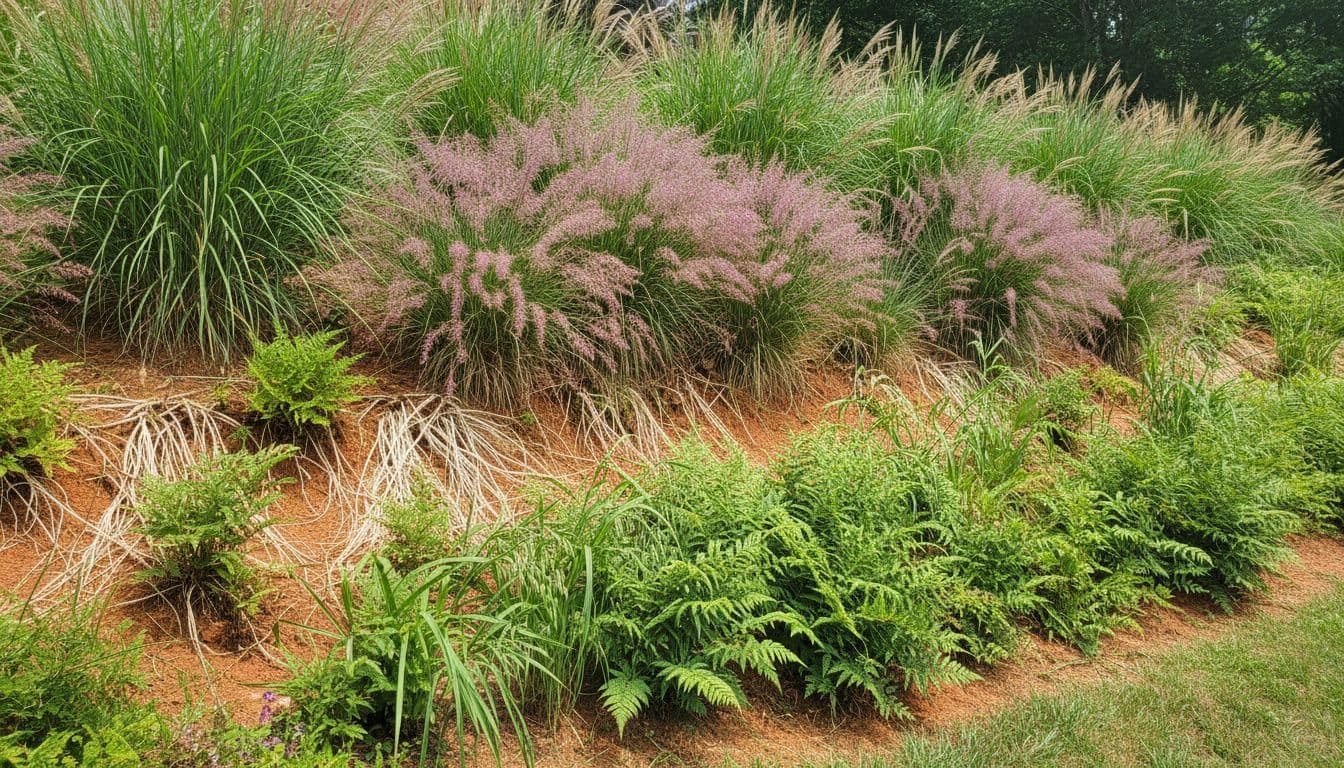
A simple planting rule that works: mix plant types . Combine grasses or sedges (root net), flowering perennials (fill and pollinators), and a few shrubs (structure). Then mulch between plants until they knit together.
Do
- Water deeply 1 to 2 times per week at first, then taper.
- Keep mulch a few inches away from stems to prevent rot.
- Re-staple loose matting after storms until plants root in.
Don't
- Don't plant only one thing across the whole bank. Diversity helps coverage and survival.
- Don't expect grass seed alone to hold a steep bare bank through summer storms.
Conclusion
Atlanta storms and clay soil can turn slopes into a moving sidewalk of mud, but the fix doesn't have to be complicated. Start by controlling runoff, protect the bottom edge, then cover bare soil fast with mulch or matting. After that, install native, low-maintenance plants that match your sun and moisture conditions. If your slope needs structural support or keeps failing, it's time to plan a long-term grade or wall solution.