Atlanta Irrigation Repair Cost Guide for 2026
A broken sprinkler system can drain your wallet as fast as it drains your lawn. In Atlanta, irrigation repair costs in 2026 usually start with a small service call, then climb based on parts, labor, and how hard the problem is to reach.
Most homeowners only notice the issue when one zone stays dry, a head sprays the sidewalk, or the timer stops running. That's when the real bill starts to matter. The good news is that many repairs are still manageable if you know what drives the price.
What Atlanta homeowners pay for common irrigation repairs in 2026
A typical repair in Metro Atlanta falls between $135 and $415 , with many homeowners landing near $275 . Small fixes can stay under $100, but buried leaks and controller problems cost more because they take longer to find.
| Repair type | Typical 2026 price | What changes the cost |
|---|---|---|
| Broken sprinkler head | $59 to $150 | Head type, access, and whether several heads need work |
| Valve replacement or repair | $75 to $300 | Number of valves, wiring issues, and valve location |
| Controller or timer repair | $100 to $500 | Parts availability, age of system, and electrical troubleshooting |
| Leak detection | $75 to $200, plus repair | Time spent locating the leak and whether it is visible or buried |
| Pipe repair | $120 to $400 | Pipe depth, soil condition, and trenching time |
| Zone not working | $100 to $350 | Whether the problem is a valve, wire, controller, or clog |
| Low water pressure | $90 to $300 | The real cause, such as a leak, clog, bad valve, or pressure issue |
| System diagnostics | $75 to $150 service call | Minimum fee, travel, and whether the visit leads to repairs |
The table shows why one backyard repair can feel cheap while another grows fast. A simple head swap is fast. A buried pipe leak in red clay is not.
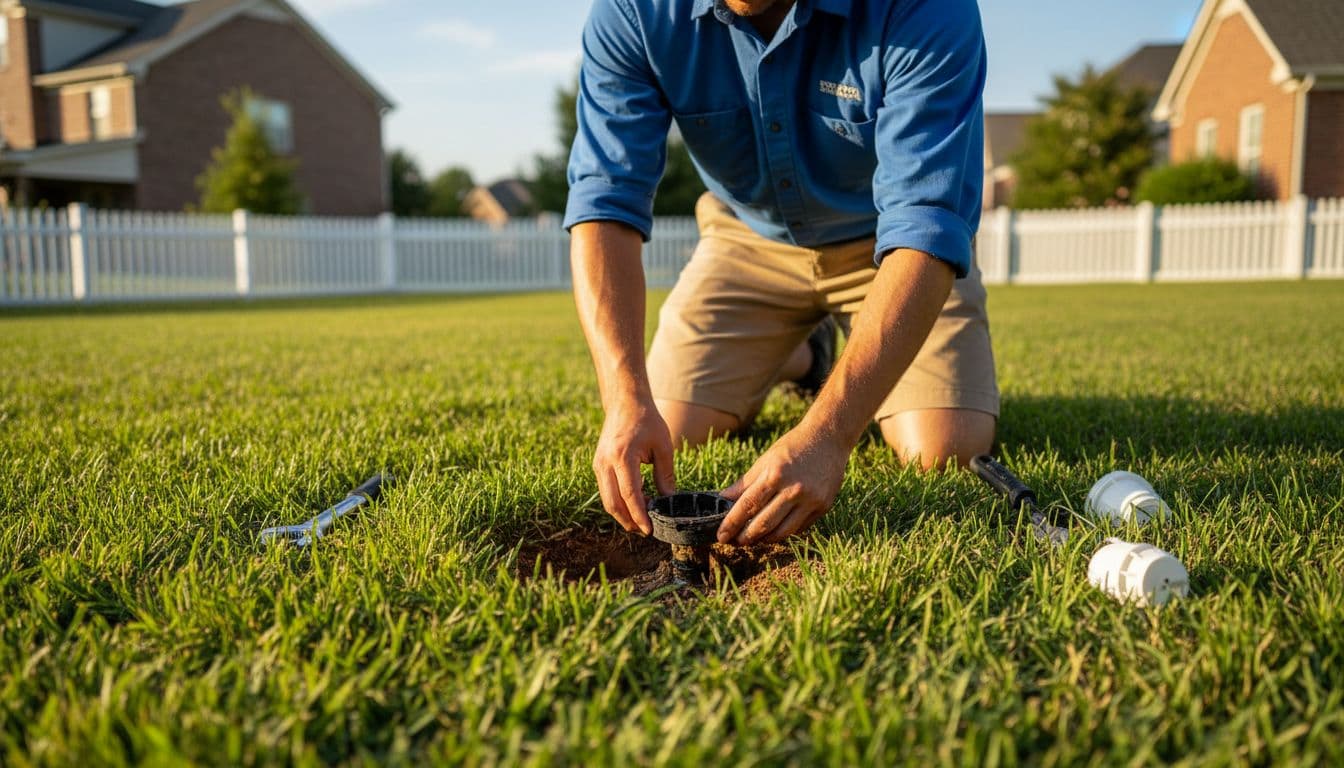
Small jobs often pay a minimum service fee before any parts are added. Many Atlanta pros also charge $56 to $115 per hour for labor. So even a modest fix can feel pricey if the crew has to dig, test zones, and replace fittings.
Why repair costs shift across Metro Atlanta
Atlanta lawns create their own repair issues. Bermuda and Zoysia are common here, and both need smart watering through hot months. If run times are off, the system works harder than it should. For a seasonal setup that fits local grass types, see the Atlanta lawn watering schedule by season.
Heat is a major factor. Summer sun dries soil fast, and cracked heads or weak coverage show up sooner. Clay soil adds another layer. It holds water, compacts easily, and can make digging slower and messier.
Tree roots also raise the bill. They push into lines, stress fittings, and make trench work harder. That matters in older Atlanta neighborhoods with mature trees and aging irrigation systems.
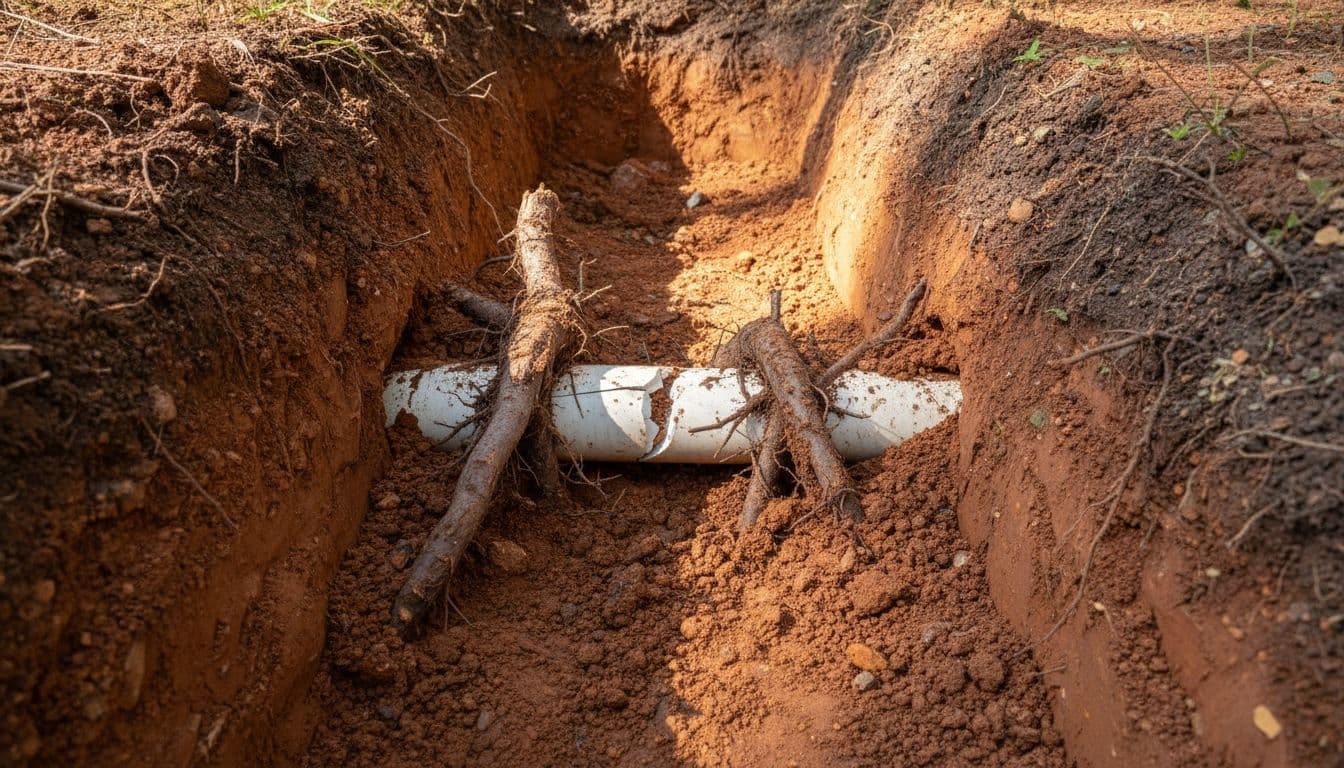
A repair that looks simple above ground can turn into a bigger job once a line is buried under roots or compacted clay.
Seasonal demand matters too. Spring startup and midsummer emergencies are busy times. Crews book up fast, so waiting for service can be the real headache. Prices do not always jump sharply, but same-week visits often cost more than planned maintenance.
How to read an irrigation estimate
A good estimate should tell you what the technician found, not just the final number. If a quote only says "repair sprinkler system," ask for a breakdown.
Look for these line items:
- Diagnosis or service call : This covers the visit, testing, and troubleshooting.
- Parts : Heads, valves, wire, fittings, controllers, and pipe all price differently.
- Labor : Buried repairs take longer than visible ones.
- Access issues : Thick roots, steep slopes, and hard clay add time.
- Zone count : More zones usually mean more testing and more possible failure points.
A zone that does not work may seem like a valve problem at first. In reality, it could be a broken wire or a controller fault. Low water pressure can come from a leak, a clogged head, or a bad valve. That is why diagnostics matter before anyone starts replacing parts.
If you want a better sense of how uneven watering shows up before a system fails, the sprinkler audit and catch-can guide is a useful next read. A quick audit can save money by showing which zone is wasting water and which one needs attention.
When repair stops making sense
Some systems are worth fixing. Others keep breaking in new places.
If you are paying for repairs every season, compare the total to the cost of a new system. A fresh install is a bigger expense up front, but repeated valve, pipe, and controller problems can catch up fast. For a broader look at full-system pricing, check the Atlanta irrigation installation costs 2026 guide.
Repair starts to lose value when:
- Several zones fail at once.
- The controller is old and hard to service.
- Pipe leaks keep showing up in different spots.
- Water coverage stays uneven even after repairs.
- The system has been patched many times already.
That does not mean every old system needs replacement. It means the next repair should be judged against the age of the system, not just the price of the part.
Conclusion
In 2026, Atlanta irrigation repair is usually affordable when the problem is small and visible. A broken head or one bad valve is a different story from a buried leak or wiring fault.
The biggest cost drivers are labor, access, and diagnosis. Heat, clay soil, and tree roots make those jobs tougher across Metro Atlanta, so a low quote is not always the best quote. If you know the common repair ranges, you can read an estimate with a clearer eye and make a better call for your yard.