Atlanta Excavation Costs in 2026: What Homeowners Pay
Atlanta excavation cost quotes can look simple until the dirt starts moving. A small grading job may stay under a few thousand dollars, while a basement dig can climb fast when red clay, tight access, or haul-off enters the picture.
If you are planning drainage work, a pool, a retaining wall, or site prep for landscaping, the first number you get is rarely the final number. The real price depends on what is under the grass, how far the dirt has to move, and where that dirt can go.
This guide breaks down realistic 2026 price ranges for Atlanta homeowners, plus the details that change a quote from fair to inflated.
Atlanta excavation prices in 2026
Most homeowners want a working range before they call for bids. The numbers below fit typical residential work in 2026, not highly engineered sites or major commercial builds.
| Project type | Typical 2026 Atlanta range | What usually drives the price |
|---|---|---|
| Small trenching or yard leveling | $400 to $2,300 | Machine size, hand digging, and whether material stays on site |
| Drainage work or rough regrading | $1,000 to $4,500 | Slope, access, clay, and finish grading |
| In-ground pool excavation | $1,200 to $5,500 | Spoil removal, compact clay, and depth |
| Foundation or basement excavation | $2,500 to $7,300+ | Depth, rock, shoring, and haul-off |
| Crawl space dig-out | $5,000 to $15,000 | Tight access, height goals, and waterproofing prep |
A standard medium-size residential job often lands around $1,000 to $4,000. If the site is easy and the scope is small, the low end can hold. If the job is deep, steep, or messy, the bill can move up fast.
Equipment rates help frame the quote too. A bobcat may run about $95 per hour, while a larger excavator often lands around $160 to $250 per hour with an operator. Those numbers matter, but disposal, labor, and site conditions usually change the final total more than the machine itself.
Why Atlanta sites change the price so much
Atlanta yards are not all built the same. Two houses on the same street can produce very different quotes because the dirt, slope, and access look nothing alike once the crew starts work.
Red clay, rock, and roots
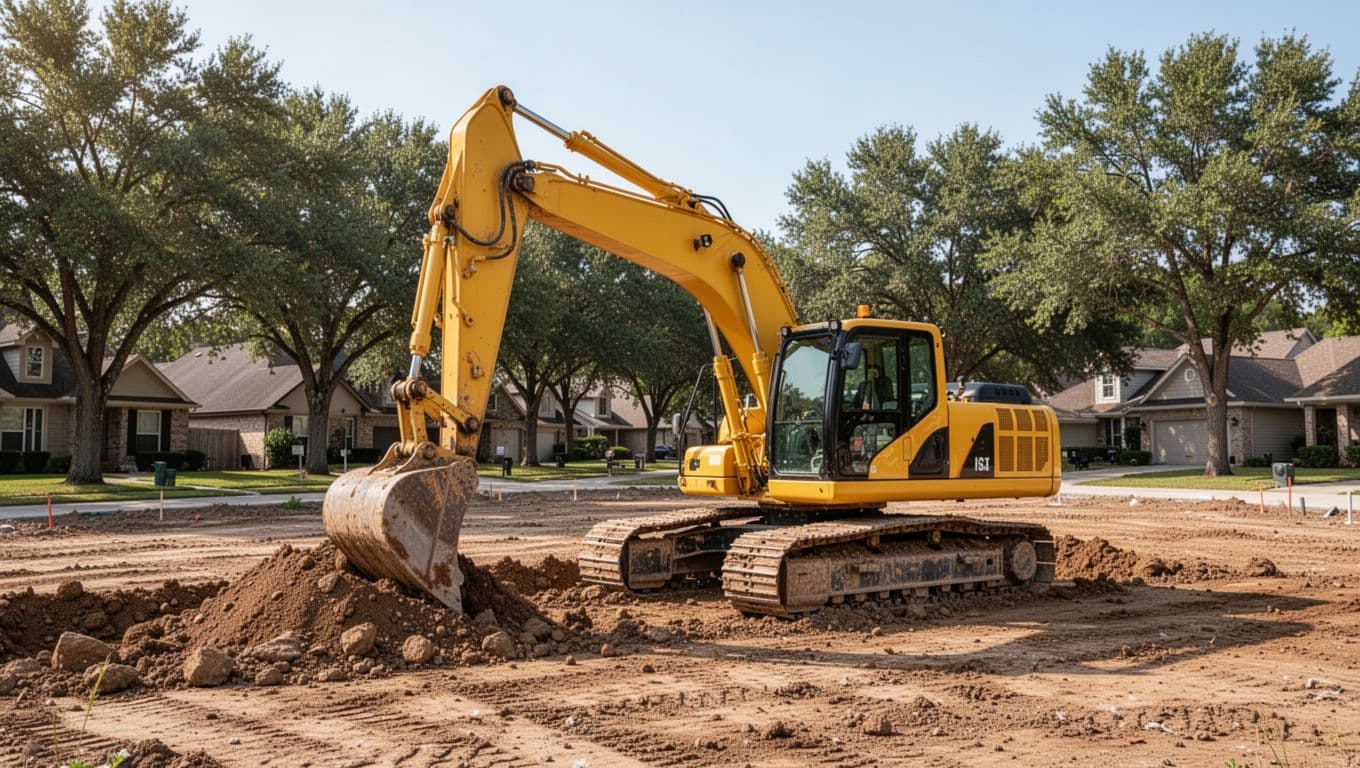
Atlanta soil is famous for red clay , and contractors feel that in the bucket. Clay packs tight after rain, holds moisture, and slows the cut. That can add time even on a modest job.
Rock pockets make it harder still. A crew may need a stronger machine, a hammer attachment, or more hand work to finish the dig. Even a few unexpected rocks can stretch a simple project into a longer day.
Roots matter too. Older neighborhoods often have mature trees close to the work area, and roots can block the bucket or force careful hand digging. If a stump, root ball, or buried debris needs removal before the real excavation starts, the price usually rises.
Access, slope, and machine size
Backyard access is a big deal in Atlanta. Wide side yards let the crew use the right machine and move fast. Tight gates, fences, decks, and narrow driveways may force smaller equipment or more hand labor.
Steep lots change the game again. A hillside backyard can slow loading, limit machine placement, and make spoil movement harder. Homes on angled sites often pay more because the crew spends extra time setting up safely.
Machine size matters because the smallest machine is not always the cheapest. A mini-excavator fits through tight access, but it may take longer to move the same amount of dirt. In other words, the lower hourly rate does not always win.
Haul-off, fill, and dump fees
If the dirt stays on the property, the bill often stays lower. If the crew has to load it, truck it, and dump it, you pay for every step.
Disposal fees can be a bigger factor than the digging itself on small jobs. A broad soil-moving range often falls around $50 to $180 per cubic yard, depending on the material and haul distance. Wet clay, brush, and mixed debris cost more to move than clean dirt.
Imported fill is another possible add-on. If the finished grade needs extra material to reach the target height, the crew has to source, deliver, and place it. That can change a quote by a lot, especially on drainage or regrading jobs.
If brush, saplings, or an overgrown lot need removal first, land clearing and site preparation services may be part of the same budget.
Permits, utilities, and prep work
No one wants a damaged utility line. Before digging starts, lines need to be marked, and larger projects may need permits or inspections. That is especially true when excavation supports drainage work, retaining walls, or structural changes.
Prep work can also add time. Crews may need to protect the driveway, set erosion control, or handle temporary access for equipment. Those steps do not sound flashy, but they protect the property and the final result.
A quote that ignores this part of the job can look cheap at first and expensive later.
Common excavation jobs and what they cost
Project type affects cost because the end goal changes the scope. A shallow dig for drainage is not the same as cutting a basement or reshaping a backyard.
Yard leveling and drainage work
This is where prices often stay closer to the lower end, unless the yard needs a lot of soil movement. French drains, swales, patio pads, and basic regrading often begin with shallow excavation, then move into cleanup and grading.
The real cost comes from getting the slope right. If water sits near the house, the crew may need to change the grade, move soil in smaller passes, and compact the surface so it holds its shape. On many Atlanta lots, the finish work matters more than the digging.
When water flow is the main problem, residential grading and paving services often sit right next to excavation in the budget.
Pool excavation
A pool dig is more than a hole in the ground. The crew has to follow the pool plan, shape the basin, and manage the dirt that comes out.
Clay makes this slower because it sticks to the bucket and clumps as it moves. Tight side yards can also limit where trucks sit, which means the crew may haul material in smaller loads.
Pool excavation prices usually move with access and spoil handling. If the spoil must leave the site instead of being reused elsewhere, the quote climbs. If the yard is open and the soil is manageable, the price can stay toward the middle of the range.
Foundation and basement digs
Foundation and basement work sits near the top of the scale because it is deep and unforgiving. There is less room for error, and the crew has to stay on grade while removing more dirt.
Rock, buried debris, and wet soil can change the pace quickly. If the crew hits a hard layer or needs extra stabilization, the quote can jump well above the standard range. That is why basement excavation often has the widest spread.
These jobs should have a detailed scope. Depth, haul-off, access, and any shoring or safety steps need to be plain in the estimate. If those items are vague, the final number may not match the first one.
Crawl space conversions
Digging out a crawl space is one of the most involved residential jobs. The work happens close to the home, access is tight, and the margin for error is small.
In many cases, excavation is only one piece of the project. Waterproofing prep, drainage, grading, and cleanup may follow. That makes the total cost feel high, but it also reflects how much more the crew is doing than simple dirt removal.
If your project affects the structure, expect the quote to reflect safety, detail, and cleanup, not just machine time.
What a fair quote should include
A good estimate should read like a plan, not a guess. You want to see what gets dug, where the dirt goes, and what happens if the crew runs into problems.
A low bid with vague wording is often missing something important, usually haul-off, rock removal, or final grading.
A fair excavation quote usually spells out:
- The exact work area and depth.
- The machine size or equipment type.
- Labor for the operator and crew.
- Hand digging near utilities, fences, or tight edges.
- Hauling, dump fees, or on-site spoil use.
- Rough grading, compaction, and cleanup.
- Any extra charge if the crew hits rock or buried debris.
That list matters because excavation jobs change fast once digging starts. Soil that looks normal on top can hide rock, roots, or wet clay underneath. A quote should say how those surprises will be handled before the first bucket lands.
If a contractor gives you one lump sum with no detail, ask for a line-by-line scope. Clear paperwork does not make the job more expensive. It makes the price easier to trust.
How to compare bids without getting burned
A cheap quote can save money, but only if it covers the same work as the others. The fastest way to compare bids is to line up the scope first.
- Match the work exactly. One bid may include haul-off, while another leaves it out. One may include grading, while another stops at rough excavation.
- Check the assumptions about soil and access. If one contractor assumes easy access and another plans for a tight side yard, the numbers are not really equal.
- Ask who handles utility marking and permits. Those steps may be included, excluded, or handled by the owner. If you do not ask, you may pay twice.
- Clarify what happens if the crew hits rock or buried debris. Some estimates include a small allowance. Others charge by the hour once the problem appears.
- Compare cleanup and finish grade. A site that looks level enough during digging may still need final grading, compaction, or soil return before it is ready for seed, sod, or hardscape.
A quote should also say whether the job is fixed price or hourly. Fixed price works well when the scope is clear. Hourly pricing can make sense for uncertain work, but it needs a ceiling or a clear change process.
Simple ways to keep the budget under control
Costs fall faster when the crew can move without obstacles. Clear driveways, open gates, and moveable furniture should be out of the way before the truck arrives. If a fence panel or temporary barrier can be removed safely, that can help too.
Bundling work can also cut the total. If the yard needs clearing, rough excavation, and final grade correction, handling it in one visit often costs less than sending crews back and forth. One mobilization is cheaper than two.
Weather matters more than most homeowners expect. Wet clay slows digging, fills tracks, and leaves a mess behind. A dry stretch gives the crew a better shot at finishing on time and cleaning up cleanly.
If the job is mainly about water flow or uneven ground, plan the whole fix together. Excavation alone may solve part of the problem, but the yard usually needs a finished grade to keep water moving away from the house. That is where residential grading and paving services can make the result hold up better.
The same logic applies to rough lots with brush or old debris. Clearing the property first can save machine time during the dig, and it can also make the site safer and easier to measure.
Conclusion
A fair Atlanta excavation cost starts with site conditions, not a guess. Red clay, slope, access, and disposal can push a simple dig far beyond the base rate.
If a quote seems low, compare what it leaves out before you compare the total. The best estimate is the one that tells you how the job will get done, where the dirt will go, and what happens if the ground fights back.
Once those details are clear, the price range makes a lot more sense, and your project feels a lot less uncertain.