Atlanta Grass Clippings: A Healthier Mowing Routine
Atlanta grass clippings don't have to become a weekly bag of yard waste. For many homeowners with warm-season turf, short, dry clippings can stay on the lawn and return nutrients as they break down.
The rule changes when grass is wet, overgrown, diseased, or scattered in thick piles. Grass type, recent weather, and mowing frequency all affect the right choice in Metro Atlanta. Start with the simple rule, then adjust it to your yard.
How Atlanta grass clippings support warm-season lawns
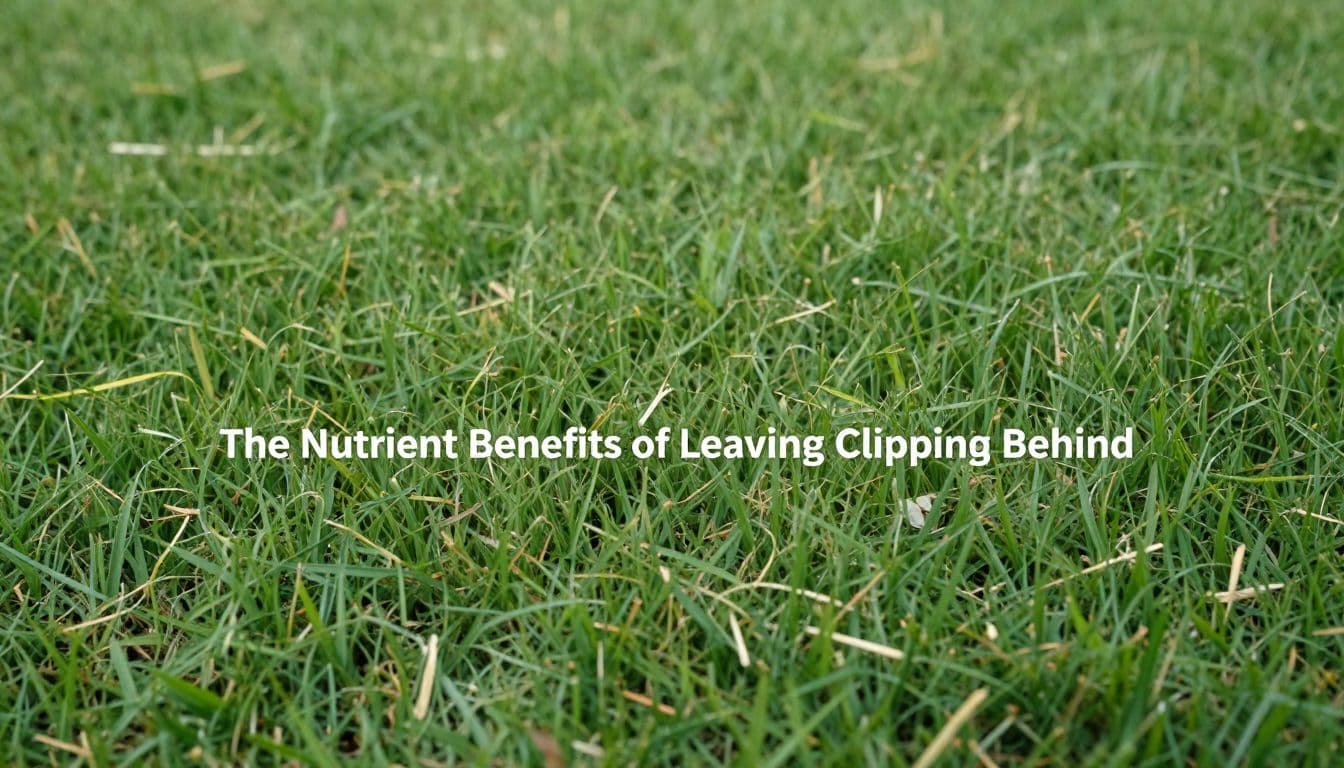
Fine clippings are mostly water, so they dry and decompose quickly when spread across the turf. They also contain nitrogen and other nutrients the grass absorbed while growing. Returning that material to the soil can reduce fertilizer needs, although clippings don't replace a soil test or a complete lawn-care plan.
For Bermuda, zoysia, centipede, and St. Augustine grass, grasscycling works best during active growth. These warm-season grasses usually recover well when you use the right cutting height and remove no more than about one-third of the leaf blade at a time.
Leaving scattered clippings also saves time. You don't need to stop, empty a bag, and manage a separate pile after every cut. Fine leaf pieces won't create thatch simply because they remain on the lawn. Thatch is a dense layer of older stems and roots, while short clippings break down near the soil surface.
Short clippings disappear into the turf. Thick windrows sit on top of it, block light, and hold moisture against the grass.
The visual test is simple. After mowing, you should still see grass blades between the pieces. If the lawn looks striped with piles, the mower cut too much, the grass was too wet, or the discharge pattern needs attention.
When leaving Atlanta grass clippings is the right choice
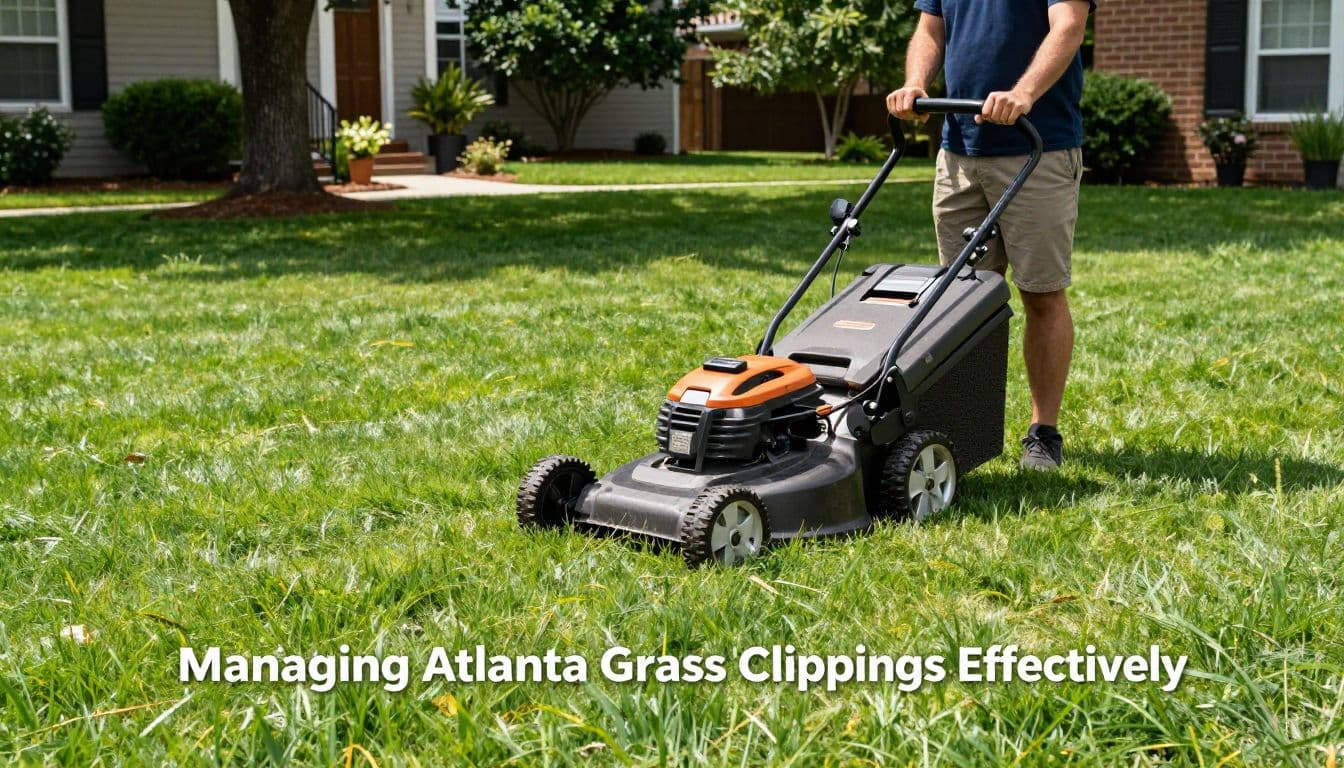
Leave clippings when the lawn is dry and the mower distributes them in a light, even layer. Short pieces should fall between the blades rather than forming rows. If you can walk across the yard without finding damp mats stuck together, conditions are usually suitable for grasscycling.
Mowing frequency matters more than many homeowners expect. A lawn that gets cut on a regular schedule produces small clippings. However, a lawn left alone through warm, rainy weather can grow beyond the safe one-third limit. Leaving all that material behind creates the heavy clumps you want to avoid.
Grass type affects the target height and growth pattern. Bermudagrass often needs a shorter cut and more frequent mowing than centipede or St. Augustine. Zoysia can form a dense canopy that hides fine clippings, but it still needs a dry cut and a well-adjusted mower.
Follow the recommended height for your specific grass variety. Raise the deck during heat or drought stress rather than scalping the turf. A short lawn isn't automatically a healthier lawn.
In practice, leave clippings when these conditions line up:
- The blades are dry, and the soil can support the mower without tire ruts.
- The mower removes no more than one-third of the current leaf height.
- The blade is sharp enough to cut cleanly instead of shredding the tips.
- The discharge spreads pieces across the lawn instead of building a row.
- The turf has no obvious disease issue that could spread with plant material.
A few loose pieces on a sidewalk aren't a lawn problem, but they still need cleanup. Sweep clean clippings back onto the grass, or collect them before rain carries them away.
Mowing habits that prevent heavy clumps
Managing Atlanta grass clippings starts before the mower reaches the yard. Check the forecast, inspect the turf, and choose a cutting height that matches the grass. Atlanta's summer rain can make a lawn grow quickly, while a hot, dry spell can leave it stressed and slow-growing during the same season.
Mow when the blades are dry. Wet grass bends under the deck, sticks to the housing, and falls in clumps. It also makes the cut uneven and can leave muddy tracks. If morning dew is heavy, wait until the lawn dries later in the day.
A sharp mower blade gives each leaf a clean cut. Dull blades tear the tips, leaving a pale or ragged appearance and creating larger pieces. Check the blade regularly during the growing season, especially after the mower strikes a hidden root, stone, or edging.
Keep the deck high enough for the grass type. Bermudagrass may be maintained lower than St. Augustine, but a low setting isn't automatically healthier. Removing too much leaf tissue exposes soil, weakens the plant, and can encourage weeds.
When the lawn is overdue for mowing, raise the deck and make a first pass. If necessary, let the grass recover before reducing the height gradually. Trying to cut a tall lawn to its normal height in one visit is a common cause of clumps.
Vary the mowing direction from one service to the next. This helps prevent ruts and reduces the chance that the discharge will create the same windrow every time. Mow around beds and trees carefully, then redistribute any piles with a rake or a second pass.
When Atlanta grass clippings should be bagged
Grasscycling isn't the right choice for every mowing job. Bag or remove clippings when the lawn has a visible disease problem. Moving infected plant material can spread the issue to clean areas, especially when the mower travels across multiple sections of turf.
Bagging also makes sense when leaves, pine straw, or other debris cover the lawn. A thick layer of yard debris can block light and air near the soil. Collecting it first gives the grass a better chance to dry and grow evenly.
A long gap between cuts is another reason to collect clippings. If the mower would remove more than one-third of the leaf height, use a higher setting and consider bagging the excess. After the lawn returns to a normal mowing schedule, you can leave a lighter amount behind.
Wet clippings deserve the same caution. They stick to mower parts, mat together on the lawn, and may smother small patches. Wait for dry conditions when possible. If rain is approaching and the grass is already tall, bagging may leave a cleaner surface than trying to mulch a heavy cut.
Weed seed heads are also a reason to collect clippings. Mowing before weeds produce seed is better, but bagging can reduce redistribution when seed heads are already present. Clean the mower deck afterward, especially after cutting through a diseased or heavily weedy area.
Use a compost pile or an approved yard-waste collection method for a full bag. Don't dump clippings in a creek, wooded drainage area, or empty lot. Collection rules differ across Atlanta-area cities and counties, so check the requirements for your address.
Keep Atlanta grass clippings out of streets and storm drains
Never blow Atlanta grass clippings into a street, gutter, sidewalk edge, or storm drain. Rain can carry the material into the drainage system, where it may contribute to blockages and add nutrients to streams and ponds. A clean-looking curb can create a water-quality problem after the next storm.
Point the mower discharge toward the lawn and keep the blower aimed inward. Use a broom for hard surfaces when possible, then move clean clippings onto the turf. Avoid blowing toward parked cars, neighboring yards, fences, or open drainage channels.
If clippings already reached the street, remove them before rain. Sweep them into a bag or back onto the lawn if they're clean and dry. Clear the area around storm-drain inlets without pushing material into the opening.
Atlanta's heavy summer downpours make this habit especially important. The time between a dry afternoon and a fast-moving storm can be short, so finish cleanup before putting the equipment away.
The curb is part of your cleanup area. A mower job isn't finished until sidewalks, driveways, gutters, and drain inlets are clear.
A practical mowing routine for Atlanta homeowners
A consistent routine keeps clipping decisions straightforward:
- Check the grass type and current height before starting. Adjust the deck to protect the leaf tissue.
- Mow only when the blades are dry and the soil can support the mower without ruts.
- Cut no more than one-third of the blade. Use a higher first cut after rapid growth.
- Leave fine, evenly scattered clippings on the lawn. Bag wet, diseased, seeded, or excessive material.
- Sweep every hard surface, then check curbs and drains before rain.
The right schedule follows growth, not a calendar. During warm, rainy periods, you may need to mow more often. During drought or cooler weather, the lawn may need more time between cuts.
Regular service makes it easier to keep each cut small and avoid the heavy cleanup that follows an overgrown yard. If maintaining the schedule is difficult, RW Lawn Co offers residential lawn care and mowing in Atlanta, including scheduled cuts, trimming, edging, hard-surface blow-off, and light debris cleanup.
Keep clippings short, dry, and on the lawn
The best use of Atlanta grass clippings depends on what your mower leaves behind. Fine, dry pieces spread across actively growing warm-season turf can return nutrients and save disposal work. Heavy, wet, diseased, or overgrown material should be collected and handled properly.
Match the mowing height and schedule to your grass type and the current weather. Most importantly, keep every clipping out of streets and storm drains. When the cut is small and the cleanup is complete, your lawn gets the benefit without the mess.