Atlanta Gray Leaf Spot Guide for St. Augustine Lawns
Your St. Augustine lawn thrives in Atlanta's heat. Then one muggy morning, you spot odd gray streaks on the blades. Gray leaf spot Atlanta homeowners dread hits hard during humid summers. This fungal foe thins patches fast if you ignore it.
Atlanta's frequent storms and warm nights create perfect conditions. St. Augustine grass suffers most because it loves the same warmth and moisture. You can stop it early with smart habits. Let's break down how to spot and fight it right now.
What Triggers Gray Leaf Spot on St. Augustine in Metro Atlanta
Gray leaf spot comes from the fungus Pyricularia grisea. It loves Atlanta's steamy weather from June to August. Daytime highs near 90 degrees F pair with nights above 65 degrees F. Add dew or rain that lingers 14 hours, and spores spread quick.
High nitrogen fertilizer worsens it. Lush growth stays wet longer after storms. Poor airflow traps humidity too. Shady spots under oaks speed things up because blades dry slow. Clay soil holds water, stressing roots even more.
St. Augustine cultivars like Floratam face higher risk here. Georgia's transition zone pushes this grass to its limit. Healthy lawns resist better, so start with strong basics.
Signs and Symptoms to Spot Early
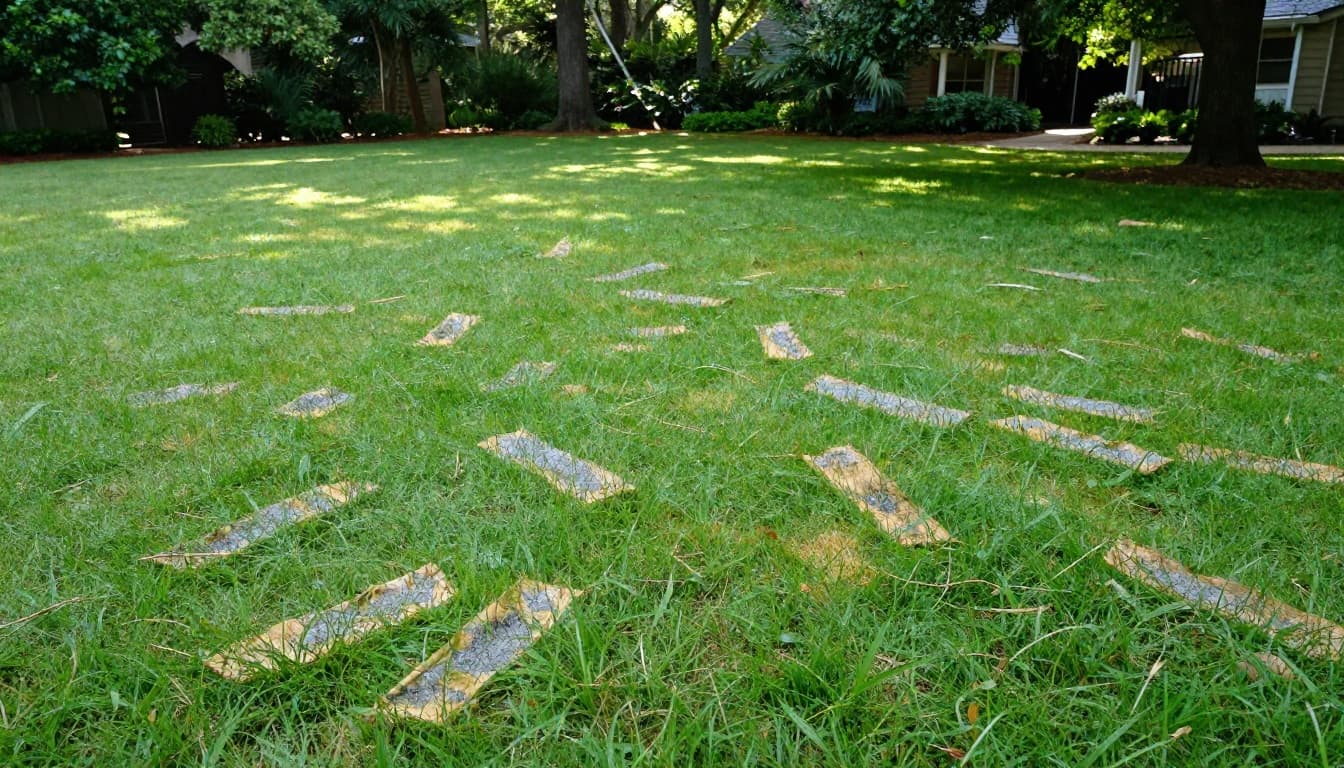
Check your lawn weekly as temps climb. Early spots look like small brown flecks on leaves and stems. They grow into oval or rectangular tan-to-gray lesions about a quarter-inch long. Dark purple or brown borders outline them. Yellow halos sometimes appear around edges.
Blades yellow then die from the tip down. Patches thin out irregular, not in neat circles. In wet mornings, fuzzy gray growth covers spots. Unlike drought, lesions show clear patterns up close.
Pull a few blades from patch edges. Healthy ones snap crisp; diseased ones feel soft. No bugs usually mean fungus over chinch bugs.
For a full gray leaf spot disease ID guide for Atlanta lawns , compare it to brown patch or dollar spot.
Prevention Strategies That Fit Atlanta's Humid Summers
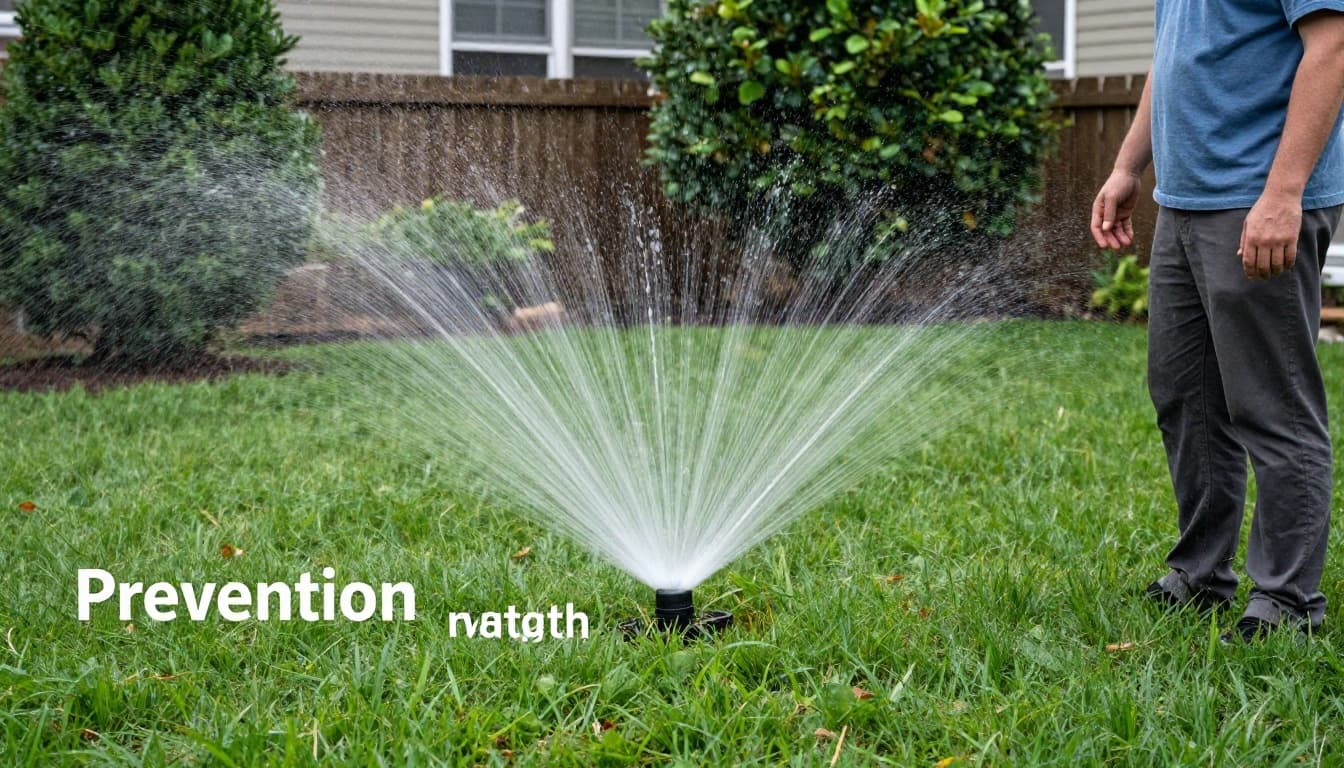
Dry the grass fast to starve the fungus. Water deep early in the morning, around sunrise. Aim for 1 inch per week total, rain included. Skip evenings; wet blades overnight invite trouble.
Mow at 3 to 3.5 inches for St. Augustine. Taller blades shade soil and dry quicker. Never cut more than one-third at once. Mow only when dry, and sharpen blades to avoid tearing. Bag clippings if disease shows to stop spread. Check this Atlanta St. Augustine mowing height guide for details.
Ease off nitrogen in summer. Soil tests guide safe rates. Trim shrubs and trees for better airflow. Dethatch if over half-inch thick. Fix soggy low spots to cut leaf wetness.
In shady yards, follow St. Augustine lawn care in Atlanta shady yards to lower risks further.
When Fungicides Make Sense and How to Apply Them
Cultural fixes stop most cases. Fungicides help if patches spread after basics. Use them early, before centers die fully.
Pick products with QoI or DMI active ingredients. Rotate types to fight resistance. Follow label rates exactly for St. Augustine. Water in after application unless noted. Keep pets off until dry.
Atlanta extension services stress labels over guesses. Apply in cool mornings for best coverage. One or two rounds often suffice if weather breaks.
Pros handle rotation and timing best. They spot issues before you do.
Recovery Timeline and Healthy Regrowth Signs
Act quick, and new growth fills in 4 to 6 weeks. Stop spread first. Fertilize lightly post-fungicide with balanced mix. Keep mowing high.
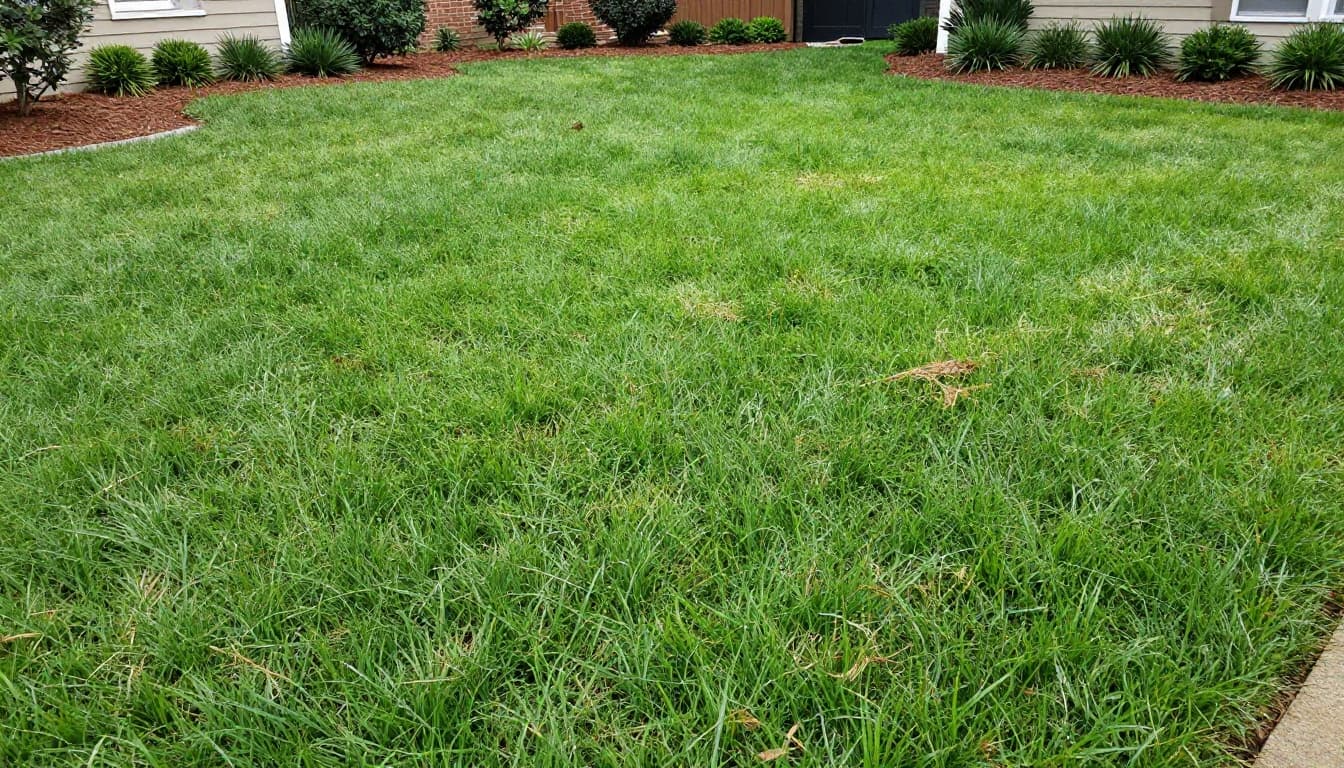
Watch for uniform green blades 2 to 3 inches long. Dense turf resists better. No gray spots means success. Full recovery by fall if summers cool.
Patches may stay thin one season. Overseed or sod only after soil tests.
Mistakes That Let Gray Leaf Spot Worsen
Homeowners overfeed nitrogen during storms. That softens grass for fungus. Evening watering keeps dew all night too.
Scalping stresses roots. Wet mowing spreads spores. Ignoring shade turns yards into traps.
Test soil yearly. Scout mornings. Adjust habits before June heat.
Gray leaf spot hits Atlanta St. Augustine hard, but you control it. Morning water, tall mows, and low summer nitrogen keep most lawns strong. Spot it early , fix conditions, and add fungicide only if needed. Your grass bounces back greener. Healthy turf handles Georgia summers better every year.