Atlanta Holly Leaf Miner Guide for Blistered Leaves
Blistered holly leaves can make a healthy shrub look sick overnight. In Atlanta and North Georgia, the usual culprit is the holly leaf miner , a pest that feeds inside new leaves and leaves behind tan tracks, raised blisters, and tiny exit holes.
The damage often lasts for months, so a few bad leaves can make the whole hedge look rough. The good news is that early scouting, selective pruning, and well-timed treatment can keep the problem under control.
Start by learning how to spot the damage before it spreads across fresh growth.
What holly leaf miner damage looks like on Atlanta shrubs
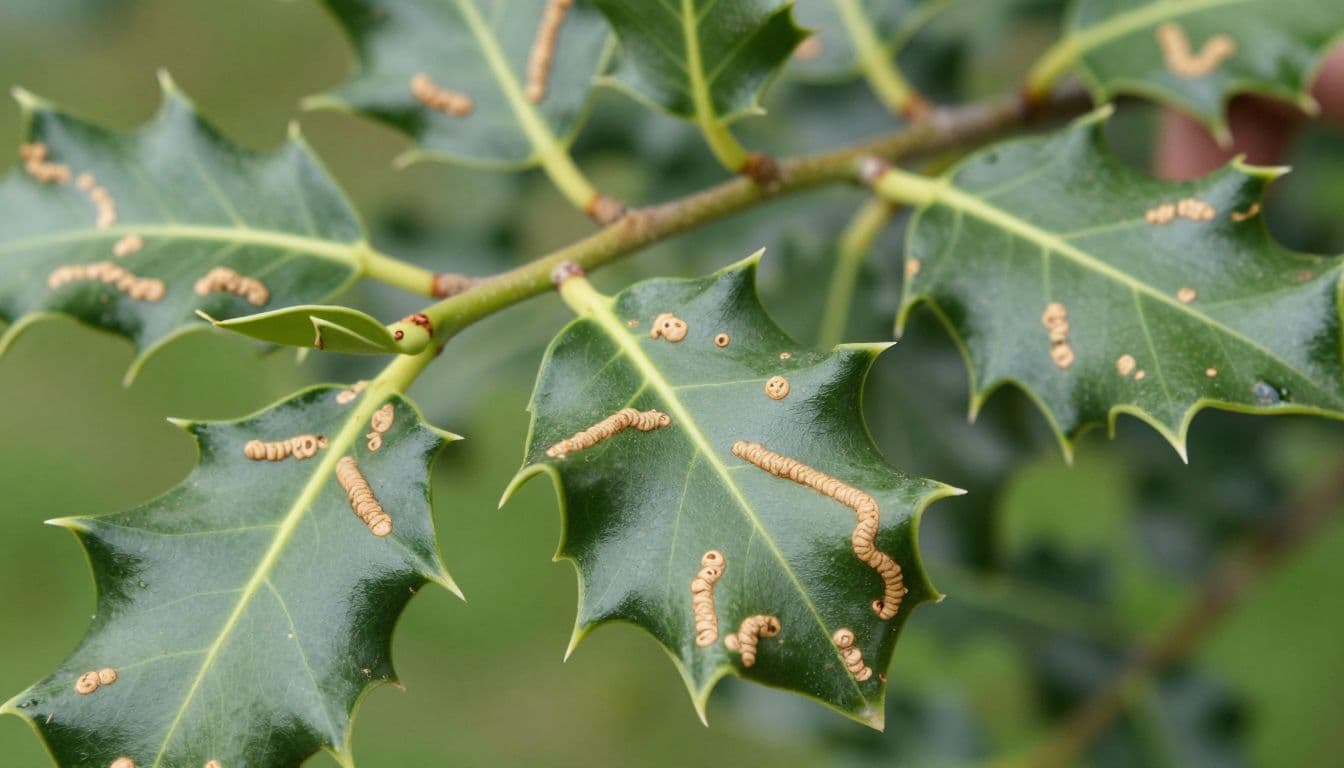
The first clue is usually on young leaves. Instead of a clean, flat surface, you may see pale winding trails, blotchy tan patches, or a puckered, blistered look where the insect fed between the leaf layers.
As the infestation develops, the leaves often curl slightly or look crumpled. Later, a tiny round exit hole can appear when the adult leaves the leaf. That hole is easy to miss, but it helps separate leaf miner damage from drought stress or a nutrient problem.
Here's a quick way to tell the signs apart:
| Sign | What you see | What it usually means |
|---|---|---|
| Mines | Thin tan or pale trails inside the leaf | Larvae are feeding between the leaf surfaces |
| Blistering | Raised bumps or blotches on new leaves | The tissue around the mine has expanded and warped |
| Curling | Leaves twist, buckle, or look folded | Feeding has distorted tender growth |
| Exit holes | Tiny round holes in damaged leaves | The adult insect has emerged |
Old mines do not disappear. They dry out and stay visible, which is why shrubs can look stressed long after the insect has moved on. The damage is often mostly cosmetic , but on a hedge or front-yard holly, cosmetic damage still changes the whole look of the planting.
Why holly leaf miner is common in North Georgia
Atlanta weather gives this pest plenty of chances to show up. Mild winters help adult stages survive, and spring brings soft new leaves that are easy to attack. Once a holly pushes tender growth, that fresh tissue becomes the target.
Stressed shrubs often show worse symptoms. Heat, drought, crowding, compacted soil, and poor pruning all make the damage stand out more. Dense plantings can also hide the first signs, so the problem grows quietly until the leaves start to blister across an entire branch.
Several common landscape hollies can be affected, including American holly, yaupon holly, inkberry, Chinese holly, and Burford holly . Some yards see heavier damage on slow-growing shrubs or on plants that get repeated flushes of new growth after pruning.
Tidy beds make inspections easier, and routine lawn mowing and yard maintenance helps keep weeds, fallen leaves, and clutter from hiding fresh damage near the base of the shrub.
Old leaf miner damage tells you the pest was there. It does not always mean the shrub is declining.
When to scout and treat holly leaf miner
Timing matters more than almost anything else with this pest. In Atlanta, the best scouting window is when hollies push their first flush of new leaves in spring. That is when adults look for tender growth and when larvae are easiest to stop before they tunnel deep into the leaf.
A second look later in the season helps too, especially after pruning or a rain-driven growth spurt. North Georgia yards can produce another round of soft foliage, and that new growth deserves the same attention.
| Season | What to inspect | Best next step |
|---|---|---|
| Late winter to early spring | Last year's damage and swelling buds | Prune what you can reach and prepare to monitor new growth |
| Spring flush | Pale mines, blisters, and curling on tender leaves | Check weekly and treat only if active infestation is present |
| Early summer | Fresh distortion on recently expanded leaves | Re-scout, because old mines will not recover |
| Late summer to fall | New damage after pruning or late growth | Keep watching, especially on stressed shrubs |
The main rule is simple. Old blisters stay visible, but sprays rarely help once the leaf has hardened and the larva is protected inside. The useful window is early, when new feeding has just started or when adults are active around fresh growth.
Integrated pest management for healthier hollies
The best control plan starts with observation, not spraying. Integrated pest management works because it matches the response to the problem, instead of treating every browned leaf the same way.
Inspect new growth first
Check the newest leaves on the top and outer parts of the shrub. Those leaves are usually the first to show mines, because the pest prefers soft tissue.
Look closely at both sides of the leaf, especially after a flush of growth in spring. A hand lens can help, but often the damage is visible once you know what to look for. The earlier you catch it, the easier it is to stop the next round of damage.
Prune what you can reach
If only a few leaves or branch tips are affected, remove them. That can reduce the number of larvae already inside the plant and improve the shrub's appearance right away.
Avoid hard shearing just to chase the damage. A severe cut can push out even more tender growth, and that fresh flush may attract more pests. Selective pruning is the better move when the infestation is light or limited to a few sections.
Support the shrub's vigor
Healthy hollies tolerate pest pressure better and recover their look faster. Water during dry spells, mulch properly, and avoid piling mulch against the trunk. Keep the root zone even and stable, because stressed shrubs tend to show the damage longer.
Good landscape care also helps you spot trouble sooner. When the yard stays clean and trimmed, it's easier to see what's changing on the shrub itself. For many Atlanta homeowners, that starts with consistent professional residential lawn care in Atlanta, along with regular bed cleanup and pruning around the planting area.
Use chemicals only when the window is right
Chemical control can help, but only when it's timed correctly. Sprays applied after the leaf has fully blistered usually do little for that leaf, because the larva is already protected inside.
If treatment is needed, use a product labeled for leaf miners on hollies and apply it when adults are active or when larvae are very young. For larger shrubs or repeated infestations, a licensed professional can time a labeled product more precisely. That matters more than spraying on a calendar.
A spray on old mines will not repair the leaf. The real payoff comes when you target the pest before it finishes feeding.
Do damaged leaves recover?
The damaged leaves themselves usually do not heal. Once a holly leaf is blistered or tunneled, it often stays marked until it drops naturally. That is why the shrub can look rough even after the pest is gone.
New growth is the real test. After control, healthy leaves should come in flat, firm, and evenly green. They should not show fresh tan trails, raised blisters, or tiny round exit holes.
If the newest leaves still twist or blister, the pest is probably still active, or the treatment missed the right timing. Keep monitoring the next flush of growth, because clean new leaves are the sign that the plan is working.
Conclusion
Blistered holly leaves are frustrating, especially when they show up on the front shrubs you see every day. In many cases, the problem is mostly cosmetic, but that doesn't mean you should ignore it. A careful look at new growth, a few selective cuts, and the right timing can keep the damage from spreading.
Atlanta and North Georgia hollies do best when you stay ahead of the spring flush. If the new leaves look clean and flat, you're on the right track, and the old damage can fade into the background while the shrub fills back in.