Atlanta Kudzu Removal: How to Control Vines and Regrowth
Kudzu can cover a fence, brush line, or neglected corner of an Atlanta yard before you realize how far it has spread. Atlanta kudzu removal takes more than cutting the visible vines: control usually requires addressing the plant's base and returning to watch for new growth.
Small patches may be manageable with repeated physical removal. Larger infestations, vines tangled through trees, and growth near structures call for a careful plan. Here's how to choose an approach, limit damage to the rest of your property, and prepare for regrowth.
Why kudzu is difficult to remove from an Atlanta yard
Kudzu is a fast-growing perennial vine. Its leafy stems can climb fences, shrubs, and trees, while vines that touch the soil may take root and expand the patch. Cutting away the leaves can make an area look better, but it doesn't necessarily stop the plant from returning.
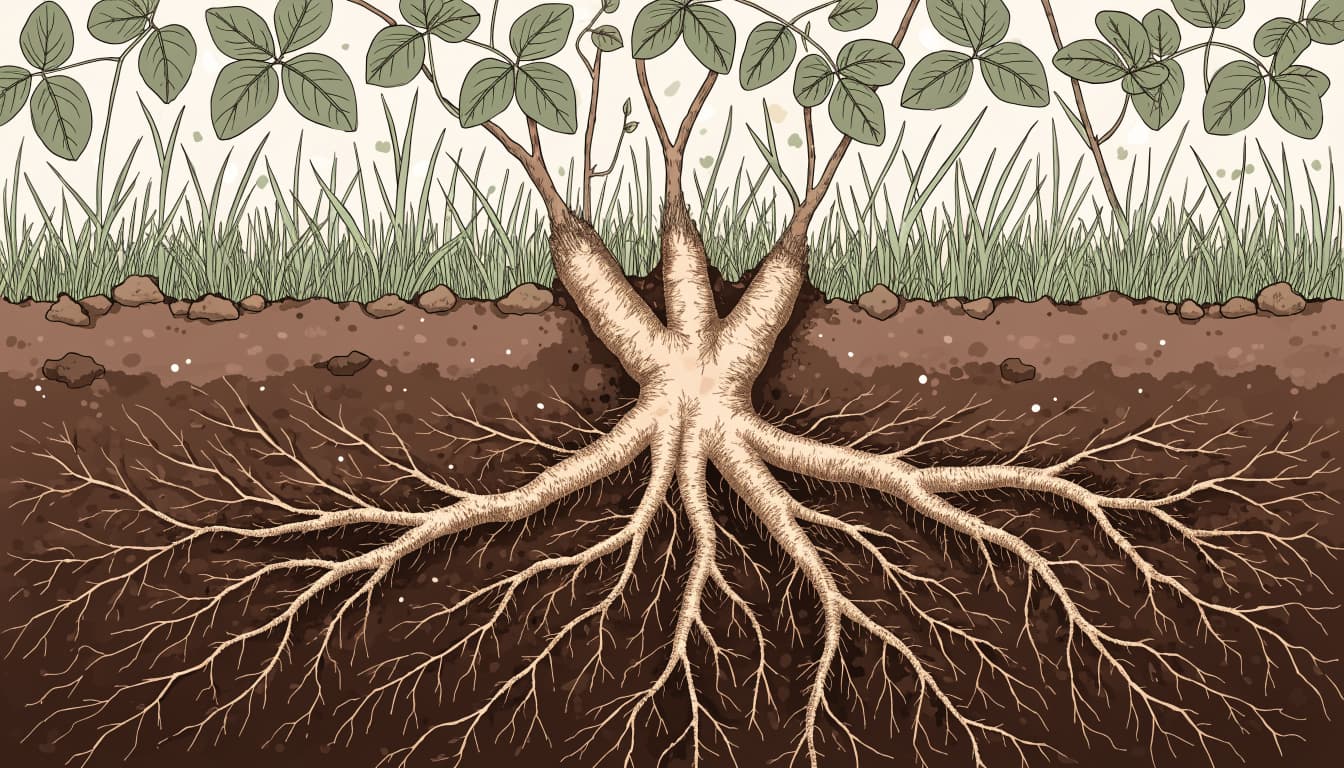
That distinction matters when planning removal. Visible growth and established roots are separate problems , and clearing the first doesn't guarantee the second is gone.

Vines can spread beyond the first patch
A patch that appears limited to a fence may have rooted stems mixed into nearby brush or ground cover. Look along the edges, not just at the thickest growth. Pay attention to places where vines cross the soil, climb a tree, or disappear beneath shrubs.
Also consider what the vines cover. Kudzu intertwined with desirable plants takes longer to remove safely than a patch on open ground. Cutting blindly can damage the vegetation you want to keep.
Cutting the top growth doesn't end the job
Kudzu may send up fresh shoots after above-ground growth is cut back. Those shoots are a sign to continue monitoring, not proof that the initial work failed. If you stop once the vines are out of sight, remaining underground growth or rooted stems may give the infestation a chance to return.
Assess the infestation before choosing a method
Start by identifying the patch's edges and the plants, fences, and structures caught in it. A small, accessible area is more suited to careful hand work than a large tangle running through trees or along a steep bank.
The goal is to match the removal method to the site. Consider how much of the area you can reach, what needs protection, and whether you can return for follow-up work.
Note the size, access, and nearby plants
Walk the perimeter and look for vine growth under brush, along fence lines, and beyond the obvious mat. Note steep or uneven ground, hidden obstacles, and nearby garden plants. These details affect whether mowing, digging, grazing, or herbicide is suitable.
If vines are high in a tree or tangled around a structure, avoid pulling them down from above. The stems can be heavy, and pulling may break branches or bring down dead material.
Decide whether the work is manageable
A few young plants in open ground may be possible to remove by hand. A broad, dense patch or vines growing through mature landscaping can require equipment and repeated visits. If the site is difficult to access or the infestation is too extensive for safe hand work, plan for qualified help rather than risking injury or damage.
Practical options for Atlanta kudzu removal
No single method suits every property. Repeated cutting, grazing, digging out small plants, and herbicide treatment can each play a role. In every case, follow-up matters because shoots can return after the first pass.
Repeated cutting or grazing
Cutting the vines back repeatedly during active growth can weaken a patch over time. Keep the work focused on kudzu, and avoid damaging nearby trees, shrubs, or desired turf. A single cut is unlikely to resolve an established infestation, so plan to revisit the area and remove new growth.
Grazing can help manage broad, open patches where livestock can be safely contained. It isn't a fit for every residential lot. Fencing, access, nearby plants, and the animals' safety all need consideration, and grazing still requires monitoring for vines the animals miss.
Digging out small plants and root crowns
For a small, accessible plant, digging can remove the root crown, the central part of the plant at ground level. Work carefully to expose the crown and remove it rather than snapping off the visible stems. Take care not to disturb nearby roots or buried utilities.
This approach becomes impractical when the patch is large or intertwined with other plants. After digging, watch the disturbed soil for new shoots and remove them promptly.
Using herbicides carefully
Herbicides may be appropriate when mechanical removal isn't enough or the infestation covers a larger area. Choose only a product labeled for the intended site and use. The product label gives the permitted application method, protective equipment, weather limits, and precautions for nearby plants.
Treat the kudzu, not the whole yard
Targeted treatment can reduce the chance of affecting turf, ornamental beds, or neighboring vegetation. Avoid broad spraying around desirable plants, and don't apply product in windy conditions or when rain could carry it off target. Keep children and pets away as directed on the label.
Kudzu growing through trees or shrubs requires particular care. A product that contacts wanted plants can injure them. If you can't apply it without affecting nearby vegetation, skip the application and consult a qualified local professional.
Follow the label and plan a follow-up
Use the product only as directed, including any instructions about timing, application frequency, and re-entry. Don't increase the dose or combine products to speed up results. The label is the authority for safe use on that site.
After treatment, inspect the patch for fresh growth. Herbicide use doesn't remove the need for follow-up, and reapplication should happen only when the label permits it.
Expect regrowth and keep monitoring
Regrowth is common after kudzu removal, particularly when an established patch has only been cut back or treated once. Make follow-up part of the plan from the start. Walk the area regularly during active growth and look for new shoots at the edges, in cleared soil, and where vines were rooted.
Remove new shoots while the patch is manageable
Fresh growth is easier to address before it becomes tangled with other plants. Cut or pull small shoots where appropriate, or use a labeled treatment if that fits the site. Keep checking the original perimeter, because a patch can return beyond the area that looked densest.
After several rounds, continue monitoring instead of assuming the problem has ended. If new vines appear, respond promptly and adjust the approach to the location.
Restore the area after removal
Once the vines are under control, clear loose debris and consider how to protect the exposed ground. Bare soil can invite unwanted growth and make it harder to spot new kudzu. Replanting or maintaining suitable ground cover may help keep the area visible and easier to manage.
For lawns, mowing and routine care help keep edges accessible for inspection. However, mowing alone won't control established kudzu growing outside the turf.
Protect people, plants, and property during removal
Wear gloves, sturdy footwear, long sleeves, and eye protection when cutting or digging. Use tools suited to the work and keep a clear path around fences, slopes, and other obstacles. Don't pull vines from elevated positions or work beneath unstable branches.
Herbicide use calls for additional care. Read and follow the complete label, including directions on protective equipment, storage, and keeping people and pets away from treated areas. Prevent spray drift onto gardens, lawns, and neighboring property. If the infestation is near water, a storm drain, or plants you want to keep, get professional advice before treating it.
When professional clearing can help
A professional may be the safer choice for extensive growth, steep or obstructed ground, and vines growing through trees or structures. A difficult infestation can require a combination of cutting, targeted removal, and repeated site visits. Ask about the planned work and how the area will be checked for regrowth.
RW Lawn Co provides Atlanta land clearing and site preparation, which can help with broader property clearing and site work. For general overgrowth and debris, our Atlanta spring and fall yard cleanup includes trimming overgrowth and clearing branches and debris. These services support property maintenance; they aren't a guarantee that kudzu roots or regrowth will be eliminated.
Key takeaways for managing kudzu
- Choose a method based on the infestation's size, access, and nearby plants.
- Repeated cutting or grazing can help manage growth, while digging is best suited to small, accessible plants.
- Use herbicides only as labeled and take care to protect desirable vegetation, people, and pets.
- Expect regrowth and inspect the cleared area regularly.
- Call a qualified local professional when the vines are extensive, high in trees, or difficult to reach safely.
Frequently asked questions
Will cutting kudzu once get rid of it?
Usually, one cut removes visible growth without resolving the whole infestation. New shoots may emerge, so repeated cutting and monitoring are needed.
Can I remove kudzu by hand?
Hand removal may suit a small patch in open, accessible ground. Dig carefully to remove the root crown, then watch for new growth. Large patches or vines tangled through other plants are harder to handle by hand.
Is herbicide always necessary?
No. Repeated cutting, grazing where appropriate, or digging out small plants may be options. Herbicide can be considered when the site and product label allow it, but it isn't a substitute for monitoring.
A lasting plan for kudzu control
Kudzu removal is a process, not a one-time cleanup. Match the method to the site, protect the plants and property around it, and keep returning to check for fresh growth. Consistent follow-up is what helps keep a cleared area from becoming overgrown again.