Sycamore Anthracnose in Atlanta: Spring Leaf Drop and Recovery
A sycamore can lose much of its first flush of leaves in a wet Atlanta spring and still recover. Sycamore anthracnose often looks alarming, but healthy, established trees commonly produce new leaves after the first flush is damaged.
The useful clues are the timing and pattern of symptoms: young leaves and shoots become blighted during cool, damp weather, while drought, root stress, pests, and storm damage tend to leave different signs. Knowing what to watch for can help you support recovery without rushing into unnecessary pruning or fungicide treatments.
Key Takeaways
- Sycamore anthracnose is most noticeable in cool, wet spring weather as new leaves emerge.
- Damaged young leaves may brown, curl, and fall. Shoots can also show dieback.
- Healthy sycamores often refoliate after an early-season outbreak.
- Water during prolonged dry periods, protect roots from lawn equipment, and avoid heavy pruning.
- Ask a qualified arborist to assess severe, recurring, or hard-to-distinguish symptoms.
What Causes Sycamore Anthracnose in Atlanta?
Sycamore anthracnose is a fungal disease that affects American sycamores ( Platanus occidentalis ) and related plane trees. The fungus can persist on infected twigs and plant debris. In spring, spores spread during wet weather and infect tender new growth.
Why spring weather matters
In metro Atlanta, a stretch of cool rain around bud break can give the disease favorable conditions. Leaves and shoots stay wet, and newly opening tissue is more vulnerable than mature foliage. As a result, symptoms often appear soon after the tree begins leafing out.
The disease can affect leaves, buds, and young twigs. Damage may appear unevenly across the canopy, with some branches showing more symptoms than others. A tree that looks bare or patchy in April can still push out healthy growth as temperatures rise and conditions dry.
Why leaf drop can be dramatic
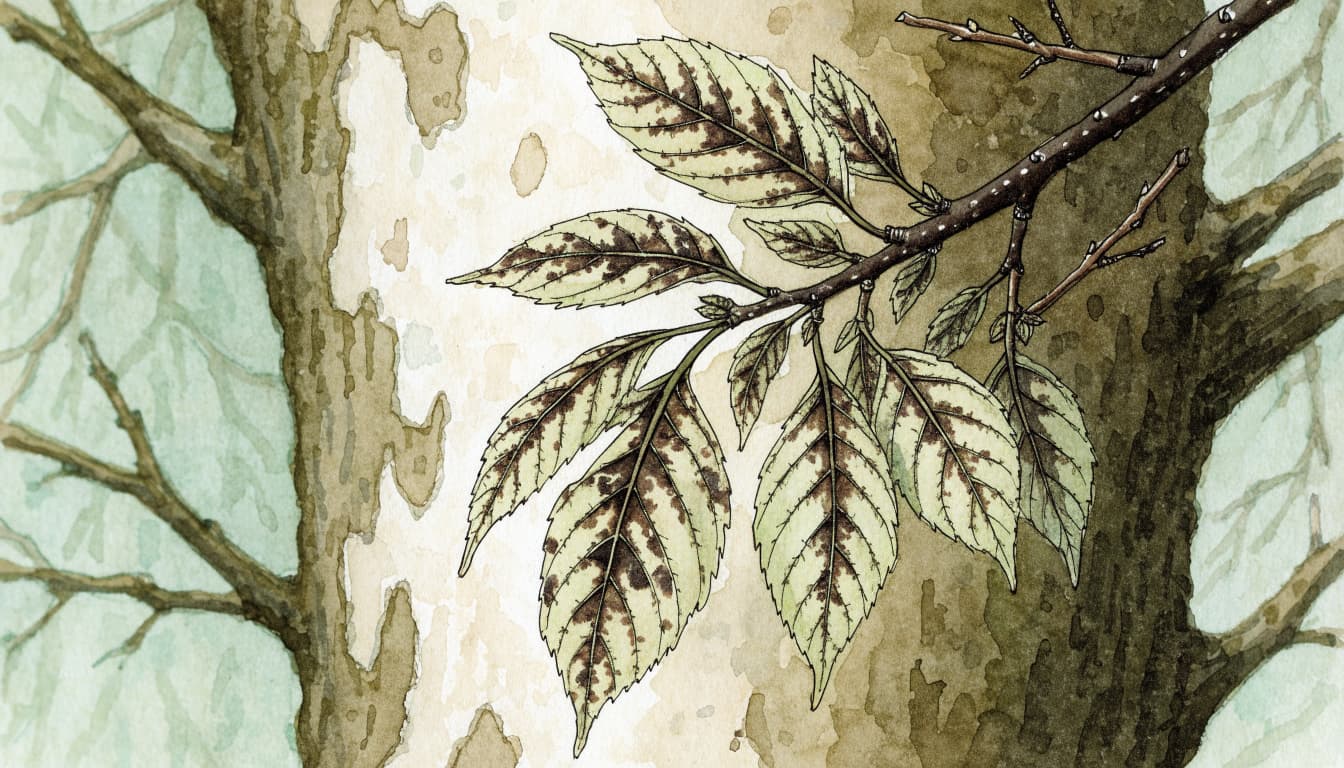
Infected leaves may develop dead areas that spread along veins or across larger sections of the blade. Those leaves can curl, turn brown, and drop early. When many young leaves fall at once, the canopy may thin quickly.
That sudden change can be unsettling, but leaf loss alone doesn't tell you how much lasting harm the tree has suffered. The condition of the branches, the tree's overall health, and whether fresh growth appears later all matter.
What Spring Symptoms Should You Look For?
Anthracnose symptoms often show up on new growth, especially after a cool, rainy period. Look for a pattern across leaves and twigs rather than judging the tree by a single brown leaf.
Leaf and shoot damage
Young leaves may show irregular brown or blackened areas, often around veins. Some leaves become distorted or wilted before dropping. Affected twigs may show dieback at their tips, leaving short, bare sections within otherwise leafing branches.
Symptoms can vary across one tree. If one portion of the canopy looks thin while others are beginning to leaf out, keep watching for fresh growth and changes in the affected branches. A photo of several leaves and twigs can help an arborist assess the pattern, but it can't show the full condition of the tree.
How long the bare look may last
A sycamore that loses its first leaves may produce another flush of foliage as spring progresses. The timing and fullness depend on the tree's vigor and the extent of damage. New leaves are a more encouraging sign than the first flush alone.
Recovery may be slower when the tree is also dealing with drought, compacted soil, root disturbance, or repeated disease in successive years. For that reason, avoid assuming that every bare branch signals permanent damage, but pay attention if dieback continues.
How Can You Distinguish Anthracnose From Other Problems?
Brown leaves and a thin canopy aren't unique to anthracnose. Weather, root conditions, insects, and physical damage can also affect sycamores. The clues below can help you decide whether the pattern fits a spring disease outbreak or calls for a closer inspection.
Compare symptoms with drought and root stress
Anthracnose commonly affects newly opening leaves during cool, wet spring weather. Drought stress is more likely after a dry spell, and may show as wilted foliage or dry, scorched edges across parts of the canopy. Check the soil before assuming a tree needs water; soggy soil can also harm roots.
Root problems may cause a broader decline, such as sparse growth across the tree rather than damage concentrated in new leaves and shoots. Recent digging, grade changes, compaction, or injury around the root zone are relevant clues. These patterns can overlap, so they don't confirm a diagnosis on their own.
Look for signs of injury or pests
Storm damage may leave split limbs, broken branches, or a sudden gap in the canopy. In contrast, anthracnose symptoms tend to show up as leaf and shoot damage associated with spring growth.
Borers and other pests can cause localized branch decline. Look for unusual holes, loose bark, or sawdust-like material, but don't treat based on one clue alone. If symptoms appear in warm weather, spread through mature leaves, or keep returning, an arborist can help distinguish anthracnose from other leaf or branch problems.
How Can You Support a Sycamore's Recovery?
Most established trees need time and reasonable care, not an intensive treatment program. The goal is to reduce avoidable stress while the tree replaces damaged leaves.
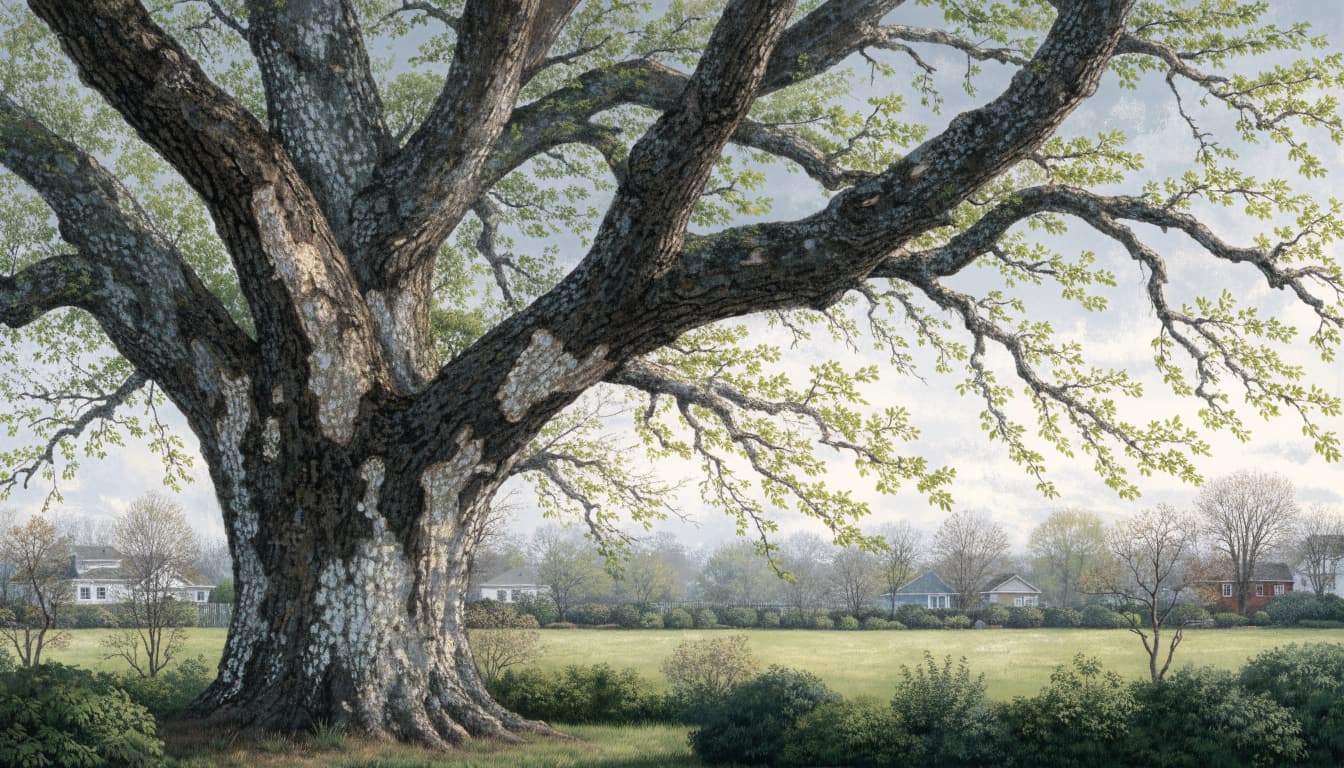
Water with the root zone in mind
During an extended dry spell, water slowly and deeply over the root zone rather than sprinkling the trunk or foliage. Established trees need less frequent, deeper watering than frequent light applications. Adjust for rainfall and soil conditions, and don't keep the ground saturated.
Keep lawn equipment away from the trunk and exposed roots. Mower and string-trimmer injuries can damage bark and create additional stress. If you use mulch, spread a moderate layer over the root area and keep it pulled back from the trunk.
Give the tree time to refoliate
Avoid adding high-nitrogen fertilizer in an attempt to force new leaves. Extra nutrients don't repair infected tissue, and unnecessary fast growth can add stress. Instead, monitor the canopy over the following weeks and note whether new leaves appear and whether branch dieback advances.
A tree that has lost leaves may still have living buds and healthy branches. Don't remove limbs simply because they look bare during early spring. Wait for the extent of live and dead growth to become clearer, unless a damaged branch poses an immediate safety risk.
Do You Need to Prune or Apply Fungicide?
For many established sycamores, neither major pruning nor a fungicide spray is needed for a typical spring outbreak. Anthracnose damages leaves that have already emerged, so spraying after visible leaf drop won't restore them. Fungicides, when warranted, are generally preventive and require careful timing and coverage.
Avoid treating a mature tree on a guess. A qualified arborist can assess whether preventive treatment makes sense for a valuable tree with severe or repeated outbreaks. Any product must be labeled for the tree and disease, and applied according to its directions.
Pruning should also be limited. Remove only clearly dead or broken branches when they can be handled safely. Avoid cutting healthy limbs to improve appearance or trying to reshape the canopy after leaf drop. Large branches, work near power lines, and uncertain dieback call for professional help.
When Should You Call a Qualified Arborist?
Get an on-site assessment if large sections of the canopy remain bare, branch dieback continues after the first flush, or the problem returns over multiple springs. A professional should consider the entire tree, including the trunk flare, branch unions, soil conditions, and nearby vegetation. A leaf photograph alone can't show root health or structural safety.
An arborist can also help distinguish anthracnose from borers, root problems, storm injury, drought stress, and other diseases. Ask for an inspection before approving extensive treatment or major pruning. Treatment can't guarantee recovery, and removal may be the responsible choice if structural damage makes the tree unsafe.
For fallen foliage and branches around the property, RW Lawn Co provides Atlanta spring and fall yard cleanup, including removal of leaves and debris from lawns and landscape beds. Yard cleanup can improve the area around the tree, but it doesn't replace a tree-health assessment.
FAQ About Sycamore Anthracnose
Will my sycamore grow its leaves back?
Often, yes. Healthy sycamores commonly produce new leaves after an early spring outbreak. The amount and timing of new growth depend on the tree's condition and the severity of the damage.
Should I rake up fallen leaves?
You can remove fallen leaves and twigs to keep the lawn and beds tidy. Cleanup may reduce some infected material near the tree, but it won't guarantee the disease won't return.
Is fungicide necessary?
Usually, a typical outbreak doesn't mean a homeowner needs to spray. Fungicides are preventive, not a way to restore leaves that have already fallen. Ask an arborist whether treatment is appropriate for a severe or recurring problem.
Give the Tree Time to Recover
Spring leaf drop can make a sycamore look far worse than its long-term condition. Watch for new growth, reduce avoidable stress, and avoid unnecessary spraying or pruning. If the canopy keeps thinning or major branches show dieback, a qualified arborist can assess the tree before you commit to treatment.