Atlanta Lawn Moss Control for Shady Damp Yards

RW Lawn Co • April 7, 2026

Share this article

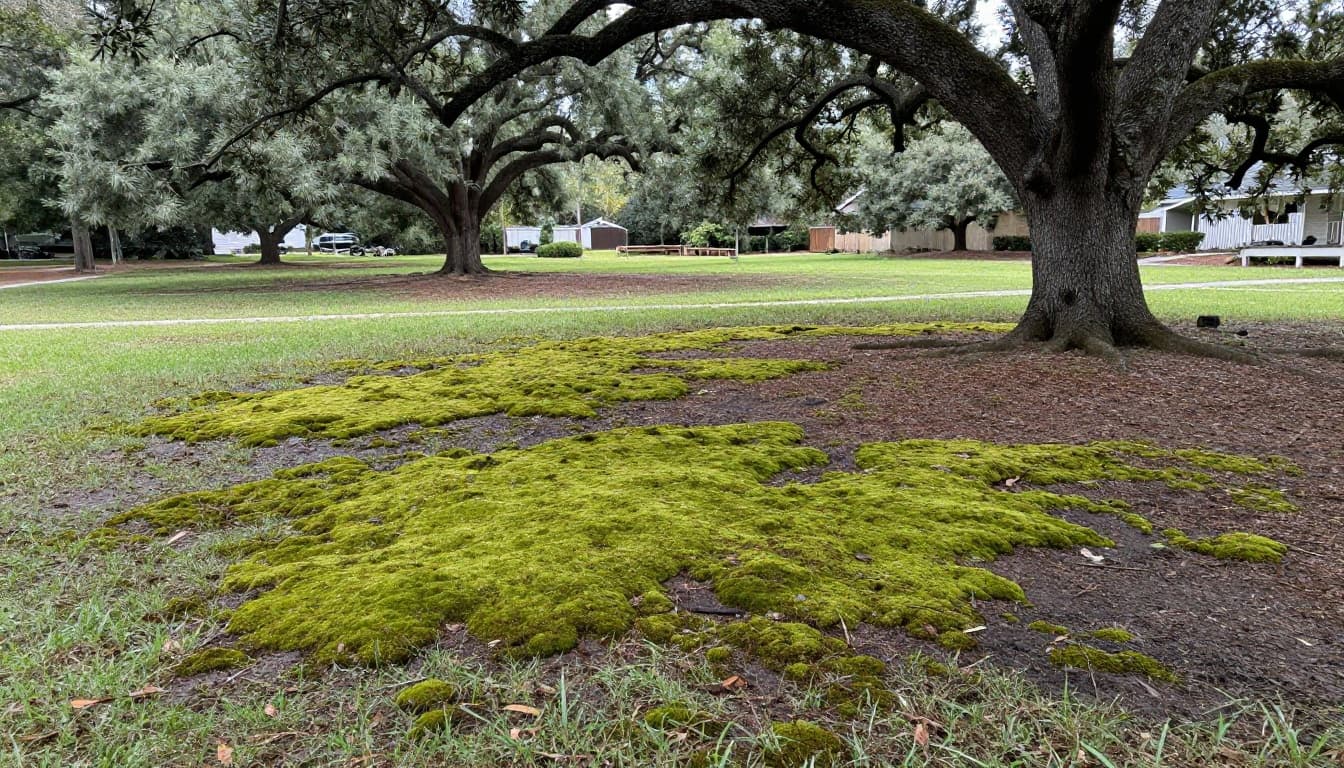
Picture your backyard after a rainy Atlanta weekend. Thick green moss carpets the grass under those big oaks. It spreads fast, and your turf looks weak. You wonder why it keeps coming back.

Moss signals deeper issues in shady, damp yards. It loves poor light, wet soil, and compacted ground. Grass struggles there instead. Quick sprays rarely last because conditions stay the same.

Fix the roots of the problem. You'll get lasting Atlanta lawn moss control . Start with drainage tweaks and soil checks. Then build stronger turf. Let's break it down step by step.

Why Moss Takes Over Shady Atlanta Yards

Moss pops up where grass can't compete. In Metro Atlanta, shady spots under trees create perfect setups. Low light limits photosynthesis. Grass thins out as a result.

Dampness worsens it. Our clay soils hold water. Add frequent rain, and surfaces stay soggy. Moss absorbs moisture easily. It spreads without deep roots.

Compaction seals the deal. Foot traffic and tree roots pack soil tight. Air and water can't reach grass roots. Moss fills the gaps instead.

Atlanta's humid summers fuel growth too. Fungi thrive alongside moss in wet shade. Grass weakens further. Check UGA Extension's guide on moss control for science-backed reasons.

Oak roots steal water and nutrients. They block sun too. Your lawn turns patchy fast. Moss signals it's time to act.

Spot Moss Warning Signs Before It Spreads

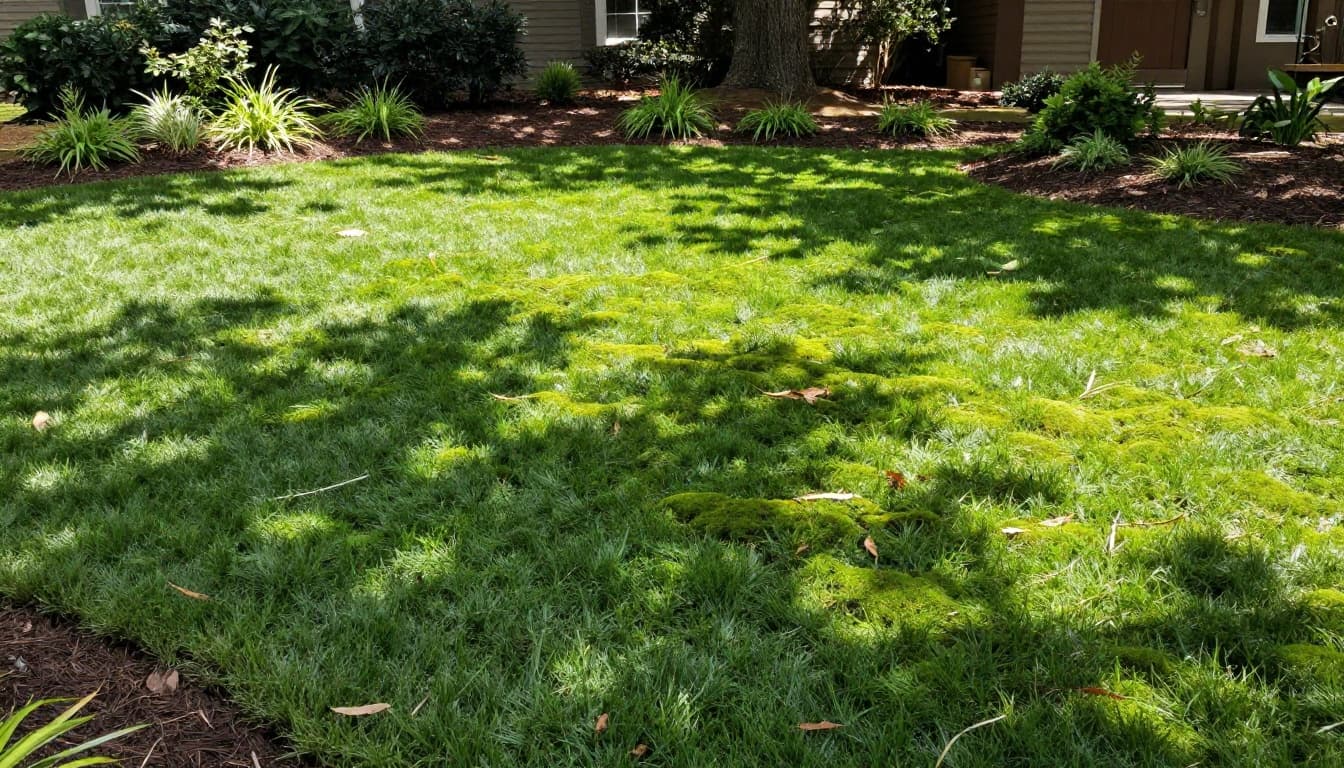
Look for velvet-like patches. Green or black moss clusters signal trouble. Grass yellows nearby because roots starve.

Test soil moisture. Poke a screwdriver in. If it sticks after rain, drainage fails. Water pools in low spots.

Check light patterns. Use a phone app for shade maps. Less than four hours of sun daily invites moss.

Thatch buildup hides issues. Rake gently. Thick layers block air. Moss loves that environment.

Persistent wet feet after storms? Compaction rules. Grass wilts despite moisture. Act now for Atlanta lawn moss control .

Soil turns slimy. Algae joins moss sometimes. Both point to poor airflow.

Fix Compaction and Drainage First

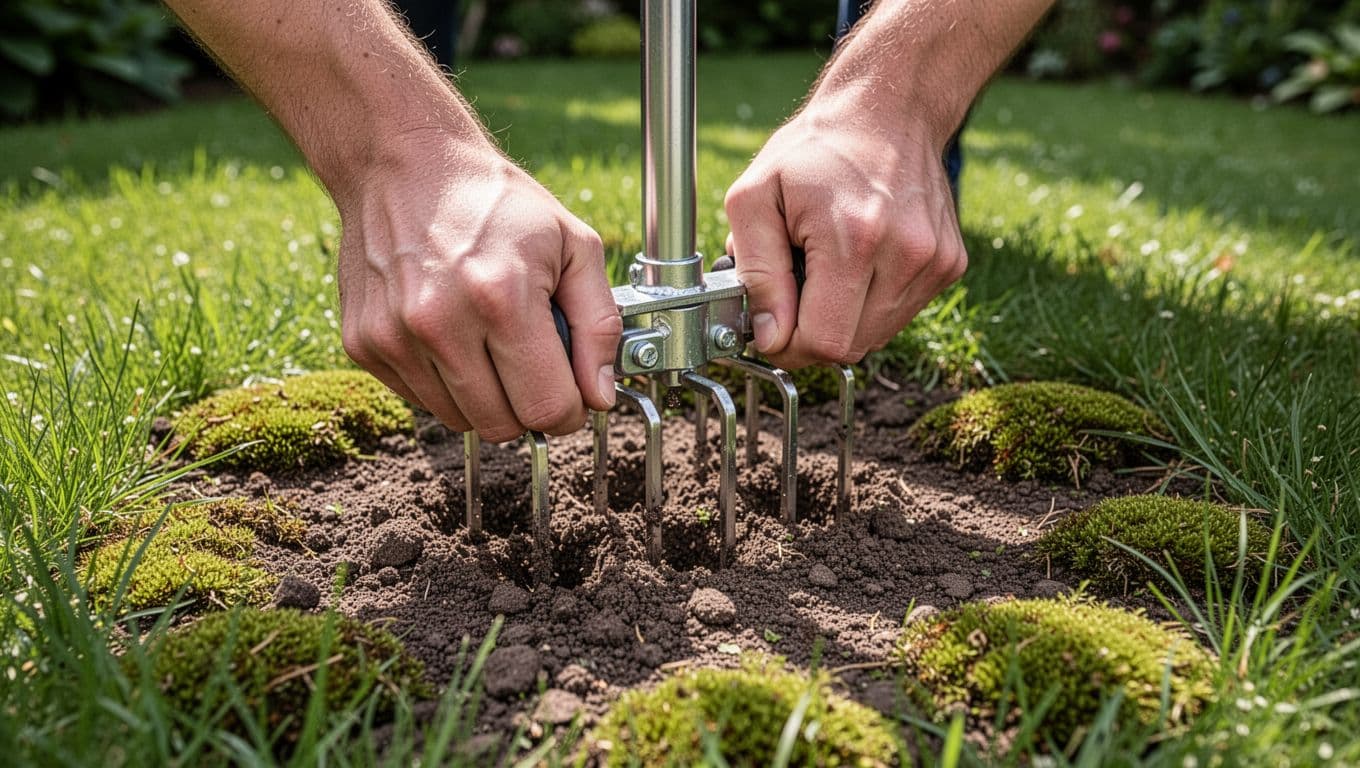
Compacted clay chokes roots. Moss rushes in. Aeration punches holes for relief.

Rent a core aerator. Pull plugs of soil. Do it in spring or fall. Water lightly after.

Topdress with sand or compost. Fill holes lightly. It improves structure over time.

Improve grading if needed. Rake low spots higher. Direct water away from turf.

French drains help chronic wet areas. Pros install them right. Avoid standing water at all costs.

Expect changes in months. Roots grow deeper. Moss retreats as grass strengthens.

Test and Adjust Soil for Grass Success

Get a soil test. Labs check pH and nutrients. Atlanta clay often skews acidic. Moss tolerates extremes.

Aim for pH 6.0 to 7.0 for most grasses. Lime raises it slowly. Sulfur lowers if too high.

Boost organic matter. Add compost yearly. It loosens clay. Roots expand easier.

Nitrogen helps grass compete. Use slow-release types. Overdo it, and moss surges back.

See our Atlanta centipede lawn care plan for clay soil. Low inputs work best there.

Fescue suits partial shade. St. Augustine handles some tree cover. Match type to your yard.

Trim Shade and Pick Tough Grasses

Prune low branches. Raise canopies for filtered light. It helps without big cuts.

Thin dense tree groups. Improve airflow. Less humidity means less moss.

Deep shade needs alternatives. Mulch beds replace turf. Native plants fill gaps.

Tall fescue endures Atlanta winters. It stays green longer. Overseed thin spots in fall.

For brighter shade, try Atlanta St. Augustine care for shady yards. Mow it higher.

Zoysia spreads well. It crowds moss out. Pick shade-tolerant varieties.

Maintain Your Lawn to Keep Moss Away

Mow high. Three inches shades soil. It builds turf density.

Water deeply, infrequently. Early mornings dry blades fast. Avoid evening soaks.

Fertilize based on tests. Spring and fall feedings suffice. Watch for excesses.

Rake leaves promptly. They trap moisture. Clear clippings too.

Check residential services for ongoing plans. Consistency beats spot fixes.

Annual aeration prevents return. Scout for early patches. Treat causes quick.

Realistic wins take a season. Full shade stays tough. Pros handle complex yards best.

Moss-free lawns start with site fixes. Address shade, dampness, and soil now. Grass will dominate soon.

Your yard deserves better. Test soil this week. Prune trees next. For tough spots, get a pro evaluation.

Ready for green turf? Contact local experts. They'll tailor Atlanta lawn moss control to your setup. What shady issue bugs you most?

By RW Lawn Co April 6, 2026
Spotted spurge creeps into Atlanta lawns like an uninvited guest. It spreads fast in thin spots and turns thick Bermuda or Zoysia into a patchy mess. You notice it now because April warmth wakes it up alongside your turf. This weed thrives in our clay soil and humid springs. I...
By RW Lawn Co April 5, 2026
Those bright green clumps popping up in your dormant Bermuda or Zoysia lawn catch your eye every winter. They smell like onions when you crush them. In Metro Atlanta, wild onion and wild garlic turn neat yards into patchy eyesores, especially as warm-season turf sleeps. These...
SHOW MORE