Atlanta Tree Planting Cost Guide for 2026
A new tree can cool a sunny yard, frame a patio, and make a bare property feel settled. However, the Atlanta tree planting cost can vary by more than a thousand dollars based on tree size, access, soil, and the work included in the quote.
For most Metro Atlanta homeowners, a professionally planted tree costs roughly $300 to $800. Larger specimen trees, difficult access, drainage work, or equipment needs can push the total well above $1,000.
A clear estimate separates the tree itself from installation, preparation, and the care needed during its first year.
Atlanta Tree Planting Cost: Typical 2026 Price Ranges
Small container trees are the most budget-friendly choice. They establish well when watered consistently, and they are easier to carry through gates or around tight side yards.
Medium and large trees offer a more immediate visual effect. Still, their root balls are heavier, delivery costs rise, and crews may need a skid steer or tree dolly.
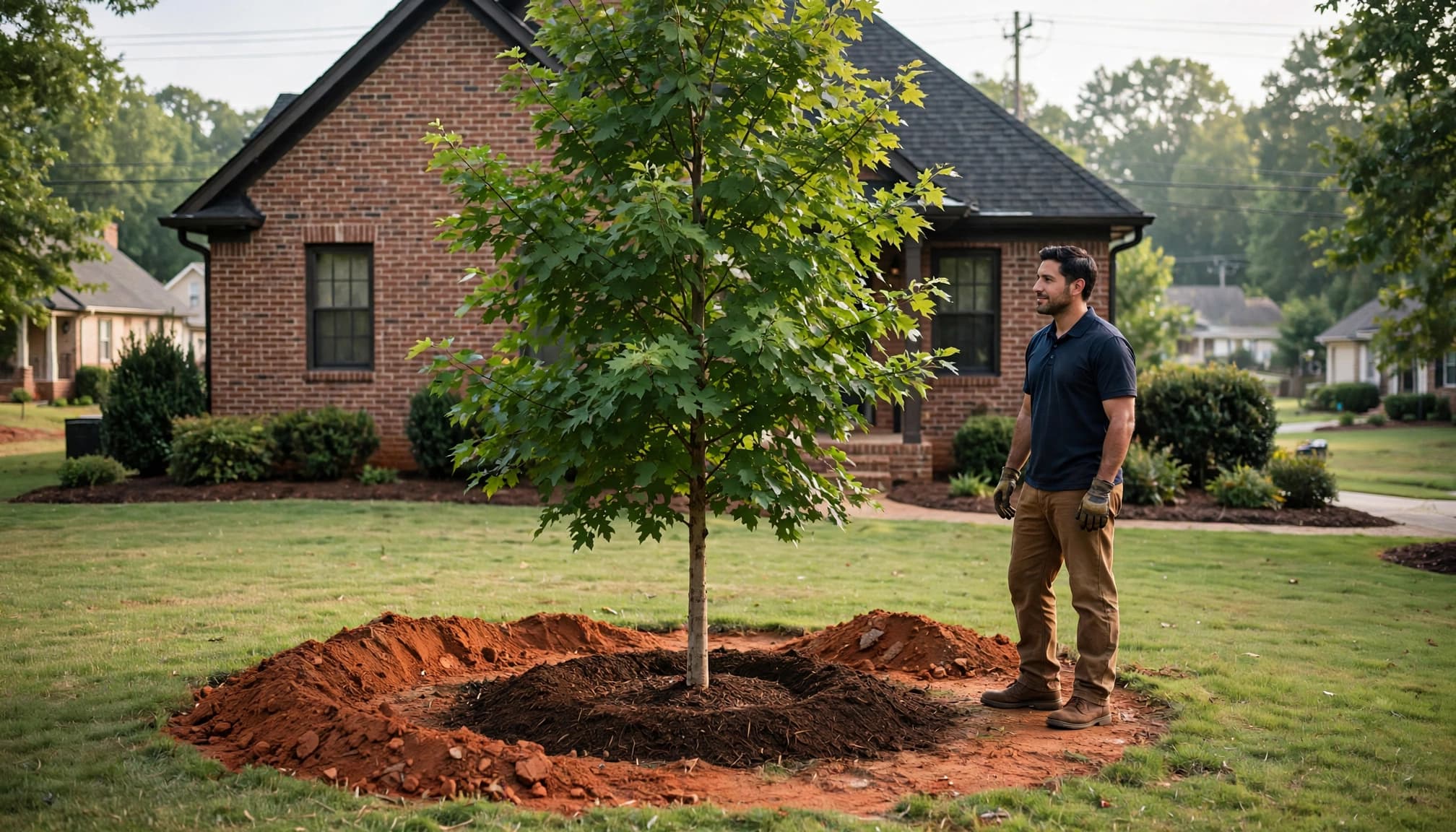
These ranges are practical planning figures for a standard residential install with reasonable access.
| Tree size | Typical installed cost | Common project conditions |
|---|---|---|
| Small, 3 to 6 feet | $300 to $500 | Container-grown tree, hand-dug hole, basic mulch |
| Small to medium, up to 10 feet | $400 to $700 | Delivery, planting labor, and initial watering |
| Medium, 6 to 12 feet | $500 to $1,200 | Larger root ball, more labor, possible staking |
| Large, 12 to 15 feet or more | $1,200 to $2,500+ | Equipment, delivery coordination, and difficult handling |
The City of Atlanta has cited an average cost of $656 for planting a 2.5-inch caliper tree in city planting contracts. That figure helps with context, but it isn't a fixed homeowner price.
A low quote may cover the hole and tree only. Ask whether delivery, mulch, staking, cleanup, and first-year watering guidance are included.
The Tree Itself Sets the Starting Budget
The purchase price is only one line in the Atlanta tree planting cost. Nursery stock differs by species, container size, trunk caliper, form, and availability.
Small container trees and young saplings
A small sapling can start near $20, while a typical 15-gallon tree often costs about $125 to $225. This category works well for homeowners who can wait a few years for shade and want to put more money into soil preparation or several coordinated plantings.
Dogwood, ginkgo, Japanese red maple, and Kanzan cherry are common examples in local pricing. A 5-foot Japanese red maple may cost around $150 to $175 before installation. Dogwoods often fall near $150 to $200, depending on size and cultivar.
Larger ornamental and shade trees
Larger trees cost more because nurseries have cared for them longer and moving them requires more labor. A Little Gem magnolia may run $400 to $500 for larger stock. Mature live oaks, pines, and other large shade trees can cost far more.
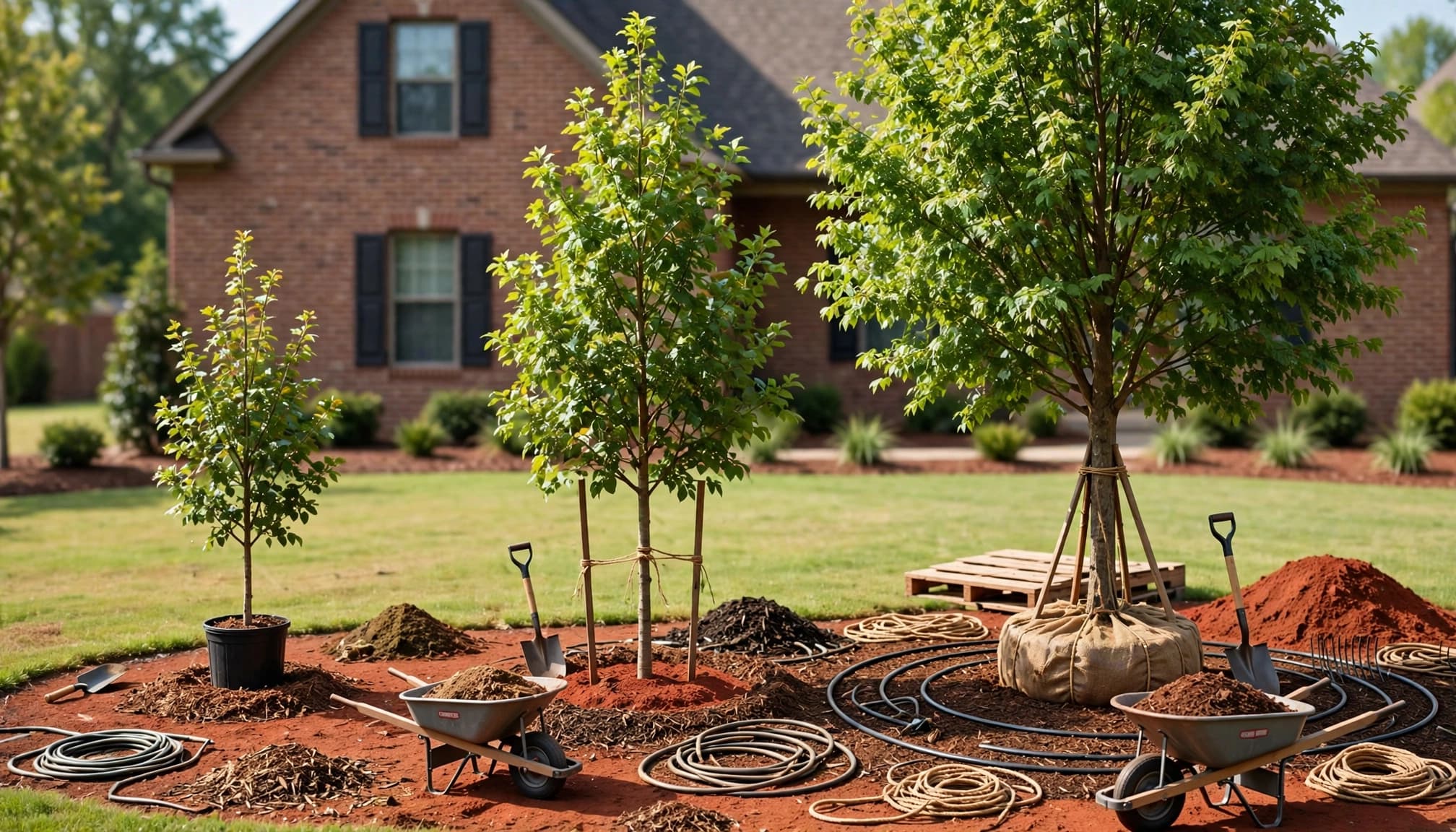
Buying the biggest tree isn't always the smartest choice. A healthy medium-sized tree with room to spread its roots can catch up quickly when it gets proper water and mulch.
Planting Labor, Delivery, and Site Prep
A detailed proposal should show which services are bundled into the installed price. In Metro Atlanta, planting labor often falls around $75 to $150 per crew member per hour, although many contractors quote the full job instead.
What planting labor usually includes
Standard labor often covers digging a hole, placing the tree, correcting circling roots, backfilling, watering at installation, and removing job debris. For a typical residential tree, labor and basic materials may account for $200 to $800 of the total.
The hole should be two to three times wider than the root ball, yet no deeper than the root ball itself. Planting too deep is a costly mistake because it can bury the root flare and limit oxygen around new roots.
Delivery and access can change the quote
Delivery may be included when the contractor supplies the tree. It may appear as a separate fee when you buy from a nursery or live outside a regular delivery zone.
A narrow gate, steep hill, retaining wall, parked cars, or soft lawn can add labor. A 15-gallon tree may move by hand, while a balled-and-burlapped shade tree may need equipment. If a crane, skid steer, or extra crew is necessary, expect the price to rise.
Heavy brush, old roots, or an ungraded planting area can require site preparation for landscaping projects before a crew can plant safely.
Atlanta Soil, Shade, and Utility Issues
Metro Atlanta yards often look simple from the curb, but conditions below ground can be complicated. Red Piedmont clay, uneven grades, dense shade, and underground utilities all affect tree selection and installation cost.
Work with Georgia clay instead of over-amending it
Many Atlanta-area soils are acidic red clay loam, often with a pH between 5.0 and 6.5. Clay can hold water after storms, then bake hard during summer heat.
A soil test helps determine whether lime, fertilizer, or another amendment makes sense. Don't assume every tree needs a truckload of amended soil. Backfilling with the excavated native soil usually helps roots transition into the surrounding ground more naturally.
Minor soil and mulch materials might add $20 to $50 to a simple project. Soil correction, drainage repair, rock removal, or extensive excavation needs separate pricing. If runoff pools near the planting area, review Atlanta drainage and grading costs before installing a tree.
Check utilities and overhead clearance first
Call 811 before any digging begins. Gas, electric, water, sewer, cable, and irrigation lines can run through a yard without visible clues. A utility conflict can force a new location or increase hand-digging time.
Also look up. Avoid planting a future large canopy tree below power lines or too close to the house, driveway, fence, or septic area. Municipal tree rules can also affect work near public rights-of-way, protected trees, and street trees.
Mulch, Staking, and Watering Are Separate Costs
A tree's survival depends on the first growing season. Some installers include these basics, while others leave them to the homeowner. Confirm the scope before comparing two Atlanta tree planting cost estimates.
Mulch and staking should fit the site
A proper mulch ring limits weeds, moderates soil temperature, and slows moisture loss. Apply organic mulch about 3 to 4 inches deep, while leaving a 3- to 6-inch gap around the trunk. Mulch piled against bark can trap moisture and invite pests.
Many contractors include a small mulch ring with planting. A larger refreshed bed adds material and labor. Use an Atlanta mulch installation cost guide when the tree project includes several beds or a full yard update.
Staking isn't automatic. A well-planted tree with a stable root ball often doesn't need it. Crews should stake only when wind exposure or a loose root ball calls for support, then remove stakes within 12 months.
Budget for regular watering
Watering is the part homeowners most often underestimate. A newly installed tree needs a slow, thorough soak at planting. Through the first growing season, a useful guideline is 10 to 15 gallons each week per inch of trunk caliper, adjusted for rain and soil drainage.
For example, a 2-inch caliper tree may need 20 to 30 gallons weekly during dry weather. Hand watering costs time, while drip irrigation or a watering bag adds materials and setup labor.
Ask whether the installer offers return visits. Ongoing maintenance may include watering checks, mulch adjustment, light pruning, and replacement terms. Those services usually aren't included in a base installation quote.
Choose Trees That Suit Your Yard
The right species can reduce maintenance costs for decades. Start with mature height and spread, then match the tree to sun, drainage, and available root space.
Trees for filtered shade and ornamental value
Dogwoods can suit smaller Atlanta yards with morning sun and afternoon shade. Japanese red maples also fit patios and entry gardens, although hot reflected heat and drought can stress them.
Little Gem magnolias remain more compact than southern magnolias and offer evergreen screening. They still need room away from foundations and walkways.
Trees for larger open yards
Live oaks need generous space, but they provide lasting shade in suitable locations. Ginkgo trees can tolerate many urban conditions, though homeowners should select male cultivars to avoid messy fruit.
No tree is maintenance-free. Pines drop needles, magnolias shed leaves, and fast-growing species can outgrow a small lot. Planting a tree that fits at maturity costs less than repeated pruning or removal later.
Get Comparable Tree Planting Estimates
Two quotes can look similar while covering very different work. Request the same information from every contractor, then compare the complete scope instead of the headline number.
Ask for these details in writing:
- The tree's common and botanical name, size, container or caliper measurement, and nursery source.
- Delivery charges, planting labor, equipment, soil work, mulch, staking, and cleanup.
- Utility locating responsibilities, access limits, and potential charges for rock, roots, or drainage problems.
- A watering schedule, warranty terms, and whether replacement depends on homeowner care.
Fall is often the easiest time to plant many trees in Atlanta because cooler temperatures reduce stress while roots can settle in. Spring also works well, but new trees need close attention before summer heat arrives. Summer planting is possible with steady irrigation, though it carries more risk when drought and high temperatures hit.
For homeowners planning several improvements at once, combine tree planting with bed edging, mulch, or lawn repair. One coordinated visit can reduce repeated delivery and mobilization charges.
Final Thoughts on Planting Trees in Atlanta
The best Atlanta tree planting cost is the one that includes a tree suited to your yard and a plan to keep it healthy. Tree size matters, but drainage, correct planting depth, mulch, and consistent water matter just as much.
A clear scope prevents surprise add-ons and protects your investment after the crew leaves. Plant for the tree's mature size , then give its roots the conditions they need to grow.